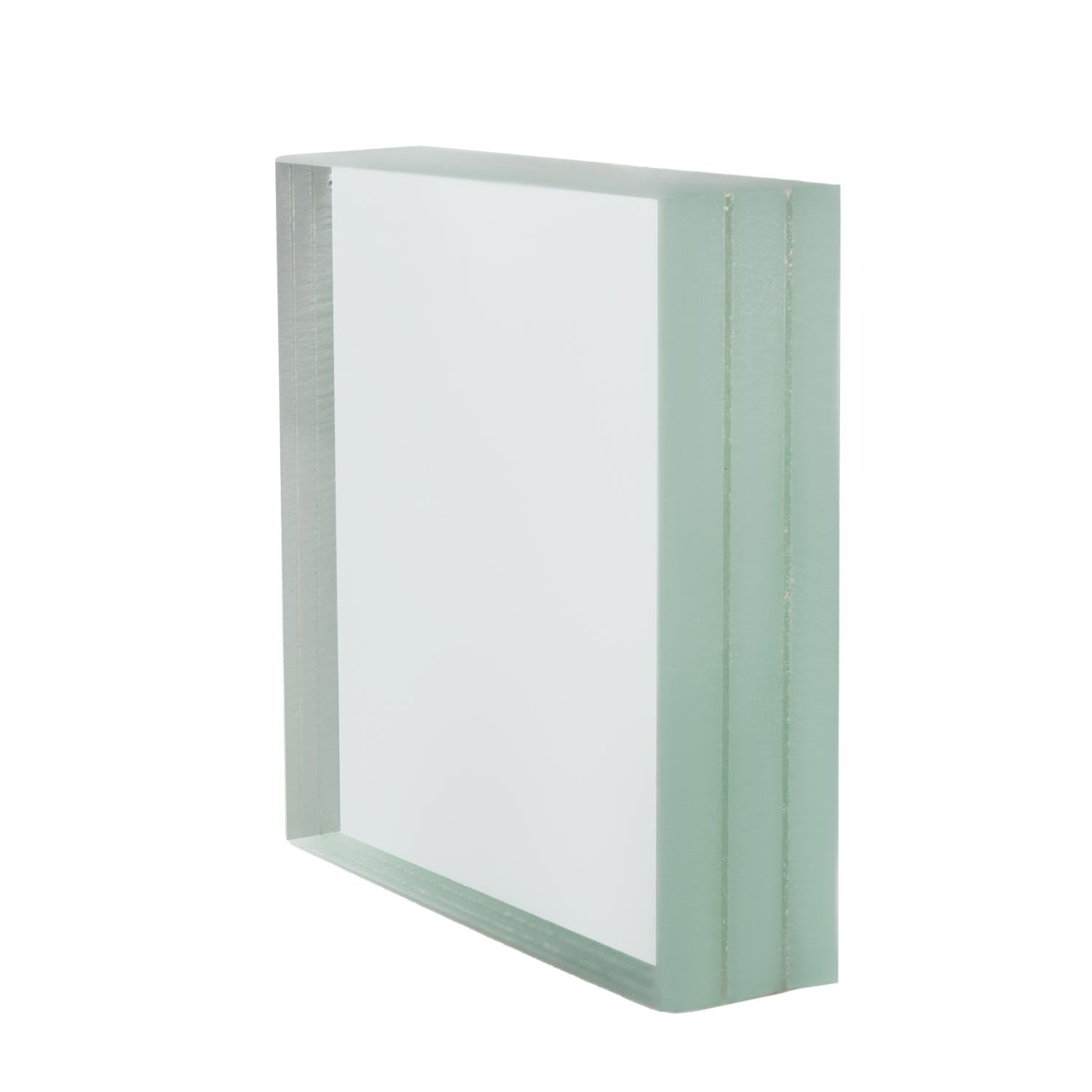
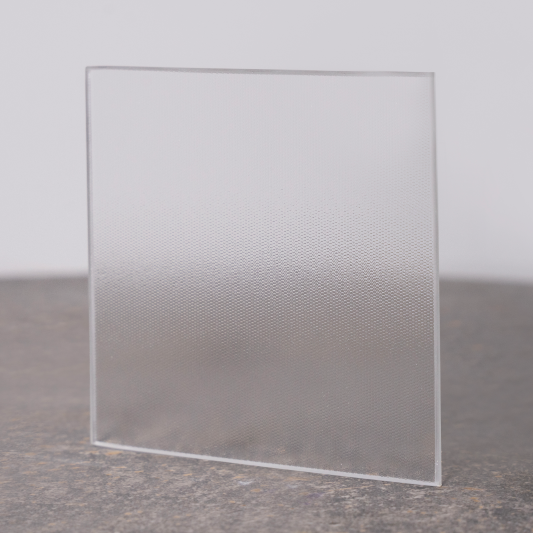
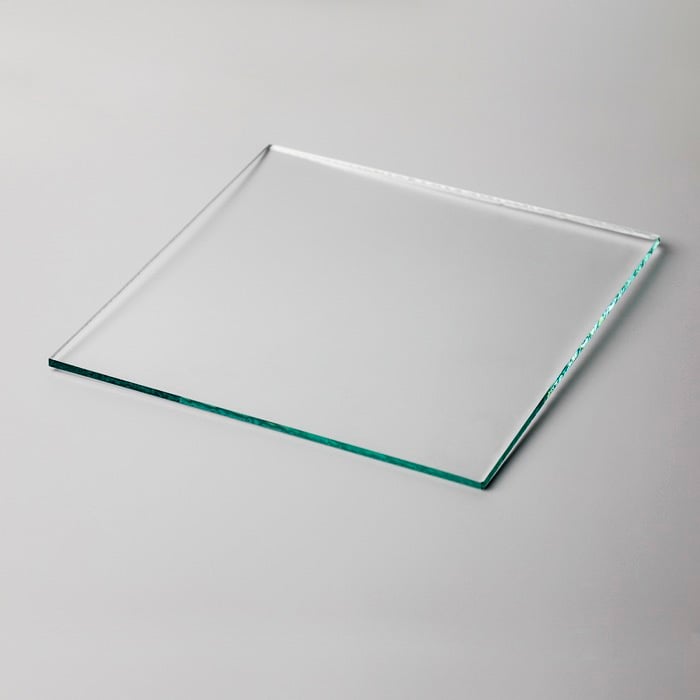
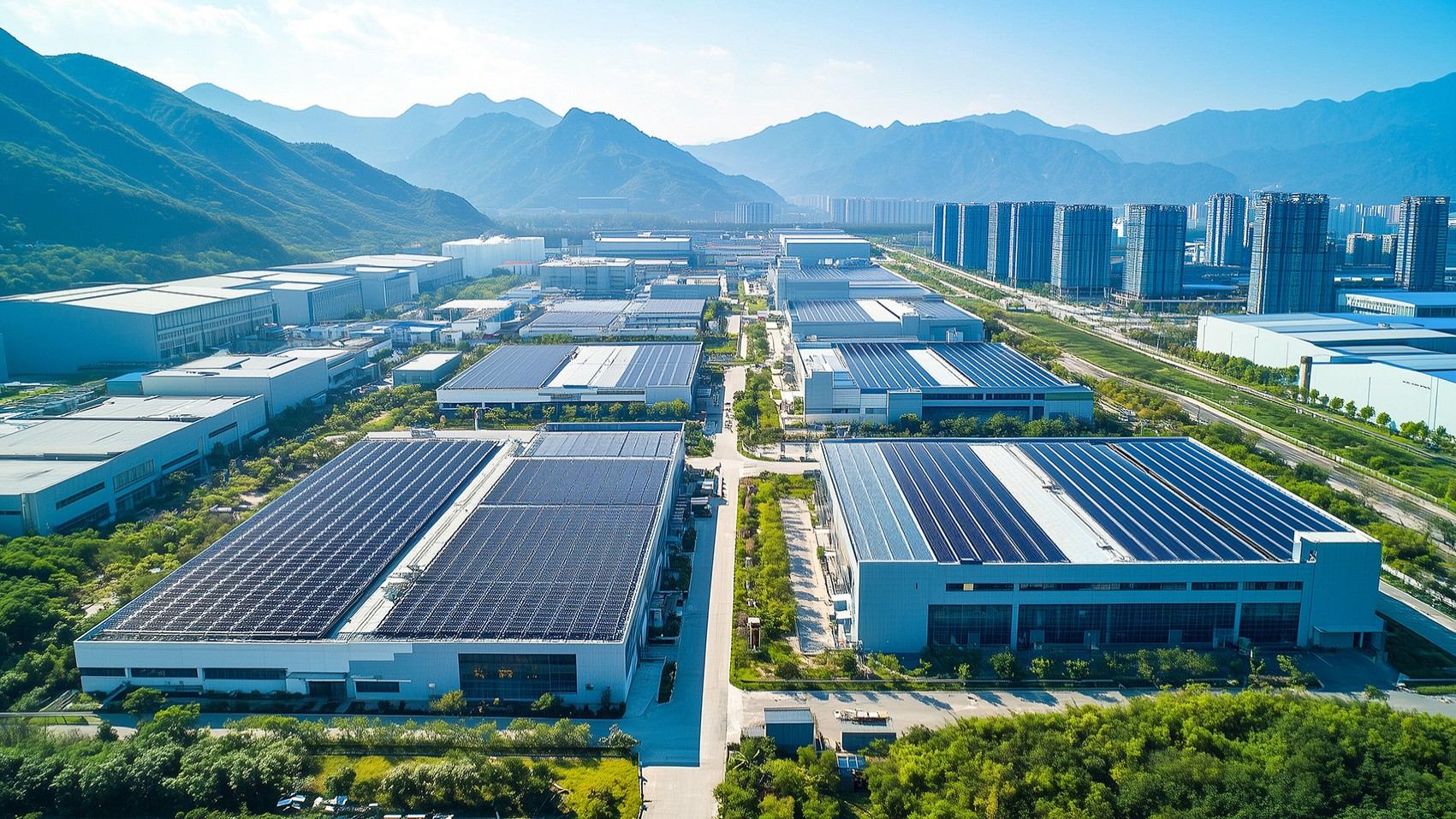
Against the backdrop of the continuous deepening of global layout, the quality stability of overseas production bases has become a key pillar of an enterprise's core competitiveness. With the vigorous development of the Southeast Asian construction market, Vietnam, as an important manufacturing hub for the company to radiate this region, its products such as patterned glass, float glass, tempered glass, and laminated glass have been widely supplied to key construction projects in Vietnam, Thailand, Malaysia and other countries, covering diverse scenarios including commercial complexes, high-end residential buildings, and transportation hubs. To further ensure product quality and delivery stability, the company's quality director recently went to the Da Nang Glass Factory in Vietnam for a one-month on-site work stint. Through full-process control, technical empowerment, and localized collaboration, a full-chain glass product guarantee system covering raw material procurement, production processing, finished product inspection, and logistics transportation has been established. The core objectives of this on-site work were "targeted problem-solving and long-term empowerment". First, the quality director led the team to go deep into the production frontline and conduct systematic research on the regional characteristics and production pain points of the Vietnam factory. The local high-temperature and high-humidity climate has long affected the quality of raw material storage; some batches of core raw materials such as silica sand and soda ash have caked due to moisture absorption, leading to uneven composition during the melting stage and directly impacting the transparency and strength of finished glass products. In response, the quality director collaborated with the warehousing department to optimize the ventilation system, strictly controlling the humidity of the warehousing environment below 55%, and established standardized processes for incoming raw material sampling inspection and regular warehouse turnover, solving the problem of fluctuating raw material purity from the source. Aiming at the process execution deviations caused by language communication differences between Chinese and Vietnamese employees, the team worked with the technical department to compile graphic operation manuals in Chinese, Vietnamese, and English. Multiple quality control points in key processes such as melting, forming, and cutting were presented in visual forms including 3D schematic diagrams and operation step animations. Special training sessions were organized, combining theoretical assessments with practical drills to ensure all production line employees proficiently mastered the standard processes, reducing the process fluctuation rate by 40% compared to before.
In the production process control, the quality director and the quality inspection department of the Vietnam Glass Factory jointly upgraded the full-process traceability mechanism to achieve "full traceability from raw materials to finished products". In the melting workshop, an infrared temperature measurement and intelligent control system was introduced to real-time monitor the temperature curve of key points in the melting furnace, strictly controlling the temperature fluctuation range within ±5℃ to ensure the homogenization quality of glass liquid. Aiming at the composition differences of raw materials from different batches, a dynamic batching adjustment model was established, and melting parameters were accurately matched through big data analysis to further improve the stability of glass liquid. In the forming link, with the help of high-definition visual inspection and digital monitoring systems, the thickness data of glass original sheets was collected every 3 seconds, controlling the thickness deviation within ±0.05mm – an industry-leading standard that far exceeds the general level of ±0.1mm in Southeast Asia. To address the insufficient cutting precision of float glass, the quality director supervised on-site adjustments to the blade pressure and traveling speed of cutting equipment, optimized the cutting path algorithm, reducing the cutting error from the original ±2.5mm to ±1mm and increasing the product qualification rate to 98.6%. Potential quality risks identified during the period were immediately addressed by setting up special teams with Chinese and Vietnamese technical backbones to formulate rectification plans, track implementation, and establish a closed-loop management mechanism of "discovery-analysis-rectification-verification" to ensure problems do not recur. Meanwhile, combined with the characteristics of the local supply chain, joint quality inspection agreements were signed with 3 core raw material suppliers, and regular on-site supplier audits were conducted to jointly improve the level of raw material quality control.
Considering the need to enhance the digitalization level of the Vietnam factory, the quality director took the lead in promoting the production informatization MES system, building an integrated data platform covering production planning, equipment operation, quality inspection, and energy consumption management. Through this system, key production line data was collected in real-time to generate process optimization reports. For the problem of high energy consumption in the melting link, the furnace combustion ratio and thermal insulation parameters were adjusted, reducing the unit product energy consumption by 8%, achieving cost reduction and efficiency improvement while enhancing product stability. In addition, the team worked with the local quality inspection team to improve the quality traceability system, assigning a unique QR code to each batch of products that covers the entire life cycle information such as raw material sources, batching ratios, production teams, melting temperature curves, and inspection data. This significantly reduced the time required for quality problem traceability and greatly improved problem handling efficiency.
This on-site work not only effectively resolved the quality control pain points in the production of the Vietnam factory but also deepened the collaboration tacit understanding and trust between the Chinese and Vietnamese teams through face-to-face collaborative work and typical case sharing. The company's quality director stated: "The quality stability of overseas glass factories is the cornerstone of our globalization strategy. As an important fulcrum for us to deepen our presence in the Southeast Asian market, the product quality of the Vietnam factory is directly related to the company's brand reputation and market competitiveness. In the future, we will establish a regular on-site mechanism, arranging quality management personnel to go to the Vietnam factory for special supervision every quarter. At the same time, we will promote the full implementation of the digital quality control system and build a remote monitoring and technical support platform to ensure that we can provide customers with consistently high-quality glass products regardless of location." With the continuous improvement of the quality control system, the recognition of glass products produced by the Vietnam factory in the Southeast Asian market has increased significantly. Recently, it has successfully obtained supply orders for large-scale construction projects such as the high-rise complex in Ho Chi Minh City, Vietnam. This on-site work is not only the company's adherence to the "quality first" philosophy but also a key measure to deepen its overseas market presence and improve its global layout, laying a solid foundation for the company to further expand into the Southeast Asian and even global markets.
 Hot News
 EN
EN