Adjectives:SolarModuleEncapsulation、SolarPowerPlant、BuildingIntegratedPhotovoltaics(BIPV)、SolarModuleGlass、HighTransmittanceGlass、PhotovoltaicEncapsulation、AntiReflectiveGlass、SelfCleaningGlass、BIPVGlass、B2BSolarSolution、BulkSolarGlassSupply、SolarProjectPartner
Brief Description
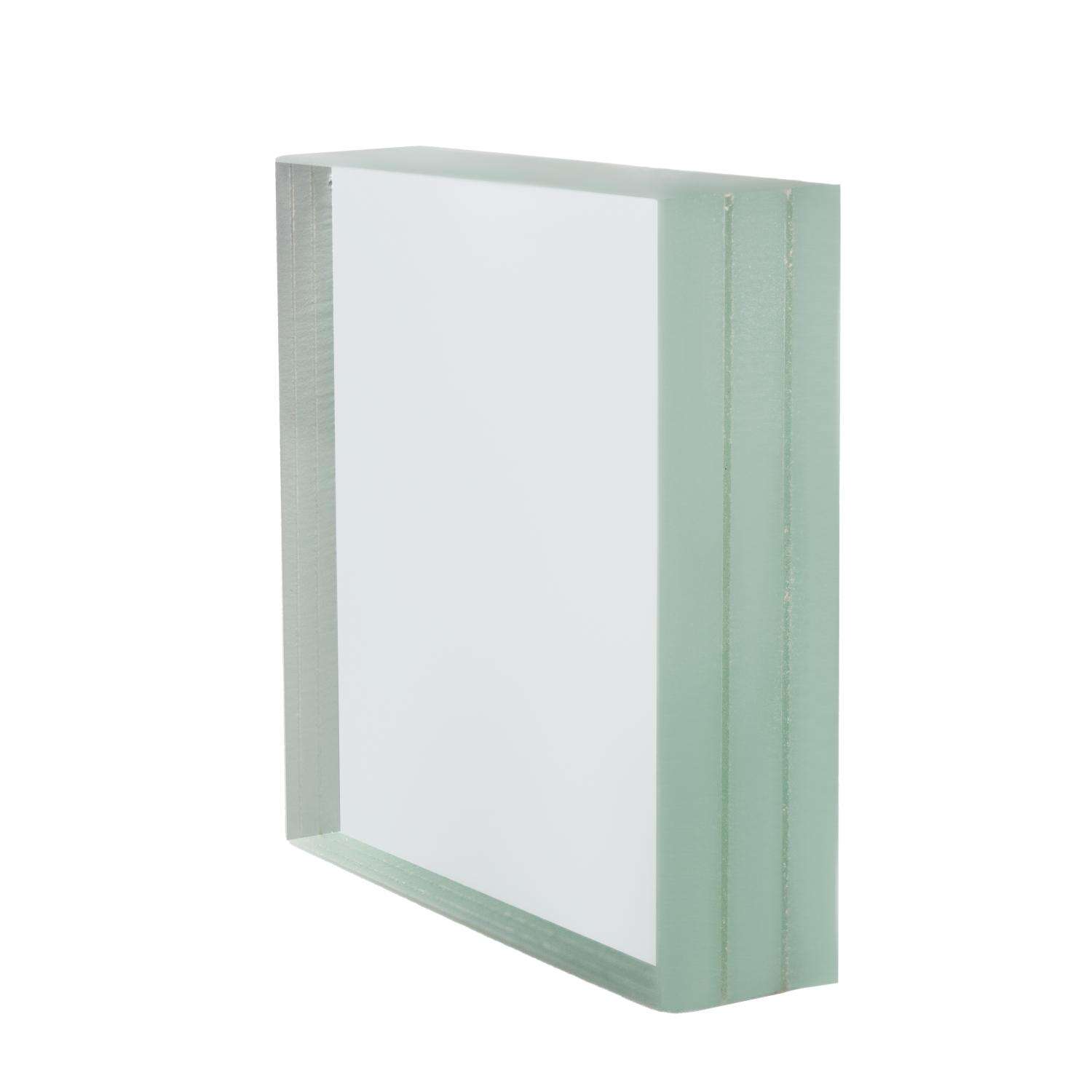
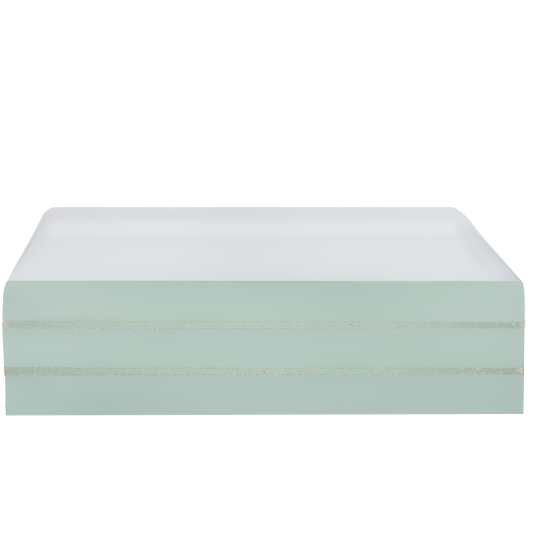
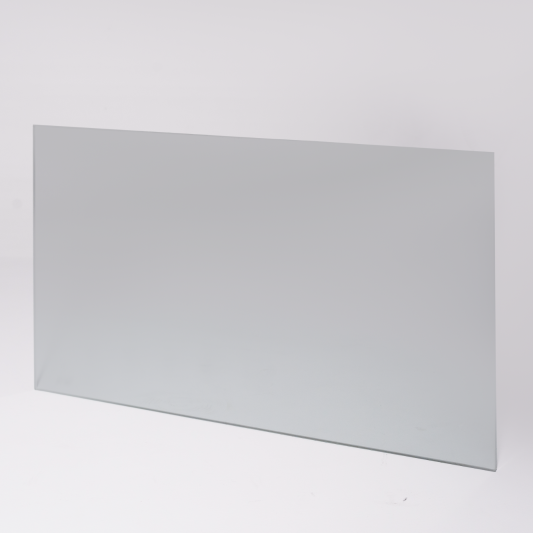
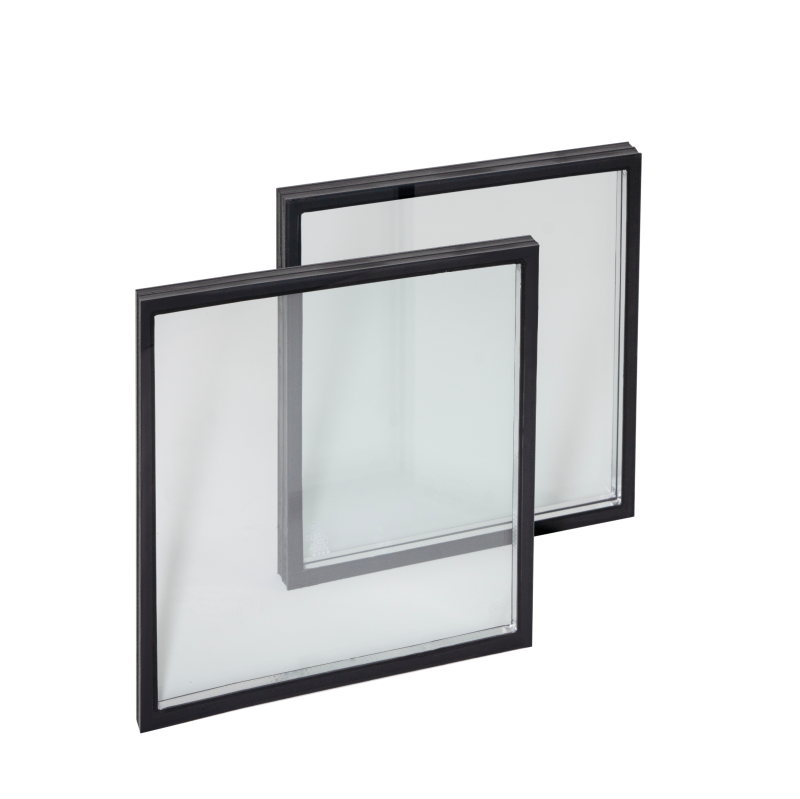
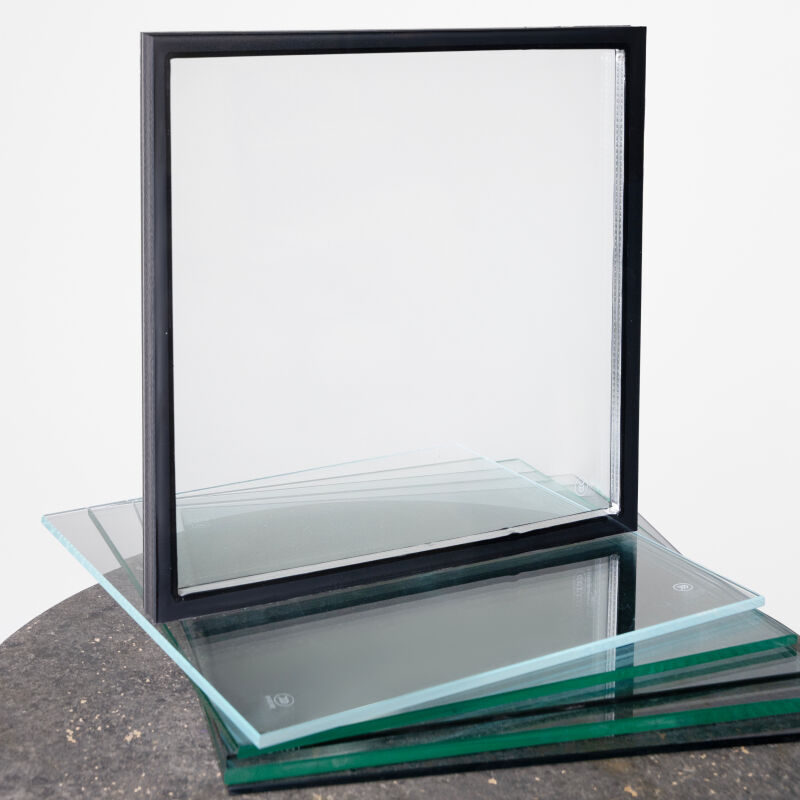
Photovoltaic solar patterned glass is a specialized high-performance glass engineered exclusively for solar cell module encapsulation, serving as the critical front-facing component that blends light transmission, protection, and efficiency enhancement. Built on an ultra-clear low-iron glass substrate, it undergoes precise calendering and tempering processes to meet the rigorous demands of solar energy applications. To further optimize performance, select variants are equipped with advanced anti-reflective (AR) coatings or self-cleaning functional coatings. Its core functions are multi-faceted: delivering exceptional high light transmittance to maximize solar energy absorption, providing robust physical protection for the underlying solar cells against harsh environmental factors, and ultimately boosting the overall power generation efficiency of photovoltaic modules. As an indispensable part of solar energy systems, this glass plays a pivotal role in converting sunlight into clean electricity, supporting the reliability and longevity of solar power projects ranging from residential installations to large-scale utility farms and building-integrated photovoltaics (BIPV).
For B-end clients including solar module manufacturers, EPC contractors, BIPV project developers and renewable energy investors, the product offers large-volume supply capabilities, customized coating solutions and technical collaboration services. It can be tailored to match the performance requirements of different solar module types, whether for utility-scale solar farms, commercial rooftop systems or integrated building photovoltaics.
Detailed Description
Photovoltaic solar patterned glass is widely recognized as the "skin and armor" of solar cell modules, combining delicate light-transmitting performance with rugged protective capabilities to ensure the stable operation of photovoltaic systems. At its foundation lies an ultra-clear low-iron glass substrate—a key innovation that sets it apart from ordinary glass. By significantly reducing the iron content to ≤150ppm, the glass eliminates the inherent greenish tint that plagues standard glass, minimizing light absorption and laying the groundwork for superior light transmittance. This low-iron formulation ensures that sunlight can penetrate the glass with minimal loss, directly enhancing the energy conversion potential of the solar cells beneath. For B-end module manufacturers, we can provide substrates with iron content as low as ≤120ppm for high-efficiency solar modules, supporting the development of next-generation photovoltaic products.
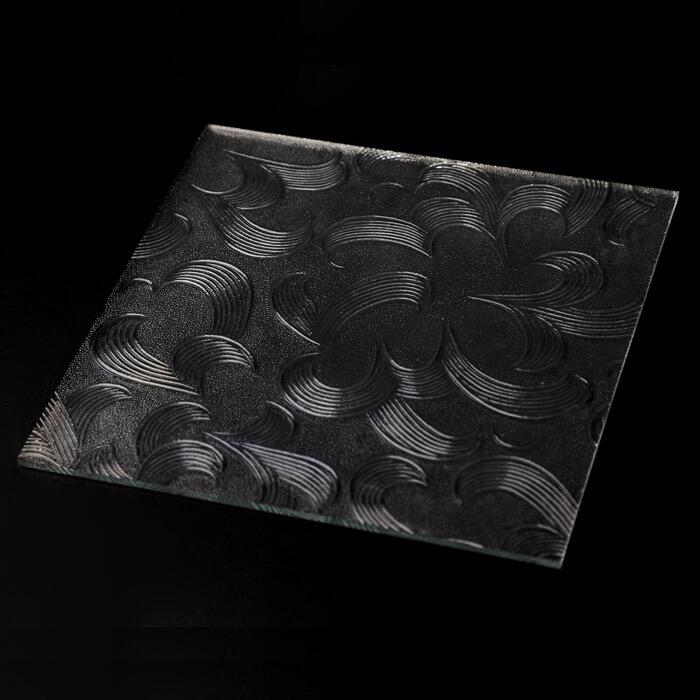
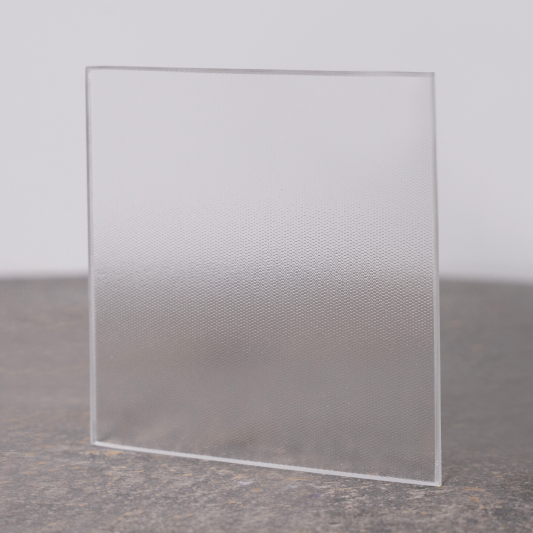
After the substrate is formed, the glass undergoes two critical processing steps: calendering and tempering. The calendering process imparts a unique patterned texture to the glass surface—common patterns include pyramidal, prismatic, or linear designs. This textured surface serves a dual purpose: it effectively reduces specular reflection by breaking up direct sunlight, preventing light from bouncing off the surface and being wasted, and it increases the range of acceptable incident angles for sunlight. Even when the sun is low in the sky or shining at an oblique angle, the patterned texture guides more light onto the solar cell surface, further improving light utilization efficiency. Following calendering, the glass undergoes tempering, a heat treatment process that involves heating the glass to near its softening point and then rapidly cooling it. This process strengthens the glass’s structural integrity, resulting in a bending strength of ≥120MPa—far exceeding that of ordinary glass. The tempered glass is highly resistant to impacts from extreme weather events such as hailstorms, strong winds, and heavy snowfall, as well as accidental collisions during transportation, installation, or operation, ensuring the solar module remains intact and functional in challenging conditions. For large-scale solar farm projects, this durability can significantly reduce the long-term maintenance costs of B-end clients.
To cater to high-performance applications, premium-grade photovoltaic solar patterned glass is enhanced with advanced functional coatings. Anti-reflective (AR) coatings are a game-changer, reducing surface light reflection to an absolute minimum. By minimizing reflection losses, these coatings boost the glass’s light transmittance to ≥96%—a significant improvement over the base ≥93.5% transmittance of uncoated low-iron glass. This translates directly to higher power output for the solar module, as more sunlight reaches the solar cells for conversion. Additionally, some high-end variants feature self-cleaning coatings, typically based on photocatalytic or hydrophilic technologies. These coatings enable the glass to degrade organic dirt, dust, and grime when exposed to sunlight and water, reducing the need for manual cleaning. For solar farms or BIPV installations in remote areas or hard-to-reach locations, this self-cleaning property is invaluable, as it maintains optimal light transmittance over time without costly maintenance efforts. For B-end clients with customized needs, we can develop special coating formulations to adapt to specific climatic conditions, such as high-humidity coastal areas or dusty desert regions.
Beyond light transmittance and protection, photovoltaic solar patterned glass plays a crucial role in the overall durability and longevity of solar modules. It works in tandem with encapsulant films (such as EVA or POE) and backsheets to form a fully sealed, insulated environment around the solar cells. This sealed structure prevents moisture, dust, oxygen, and other corrosive substances from infiltrating the module, which could degrade the cells and electrical components. Thanks to this robust encapsulation system, solar modules equipped with high-quality patterned glass can maintain stable power generation performance for over 25 years—a key factor in the long-term economic viability of solar energy projects. The glass also exhibits excellent weather resistance, withstanding extreme temperature fluctuations (from -40℃ to 85℃), UV radiation, and humidity without yellowing, cracking, or losing performance, ensuring consistent operation across diverse climatic conditions. For BIPV projects that require both energy generation and architectural aesthetics, our glass can be customized with various pattern designs and transmittance levels to meet the dual needs of power generation and building appearance.
The versatility of photovoltaic solar patterned glass makes it suitable for a wide range of photovoltaic applications. It is compatible with both monofacial and bifacial solar modules—bifacial modules, which generate power from both the front and back sides, benefit from the glass’s high transmittance to capture reflected light from the ground or surrounding surfaces. It is also an essential material for thin-film solar batteries, which require precise light transmission control to optimize their unique cell structures. In addition, it is a cornerstone of building-integrated photovoltaics (BIPV) projects, where solar modules are integrated into building facades, roofs, or windows. In BIPV applications, the glass not only serves as a power-generating component but also functions as an architectural material, offering aesthetic flexibility, thermal insulation, and soundproofing when combined with additional layers. From residential rooftop solar systems to large-scale utility-scale solar parks, and from commercial building facades to portable solar devices, this glass adapts to diverse installation scenarios and performance requirements. For B-end clients, we provide comprehensive technical support including compatibility testing with different module designs, installation guidance for BIPV projects and long-term product performance tracking.
As the global shift toward clean, renewable energy accelerates, photovoltaic solar patterned glass has emerged as a key material driving the advancement of solar power technology. Its unique combination of high light transmittance, robust protection, long-term durability, and functional versatility makes it indispensable for maximizing the efficiency and reliability of solar modules. By enabling more sunlight to be converted into electricity, withstanding the harshest environmental conditions, and reducing maintenance needs, this specialized glass plays a critical role in lowering the cost of solar energy and making it a more accessible and sustainable alternative to fossil fuels. Whether powering a single home or a large industrial complex, photovoltaic solar patterned glass is at the heart of the clean energy revolution, contributing to a greener, more sustainable future. For B-end partners, we are committed to supporting the expansion of renewable energy projects through stable supply, competitive pricing and technical innovation, helping to accelerate the global energy transition.
Product Specifications
Core Specifications
·Ultra-clear low-iron glass substrate (iron content ≤150ppm; high-end version ≤120ppm)
·Thickness: 3.2mm, 4mm
·Regular sizes: 1600×1100mm, 1820×1016mm, 2100×1650mm
·Surface patterned; optional anti-reflective/self-cleaning coatings
Performance Highlights
·Light transmittance: ≥93.5% (uncoated); ≥96% (with anti-reflective coating)
·Tempered bending strength: ≥120MPa
·Weather resistance lifespan: ≥25 years
·Self-cleaning coating hydrophilic angle: ≤15°
B-end Exclusive Support
·Minimum Order Quantity (MOQ): Negotiable for large-scale solar module production lines
·Lead Time: Flexible production scheduling to match module manufacturing cycles
·Technical Services: Free coating performance testing, module compatibility analysis, BIPV design consultation
·Customization Capability: Support special pattern development, customized transmittance adjustment and functional coating customization

Shanghai Montag Technology Co., Ltd. provides high-performance photovoltaic glass, architectural glass, and special glass for global solar and construction industries. Ultra-clear float & patterned glass (550 MT/day), vertically integrated production, ISO-certified quality. Partner with us for carbon-neutral solutions.
Building 4, Floors 1-2, No. 1628 Lizheng Road, Lingang New Area, China (Shanghai) Free Trade Zone
Copyright © 2026 Shanghai Montege Technology Co., Ltd. All rights reserved. Privacy Policy
 EN
EN