Adjectives:ResidentialDoorsAndWindows、OfficeBuildingCurtainWall、High-EndArchitecture、Energy-SavingGlass、LowEmissivityGlass、EnergySavingGlass、HeatInsulationGlass、UVProtectionGlass、GreenBuildingGlass、B2BProjectSolutions、BulkSupply、SustainableBuildingPartner
Brief Description
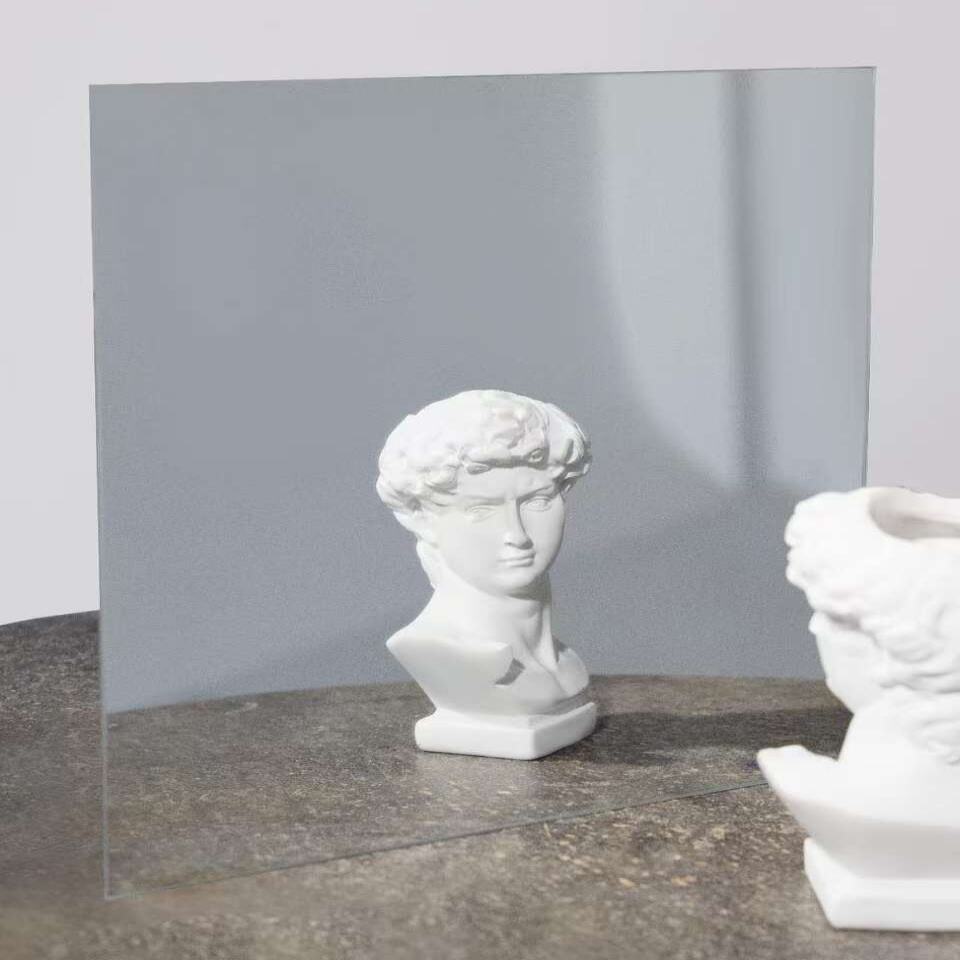
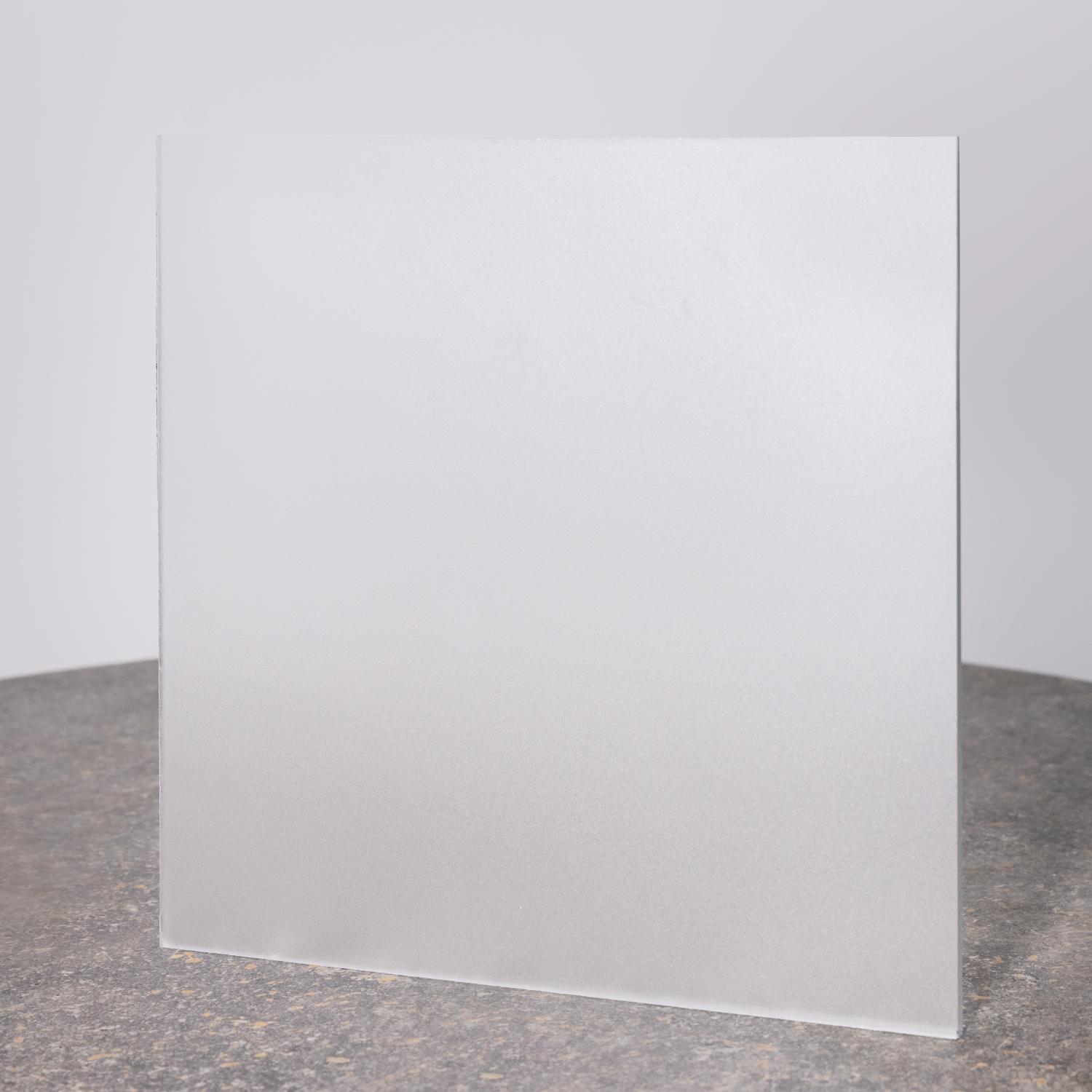
LOW-E glass (low-emissivity glass) is a high-performance functional glass engineered to revolutionize building energy efficiency through its advanced surface coating technology. Designed to precisely control radiant heat transfer, this glass achieves a perfect balance between winter heat preservation and summer heat insulation, delivering year-round energy savings that reduce reliance on heating and cooling systems. Boasting a transparent, modern appearance and low reflectivity, it minimizes secondary light pollution while maintaining excellent natural lighting performance. Versatile and adaptable, LOW-E glass is suitable for a wide range of buildings—from residential complexes and office towers to high-end commercial spaces—making it an indispensable material for sustainable, energy-efficient architectural design.
For B-end clients including construction contractors, architectural design firms, property developers and green building project integrators, the product provides scalable bulk procurement plans, customized coating solutions and one-stop technical support. It can be tailored to match the energy efficiency targets, design specifications and project schedules of large-scale construction projects such as commercial complexes, high-rise buildings and public infrastructure.
Detailed Description
LOW-E glass stands as a cornerstone of modern green building materials, redefining energy efficiency in architecture with its innovative low-emissivity coating technology. Unlike ordinary glass that freely transmits heat and light, LOW-E glass is engineered to selectively manage radiant heat transfer, addressing the dual challenges of winter heat loss and summer heat gain to create comfortable, energy-efficient indoor environments. For B-end project needs, the technical team can provide professional energy efficiency evaluation and recommend the most cost-effective product configuration according to the project's climate adaptability and sustainability design scheme.
At the core of its functionality is a micro-thin, multi-layer coating applied to the glass surface—typically composed of precious metals (such as silver, titanium, or tin) and metal oxides. This specialized coating acts as a "heat regulator": it selectively transmits visible light while blocking infrared radiation (the primary carrier of heat). In winter, when indoor temperatures are higher than outdoor, the coating reflects the infrared heat emitted by indoor objects back into the room, reducing heat loss through windows by up to 50% compared to ordinary glass. This heat preservation effect eases the burden on heating systems, cutting energy consumption and utility costs. In summer, the coating reverses its role, blocking the majority of infrared heat from sunlight and outdoor environments from penetrating into the building. By preventing excessive heat gain, it reduces the load on air conditioning systems, ensuring cool indoor temperatures while minimizing energy usage. This dual functionality makes LOW-E glass a year-round energy-saving solution, aligning with global efforts to reduce carbon emissions and promote sustainable building practices. For large-scale commercial projects, this energy-saving performance can help clients significantly reduce long-term operational costs and meet international green building certification requirements.
Beyond energy efficiency, LOW-E glass excels in optical performance and user comfort. It offers flexible visible light transmittance options to suit different architectural needs: high-transparency variants boast a transmittance of ≥70%, flooding indoor spaces with natural light and creating bright, open environments—ideal for office buildings, shopping malls, and residential living areas. Medium-transparency types (40%-60% transmittance) provide a balance of light control and privacy, suitable for bedrooms, conference rooms, or buildings in sun-drenched regions. The glass features a transparent, sleek appearance that complements any architectural style, from minimalist modern designs to classic facades. Its low reflectivity (typically ≤15%) eliminates the mirror-like glare common in traditional reflective glass, reducing secondary light pollution that can disturb neighboring buildings or pedestrians—a key advantage for urban high-rises and dense residential areas. For B-end clients engaged in facade engineering and interior decoration projects, the product supports customized processing such as edge polishing, hole drilling and special shape cutting to meet diverse architectural design needs.
Another critical benefit of LOW-E glass is its superior ultraviolet (UV) protection. It blocks ≥99% of harmful UV rays from sunlight, which are not only damaging to human skin but also cause fading and deterioration of indoor furniture, flooring, curtains, and artworks. By filtering out UV radiation, LOW-E glass preserves the color and lifespan of interior furnishings, reducing the need for frequent replacements and lowering long-term maintenance costs. This protection adds value to both residential and commercial spaces, enhancing the durability of investments in interior design and decor. For luxury hotel and high-end commercial space projects, this UV protection feature can effectively protect valuable decorations and furnishings, reducing the client's later maintenance costs.
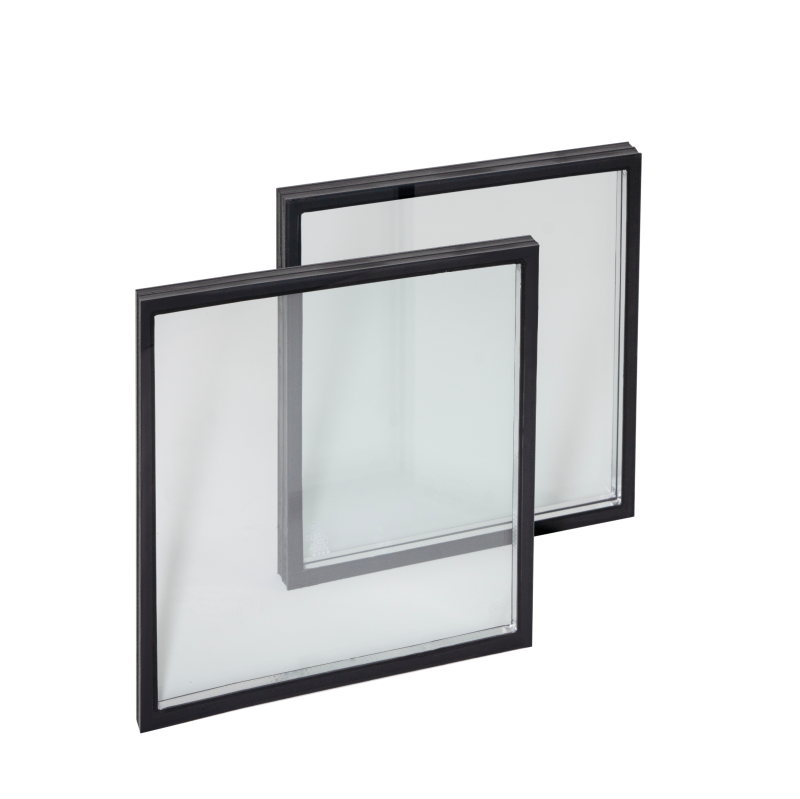
LOW-E glass is highly versatile in application and configuration. It is widely used in various building types, including residential buildings (apartments, villas), office towers, high-end commercial complexes (hotels, shopping centers), and public facilities (libraries, hospitals). To maximize its thermal performance, it is often combined with insulating glass units—consisting of two or three glass panes separated by a sealed air or gas-filled cavity. This combination amplifies heat insulation and soundproofing effects, creating a more comfortable indoor environment with reduced noise transmission from the outside. Additionally, LOW-E glass is available in three coating types to cater to different climate zones and energy-saving requirements: single-silver, double-silver, and triple-silver. The energy-saving performance increases progressively with the number of silver layers: single-silver LOW-E glass meets basic energy efficiency standards, double-silver variants offer enhanced heat insulation for moderate climates, and triple-silver LOW-E glass provides the highest level of energy savings, ideal for extreme hot or cold regions and buildings with strict energy efficiency targets. For B-end clients with customized needs, we can provide personalized coating solutions according to different climate characteristics and project requirements.
As the demand for green, energy-efficient buildings continues to grow, LOW-E glass has become a core material in sustainable architectural design. It complies with international energy-saving standards and green building certifications (such as LEED, BREEAM), helping projects achieve higher sustainability ratings. Its ability to reduce energy consumption, lower carbon footprints, and enhance indoor comfort makes it a cost-effective investment for developers, building owners, and occupants alike—delivering long-term savings on utility bills while contributing to a healthier planet. For B-end partners, we provide comprehensive after-sales support including on-site installation guidance, product maintenance training and long-term quality tracking services to ensure the stable operation of energy-saving systems.
In summary, LOW-E glass is a high-performance, multi-functional material that merges energy efficiency, optical clarity, UV protection, and aesthetic versatility. Its ability to balance winter heat preservation and summer heat insulation, combined with low light pollution and furniture protection, makes it the ideal choice for modern buildings seeking to reduce energy usage without compromising on comfort or style. Whether used in residential, commercial, or public projects, LOW-E glass stands as a testament to how innovative materials can transform architecture—creating spaces that are both environmentally responsible and human-centric. For B-end partners, we are committed to establishing long-term cooperative relationships, providing personalized solutions and efficient supply chain support to help clients enhance project safety standards and reduce overall construction costs.
Product Specifications
Core Specifications
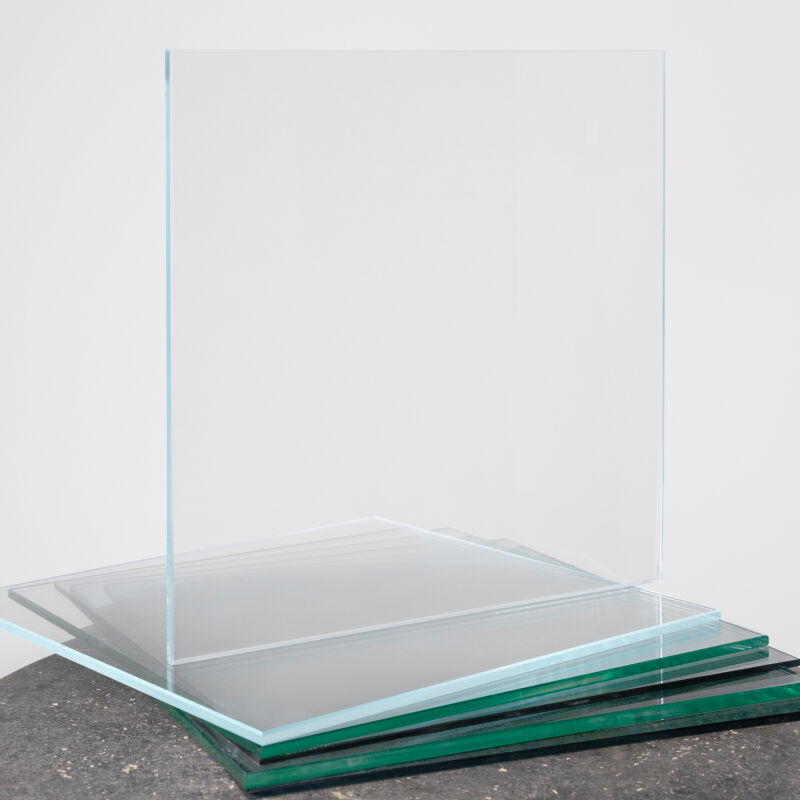
·Substrate: Float glass / Ultra-clear glass
·Thickness: 4mm, 5mm, 6mm, 8mm
·Transmittance options: High-transparency type (≥70%), medium-transparency type (40%-60%)
·Coating types: Single-silver / Double-silver / Triple-silver
Performance Highlights
·High energy-saving level
·Ultraviolet protection: ≥99% blocking rate
·Low light pollution
·Adjustable solar heat gain coefficient
·Transparent and modern appearance
B-end Exclusive Support
·Minimum Order Quantity (MOQ): Negotiable based on project scale and customization requirements
·Lead Time: Customized according to order volume, with priority delivery for key projects
·Technical Services: Free pre-sales energy efficiency consultation, on-site installation guidance, after-sales quality warranty
·Customization Capability: Support non-standard size cutting, special shape processing and functional coating customization

Shanghai Montag Technology Co., Ltd. provides high-performance photovoltaic glass, architectural glass, and special glass for global solar and construction industries. Ultra-clear float & patterned glass (550 MT/day), vertically integrated production, ISO-certified quality. Partner with us for carbon-neutral solutions.
Building 4, Floors 1-2, No. 1628 Lizheng Road, Lingang New Area, China (Shanghai) Free Trade Zone
Copyright © 2026 Shanghai Montege Technology Co., Ltd. All rights reserved. Privacy Policy
 EN
EN