Adjectives:BuildingCurtainWall、CommercialBuildings、HeatReflectiveGlass、EnergySavingGlass、DecorativeGlass、PrivacyGlass、SolarControlGlass、B2BProjectSupply、BulkCoatedGlass、CommercialArchitecturePartner
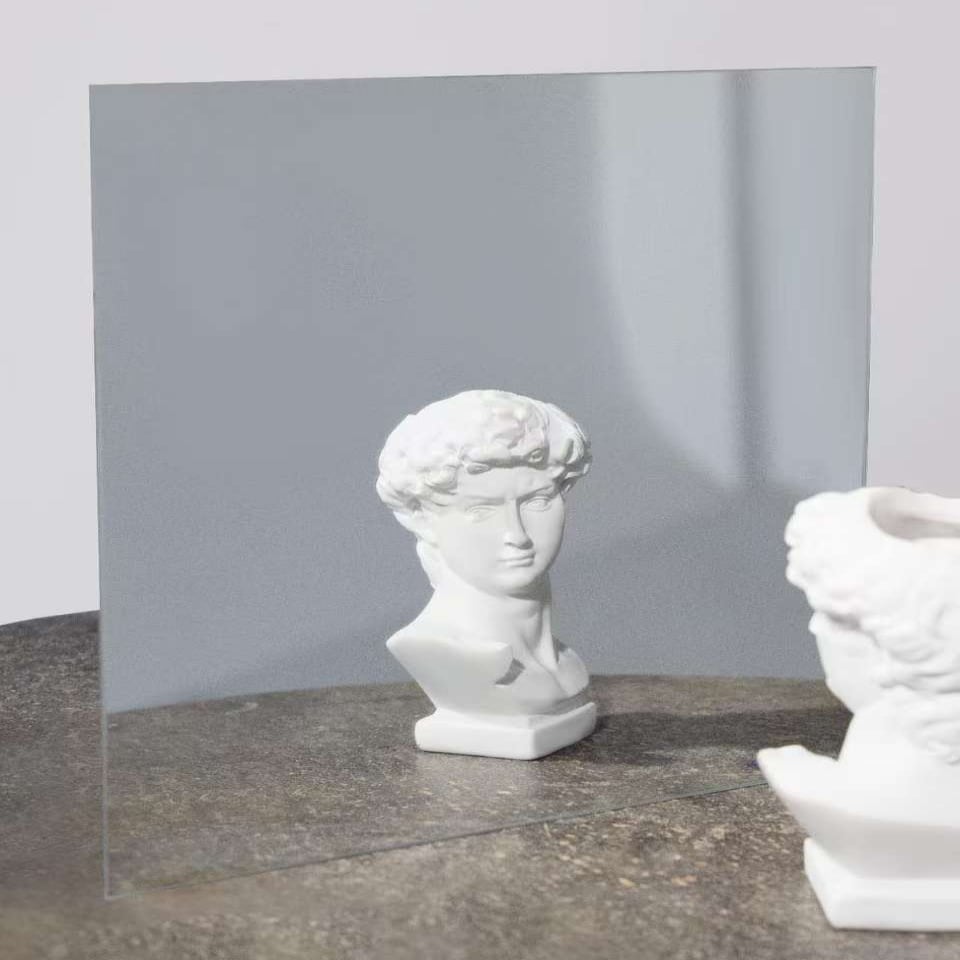
Reflective glass — also known as heat reflective coated glass or solar control reflective glass — is a high-performance functional glass designed by depositing metallic or metal oxide thin films onto float glass substrate. Its core functions are threefold: efficiently reflecting solar radiant heat for summer insulation and energy savings, enhancing building aesthetics through its sleek decorative appearance, and providing reliable privacy protection. Unlike ordinary glass that freely transmits heat and light, this coated glass acts as an intelligent "thermal filter," balancing energy efficiency with visual appeal. It is particularly suited for hot climate regions and buildings requiring optimized cooling performance and modern styling, making it a popular choice for commercial curtain walls, premium residential buildings, and large-area glazing.
MONTAG supplies heat reflective coated glass in thicknesses from 4mm to 8mm, with colors including gray, silver, gold, bronze, and blue. Manufactured through vacuum magnetron sputtering technology. Serving building contractors, architectural design firms, commercial real estate developers, and green building project integrators worldwide.
Certified to applicable international standards — [view certificates](/about-us#certifications)
Heat reflective coated glass stands out as a versatile solution for energy-efficient and decorative architectural design, leveraging advanced coating technology to redefine how glass interacts with sunlight. At its core is the vacuum magnetron sputtering process — a precise method that deposits complex multi-layer thin films onto float glass. Multiple layers of specialized metals (such as aluminum, silver, or chromium) or metal oxides are deposited onto the glass surface, creating a multi-layer film structure designed to act as a selective "sieve" that differentiates between components of sunlight to provide targeted performance.
For B2B project requirements, our technical team provides professional Solar Heat Gain Coefficient (SHGC) assessments and recommends the most cost-effective product configuration based on the project's climate adaptability and design specifications.
Key characteristics of heat reflective coated glass:
Property |
Specification |
Substrate |
Premium float glass |
Thickness |
4mm, 5mm, 6mm, 8mm (tolerance ±0.2mm) |
Standard sizes |
1830×2440mm, 2134×3050mm (max 2440×3660mm, custom cutting available) |
Coating technology |
Vacuum magnetron sputtering (multi-layer metallic/metal oxide deposition) |
Colors |
Gray, silver, gold, bronze, blue (custom colors available) |
Solar Heat Gain Coefficient (SHGC) |
Low — significantly reduces solar heat gain |
Shading coefficient |
Low — reduces direct solar radiation transmission |
Visible light transmittance |
Moderate — lower than clear glass due to reflective coating |
Weather resistance |
Excellent — UV and environmental exposure resistant |
Appearance |
Mirror-like reflective surface |
Edge work |
Smooth ground, polished, or beveled (customizable) |
These specifications translate directly to building performance outcomes: the low SHGC means that a significant portion of solar infrared radiation is reflected away from the building, reducing air conditioning system load and lowering energy consumption during hot seasons. For commercial projects in hot climate regions, this energy-saving performance can reduce long-term operating costs substantially. The mirror-like appearance simultaneously enhances building aesthetics and provides daytime privacy — a dual benefit that improves both the building's market value and occupant comfort.
Thickness |
Typical Applications |
4mm |
Residential windows, decorative panels, small-scale glazing in temperate climates |
5mm |
Commercial windows, residential curtain walls, hotel facades |
6mm |
Commercial curtain walls, office building facades, large windows |
8mm |
Large commercial curtain walls, skyscraper glazing, high-end architectural feature walls |
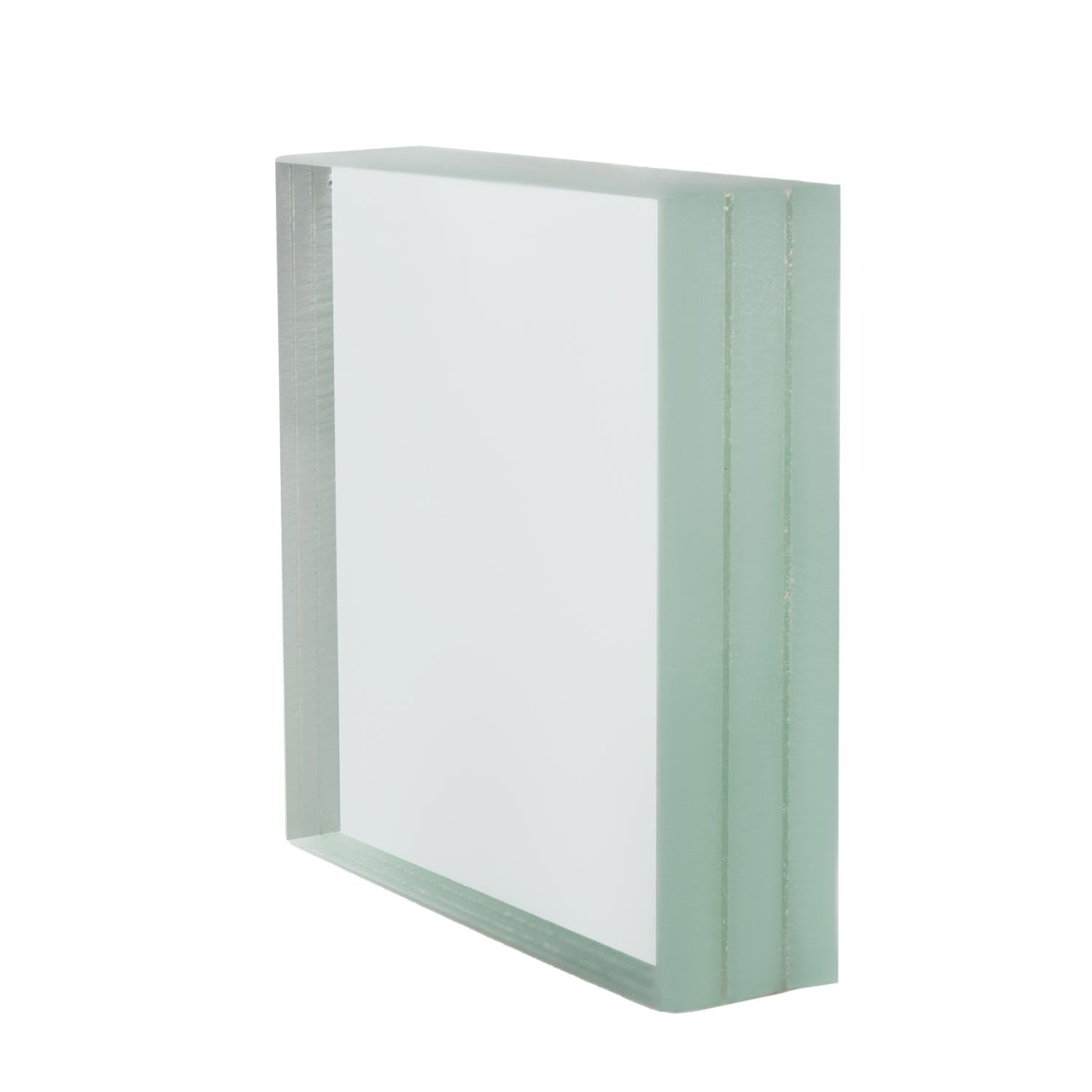
This thickness range covers most commercial and residential architectural applications. For projects requiring enhanced thermal insulation, reflective coated glass can be assembled into insulating glass units (IGUs) — see our insulating glass products for composite structure details. For applications requiring safety certification, reflective glass can also be tempered or laminated.
Solar control reflective glass offers a range of fashionable colors to complement diverse architectural styles and design visions:
For B2B clients with custom color requirements, our coating R&D team can develop exclusive color formulations matched to project design palettes, helping clients achieve unique architectural branding.
The primary advantage of heat reflective coated glass lies in its exceptional solar heat control capability. It selectively reflects infrared radiation — the primary carrier of heat in sunlight — while allowing a portion of visible light to pass through. This results in a low Solar Heat Gain Coefficient (SHGC), the key metric for evaluating solar heat transfer. By significantly blocking outdoor heat from penetrating the building, the glass reduces air conditioning system load, decreases energy consumption, and lowers utility costs during hot seasons.
Beyond energy efficiency, reflective glass excels in aesthetics and privacy:
While heat reflective coated glass offers significant advantages, it is important to acknowledge its inherent characteristics for informed project specification:
These limitations can be effectively mitigated by processing reflective glass into reflective insulating glass units (IGUs). This composite structure combines coated glass with a second glass layer, separated by a sealed air or gas-filled cavity. The result is enhanced thermal and acoustic insulation performance, while the internal placement of the coating protects it from oxidation, abrasion, and environmental damage — extending the glass's service life. For B2B clients with comprehensive performance requirements, we offer integrated reflective insulating glass customization and installation solutions.
When selecting heat reflective coated glass, consider climate, building orientation, and design objectives:
For B2B clients, our technical team provides professional selection recommendations based on specific project conditions, climate data, and energy efficiency targets.
Beyond standard reflective coated glass, we offer:
The applications of heat reflective coated glass are tailored to specific climate and design requirements. It is most effective in hot climate regions where cooling energy savings are a priority:
Project Examples:
Commercial office tower — 6mm gray reflective coated glass curtain wall for a 25-story building in a tropical climate, 35% reduction in air conditioning load compared to clear glass.
Luxury hotel chain — 8mm bronze reflective glass for 5 properties across Middle East locations, combining daytime privacy with warm architectural identity.
Shopping center — 6mm silver reflective IGU units for a large retail complex, achieving energy efficiency targets while maintaining bright interior lighting.
For applications requiring enhanced thermal insulation, see our insulating glass products. For safety-critical applications, reflective glass can be tempered — see our tempered glass product line.
Item |
Details |
Minimum order quantity |
Negotiable based on project scale and customization requirements |
Lead time |
Customized by order volume; priority delivery for key projects |
Pricing |
Tiered bulk pricing — larger orders receive lower per-unit cost; custom colors and IGU assembly have premium surcharge |
Customization |
Non-standard size cutting, special color development, functional coating customization, IGU/tempered/laminated composite processing |
Technical service |
Free pre-sales energy efficiency consulting, SHGC assessment, on-site installation guidance, post-sale quality warranty |
Quality certification |
ISO 9001, CCC compliant; suitable for commercial project acceptance and green building certification |
Proper installation and maintenance preserve the performance and appearance of reflective coated glass:
What is the difference between reflective coated glass and Low-E glass?
Reflective coated glass (solar control glass) primarily reflects solar infrared heat to reduce building cooling load, with a mirror-like appearance. Low-E (low-emissivity) glass primarily reduces heat transfer through the glass by reflecting long-wave infrared radiation, retaining indoor heat in winter and blocking outdoor heat in summer. Reflective glass emphasizes solar heat rejection and aesthetics; Low-E glass emphasizes year-round thermal insulation. Both can be combined in insulating glass units for comprehensive energy performance.
What is SHGC and why does it matter?
SHGC (Solar Heat Gain Coefficient) measures how much solar radiation passes through the glass as heat. A lower SHGC means less solar heat enters the building. For buildings in hot climates, low SHGC glass reduces air conditioning load and energy costs. For buildings in cold climates, higher SHGC may be preferred for passive solar heating. Our reflective coated glass achieves low SHGC values — contact us for specific performance data based on coating type and color.
Can people see inside during the day?
No. During daytime, when outdoor light is stronger than indoor light, the reflective coating creates a one-way vision effect — observers outside see only a mirror-like reflection, while indoor occupants can clearly see outside. However, at night when indoor lights are on and outdoor light is dim, the effect reverses — people outside can see in. For 24-hour privacy, curtains or blinds are recommended for nighttime use.
What colors are available and how do they differ?
Standard colors include gray, silver, gold, bronze, and blue. Darker tones (gray, bronze) generally provide better solar heat rejection but lower visible light transmittance, resulting in dimmer interiors. Lighter colors (silver) offer brighter interiors with slightly lower heat rejection. Color choice should balance energy efficiency, interior lighting needs, and architectural design vision. Custom colors are available for B2B clients with specific design requirements.
Can reflective glass be tempered or laminated?
Yes. Reflective coated glass can be processed into tempered reflective glass (for safety certification) or laminated reflective glass (for sound insulation and security). It can also be assembled into insulating glass units (IGUs) for enhanced thermal performance. These composite options allow reflective glass to meet safety, acoustic, and energy efficiency requirements simultaneously.
Does the reflective coating wear off over time?
The vacuum sputtered coating is permanently bonded to the glass surface and does not wear off under normal conditions. However, when used as monolithic (single-pane) glass, the coated surface is exposed to environmental factors. For maximum coating longevity, we recommend using reflective glass in insulating glass units where the coating faces the sealed cavity, protecting it from oxidation, abrasion, and environmental damage.
Need a quote for your project?
Send us your energy efficiency targets or design specifications — our team responds within 24 hours with pricing, lead time, and technical recommendations.

Shanghai Montag Technology Co., Ltd. provides high-performance photovoltaic glass, architectural glass, and special glass for global solar and construction industries. Ultra-clear float & patterned glass (550 MT/day), vertically integrated production, ISO-certified quality. Partner with us for carbon-neutral solutions.
Building 4, Floors 1-2, No. 1628 Lizheng Road, Lingang New Area, China (Shanghai) Free Trade Zone
Copyright © 2026 Shanghai Montag Technology Co., Ltd. All rights reserved. Privacy Policy
 EN
EN