Adjectives:DeepProcessingSubstrate、BuildingDoorsAndWindows、BasicGlassMaterial、BasicFloatGlass、FlatSurfaceGlass、CostEffectiveGlass、VersatileRawGlass、B2BBulkSupply、IndustrialGlassSolution、ManufacturingPartner
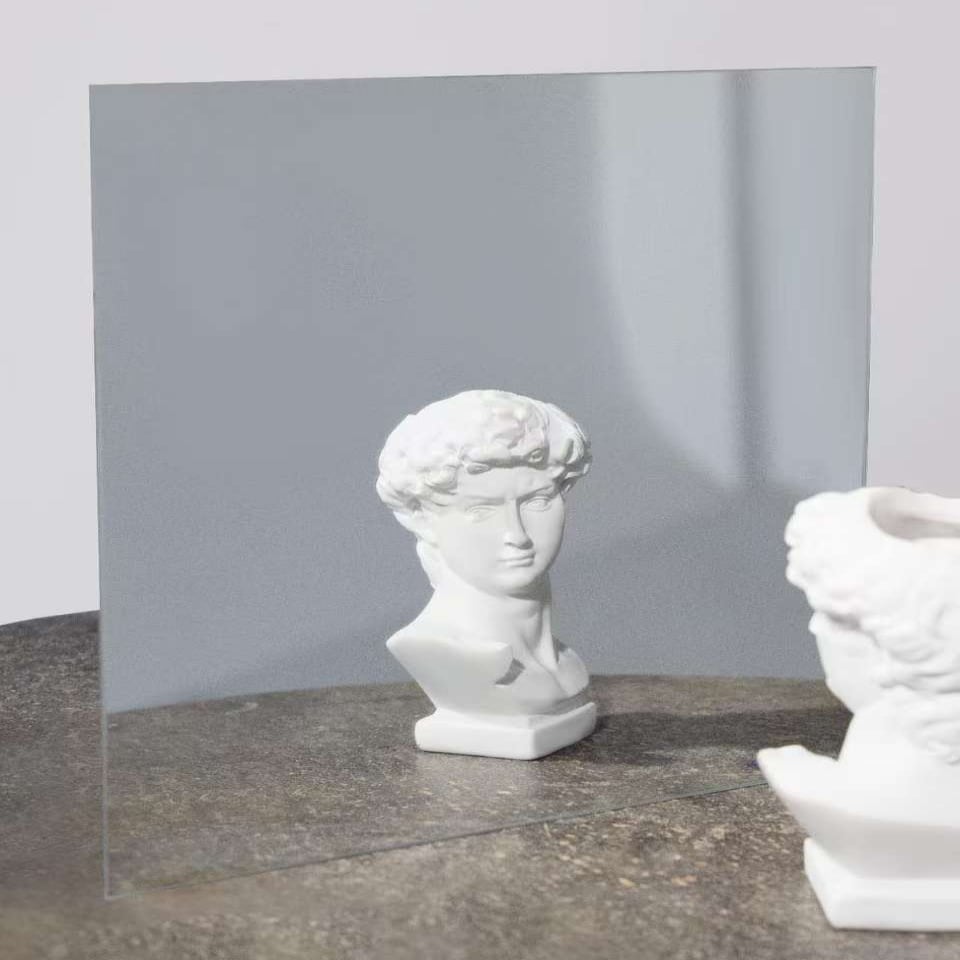
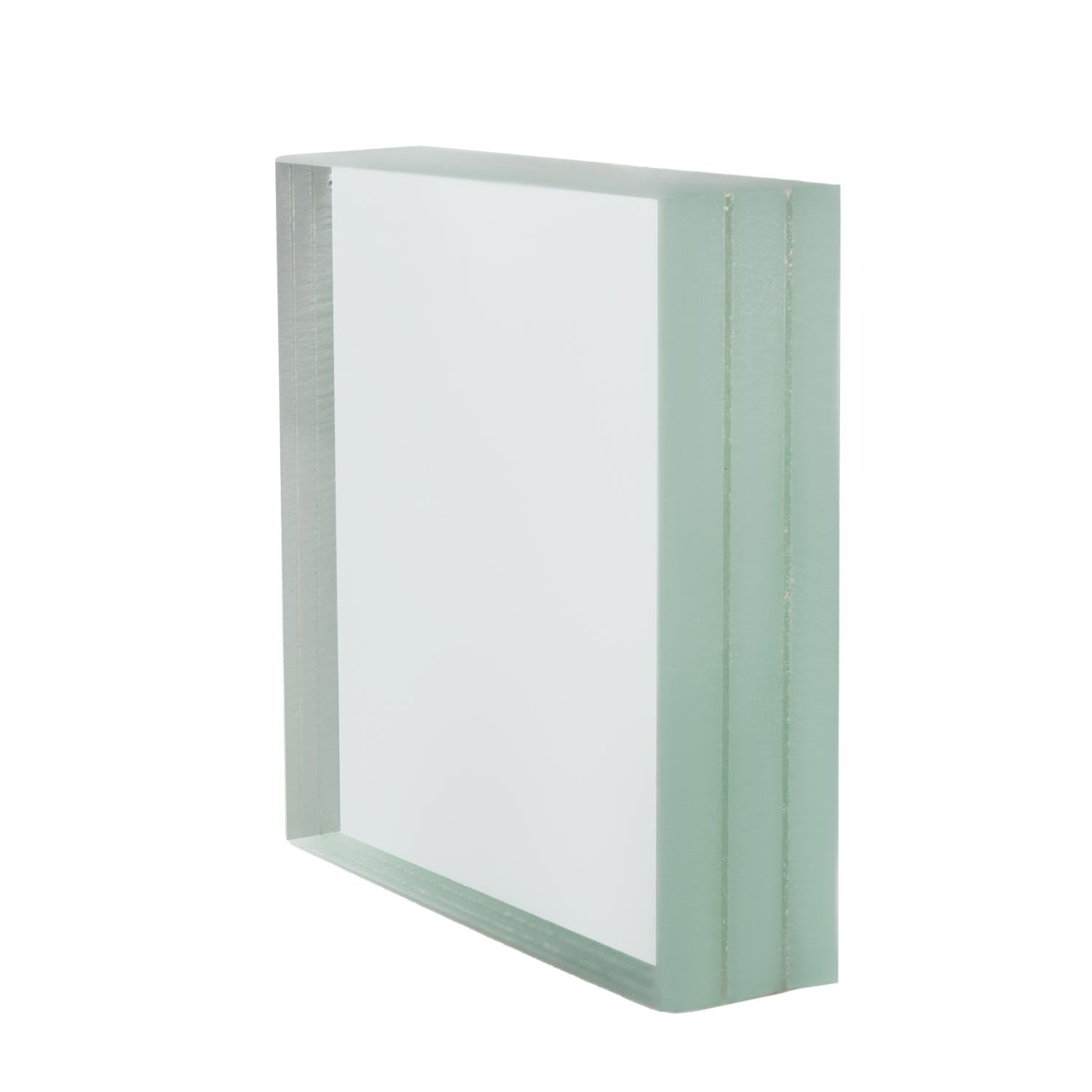
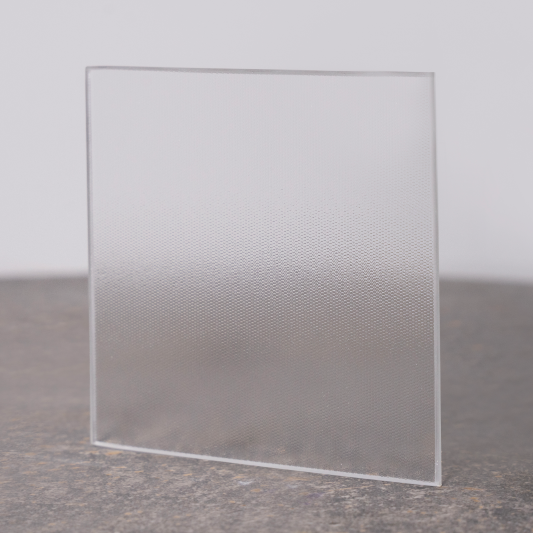
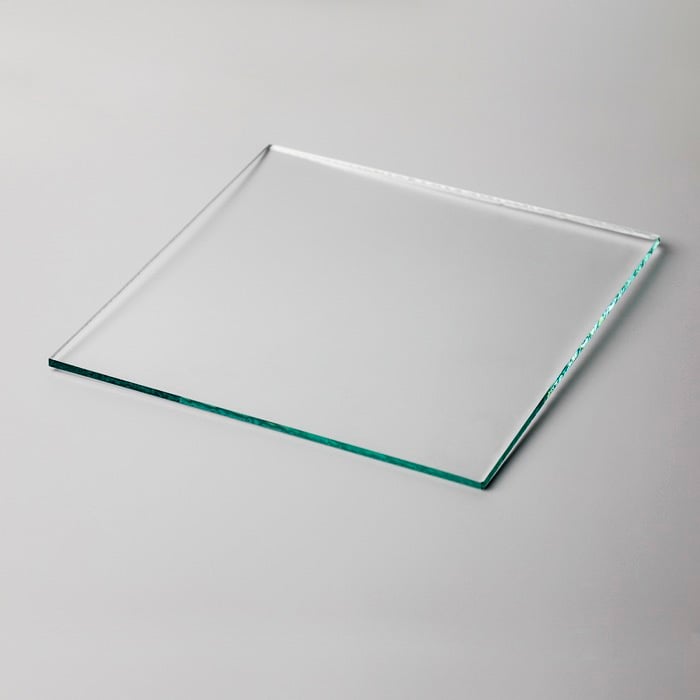
Ordinary float glass — also known as clear float glass or annealed glass — is the foundational flat glass product manufactured through the advanced float process. Renowned for its exceptionally flat surface, uniform thickness, and reliable optical performance, it serves as the primary substrate for all types of further-processed glass. Compared to specialized functional glass, its strength lies in versatility and adaptability — like a blank canvas, it can be transformed through tempering, lamination, coating, or insulation to meet diverse performance requirements.
MONTAG supplies ordinary float glass in thicknesses from 1.6mm to 25mm, with standard sizes including 1830×2440mm and 2134×3050mm (maximum 6000×3200mm). All products undergo strict quality control with uniform chemical composition and consistent optical clarity. Serving deep-processing manufacturers, building material distributors, and industrial product manufacturers worldwide.
Certified to applicable international standards — [view certificates](/about-us#certifications)
Ordinary float glass is the backbone of the glass industry, born from the revolutionary float process that redefined flat glass manufacturing. The principle is elegantly simple yet technically precise: molten glass (heated to approximately 1500°C) is continuously poured onto the surface of molten tin in a sealed furnace. Due to the high density and flatness of molten tin, the glass spreads evenly, forming a naturally smooth, flat surface without the need for grinding or polishing. This process ensures exceptionally flat and smooth surfaces with no optical distortion — objects viewed through the glass retain their true shapes and proportions without blurring or warping.
As a fundamental glass material, ordinary float glass features uniform chemical composition (primarily silica, with small amounts of sodium oxide, calcium oxide, and other additives) and stable quality. Strict quality control during production ensures consistent thickness, density, and transparency across every glass sheet, minimizing defects such as bubbles, inclusions, or scratches. For B2B deep-processing manufacturers, this stable optical performance and flat surface directly improve processing efficiency and product yield rates.
Key characteristics of ordinary float glass:
For large-scale projects and batch production clients, our standardized production ensures consistent quality across orders, with flexible specifications to meet diverse manufacturing requirements.
Property |
Specification |
Substrate |
Premium clear float glass (slight green tint) |
Thickness |
1.6mm, 2mm, 3mm, 4mm, 5mm, 6mm, 8mm, 10mm, 12mm, 15mm, 19mm, 25mm (tolerance ±0.2mm for 3–6mm) |
Standard sizes |
1830×2440mm, 2134×3050mm (max 6000×3200mm, custom cutting available) |
Light transmittance |
89%–90% |
Thickness tolerance |
±0.2mm (3–6mm) |
Dimension tolerance |
±2mm (≤3000mm) |
Color |
Clear white glass (slight green tint characteristic of standard float glass) |
Production method |
Float process (molten tin bath) |
Edge work |
Smooth ground, polished, or beveled (customizable) |
These specifications translate directly to manufacturing outcomes: consistent flatness and optical quality mean higher cutting yields and fewer rejected panels during downstream processing. At 89–90% light transmittance with ±0.2mm thickness tolerance, ordinary float glass provides the reliable substrate that deep-processing manufacturers need — whether for tempering lines, laminating lines, or coating lines. For high-volume B2B buyers, stable quality across large orders reduces material waste, improves production line efficiency, and lowers overall manufacturing costs.
Thickness |
Typical Applications |
1.6–2mm |
Lightweight decorative panels, film lamination, picture frames, display cases |
3–4mm |
Furniture panels, cabinet doors, picture frames, small appliance panels |
5–6mm |
Architectural windows, doors, furniture tabletops, mirror substrates |
8–10mm |
Large windows, glass railings, shower enclosures (before tempering), shelving |
12–15mm |
Curtain wall substrates, large storefronts, structural decorative elements |
19–25mm |
Heavy industrial applications, large structural components, thick shelving |
This thickness range covers most architectural, furniture, and industrial requirements. For specialized applications requiring safety performance, ordinary float glass can be tempered, laminated, or otherwise processed. For projects requiring enhanced safety, see our tempered glass product line. For sound insulation and UV protection, see our laminated glass products.
While ordinary float glass has relatively basic inherent performance — its strength is limited compared to tempered glass, and it lacks built-in thermal insulation, sound insulation, or safety properties — it excels in compatibility with various deep-processing technologies. This adaptability is its most valuable characteristic, enabling transformation into high-performance glass products for specific needs:
For B2B deep-processing manufacturers, this broad compatibility effectively expands product lines and meets diverse market demands from a single reliable substrate.
Beyond standard clear float glass, we offer:
The applications of ordinary float glass span broadly across architectural, furniture, and industrial sectors:
Project Examples:
Tempering line supply — 5mm clear float glass in 1830×2440mm sheets, monthly volume 200+ tons for a regional tempered glass manufacturer, consistent thickness tolerance ensuring stable tempering furnace performance.
Curtain wall project — 8mm float glass cut to custom sizes for a 15-story commercial building, processed into laminated units on-site for safety compliance.
Furniture export manufacturer — 4mm float glass for wardrobe door panels, just-in-time delivery supporting assembly line production with zero material shortage incidents.
For applications requiring safety certification, see our tempered glass. For sound insulation and security, see our laminated glass. For solar energy applications, see our solar glass.
Item |
Details |
Minimum order quantity |
Negotiable for large-scale deep-processing lines and building material distribution projects |
Lead time |
Flexible production scheduling to match customer manufacturing cycles; short lead time for standard specifications |
Pricing |
Tiered bulk pricing — larger orders receive lower per-unit cost |
Customization |
Special dimensions, thickness customization, batch cutting service, edge processing to specification |
Technical service |
Free product performance testing, deep-processing compatibility analysis, raw material procurement consulting |
Quality certification |
ISO 9001, CCC compliant; suitable for commercial project acceptance and deep-processing input |
Proper storage and handling preserve the quality of float glass before processing:
What is the difference between ordinary float glass and tempered glass?
Ordinary float glass is the base product — flat, clear, and untreated. Tempered glass is produced by heating float glass to approximately 650°C and rapidly cooling it, creating internal compressive stress that makes it 3–5 times stronger and causes it to break into small, safe granules rather than sharp shards. Ordinary float glass is the raw material input for the tempering process.
Why does ordinary float glass have a slight green tint?
The green tint comes from iron oxide impurities naturally present in the silica sand used in glass production. This is normal and does not affect optical performance for most applications. For applications requiring maximum clarity (such as display cases or high-end storefronts), ultra-clear low-iron float glass eliminates the green tint entirely.
Can ordinary float glass be used directly in windows?
Yes, but with limitations. Ordinary float glass can be used in non-safety applications such as picture frames, cabinet doors, or interior windows. For building doors, windows in occupied spaces, and areas requiring safety glazing, building codes typically require tempered or laminated glass. Ordinary float glass is primarily a substrate for further processing rather than an end product for safety-critical applications.
What sizes are available for bulk orders?
Standard sizes include 1830×2440mm and 2134×3050mm, with maximum single-sheet dimensions of 6000×3200mm. Custom cutting to your production line specifications is available. For B2B clients with specialized needs, we offer cut-to-size services to optimize material utilization and reduce waste.
What is the lead time for bulk orders?
Standard specifications have short lead times due to continuous float production. Custom sizes and large-volume orders are scheduled to match your manufacturing cycle. Contact us with your project requirements for a detailed production and delivery timeline.
Need a quote for your project?
Send us your specifications or production requirements — our team responds within 24 hours with pricing, lead time, and technical recommendations.

Shanghai Montag Technology Co., Ltd. provides high-performance photovoltaic glass, architectural glass, and special glass for global solar and construction industries. Ultra-clear float & patterned glass (550 MT/day), vertically integrated production, ISO-certified quality. Partner with us for carbon-neutral solutions.
Building 4, Floors 1-2, No. 1628 Lizheng Road, Lingang New Area, China (Shanghai) Free Trade Zone
Copyright © 2026 Shanghai Montag Technology Co., Ltd. All rights reserved. Privacy Policy
 EN
EN