Adjectives:SolarModuleEncapsulation、SolarPowerPlant、BuildingIntegratedPhotovoltaics(BIPV)、SolarModuleGlass、HighTransmittanceGlass、PhotovoltaicEncapsulation、AntiReflectiveGlass、SelfCleaningGlass、BIPVGlass、B2BSolarSolution、BulkSolarGlassSupply、SolarProjectPartner
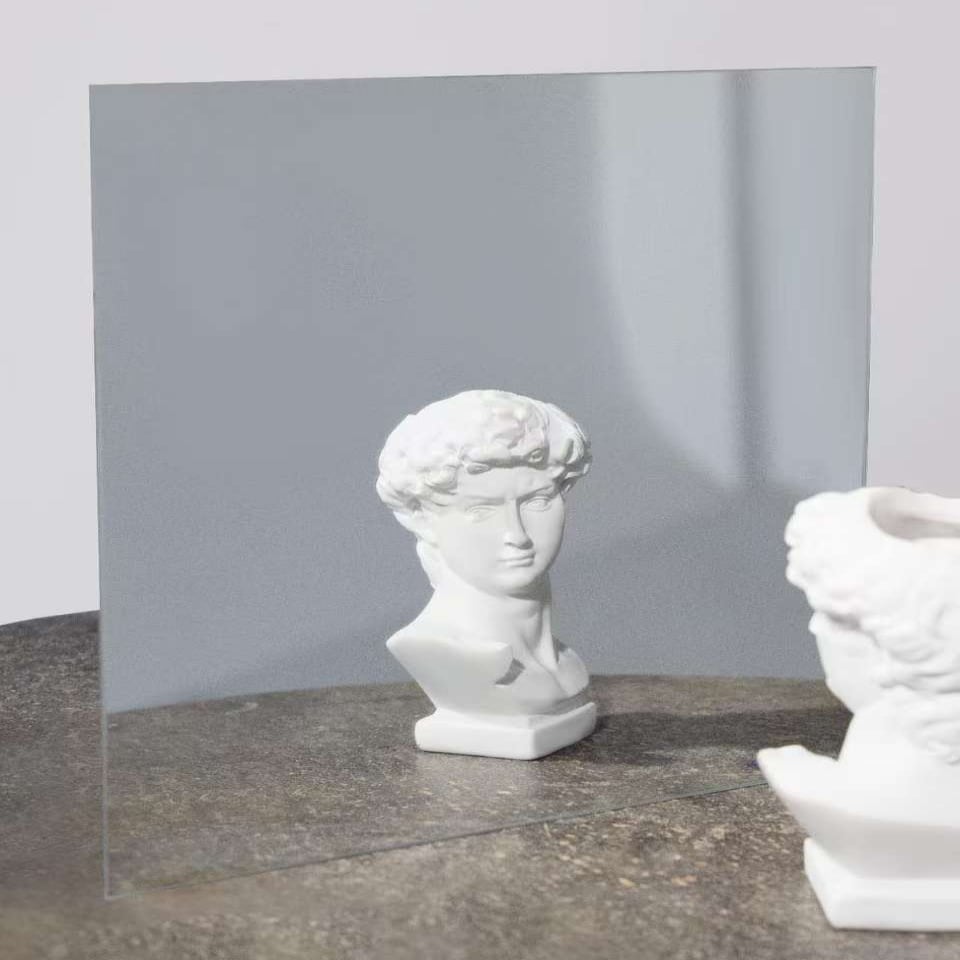
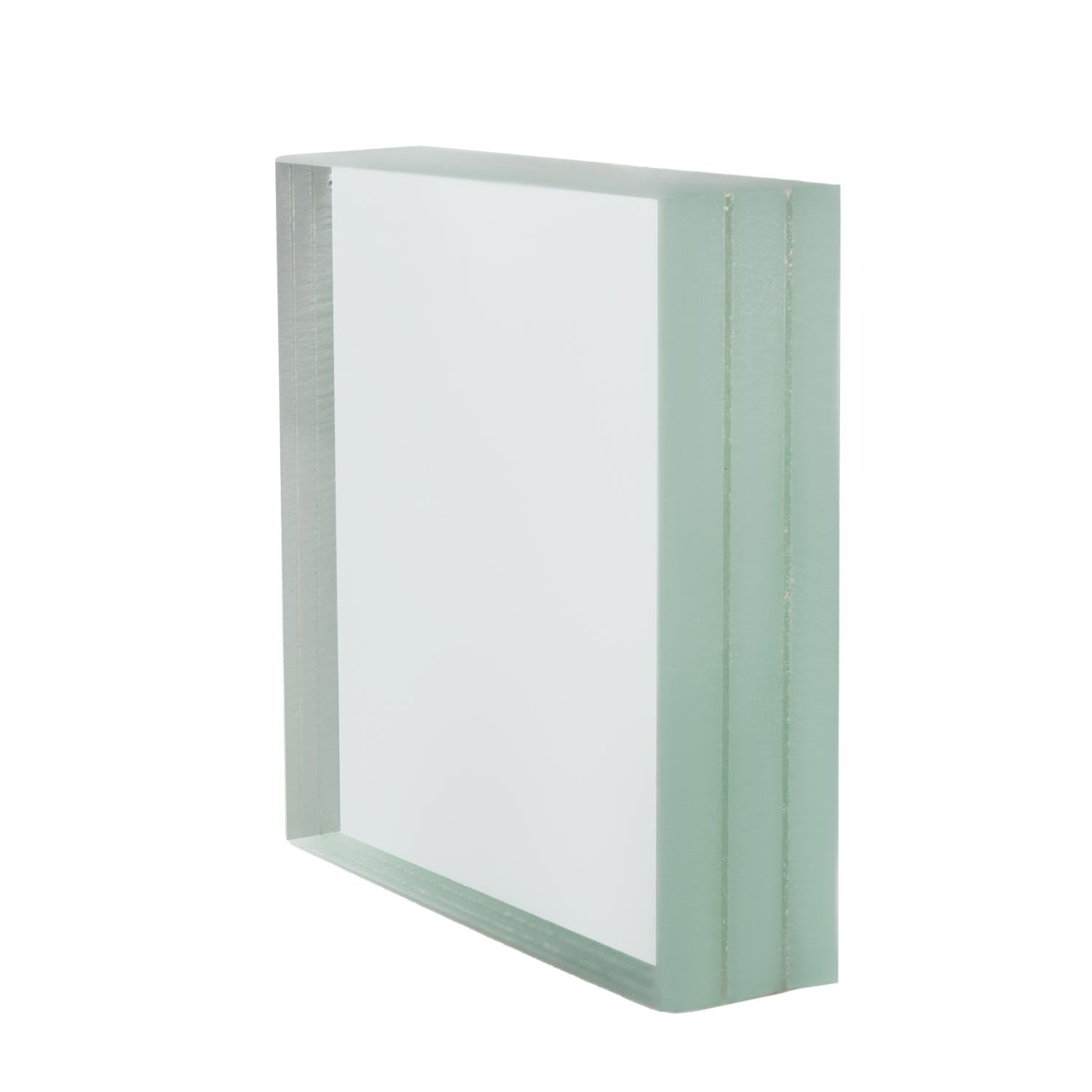
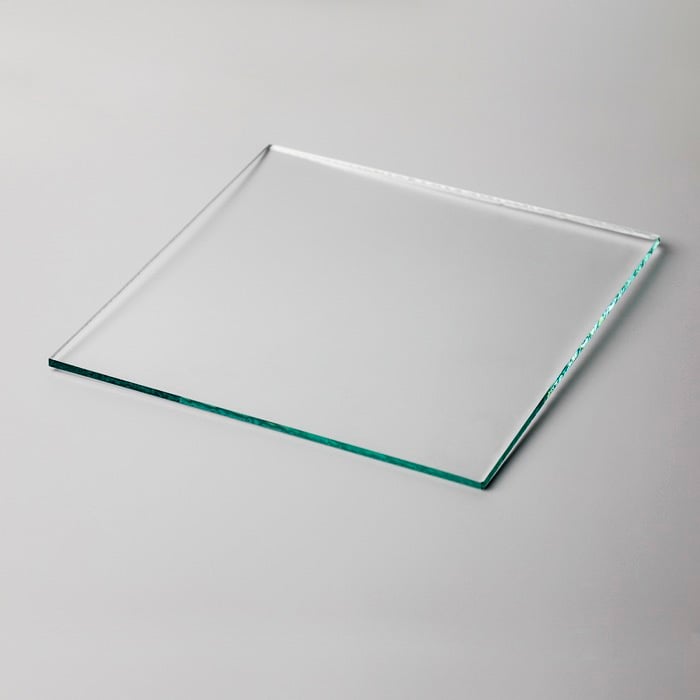
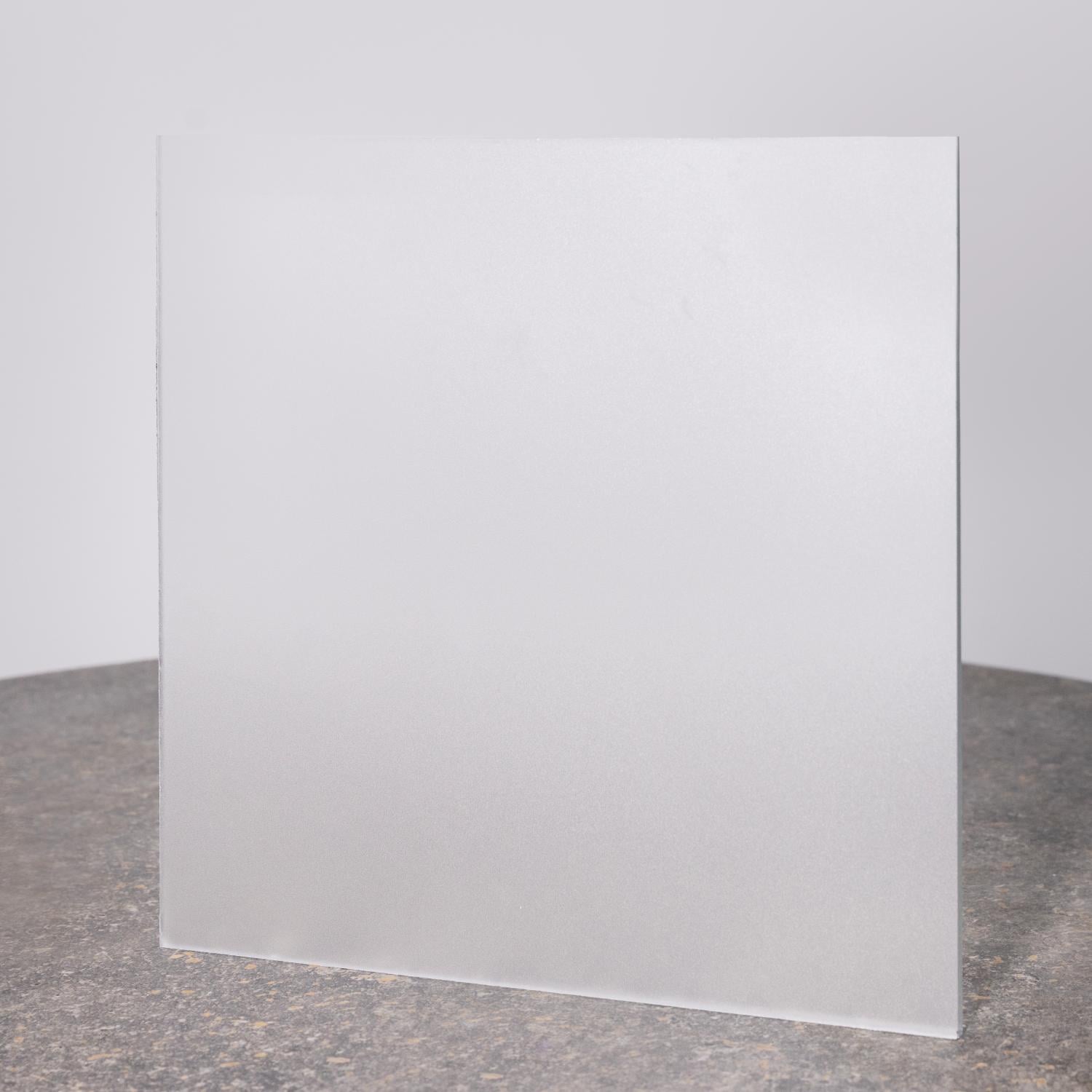
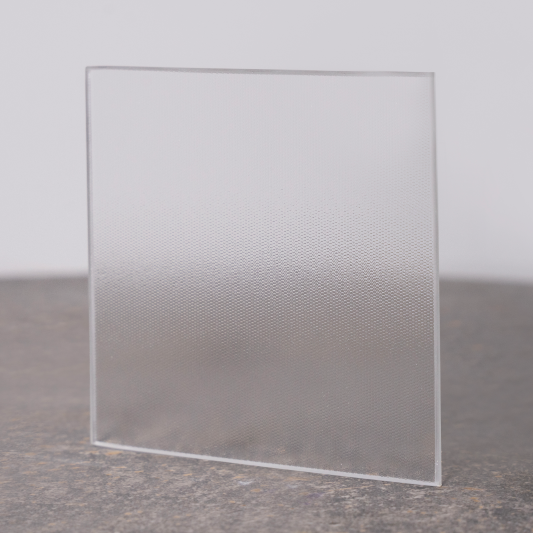
Solar glass — also referred to as photovoltaic glass or PV glass — is a specialized high-transmittance glass engineered for solar cell module encapsulation. Built on an ultra-clear low-iron substrate (iron content ≤150ppm) with patterned surface texturing and optional anti-reflective (AR) coating, it maximizes sunlight penetration while protecting solar cells from environmental stress.
MONTAG supplies photovoltaic patterned glass in 2.0mm–4mm thicknesses, with standard sizes including 1600×1100mm, 1820×1016mm, 2278×1134mm, 2100×1650mm, and 2383×1303mm. Tempered to ≥120MPa bending strength, compatible with monofacial, bifacial, thin-film, and BIPV modules. Certified to IEC 61730 and IEC 61215 standards. Sourced by solar module manufacturers, EPC contractors, and BIPV project developers worldwide.
Certified to applicable international standards — [view certificates](/about-us#certifications)
Photovoltaic solar glass serves as the front cover of solar modules — the component that determines how much sunlight reaches the cells and how well they are protected. It is engineered around three core requirements: maximum light transmittance, structural durability, and long-term weatherability.
The production process combines:
Property |
Specification |
Substrate |
Ultra-clear low-iron glass (iron content ≤150ppm; high-end ≤120ppm) |
Thickness |
2.0mm, 3.2mm, 4.0mm (tolerance ±0.2mm) |
Standard sizes |
1600×1100mm, 1820×1016mm, 2100×1650mm, 2278×1134mm, 2383×1303mm, custom cutting available |
Surface |
Patterned (pyramidal, prismatic, or linear); optional AR coating / self-cleaning coating |
Light transmittance |
≥93.5% (uncoated); ≥96% (with AR coating) |
Tempered bending strength |
≥ 120MPa |
Weather resistance lifespan |
≥ 25 years |
Temperature range |
-40°C to 85°C |
Self-cleaning coating hydrophilic angle |
≤ 15° |
Salt spray test |
No corrosion after extended neutral salt spray exposure |
These specifications directly impact module efficiency and project ROI: every 1% increase in glass transmittance translates to proportional power output gain over the module's 25+ year lifespan. For utility-scale solar farms, the difference between 93.5% and 96% transmittance (with AR coating) compounds into significant revenue over decades of operation — making coating selection a strategic investment decision, not just a cost line item.
Beyond the base low-iron patterned substrate, two advanced coatings further enhance performance:
For B2B clients with site-specific needs, we develop custom coating formulations — for example, enhanced hydrophilic performance for high-humidity coastal areas, or optimized dust-repellent properties for desert regions.
Photovoltaic patterned glass is compatible with multiple solar module technologies and installation scenarios:
Project Examples:
Utility-scale solar farm — 3.2mm patterned glass with AR coating for 500MW ground-mount installation, 25-year performance guarantee with zero glass-related failures.
BIPV facade project — 4mm custom-patterned solar glass integrated into a commercial building envelope, combining 93.5% transmittance with architectural aesthetics.
Bifacial module production line — 3.2mm ultra-clear tempered glass supplied in bulk to a Tier-1 module manufacturer, IEC 61730 certified for global export.
For BIPV projects requiring multi-layer safety glazing, our laminated glass products offer PVB/SGP interlayer solutions. For other architectural glass needs, our tempered glass and aluminum mirror product lines cover complementary applications.
Solar glass works in tandem with encapsulant films (EVA or POE) and backsheets to form a fully sealed environment around solar cells. This structure prevents moisture, dust, oxygen, and corrosive substances from infiltrating the module — a critical factor in maintaining stable power output over the module's 25+ year service life.
Item |
Details |
Minimum order quantity |
Negotiable for large-scale solar module production lines |
Lead time |
Flexible production scheduling to match module manufacturing cycles |
Pricing |
Tiered bulk pricing — larger orders receive lower per-unit cost |
Customization |
Custom pattern development, transmittance adjustment, functional coating customization, special sizes for BIPV projects |
Technical service |
Free coating performance testing, module compatibility analysis, BIPV design consultation, long-term product performance tracking |
Quality certification |
IEC 61730, IEC 61215 compliant; suitable for solar project acceptance worldwide |
What is the difference between solar glass and ordinary glass?
Solar glass uses an ultra-clear low-iron substrate (iron content ≤150ppm) that eliminates the green tint of standard glass, maximizing light transmittance to ≥93.5%. It also features a patterned surface texture that reduces reflection and widens the light acceptance angle, and is tempered to ≥120MPa for structural durability. Ordinary glass cannot achieve the transmittance, strength, or weatherability required for solar module encapsulation.
What thickness of solar glass do I need for solar modules?
2.0mm and 3.2mm are the industry standard for most monocrystalline and polycrystalline PV modules. 4mm is used for bifacial modules, thin-film applications, or projects requiring enhanced mechanical strength. All three thicknesses meet IEC 61730 load requirements.
How much does AR coating improve solar module efficiency?
Anti-reflective coating increases glass transmittance from ≥93.5% (uncoated) to ≥96%. This 2.5% increase in light transmission translates directly to proportional power output gains. Over a 25-year module lifespan, the cumulative energy yield improvement significantly exceeds the coating cost.
Is self-cleaning coating necessary for solar projects?
For solar farms in remote, dusty, or hard-to-reach locations, self-cleaning coating significantly reduces manual cleaning costs and maintains optimal transmittance over time. For rooftop or easily accessible installations, the cost-benefit depends on local soiling conditions. We provide site-specific recommendations based on project location.
What certifications are available?
Our solar glass complies with IEC 61730 (PV module safety) and IEC 61215 (PV module design qualification). Test reports and certificates are provided with each shipment. Products are suitable for solar project acceptance in global markets.
Can solar glass be customized for BIPV projects?
Yes. For BIPV applications, we offer custom pattern designs, transmittance levels, sizes, and even color tints to meet both power generation and architectural aesthetic requirements. Our technical team provides BIPV design consultation and compatibility testing with your module designs.
Need a quote for your solar project?
Send us your module specifications or project requirements — our team responds within 24 hours with pricing, lead time, and technical recommendations.

Shanghai Montag Technology Co., Ltd. provides high-performance photovoltaic glass, architectural glass, and special glass for global solar and construction industries. Ultra-clear float & patterned glass (550 MT/day), vertically integrated production, ISO-certified quality. Partner with us for carbon-neutral solutions.
Building 4, Floors 1-2, No. 1628 Lizheng Road, Lingang New Area, China (Shanghai) Free Trade Zone
Copyright © 2026 Shanghai Montag Technology Co., Ltd. All rights reserved. Privacy Policy
 EN
EN