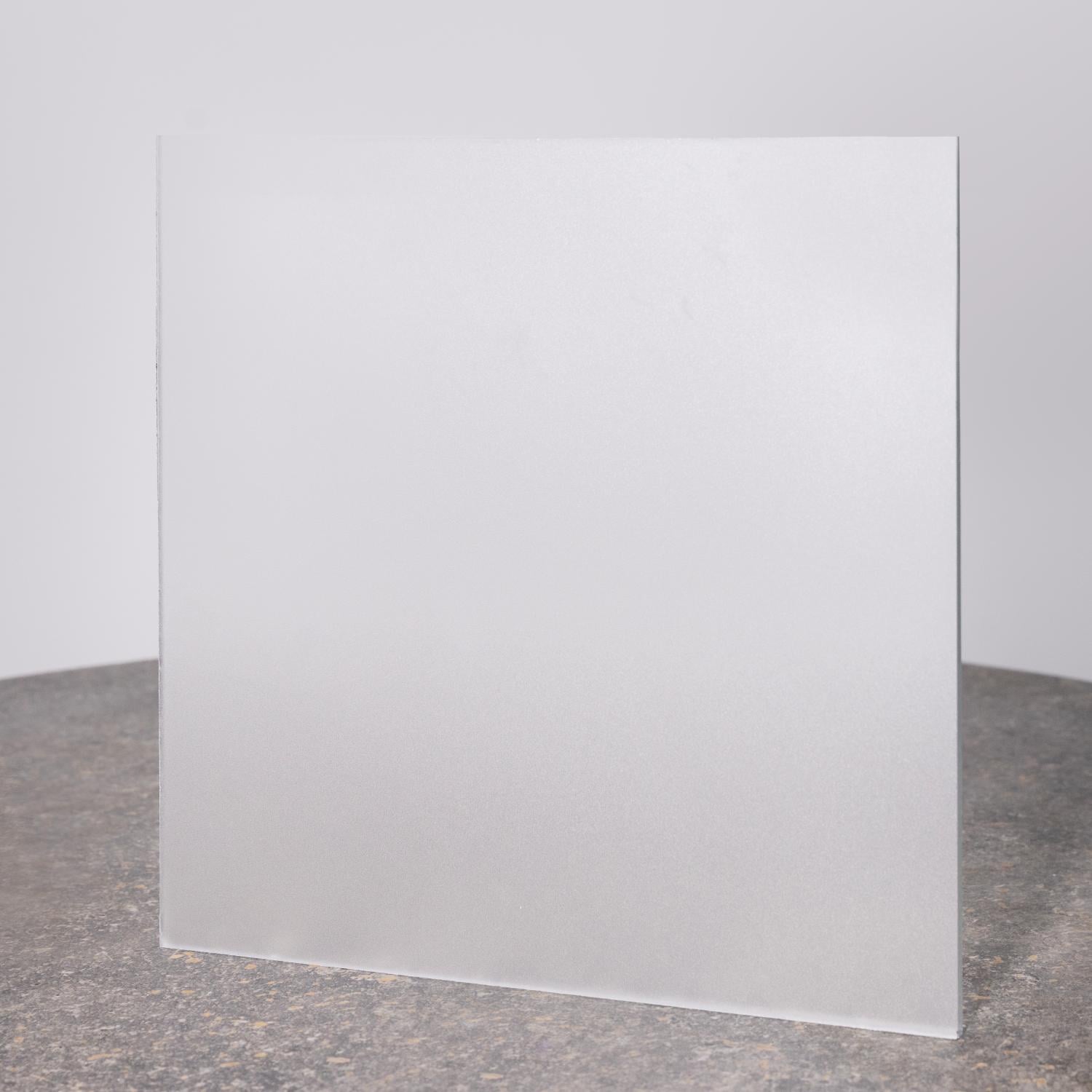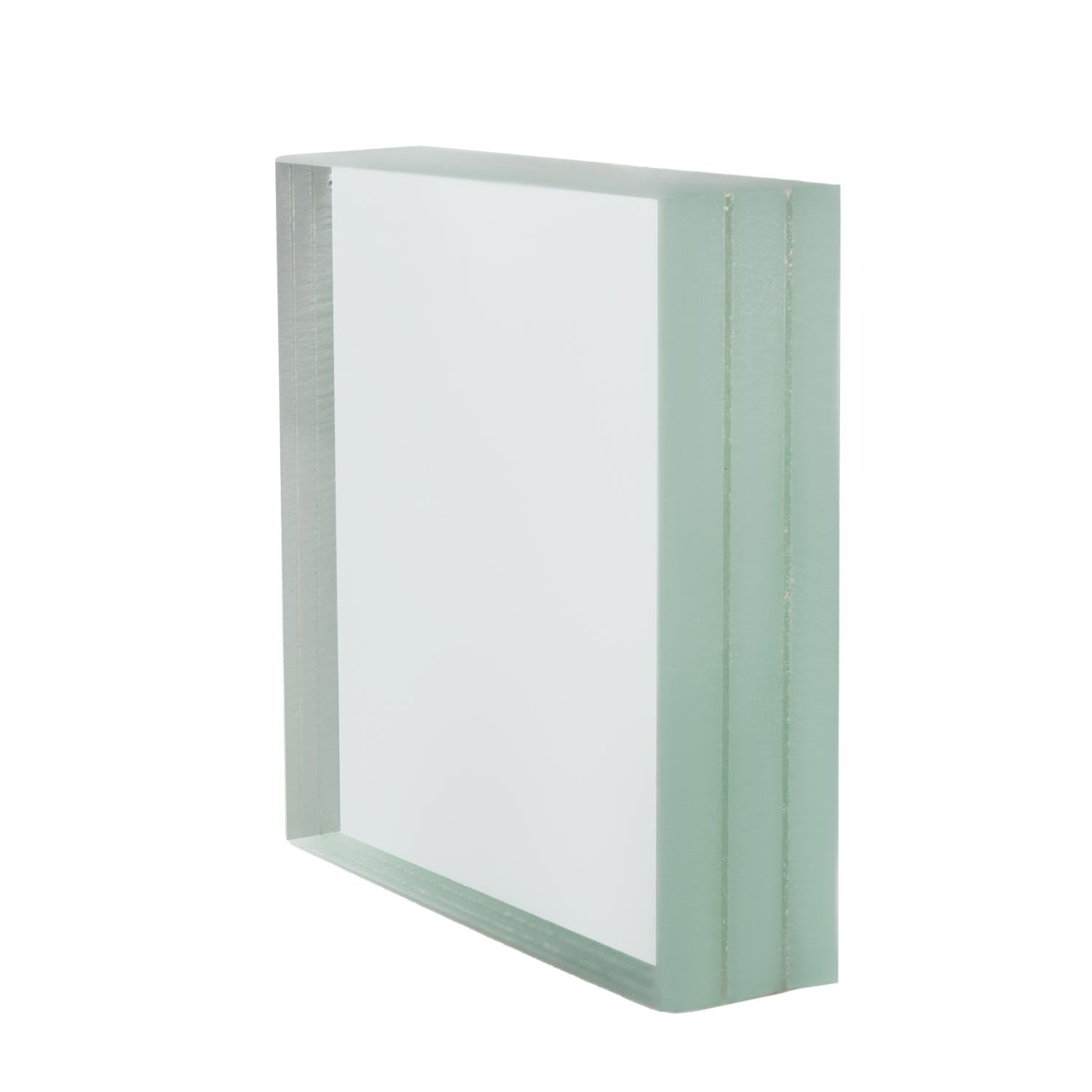
Adjectives:BankCounter、JewelryStoreWindow、SecurityDoorsAndWindows、High-EndBuildingSecurity、HighSecurityGlass、ImpactResistantGlass、BulletproofComposite、SafetyGlass、TransparentProtection、B2BProjectSolutions、BulkCustomizedSupply、CommercialSecurityPartner
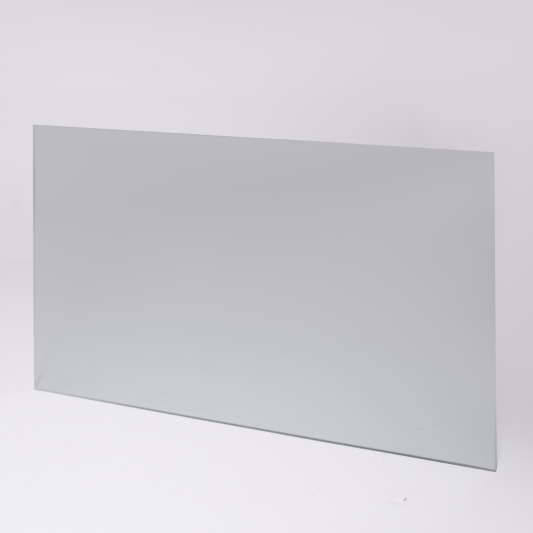
Bulletproof glass — also referred to as ballistic glass, bullet-resistant glass, or armored glass — is a cutting-edge security glass engineered through a precise high-temperature and high-pressure compounding process. It integrates multiple layers of high-strength glass (tempered or float glass) with professional bulletproof films such as PVB (Polyvinyl Butyral) or SGP (SentryGlas Plus). This advanced composite structure delivers exceptional impact resistance and penetration resistance, capable of effectively withstanding bullet attacks of varying calibers while maintaining optimal light transmission. Unlike ordinary glass that shatters upon impact, ballistic glass maintains structural integrity, providing a reliable protective barrier for personnel and property.
MONTAG supplies bulletproof security glass in thicknesses from 12mm to 50mm, with customizable ballistic ratings from Class A (pistol-resistant) to Class C (rifle-resistant). Light transmittance ≥80%, anti-splash fragment retention. Serving construction contractors, security system integrators, commercial property developers, and special vehicle manufacturers worldwide.
Certified to applicable international standards — [view certificates](/about-us#certifications)
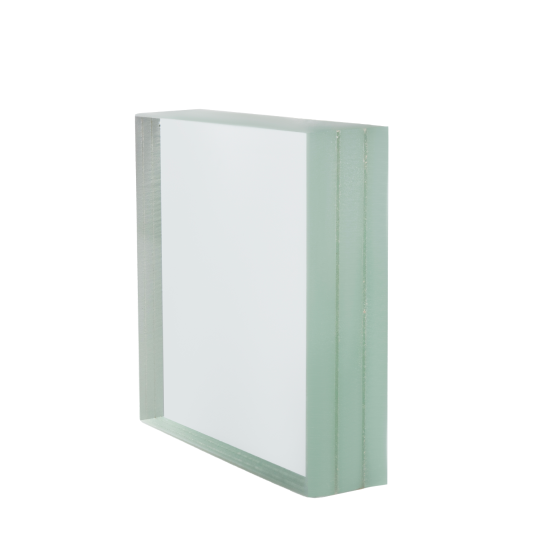
Bulletproof glass achieves its superior security performance through a sophisticated composite structure and rigorous manufacturing process. At its core, it consists of alternating layers of high-strength glass (either tempered glass or float glass) and high-performance bulletproof films, such as PVB or SGP. These components are bonded together under extreme high temperature (typically 120–150°C) and high pressure (1.0–1.5MPa), creating a unified, resilient structure where each layer plays a critical role in absorbing and dissipating impact energy. The glass layers provide rigidity and initial impact resistance, while the bulletproof films act as a flexible buffer, preventing fragmentation and stopping projectiles from penetrating.
A key characteristic of ballistic glass is its scalability in security levels: the number of layers and overall thickness directly correlate with its bulletproof capability. Basic models (2–3 glass layers + 1–2 film layers) with a thickness of 12–20mm can resist small-caliber handgun fire, while high-level security versions (5+ glass layers + 4+ film layers) with a thickness exceeding 40mm can withstand rifle rounds and even high-velocity projectiles. This flexibility allows for customization to meet specific security needs.
Key characteristics of bulletproof security glass:
Property |
Specification |
Substrate |
High-strength tempered glass / Float glass |
Thickness |
12mm–50mm (customized according to ballistic level) |
Composite layers |
3 layers and above (alternate composite of glass + bulletproof film) |
Bulletproof film type |
PVB (standard), SGP (high tear resistance) |
Ballistic rating |
Class A (pistol), Class B (submachine gun), Class C (rifle) |
Light transmittance |
≥ 80% |
Impact resistance |
Excellent — withstands multiple bullet impacts without penetration |
Fragment retention |
Anti-splash — cracked fragments adhere to film, no splash injuries |
Service life |
10–15 years under normal use (PVB/SGP film resists aging and yellowing) |
Max size |
Custom cutting available to project specifications |
Edge work |
Polished, beveled, or arrised (customizable) |
These specifications translate directly to security outcomes: the multi-layer composite structure absorbs and dissipates bullet impact energy layer by layer, while the anti-splash film ensures that even cracked glass fragments remain firmly bonded — eliminating the risk of secondary injury from flying glass. For high-security B2B projects, the scalable ballistic rating system allows precise matching of protection level to threat assessment, avoiding both under-protection (security risk) and over-protection (unnecessary cost). At ≥80% light transmittance, armored glass maintains visual transparency essential for face-to-face interaction at bank counters and merchandise display at jewelry stores.
|
|
|
|
Ballistic Level |
Threat Type |
Thickness |
Typical Applications |
Class A |
Pistol handguns |
12–20mm |
Bank counters, ATM surrounds, retail security |
Class B |
Submachine guns |
20–30mm |
Jewelry store windows, premium retail, embassies |
Class C |
Rifle rounds |
30–50mm+ |
Government buildings, military facilities, armored vehicles |
Ballistic levels are based on industry-standard ratings. For projects requiring specific international certifications (UL 752, EN 1063, or NIJ standards), our technical team provides compliance verification and test reports. Contact us with your security assessment requirements for a customized ballistic level recommendation.
One of the most notable advantages of bulletproof glass is its safety design when under attack. Unlike ordinary glass that shatters into sharp, dangerous shards, ballistic glass retains its fragment integrity — even when the glass layers crack, the fragments adhere tightly to the bulletproof film, eliminating the risk of splashing injuries to people behind the glass.
This anti-splash feature provides three critical safety benefits:
For commercial venues with high passenger flow, this safety performance can effectively reduce post-accident losses and meet the strict safety operation standards of commercial projects.
Compared with ordinary security glass (such as tempered glass or laminated glass), bulletproof glass offers distinct advantages:
Bulletproof glass can be integrated with additional processing technologies to expand its functionality:
Beyond standard bulletproof glass, we offer:
The application scope of bulletproof glass is extensive, covering all scenarios with high-security requirements:
Project Examples:
Bank branch security upgrade — Class A bulletproof glass (20mm) for 15 counter positions across 5 branches, anti-splash fragment retention ensuring teller safety during face-to-face customer interaction.
Jewelry retail chain — Class B ballistic glass (28mm) for display windows across 20+ high-end boutique locations, combining merchandise visibility with armed robbery protection.
Embassy renovation — Class C bulletproof glass (45mm) for perimeter windows and entry doors, integrated with Low-E coating for energy efficiency and UV protection.
For applications requiring enhanced thermal insulation, bulletproof glass can be integrated with insulating glass units. For sound insulation needs, the multi-layer structure inherently provides excellent acoustic performance. See our laminated glass and insulating glass product lines for compatible base materials.
Item |
Details |
Minimum order quantity |
Negotiable based on project scale and customization requirements |
Lead time |
Customized according to order volume; priority delivery for key security projects |
Pricing |
Tiered bulk pricing — larger orders receive lower per-unit cost; higher ballistic levels and custom shapes have premium surcharge |
Customization |
Non-standard size cutting, special shape processing, functional film compounding, ballistic level customization |
Technical service |
Free pre-sales security consultation, ballistic level assessment, on-site installation guidance, after-sales quality warranty |
Quality certification |
ISO 9001, CCC compliant; UL 752 / EN 1063 certifications available upon request; suitable for security project acceptance |
Proper installation and maintenance preserve the ballistic performance and longevity of bulletproof glass:
What is the difference between bulletproof glass and laminated glass?
Standard laminated glass (typically 3+3mm to 8+8mm with PVB/SGP interlayers) provides basic safety — it holds fragments together when broken but cannot stop bullets. Bulletproof glass uses multiple thick glass layers (typically 12–50mm total thickness) with specialized ballistic-grade PVB or SGP films engineered for energy absorption and projectile stopping. The multi-layer structure is designed to absorb and dissipate bullet impact energy layer by layer. Bulletproof glass also undergoes rigorous ballistic testing to certified ratings (Class A/B/C, UL 752, EN 1063).
What ballistic level do I need for my application?
This depends on your threat assessment: Class A (12–20mm) resists pistol handguns — suitable for bank counters and retail security. Class B (20–30mm) resists submachine guns — suitable for jewelry stores and embassies. Class C (30–50mm+) resists rifle rounds — suitable for government buildings, military facilities, and armored vehicles. We recommend conducting a professional security assessment before selecting a ballistic level. Our technical team can provide recommendations based on your project risk profile.
Can bulletproof glass be cut or drilled after manufacturing?
No. All cutting, drilling, and edge processing must be completed during the manufacturing process before the high-temperature, high-pressure lamination. Any post-manufacturing cutting attempts will compromise the structural integrity and ballistic performance. Please provide final dimensions and processing requirements with your order — we complete all fabrication before lamination.
How thick is bulletproof glass?
Thickness varies by ballistic level: Class A (pistol-resistant) is typically 12–20mm, Class B (submachine gun-resistant) is 20–30mm, and Class C (rifle-resistant) is 30–50mm or more. The thickness is determined by the number of glass and film layers required to stop the specified threat. Thicker glass provides higher protection but reduces light transmittance and increases weight — our team helps balance protection level, visibility, and structural requirements.
Does bulletproof glass break when shot?
The glass layers in ballistic glass do crack when shot — this is part of the energy absorption mechanism. However, the critical difference is that the cracked fragments adhere firmly to the PVB/SGP film layer, preventing splash injuries and maintaining the protective barrier. The glass remains structurally intact even after multiple impacts, preventing penetration. This anti-splash fragment retention is the core safety feature that distinguishes bulletproof glass from ordinary glass.
What certifications are available?
Our bulletproof glass complies with ISO 9001 and CCC (China) standards. For international security projects, we can provide products tested to UL 752 (US), EN 1063 (Europe), and NIJ (US National Institute of Justice) standards upon request. Each shipment includes ballistic test reports and certificates. Products are suitable for security project acceptance in global markets. Contact us with your certification requirements.
Need a quote for your security project?
Send us your security assessment or project specifications — our team responds within 24 hours with pricing, lead time, and ballistic level recommendations.

Shanghai Montag Technology Co., Ltd. provides high-performance photovoltaic glass, architectural glass, and special glass for global solar and construction industries. Ultra-clear float & patterned glass (550 MT/day), vertically integrated production, ISO-certified quality. Partner with us for carbon-neutral solutions.
Building 4, Floors 1-2, No. 1628 Lizheng Road, Lingang New Area, China (Shanghai) Free Trade Zone
Copyright © 2026 Shanghai Montag Technology Co., Ltd. All rights reserved. Privacy Policy
 EN
EN