Adjectives:BuildingDoorsAndWindows、Sunroom、BalconyRailGlass、StoreWindow、AutomotiveWindshield、SafetyLaminatedGlass、SoundInsulationGlass、UVProtectionGlass、CompositeSafetyGlass、CurvedLaminatedGlass、B2BProjectSupply、BulkCustomizedGlass、CommercialSafetyPartner
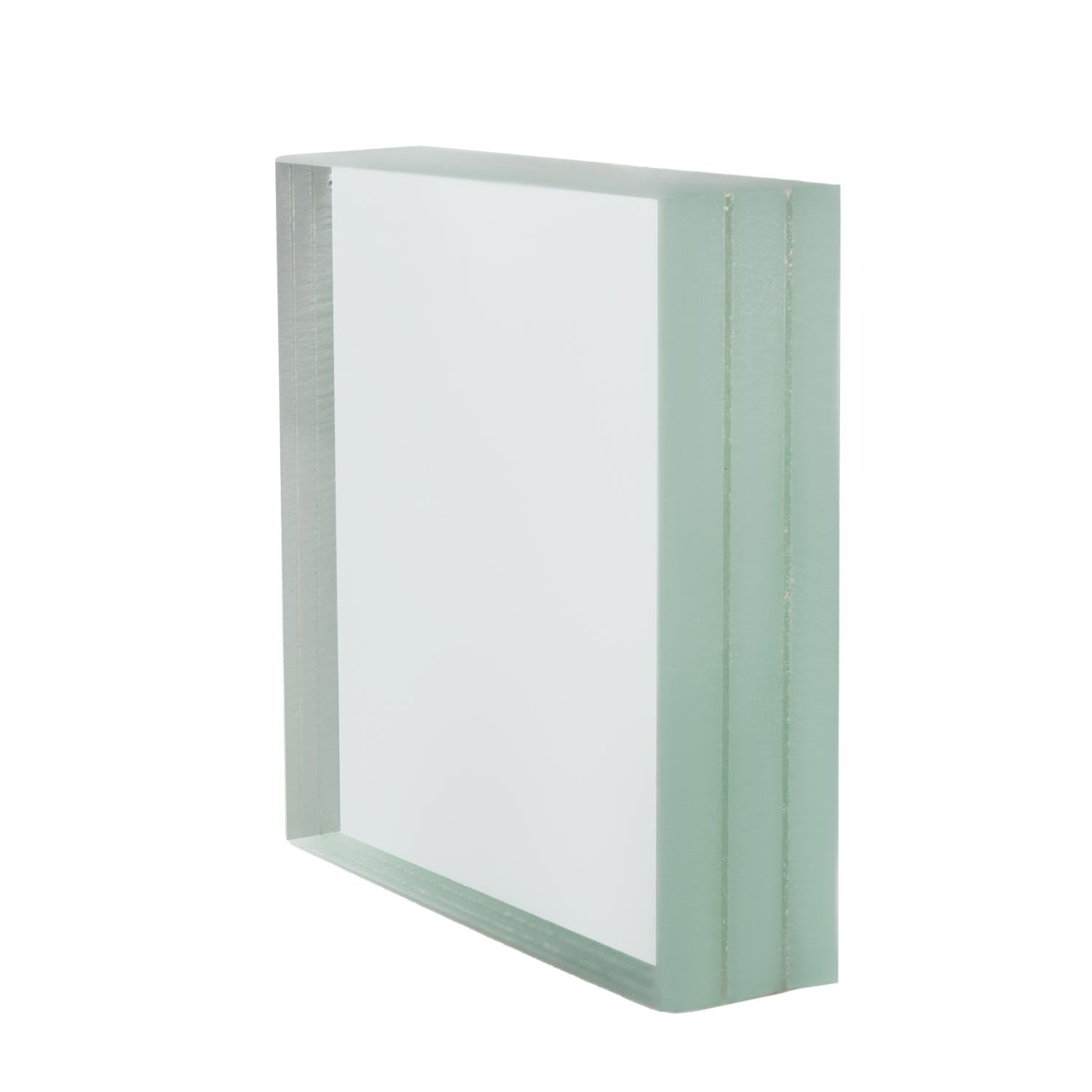
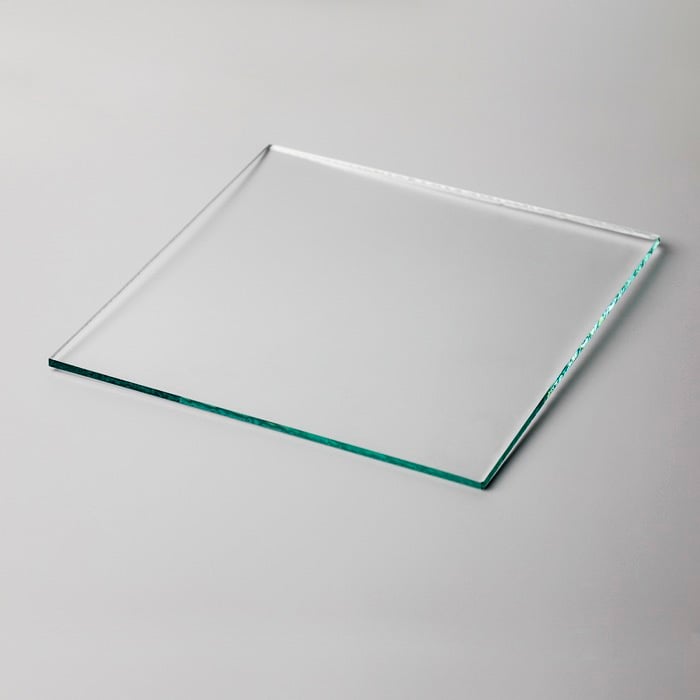
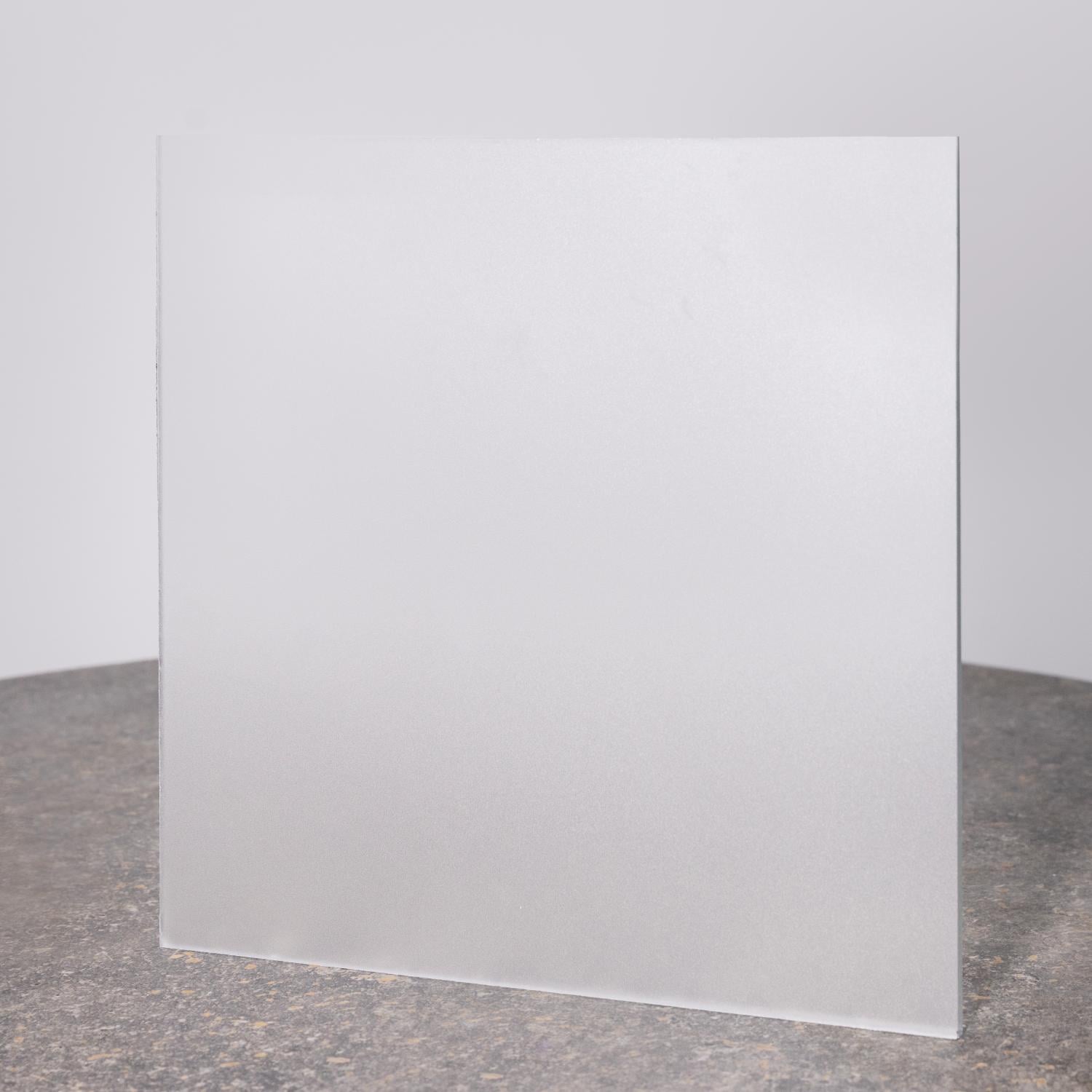
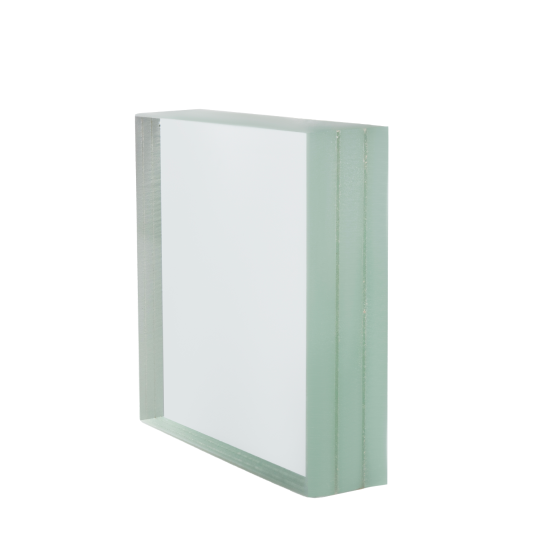
Laminated glass is a high-performance safety laminated glass — a composite safety glass — engineered by bonding two or more glass sheets with specialized interlayers — PVB (Polyvinyl Butyral), SGP (SentryGlas Plus), or EVA (Ethylene-Vinyl Acetate) — under high temperature (120–150°C) and pressure (1.0–1.5MPa). When broken, fragments adhere firmly to the interlayer rather than splashing, maintaining structural integrity and preventing injury.
MONTAG supplies laminated glass in configurations from 3+3mm to 8+8mm, with custom sizes up to 3660×2440mm and curved surface capability. Sound insulation ≥35dB, UV blocking ≥99%. Certified to ANSI Z97.1 and EN 14449 standards. Sourced by construction contractors, automotive manufacturers, and commercial developers for safety-critical glazing applications.
Certified to applicable international standards — [view certificates](/about-us#certifications)
Laminated glass is a composite material that redefines safety and comfort through its multi-layer structure. Multiple glass layers are bonded tightly with high-quality interlayer films under controlled heat and pressure, forming a unified, resilient structure that delivers performance far beyond ordinary glass.
Three interlayer types are available, each suited to different requirements:
For B2B project clients, our technical team provides safety grade evaluation and recommends the most cost-effective interlayer configuration based on your project's safety design scheme.
Property |
Specification |
Structure |
3+3, 4+4, 5+5, or unequal thickness (e.g. 5+6); custom configurations |
Interlayer |
PVB (standard), SGP (high tear resistance), EVA (decorative) |
Film thickness |
0.38mm, 0.76mm, 1.14mm, 1.52mm |
Max size |
3660 × 2440mm, curved surface available |
Sound insulation |
≥ 35dB (standard PVB); ≥ 40dB (special acoustic film) |
UV protection |
≥ 99% blocking rate |
Impact resistance |
Withstands 500g steel ball dropped from 1.2m height |
Safety standard |
ANSI Z97.1, EN 14449, CCC |
These specifications help B2B clients meet stringent safety compliance standards, reduce liability risk in public buildings, and lower long-term maintenance costs — particularly in high-traffic commercial spaces where post-breakage retention and acoustic performance are critical. Unlike monolithic tempered glass, safety laminated glass retains its structure after impact, meaning a single damaged pane can often remain in place until scheduled maintenance — reducing emergency callout costs and minimizing operational disruption.
When subjected to impact — accidental collision, severe weather, or intentional force — the glass may crack, but fragments adhere firmly to the interlayer. No sharp shards splash or fall. Even with a damaged surface, the glass maintains overall structural integrity, preventing penetration and providing anti-theft protection: intruders cannot easily break through the intact film layer. This makes laminated glass indispensable for public buildings, residential windows, storefronts, and security glazing.
The interlayer film acts as a damping layer, absorbing medium and high-frequency noise by converting sound energy into heat. Standard laminated glass achieves ≥35dB sound insulation — significantly reducing traffic noise, construction sounds, and indoor chatter. For projects near highways, airports, or busy commercial areas, specialized acoustic films boost performance to ≥40dB. Ideal for hotels, hospitals, and office buildings.
High-quality PVB interlayers block ≥99% of harmful ultraviolet rays. UV radiation causes fading, discoloration, and deterioration of indoor furniture, flooring, curtains, artworks, and upholstery. By filtering out nearly all UV rays, laminated glass preserves interior furnishings and reduces replacement costs — particularly valuable for luxury homes, art galleries, museums, and retail displays.
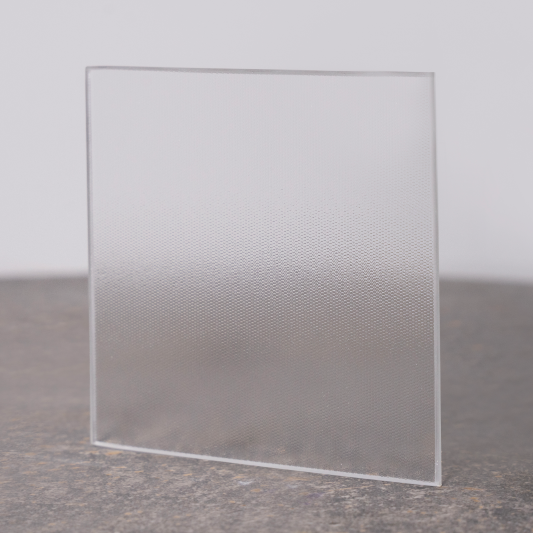
Laminated glass offers exceptional design flexibility:
For decorative laminated glass, EVA interlayer is recommended for optimal adhesion with embedded materials. See our tempered glass product page for substrate options, and our aluminum mirror product line for reflective applications.
Project Examples:
Bank branch security glazing — 5+5 SGP laminated glass for counter screens and entry facades, anti-penetration protection meeting financial security standards.
Hotel acoustic windows — 4+4 PVB acoustic laminated glass for 300+ rooms near a major highway, ≥40dB noise reduction improving guest satisfaction scores.
Museum display cases — 6+6 UV-filtering laminated glass protecting artwork from fading, ≥99% UV block with optical clarity for artifact visibility.
Item |
Details |
Minimum order quantity |
Negotiable based on project scale and customization requirements |
Lead time |
Customized according to order volume; priority delivery for key projects |
Pricing |
Tiered bulk pricing; cost-effective configurations recommended by technical team |
Customization |
Non-standard sizes, special shape processing, functional film compounding, embedded decorative materials, curved surfaces |
Technical service |
Free pre-sales safety consultation, on-site installation guidance, after-sales quality warranty, long-term quality tracking |
Quality certification |
ANSI Z97.1, EN 14449, CCC compliant; suitable for commercial project acceptance |
What is the difference between laminated glass and tempered glass?
Tempered glass is a single sheet of heat-treated safety glass — it is strong but shatters entirely when broken. Laminated glass bonds multiple glass sheets with an interlayer film — when broken, fragments stick to the film and the glass stays in place. Tempered glass offers higher strength per unit; laminated glass offers post-breakage retention, sound insulation, and UV protection. They can also be combined: tempered laminated glass uses tempered glass sheets as the laminated substrate for maximum performance.
Which interlayer should I choose — PVB, SGP, or EVA?
PVB is the standard choice for most architectural applications, offering excellent safety, sound insulation, and UV protection at competitive cost. SGP is recommended for high-security applications requiring high tear resistance and structural stiffness — hurricane zones, bomb blast protection, structural glass. EVA is ideal for decorative laminated glass with embedded materials (fabric, metal mesh, prints) due to its superior adhesion.
How much sound reduction does laminated glass provide?
Standard laminated glass with PVB interlayer achieves ≥35dB sound insulation for medium and high frequencies. With specialized acoustic interlayer films, performance reaches ≥40dB. For comparison, 35dB reduces normal conversation to a whisper on the other side. For projects near highways or airports, acoustic-grade laminated glass is recommended.
Can laminated glass be used for curved applications?
Yes. Laminated glass supports curved surface modeling for domes, curved curtain walls, automotive windshields, and rounded architectural features. Maximum flat size is 3660×2440mm; curved dimensions depend on radius and project specifications. Provide your drawings for technical evaluation.
What is laminated insulating glass?
Laminated insulating glass combines laminated glass with insulating glass in one unit. The laminated component provides safety, sound insulation, and UV protection; the sealed air or gas-filled cavity provides thermal insulation. This composite is ideal for high-end buildings and green construction where safety, acoustics, and energy efficiency are all required.
What certifications are available?
Our laminated glass complies with ANSI Z97.1 (US), EN 14449 (Europe), and CCC (China). Test reports and certificates are provided with each shipment. Products are suitable for commercial project acceptance in global markets.
Need a quote for your project?
Send us your drawings or specifications — our team responds within 24 hours with pricing, lead time, and technical recommendations.

Shanghai Montag Technology Co., Ltd. provides high-performance photovoltaic glass, architectural glass, and special glass for global solar and construction industries. Ultra-clear float & patterned glass (550 MT/day), vertically integrated production, ISO-certified quality. Partner with us for carbon-neutral solutions.
Building 4, Floors 1-2, No. 1628 Lizheng Road, Lingang New Area, China (Shanghai) Free Trade Zone
Copyright © 2026 Shanghai Montag Technology Co., Ltd. All rights reserved. Privacy Policy
 EN
EN