Adjectives:InteriorPartition、DoorAndWindowDecoration、FurnitureCabinetDoor、VintageStyleRenovation、PatternedDecorativeGlass、PrivacyGlass、LightDiffusingGlass、RolledTexturedGlass、ArchitecturalDecorGlass、CustomPatternGlass、B2BProjectSolutions、BulkCustomizedSupply、Commerc
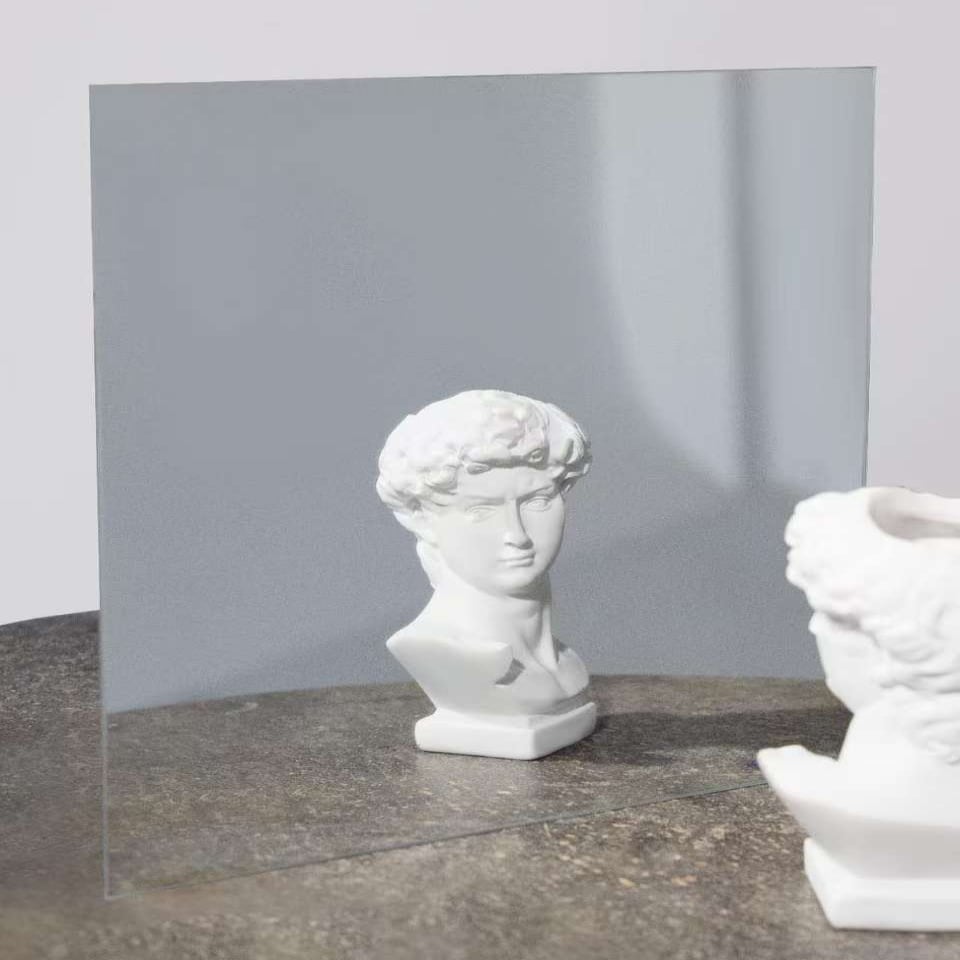
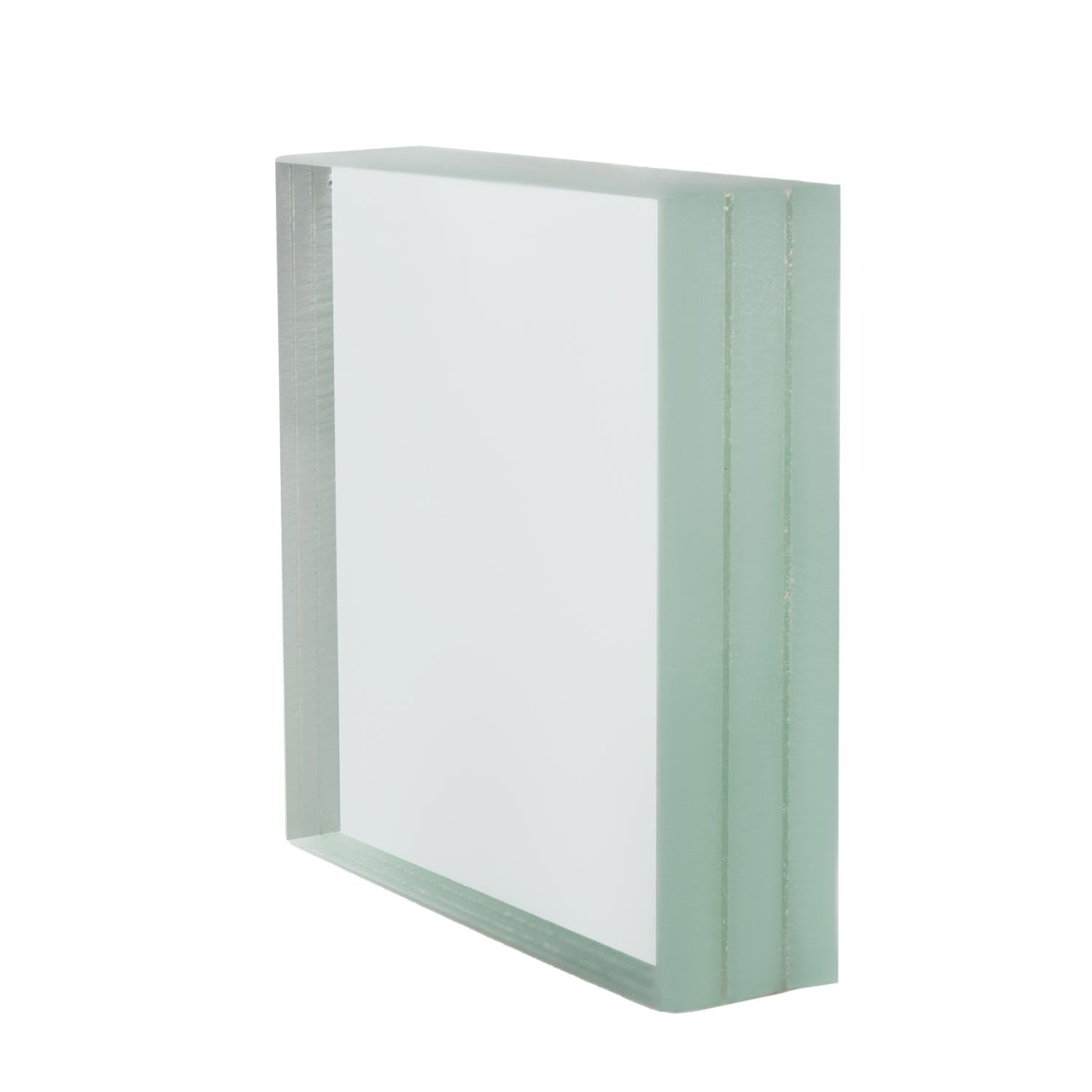
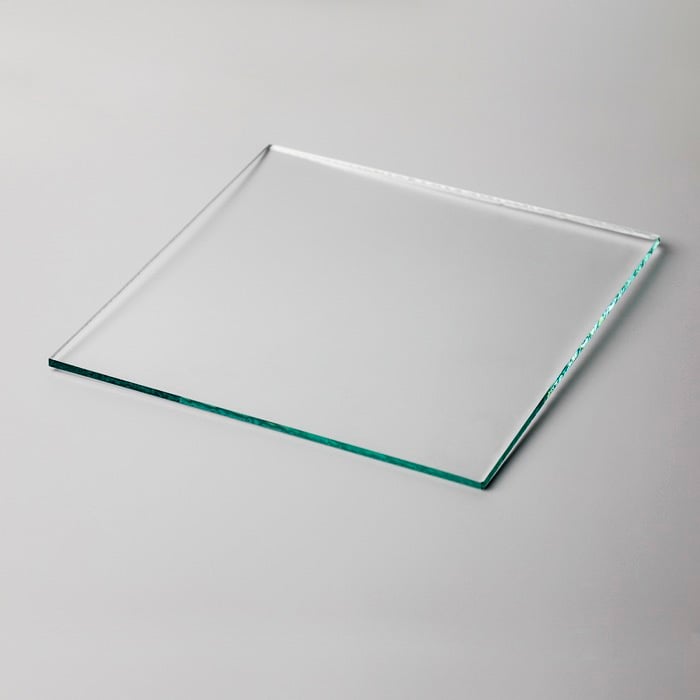
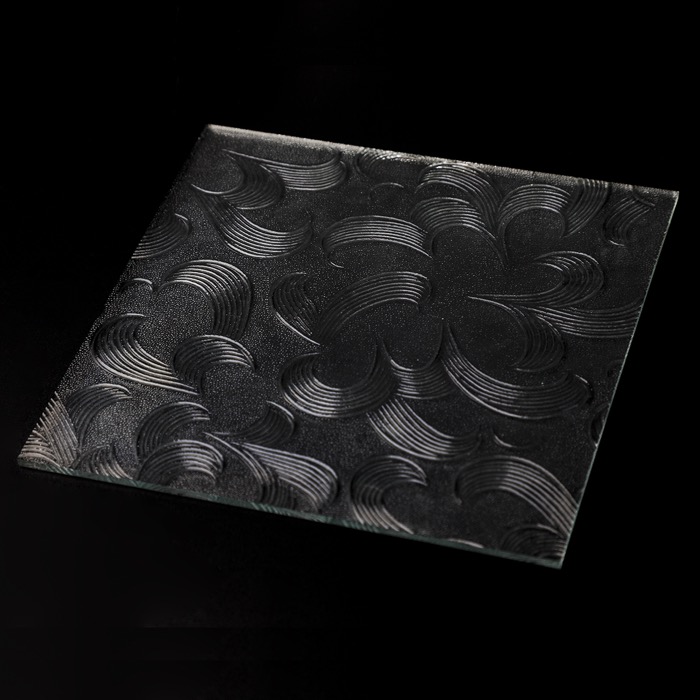
Patterned glass — also known as figured glass, rolled glass, or textured glass — is a specialized decorative flat glass meticulously crafted through an advanced roll-forming process. Before the molten glass fully hardens, it is precisely pressed between engraved pattern rollers, creating distinctive tactile textures on its surface. This production method produces the coveted "light-transmitting but non-see-through" effect, allowing natural light to pass through while obscuring clear visibility. Seamlessly combining reliable privacy protection with refined artistic decoration, textured glass transforms spaces by softening light, adding visual interest, and safeguarding confidentiality.
MONTAG supplies architectural patterned glass in thicknesses from 3mm to 8mm (10mm+ customizable), with standard sizes including 1830×2440mm and 2134×3050mm (maximum custom size 4500×2520mm). Light transmittance ≥85% (standard substrate) or ≥92% (ultra-clear substrate). Custom pattern development available. Serving building contractors, interior design firms, furniture manufacturers, and commercial real estate developers worldwide.
Certified to applicable international standards — [view certificates](/about-us#certifications)
Patterned glass has become a beloved staple in modern interior and architectural design, renowned for its unique ability to balance practicality, aesthetics, and versatility. Its manufacturing process is a feat of precision engineering: high-quality molten glass (heated to approximately 1200°C) is continuously fed into a rolling machine, passing between two precision-engineered rollers — one or both engraved with intricate, durable patterns. As the glass passes through the rollers at a controlled speed, the pattern is deeply pressed into the surface before cooling and hardening, creating permanent, tactile textures that are an integral part of the glass itself.
Unlike surface-applied films or printed decorations that may peel, fade, or wear over time, rolled glass has its pattern fused into the glass matrix, ensuring lasting durability and a premium, seamless finish. This production method also ensures uniform pattern distribution across the entire glass sheet, with consistent depth and clarity that enhances both visual and tactile appeal. For B2B clients with large-scale project requirements, our standardized production line ensures consistent product quality and pattern fidelity across all batches.
Key characteristics of architectural patterned glass:
Property |
Specification |
Substrate |
Ordinary soda-lime-silica glass / ultra-clear low-iron glass (optional) |
Thickness |
3mm, 4mm, 5mm, 6mm, 8mm (10mm+ customizable; tolerance ±0.2mm) |
Standard sizes |
1830×2440mm, 2134×3050mm (max custom size: 4500×2520mm) |
Light transmittance |
≥85% (standard substrate); ≥92% (ultra-clear substrate) |
Privacy level |
High — "light-transmitting but non-see-through" effect |
Safety rating |
Basic (upgradeable to tempered or laminated) |
Temperature range |
-20°C to 70°C |
Patterns |
Diamond, grid, reeded (fluted), nature-inspired, custom (pattern development available) |
Production method |
Roll-forming / figured rolling process |
Edge work |
Smooth ground, polished, or beveled (customizable) |
These specifications translate directly to project outcomes: the rolled texture is fused permanently into the glass matrix, meaning pattern fidelity is maintained for the lifetime of the installation — unlike applied films that degrade. At ≥85% light transmittance with full privacy, figured glass eliminates the need for curtains or blinds in privacy areas, reducing long-term furnishing and maintenance costs. For B2B clients, uniform pattern consistency across batches ensures visual coherence across multi-room and multi-building installations.
Thickness |
Typical Applications |
3mm |
Lightweight decorative panels, cabinet door inlays, picture frame glazing |
4mm |
Furniture fronts, wardrobe doors, interior decorative partitions, kitchen splashes |
5mm |
Bathroom partitions, shower enclosures, bedroom windows, interior doors |
6mm |
Office partitions, restaurant dividers, stairway railings, storefront glazing |
8mm |
Commercial lobby walls, hotel feature panels, large partition systems |
10mm+ |
Heavy-duty commercial walls, structural decorative elements (custom order) |
This thickness range covers most residential, commercial, and public facility applications. For safety-critical installations (high-traffic areas, public spaces, child-occupied environments), patterned glass can be upgraded to tempered figured glass or laminated patterned glass — see our tempered glass and laminated glass product lines for base material specifications.
One of the primary attractions of rolled glass is its diverse pattern selection, catering to nearly every design style and aesthetic preference. Patterns typically fall into three main categories:
For B2B clients with brand customization needs, our R&D team can develop exclusive patterns based on brand logos, design themes, or project specifications, helping clients achieve unique spatial brand identity.
To meet specific performance requirements, patterned glass can be upgraded through secondary processing:
For B2B clients with custom performance requirements, we offer flexible secondary processing services, supporting combinations of tempering, lamination, and ultra-clear substrate to meet diverse project specifications.
Beyond standard patterned glass, we offer:
The applications of architectural patterned glass are broad and varied, spanning residential, commercial, and public spaces:
Project Examples:
Boutique hotel renovation — 6mm reeded patterned glass for 80+ bathroom partitions across 5 properties, consistent pattern depth ensuring visual coherence brand-wide.
Commercial office tower — 8mm diamond-pattern figured glass for conference room walls across 15 floors, laminated upgrade for sound insulation between meeting rooms.
Retail chain flagship store — custom-pattern rolled glass with brand logo texture for storefront privacy panels, rolled across 20+ locations nationwide.
For safety-critical applications, figured glass can be tempered or laminated. For privacy applications requiring anti-slip texture, see our oiled sand glass product line. For sound insulation needs, see our laminated glass and insulating glass products.
Item |
Details |
Minimum order quantity |
Negotiable based on project scale and customization requirements |
Lead time |
Customized by order volume; priority delivery for key projects |
Pricing |
Tiered bulk pricing — larger orders receive lower per-unit cost; custom pattern development surcharge applies |
Customization |
Special pattern development, non-standard size cutting, tempered/laminated composite processing, ultra-clear substrate |
Technical service |
Free pre-sales design consulting, pattern customization R&D, on-site installation guidance |
Quality certification |
ISO 9001, CCC compliant; tempered variants meet ANSI Z97.1 / EN 12150; suitable for commercial project acceptance |
Patterned glass offers practical advantages in both installation and maintenance:
What is the difference between patterned glass and frosted glass?
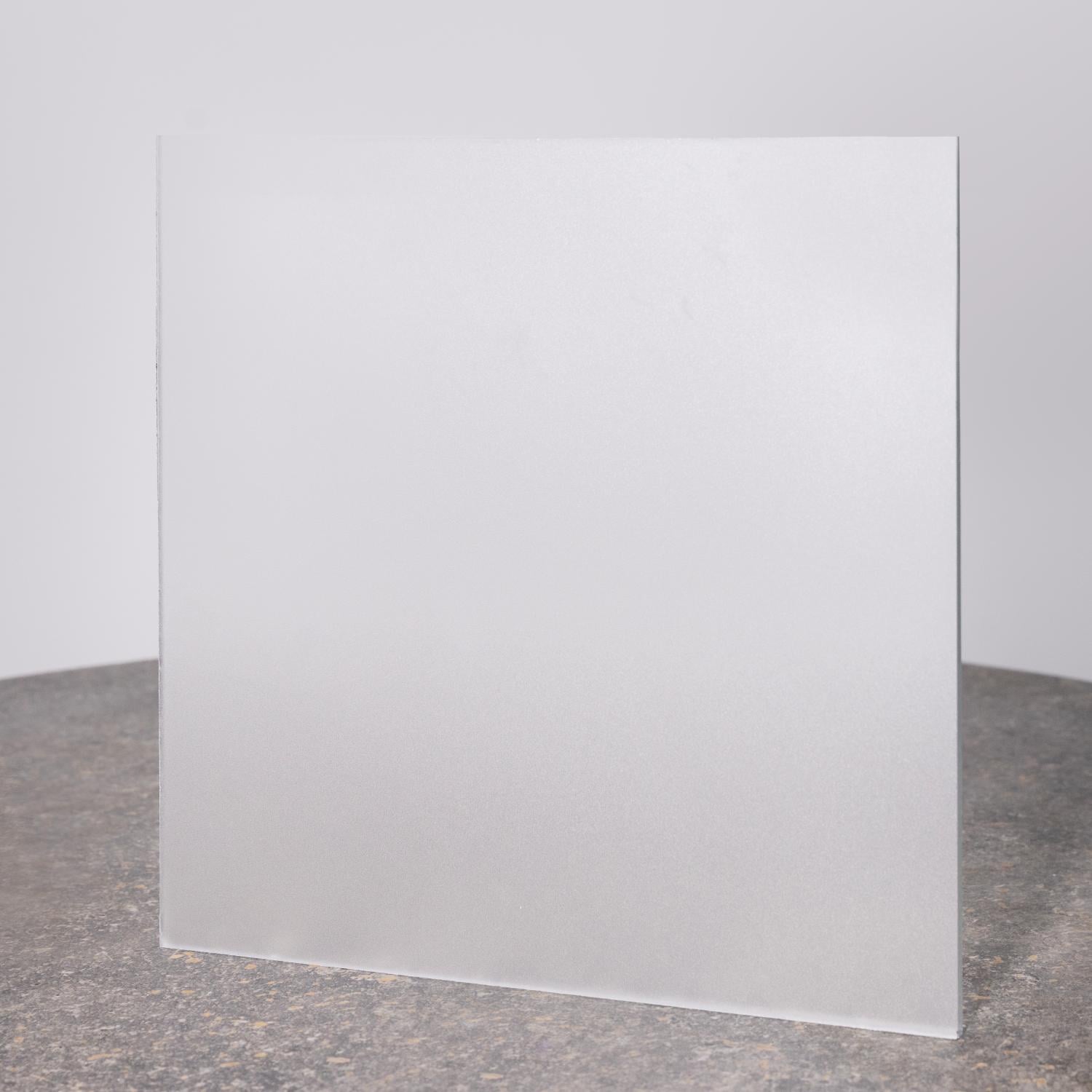
Patterned glass (also called figured glass or rolled glass) is produced by pressing molten glass between engraved rollers, creating a permanent textured pattern fused into the glass matrix. Frosted glass is typically made by sandblasting or acid-etching the surface of flat glass. Patterned glass offers more decorative variety with distinct designs (diamond, reeded, floral, etc.), while frosted glass provides a uniform matte finish. Patterned glass textures are also more resistant to scratching than sandblasted frosted surfaces.
Can patterned glass be tempered for safety?
Yes. Patterned glass can be processed into tempered figured glass through high-temperature heating and rapid cooling, achieving 3–5 times the impact and bending strength of ordinary figured glass. When broken, it shatters into small, blunt granules for enhanced safety. Tempered patterned glass is recommended for high-traffic areas, public spaces, and safety-critical applications. It meets ANSI Z97.1 (US), EN 12150 (Europe), and CCC (China) standards.
What is reeded glass, and why is it popular?
Reeded glass — also known as fluted glass or Changhong Glass in Chinese — is a patterned glass with vertical linear textures. It is popular because the vertical lines create a sense of height and openness in narrow spaces, while still providing privacy through light diffusion. It is widely used in interior partitions, cabinet doors, and bathroom enclosures in both residential and hospitality settings.
What patterns are available?
We offer three main categories: (1) Geometric patterns — reeded/fluted, diamond, grid, stripe, hexagonal; (2) Nature-inspired patterns — begonia, leaf, pebble, bamboo, floral; (3) Artistic and custom patterns — fabric texture, frosted effect, abstract, and fully custom designs. Custom pattern development is available for B2B clients with brand-specific or project-specific design requirements.
What is the maximum size available?
Standard sizes include 1830×2440mm and 2134×3050mm. The maximum custom size is 4500×2520mm. For larger installations, multiple panels can be used with consistent pattern matching. Custom cutting to your project specifications is available — contact us with your dimensional requirements.
What is the lead time for custom pattern orders?
Standard patterns (reeded, diamond, grid, etc.) are available with standard production lead times. Custom pattern development requires roller engraving and sampling — typically 3–4 weeks for pattern approval before bulk production. Contact us with your project timeline for a detailed production schedule.
Need a quote for your project?
Send us your design specifications or pattern requirements — our team responds within 24 hours with pricing, lead time, and technical recommendations.
Shanghai Montag Technology Co., Ltd. provides high-performance photovoltaic glass, architectural glass, and special glass for global solar and construction industries. Ultra-clear float & patterned glass (550 MT/day), vertically integrated production, ISO-certified quality. Partner with us for carbon-neutral solutions.
Building 4, Floors 1-2, No. 1628 Lizheng Road, Lingang New Area, China (Shanghai) Free Trade Zone
Copyright © 2026 Shanghai Montag Technology Co., Ltd. All rights reserved. Privacy Policy
 EN
EN