Adjectives:BuildingFirewall、ElevatorHoistway、Fire-ResistantDoorsAndWindows、B2BProjectSolutions、MallPartition、BulkCustomizedSupply、CommercialFireSafetyPartner
Brief Description
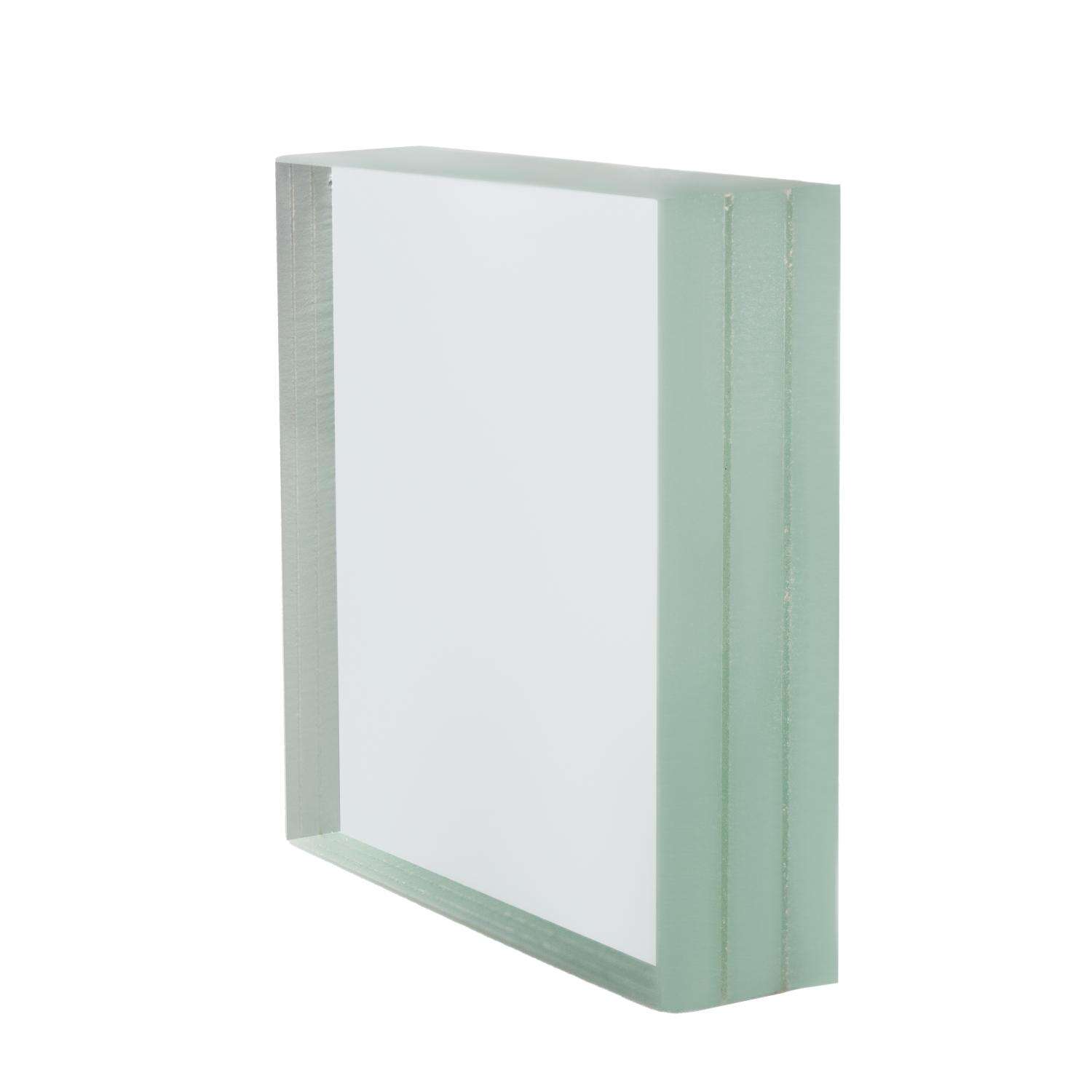
Fire-resistant glass is a specialized safety glass engineered with core fire insulation functionality, designed to be a critical line of defense in building safety. Through advanced manufacturing processes, it achieves the ability to prevent the spread of flames and block heat transmission within a specified time frame while maintaining its structural integrity even in high-temperature fire conditions. Unlike ordinary glass that shatters and collapses quickly when exposed to fire, this glass acts as a reliable barrier, effectively separating fire-affected areas from safe zones. Its primary mission is to gain precious time for personnel evacuation, fire rescue operations, and the protection of property, minimizing the loss caused by fires. With a flat appearance, good light transmittance, and compatibility with standard building installation processes, fire-resistant glass has become an indispensable component in modern architectural fire protection systems. It is widely used in various key positions of buildings that require fire separation, balancing safety performance, practicality, and aesthetic needs.
For B-end clients including construction contractors, architectural design firms, property developers and facility management companies, the product provides scalable bulk procurement plans, customized fire protection solutions and one-stop technical support. It can be tailored to match the fire rating requirements, design specifications and project schedules of large-scale construction projects such as commercial complexes, high-rise buildings and public infrastructure.
Detailed Description
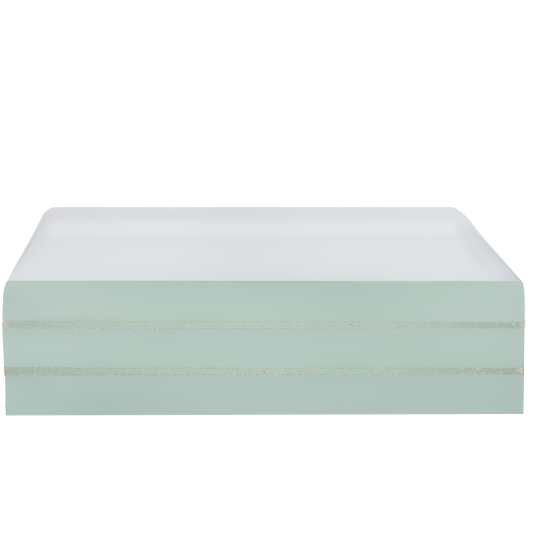
Fire-resistant glass stands out for its scientific classification and refined structural design, mainly divided into two core categories: composite fire-resistant glass and monolithic fire-resistant glass, each tailored to different application scenarios and fire protection requirements. Composite fire-resistant glass is formed by compounding multiple layers of glass with high-performance fire-resistant adhesive layers. The fire-resistant adhesive layer, made of special inorganic or organic materials, plays a pivotal role—it softens and foams when exposed to high temperatures, forming a dense heat-insulating carbon layer that blocks flames and heat. Monolithic fire-resistant glass, on the other hand, is produced through special chemical tempering treatment or the addition of fire-resistant components (such as rare earth elements) during the glass melting process. This treatment enhances the glass’s thermal stability, allowing it to withstand extreme temperature changes without immediate rupture and maintain structural integrity for a certain period under fire conditions. For B-end project needs, the technical team can provide professional fire protection grade evaluation and recommend the most cost-effective product configuration according to the project's fire safety design scheme.
The core advantage of fire-resistant glass lies in its dual protection capabilities of flame insulation and heat insulation. When a fire breaks out, the glass first blocks the direct penetration of flames, preventing the fire from spreading rapidly through openings such as windows and partitions. At the same time, the fire-resistant layer (either the adhesive layer in composite glass or the modified glass matrix in monolithic glass) absorbs a large amount of heat through physical and chemical reactions, significantly reducing the heat transfer to the backfire surface. This effectively avoids the rapid temperature rise in the safe area, preventing secondary disasters such as spontaneous combustion of combustibles and scalding of personnel, and creating a relatively safe evacuation environment. Importantly, fire-resistant glass can maintain structural stability within a specified fire resistance time—common ratings include 30 minutes, 60 minutes, and 90 minutes—during which it will not collapse, fall off, or form large holes, ensuring that the fire separation effect remains intact and providing sufficient time for personnel to escape and fire fighters to carry out rescue work. For high-density commercial spaces and public buildings, this stable performance can help B-end clients meet strict fire safety compliance standards and reduce potential liability risks.
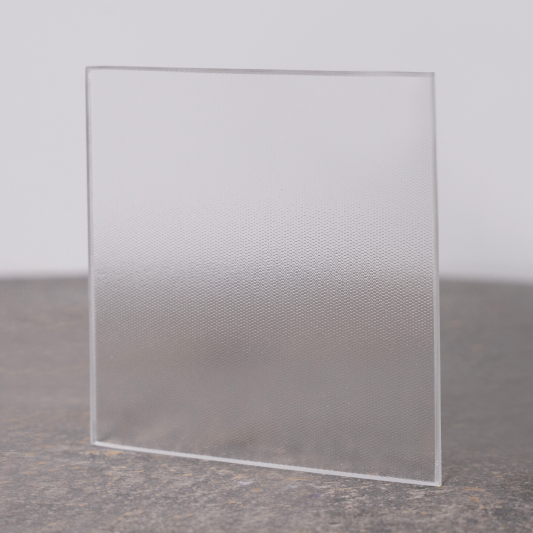
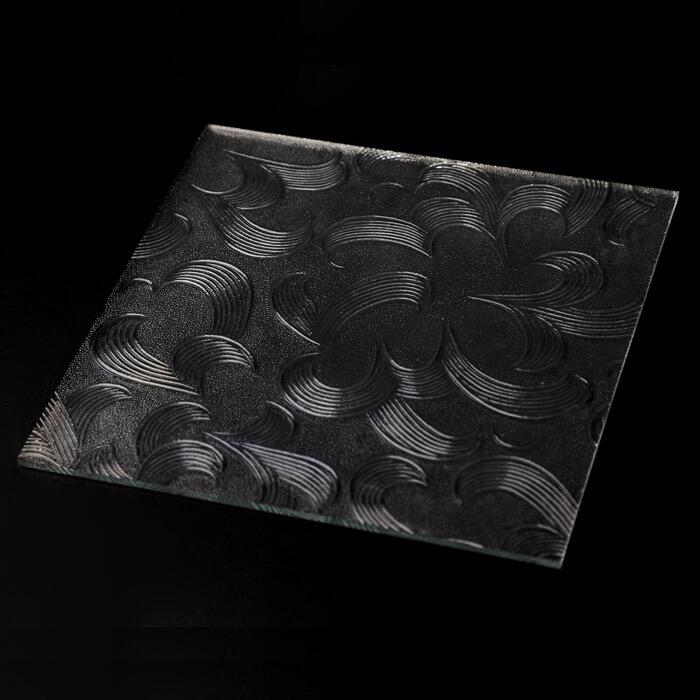
In terms of performance, fire-resistant glass achieves an excellent balance between safety and practicality. Its light transmittance reaches ≥75%, which is close to that of ordinary clear glass, ensuring sufficient natural lighting in buildings and maintaining clear visibility between spaces. This is particularly important for public areas such as shopping malls, office buildings, and hospitals, where good light transmission is necessary for daily use while fire protection requirements are not compromised. Additionally, fire-resistant glass has a flat and smooth appearance, which can be seamlessly integrated with various architectural styles without affecting the overall aesthetic effect. It also possesses good weather resistance, being able to withstand the erosion of wind, rain, ultraviolet rays, and other environmental factors, maintaining stable performance for a long time. In terms of mechanical properties, it has certain impact resistance, which can resist accidental collisions in daily use and reduce the risk of breakage. For B-end clients engaged in facade engineering and interior decoration projects, the product supports customized processing such as edge polishing, hole drilling and special shape cutting to meet diverse architectural design needs.
From the perspective of classification and selection, fire-resistant glass is divided into heat-insulating type (Class A) and non-heat-insulating type (Class C) according to its fire performance, providing flexible options for building fire protection design. Class A heat-insulating fire-resistant glass not only blocks flames but also effectively inhibits heat transmission, ensuring that the temperature rise on the backfire surface does not exceed the specified standard. It is suitable for key positions that require strict fire separation and heat insulation, such as building firewalls, elevator hoistways, and escape routes. Class C non-heat-insulating fire-resistant glass mainly focuses on flame blocking and maintaining structural integrity, with relatively weak heat insulation performance. It is suitable for scenarios where the main requirement is to prevent the spread of flames, such as non-load-bearing partitions in some industrial plants and auxiliary areas of buildings. This classification allows designers and users to make targeted choices based on actual fire protection needs and economic costs. For bulk procurement clients, we offer tiered pricing discounts based on order volume, helping to optimize the overall project cost.
In terms of application scope, fire-resistant glass covers almost all buildings that require fire protection design. In commercial buildings such as shopping malls, supermarkets, and office buildings, it is used for interior partitions, glass railings, and fire doors and windows, effectively dividing fire compartments and preventing the rapid spread of fire. In public welfare buildings such as hospitals, schools, and subway stations, where personnel density is high, fire-resistant glass is installed in evacuation channels, stairwells, and elevator shafts to ensure the safety of personnel evacuation during fires. In high-rise residential buildings, it is used for kitchen windows, balcony partitions, and shared area glass, enhancing the overall fire protection level of the building. Additionally, it is also widely used in industrial buildings, cultural relic protection buildings, and other special structures, playing an irreplaceable role in fire safety. For B-end partners, we provide comprehensive after-sales support including on-site installation guidance, product maintenance training and long-term quality tracking services to ensure the stable operation of fire protection systems.
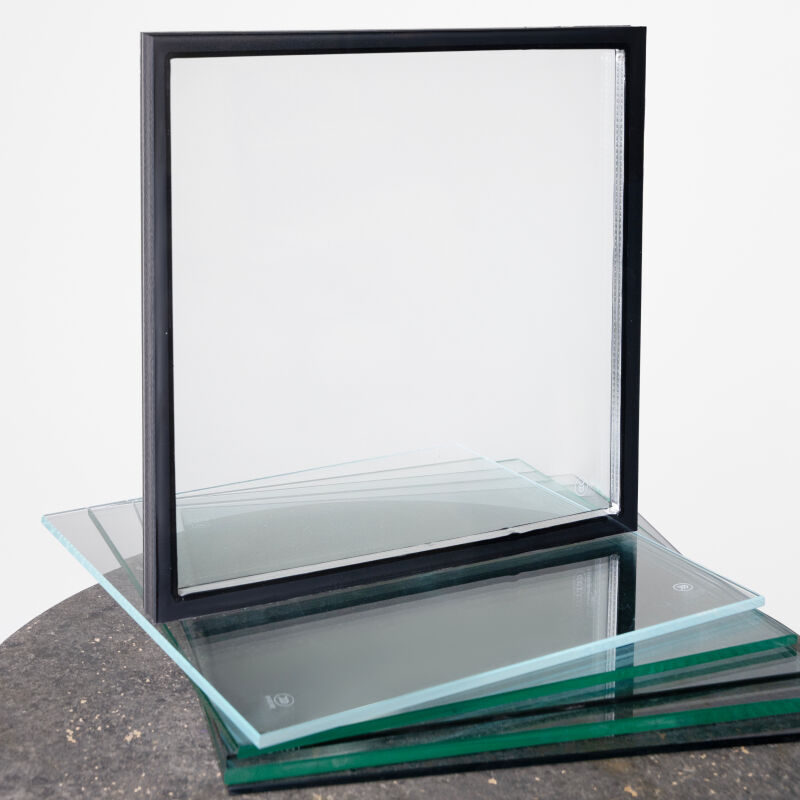
Practically, fire-resistant glass is highly compatible with building construction and processing. It can be cut, edged, drilled, and laminated like ordinary glass, and can be processed into various sizes and shapes according to design requirements, adapting to different installation scenarios. Its installation process is also similar to that of ordinary glass, matching with special fire-resistant glass frames and sealants to form a complete fire protection system. This convenience in processing and installation reduces the difficulty and cost of construction while ensuring the fire protection effect. For large-scale construction projects with tight schedules, we can provide flexible delivery plans and prioritize production to meet the project's construction progress.
In summary, fire-resistant glass is a high-performance building safety material that integrates fire insulation, heat insulation, light transmission, and practicality. Its scientific classification, reliable performance, and wide applicability make it an important part of modern architectural fire protection. By effectively blocking the spread of flames and heat, maintaining structural integrity in fires, and providing valuable time for evacuation and rescue, it has become a key guarantee for building safety and personnel life. Whether in commercial, public, or residential buildings, fire-resistant glass is an indispensable safety investment that brings peace of mind while meeting the functional and aesthetic needs of buildings. For B-end partners, we are committed to establishing long-term cooperative relationships, providing personalized solutions and efficient supply chain support to help clients enhance project safety standards and reduce overall construction costs.
Product Specifications
Core Specifications
·Type: Composite fire-resistant glass / Monolithic fire-resistant glass (optional)
·Thickness: 5mm~25mm
·Fire resistance time: 30min, 60min, 90min (optional)
·Regular sizes: 1830×2440mm, 2134×3050mm (customizable)
Performance Highlights
·Fire resistance grade: Class A (heat-insulating type) / Class C (non-heat-insulating type)
·Light transmittance ≥75%
·Effectively prevents flame spread and heat transmission
·Maintains structural integrity during fire, no collapse or fall-off
B-end Exclusive Support
·Minimum Order Quantity (MOQ): Negotiable based on project scale and customization requirements
·Lead Time: Customized according to order volume, with priority delivery for key projects
·Technical Services: Free pre-sales fire protection consultation, on-site installation guidance, after-sales quality warranty
·Customization Capability: Support non-standard size cutting, special shape processing and functional composite processing

Shanghai Montag Technology Co., Ltd. provides high-performance photovoltaic glass, architectural glass, and special glass for global solar and construction industries. Ultra-clear float & patterned glass (550 MT/day), vertically integrated production, ISO-certified quality. Partner with us for carbon-neutral solutions.
Building 4, Floors 1-2, No. 1628 Lizheng Road, Lingang New Area, China (Shanghai) Free Trade Zone
Copyright © 2026 Shanghai Montege Technology Co., Ltd. All rights reserved. Privacy Policy
 EN
EN