Adjectives:BuildingDoorsAndWindows、CurtainWall、Energy-SavingBuilding、SoundInsulationGlass、HeatInsulationGlass、SoundproofGlass、EnergySavingGlass、GreenBuildingGlass、B2BProjectSupply、BulkCustomizedGlass、SustainableBuildingPartner
Brief Description
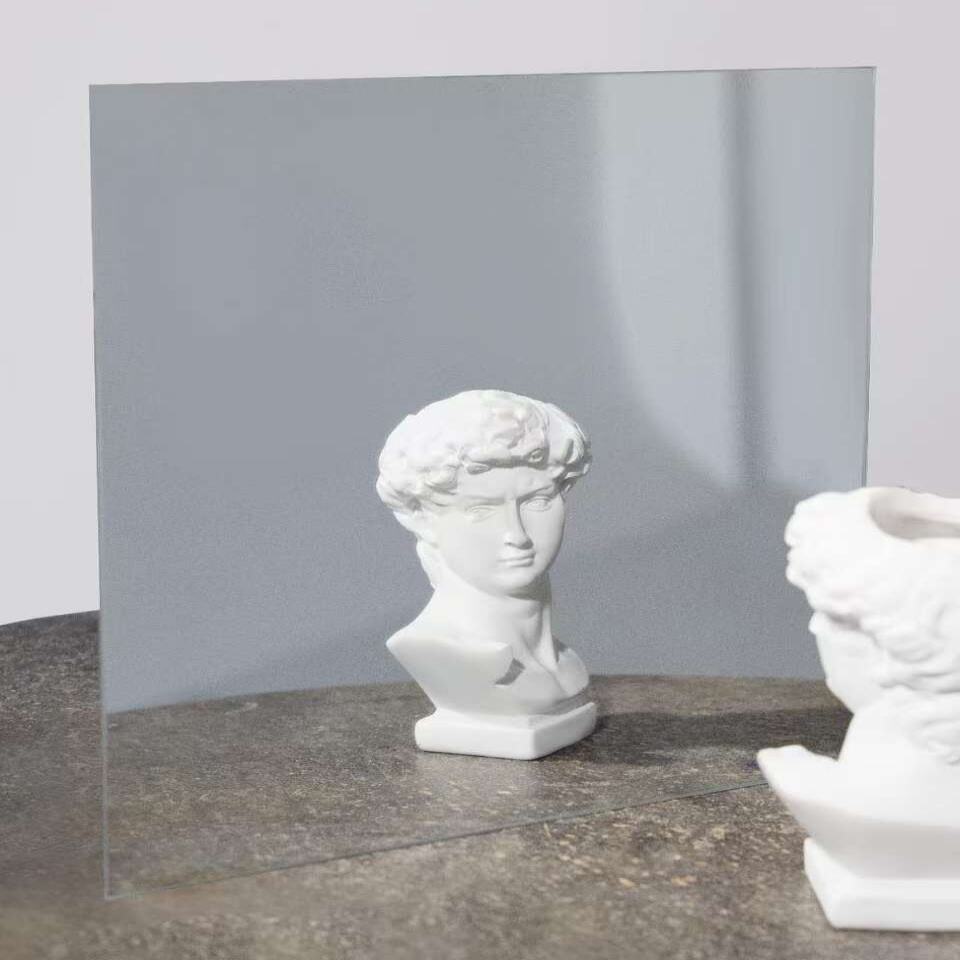
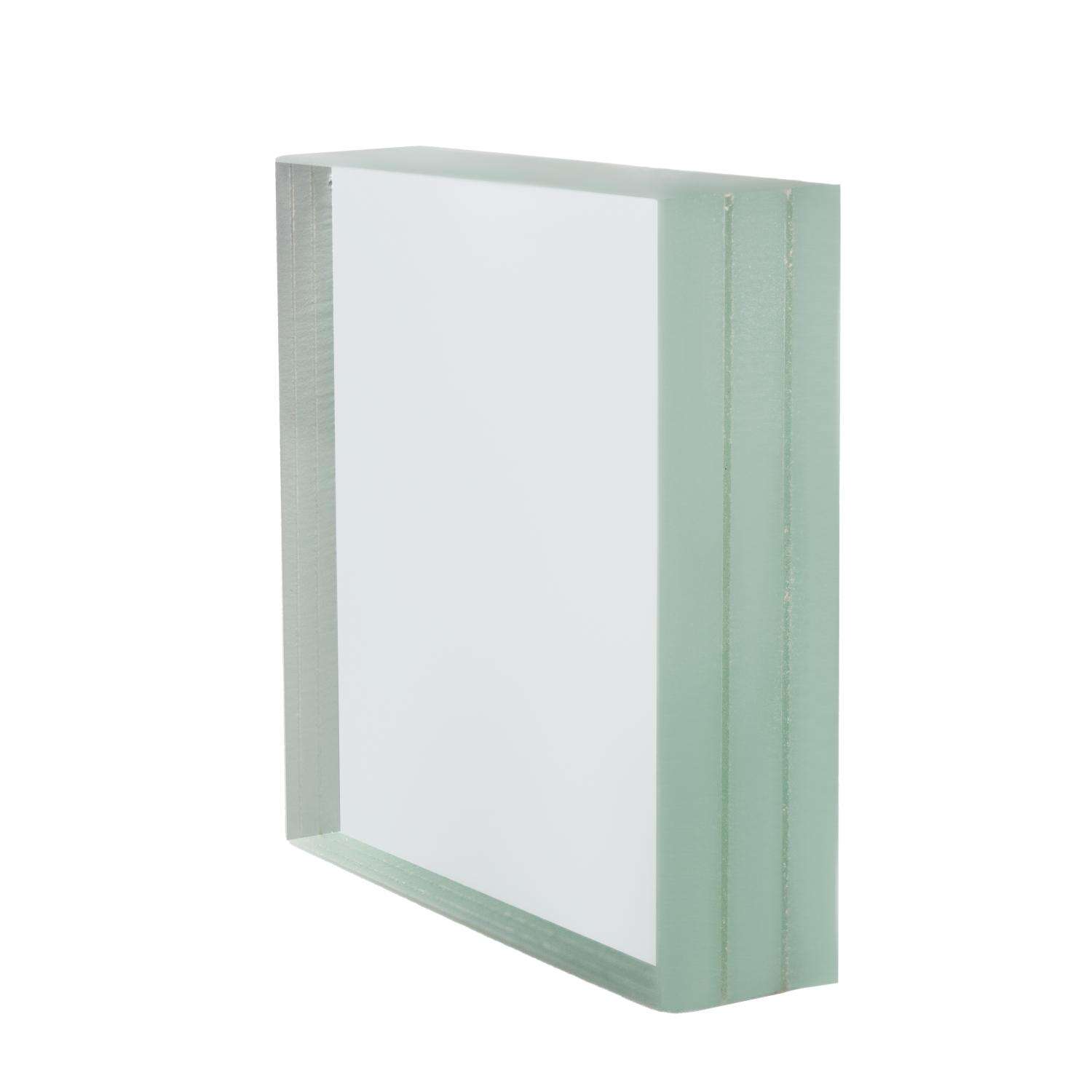
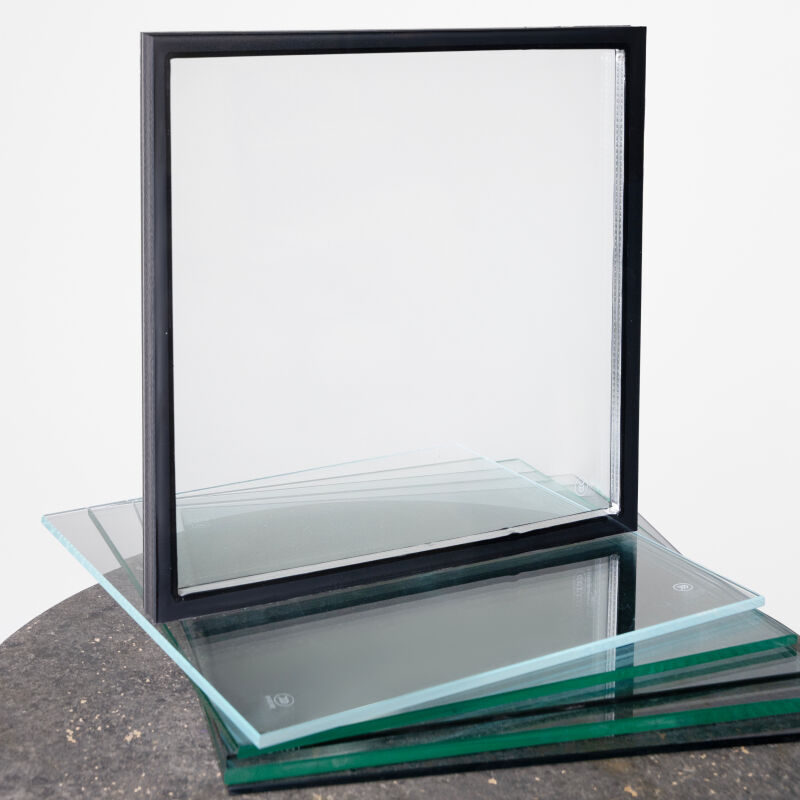
Insulating glass is a high-performance composite glass product engineered by bonding two or more glass panels with high-strength aluminum spacers, with the sealed cavity between them filled with dry air or inert gas (such as argon). It stands out for its exceptional heat insulation, sound insulation, and energy-saving properties, forming a reliable barrier against temperature transfer and noise penetration. As a benchmark material for energy efficiency, it not only reduces building energy consumption but also enhances indoor comfort by preventing condensation and maintaining stable temperatures. Widely recognized as the first choice for green buildings, it caters to the dual demands of sustainability and comfort in residential, commercial, and hospitality projects.
ForB-end clients including construction contractors, architectural design firms, property developers and green building project integrators, the product provides scalable bulk procurement plans, customized cavity solutions and one-stop technical support. It can be tailored to match the energy efficiency targets, design specifications and project schedules of large-scale construction projects such as commercial complexes, high-rise buildings and public infrastructure.
Detailed Description
Insulating glass redefines building energy efficiency and indoor comfort through its scientific composite structure and rigorous manufacturing process. At its core, it consists of two or more glass panels—selected based on functional needs—separated by moisture-proof, high-strength aluminum spacers. The spacers, filled with desiccant to absorb residual moisture, ensure the internal cavity remains dry and free of condensation. The cavity is then sealed with a dual-seal system: primary butyl rubber for airtightness and secondary polysulfide rubber or structural adhesive for structural stability and moisture resistance. Finally, the cavity is filled with dry air or inert gases like argon, krypton, or xenon—gases with low thermal conductivity that amplify the glass’s heat insulation performance. For B-end project needs, the technical team can provide professional U-value evaluation and recommend the most cost-effective product configuration according to the project's energy efficiency design scheme.
The most prominent advantage of insulating glass is its superior thermal insulation capability, rooted in the gas-filled cavity. Unlike ordinary single-pane glass that allows rapid heat transfer, the sealed gas layer acts as a thermal barrier, blocking conduction and convection between indoor and outdoor environments. In winter, it retains indoor heat, reducing heat loss through windows by up to 50% compared to single glass, thereby lowering heating energy consumption. In summer, it prevents outdoor heat from infiltrating, easing the load on air conditioning systems and cutting cooling costs. This year-round energy-saving effect aligns with global green building standards, helping projects reduce carbon emissions and achieve sustainability goals. For large-scale commercial projects, this energy-saving performance can help clients significantly reduce long-term operational costs and meet international green building certification requirements.
Beyond heat insulation, insulating glass delivers excellent sound insulation performance, particularly effective against medium and low-frequency noise such as traffic rumble, construction vibrations, and household appliance hum. The combination of glass panels and the gas cavity disrupts sound wave transmission, achieving a noise reduction of ≥25dB—some high-performance configurations can reach 35dB or more. This creates a quiet, peaceful indoor environment, which is invaluable for buildings near highways, airports, or busy urban areas, as well as for residential bedrooms, office spaces, and hotel rooms where tranquility is essential. For B-end clients engaged in noise-sensitive projects such as hotel and hospital construction, this high sound insulation performance can effectively improve the indoor environment quality.
Insulating glass offers remarkable flexibility in customization, thanks to the ability to pair different glass panels. Depending on project requirements, the outer and inner glass can be selected from float glass, tempered glass, LOW-E glass, tinted glass, laminated glass, or ultra-clear glass, enabling multi-functional combinations:
·Energy-saving + Safety: Tempered glass (for impact resistance) + LOW-E glass (for enhanced heat insulation) creates a structure that prioritizes both energy efficiency and user safety.
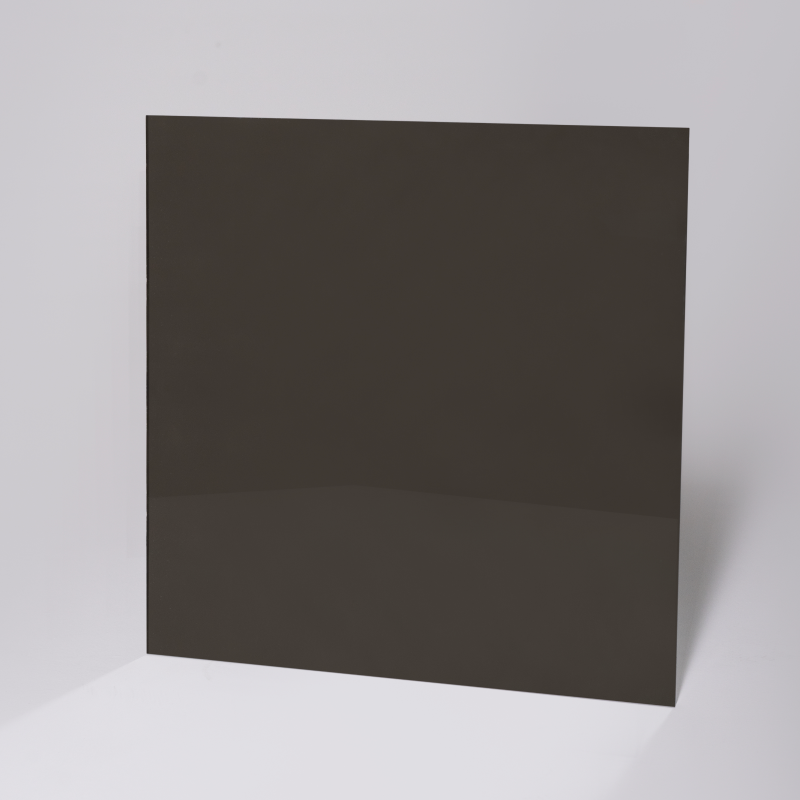
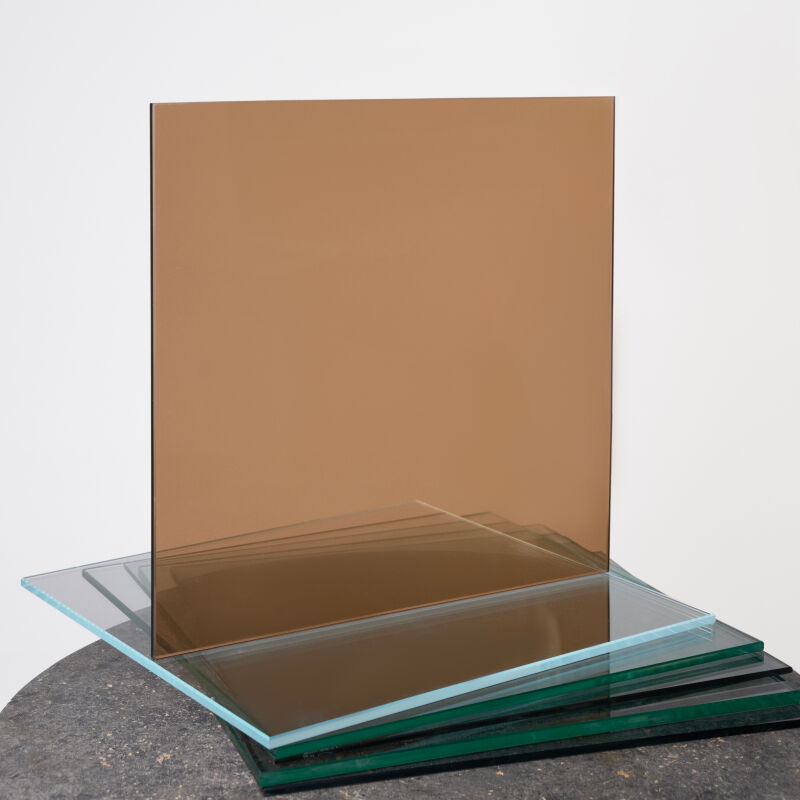
·Energy-saving + Decoration: Tinted glass (for sun shading and color) + float glass adds aesthetic appeal while maintaining thermal performance.
·Comprehensive Protection: Laminated glass (for fragment prevention) + LOW-E glass + tinted glass integrates safety, energy saving, sun shading, and sound insulation—ideal for high-end commercial buildings and luxury residences.
For B-end clients with customized needs, we can provide personalized glass panel combination solutions according to different functional requirements.
Another key benefit is its frost resistance and anti-condensation performance. The dry internal cavity and effective thermal insulation prevent the inner glass surface from reaching the dew point, even in humid or cold environments. This means the glass won’t fog up or form frost, ensuring clear visibility and protecting window frames, walls, and surrounding furniture from moisture damage. For regions with high humidity or extreme temperature differences, this feature significantly enhances the durability and usability of windows and curtain walls. For B-end clients in high-humidity regions, this anti-condensation performance can effectively reduce the maintenance costs of the project.
The application scope of insulating glass is extensive and diverse, covering nearly all types of buildings. In residential buildings—from apartments to villas—it is used for windows, sliding doors, and skylights, improving energy efficiency and living comfort. In commercial office buildings, high-end hotels, and shopping malls, it forms curtain walls, glass partitions, and exterior windows, reducing operational energy costs while creating quiet, comfortable spaces for work, leisure, and shopping. It is also widely adopted in public facilities such as hospitals, schools, and libraries, where a stable, quiet, and energy-efficient environment is critical. Additionally, it is used in industrial buildings and cold storage facilities, leveraging its thermal insulation to maintain stable internal temperatures and reduce energy consumption. For B-end partners, we provide comprehensive after-sales support including on-site installation guidance, product maintenance training and long-term quality tracking services to ensure the stable operation of energy-saving systems.
As the demand for green, energy-efficient buildings continues to grow, insulating glass has become an indispensable material in modern architectural design. It complies with international green building certifications such as LEED, BREEAM, helping projects achieve higher sustainability ratings. Its long service life—typically 15-20 years with proper installation—ensures long-term return on investment, reducing maintenance and replacement costs. Moreover, its compatibility with other energy-saving technologies (such as solar panels and smart window systems) makes it a versatile component in holistic green building solutions. For B-end clients pursuing green building certification, our products can effectively help them meet the certification requirements.
In summary, insulating glass is a multi-functional composite material that merges heat insulation, sound insulation, energy saving, and customization flexibility. Its scientific structure, reliable performance, and wide applicability make it the cornerstone of modern green buildings. By reducing energy consumption, enhancing indoor comfort, and supporting sustainable development, it not only meets the practical needs of buildings but also contributes to a greener, more livable future. Whether in residential, commercial, or public projects, insulating glass proves to be an investment in efficiency, comfort, and environmental responsibility. For B-end partners, we are committed to establishing long-term cooperative relationships, providing personalized solutions and efficient supply chain support to help clients enhance project quality and reduce overall construction costs.
Product Specifications
Core Specifications
·Structure: Double-glazed / Triple-glazed (customizable)
·Glass panel types: Float glass, tempered glass, LOW-E glass, tinted glass, etc.
·Gap width: 6mm, 9mm, 12mm, 15mm (filled with dry air or argon gas)
·Thickness: Customizable according to panel combination (e.g., 5+12A+5mm, 6+15A+6mm)
·Sealant: Butyl rubber + polysulfide rubber / structural adhesive
Performance Highlights
·Excellent heat insulation, low U-value
·Sound insulation ≥25dB, effectively isolates noise
·Energy-saving and emission-reducing, reducing HVAC energy consumption
·Good anti-condensation and frost resistance
·Flexible combination with other functional glass to meet diverse needs
B-end Exclusive Support
·Minimum Order Quantity (MOQ): Negotiable based on project scale

Shanghai Montag Technology Co., Ltd. provides high-performance photovoltaic glass, architectural glass, and special glass for global solar and construction industries. Ultra-clear float & patterned glass (550 MT/day), vertically integrated production, ISO-certified quality. Partner with us for carbon-neutral solutions.
Building 4, Floors 1-2, No. 1628 Lizheng Road, Lingang New Area, China (Shanghai) Free Trade Zone
Copyright © 2026 Shanghai Montege Technology Co., Ltd. All rights reserved. Privacy Policy
 EN
EN