In 2026, the global glass industry is undergoing a profound transformation. Policy adjustments in China and Southeast Asia are fundamentally reshaping the competitive landscape of international trade and manufacturing. These changes not only pose challenges to traditional glass exporters but also open up new strategic opportunities for manufacturers with diversified production bases, especially those already established in Vietnam.
This year, a major policy adjustment by the Chinese government has exerted a far-reaching impact on the glass industry. Effective April 1, 2026, China abolished the export value-added tax (VAT) rebate for most glass products, a measure that has particularly affected bulk export items such as float glass and architectural glass. For a long time, these products have occupied a position in the international market relying on cost advantages, but after the policy adjustment, their export costs have risen sharply, and profit margins have been severely squeezed. According to industry data in June 2026, glass suppliers dependent on a single export channel are generally facing operational losses and severe inventory backlogs. At the same time, China's housing completion volume has dropped by more than 23% year-on-year, further reducing the demand for standard architectural glass and float glass, and forcing the industry to transform towards high-value, customized, and functional glass solutions.
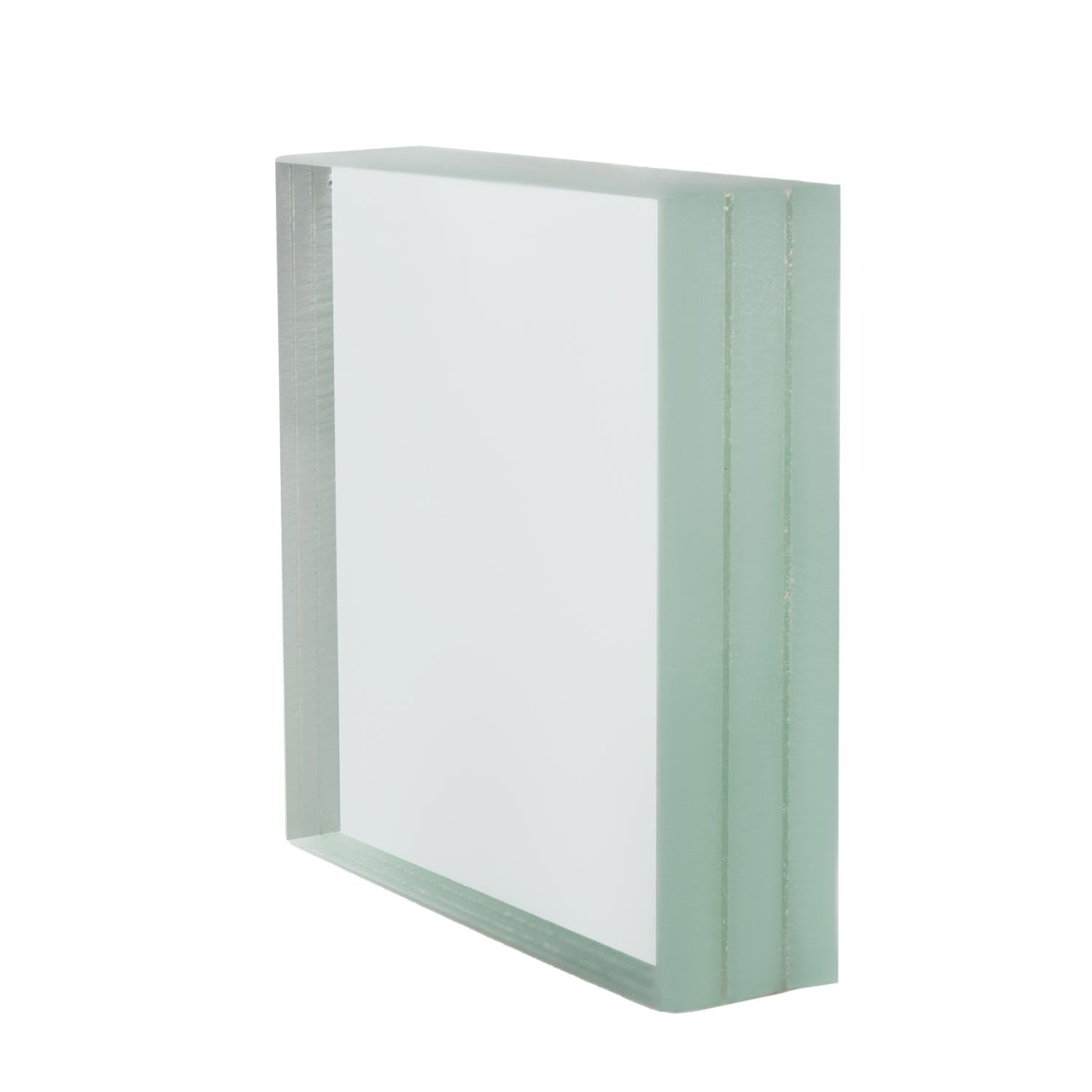
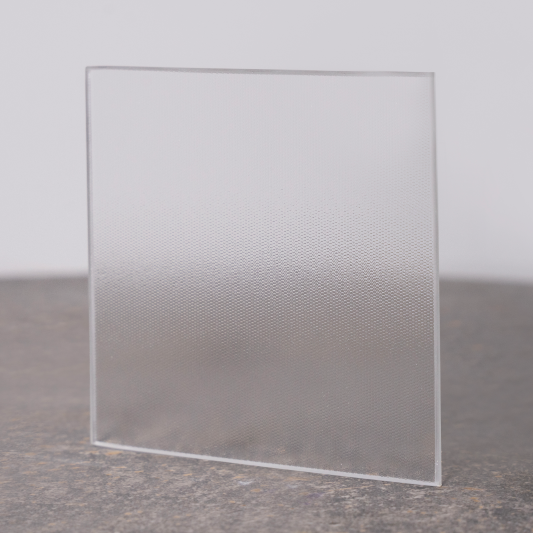
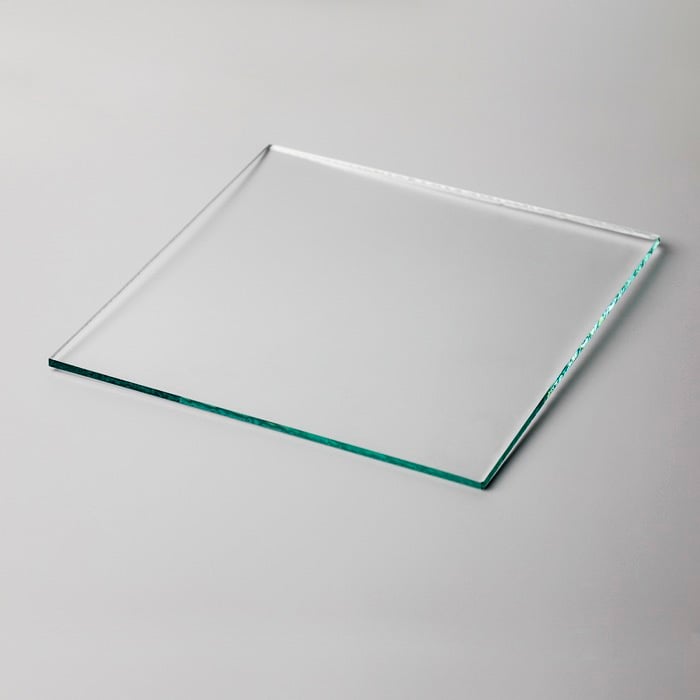
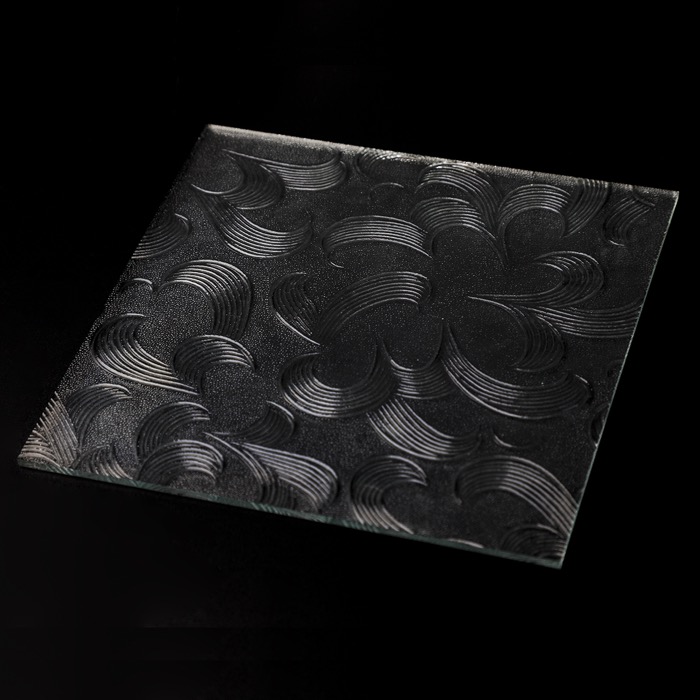
Against this backdrop, Vietnam, as an emerging global industrial hub, its policy adjustments have brought new hope to the glass industry. The Vietnamese government has introduced a series of measures to optimize the export tariff framework and facilitate trade, aiming to enhance the added value and competitiveness of domestic export products. For the glass industry, these policies not only reduce bureaucratic frictions but also lower logistics costs from Vietnamese factories to major global markets, making Vietnamese-manufactured products such as float glass, patterned glass, tempered glass, laminated glass, photovoltaic glass, and aluminum mirrors more attractive in the international market. Particularly driven by bilateral agreements such as the EU-Vietnam Free Trade Agreement (EVFTA), the export prospects of Vietnamese glass products are even broader.
Global buyers are actively responding to this policy change and re-evaluating their supply chain layouts. The procurement strategy that once relied mainly on low-cost glass products from China is gradually being replaced by diversified procurement. Buyers are beginning to seek partners who can offer competitive prices while ensuring supply chain security. In this trend, glass manufacturers with production bases in Vietnam stand out prominently. They can not only respond to global market demand with stable prices and flexible logistics but also provide a diverse range of products, from high-end ultra-clear float glass for exterior walls and patterned glass with special designs to tempered glass and laminated glass dedicated to solar energy applications, as well as high-reflectivity aluminum mirrors.
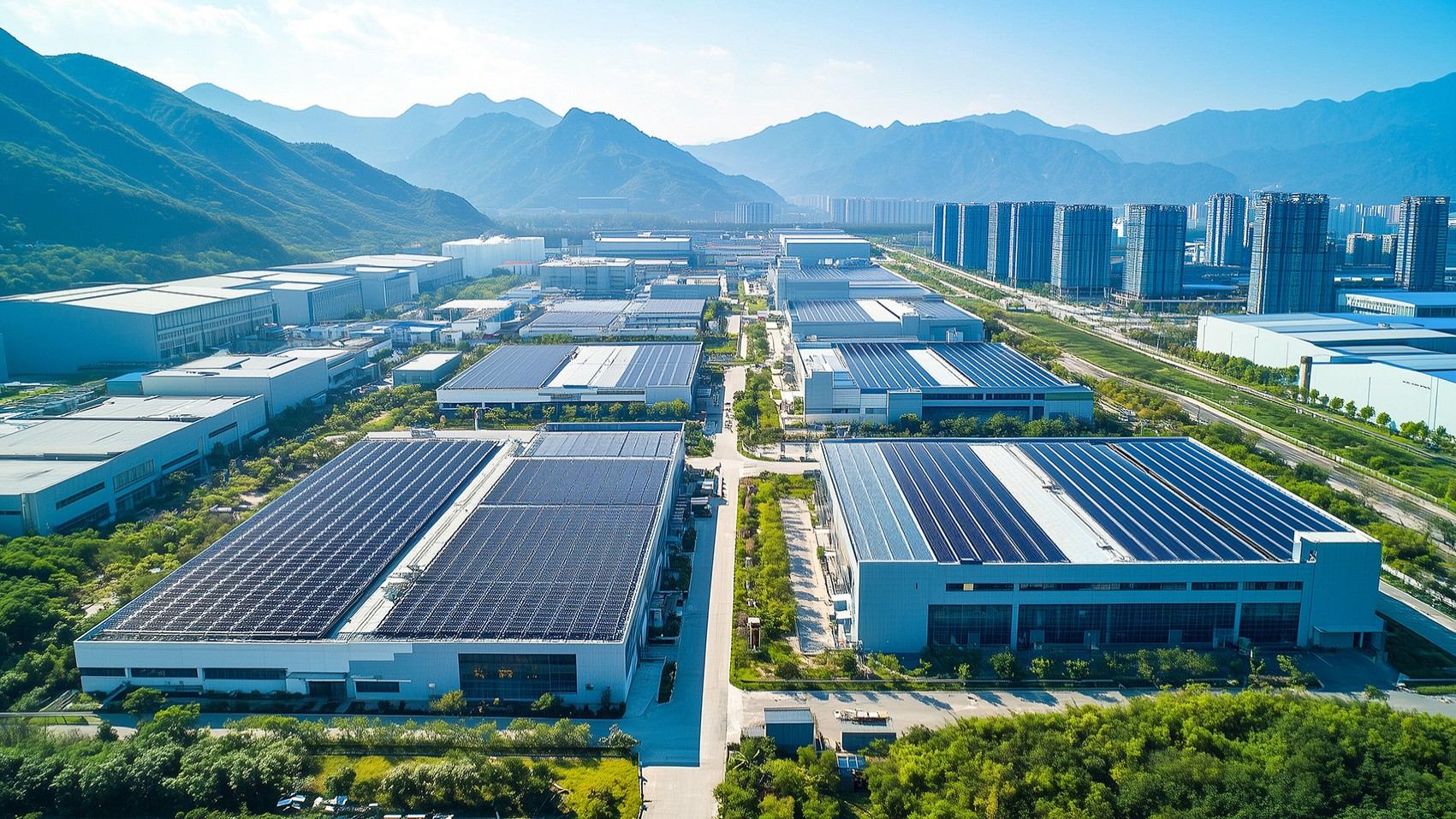
Large-scale production bases and sufficient production capacity are crucial to meeting international demand. These facilities can not only efficiently handle bulk orders but also maintain flexibility in customized glass solutions. When combined with an integrated supply chain from raw material silica sand to finished deep-processed products, Vietnamese glass manufacturers can ensure consistent quality and on-time delivery, which is particularly important against the current backdrop of slowing global construction and volatile energy prices.
Strategically, the global glass market is shifting from a single-source dependence to a multi-center model. Buyers are increasingly inclined to choose suppliers with geographical diversity and policy resilience. By maintaining production capacity in both China and Vietnam, manufacturers can offer a "China + 1" procurement strategy, reducing risks and optimizing total landed costs. This strategy is particularly effective in high-end product segments such as float glass and photovoltaic glass, as these products have higher requirements for quality, innovation, and supply chain stability.
Looking ahead, the industry will continue to undergo rationalization adjustments, and backward low-end production capacity will be gradually eliminated. The future belongs to manufacturers who can combine high-quality, customized production with resilient and cost-optimized supply chains. The intersection of China's tax policy adjustments and Vietnam's trade progress has not only created an opportunity for market transformation but also given unique competitive advantages to manufacturers with forward-looking layouts and strategic vision. For global buyers, finding partners with such dual-base and policy-resilient characteristics will be the key to navigating the new landscape. For those manufacturers who have already made strategic bets, 2026 will be a year when their foresight is transformed into actual market leadership.
 Hot News
 EN
EN