SHANGHAI — July 2026 — For the first time in six consecutive months, China's float glass market is experiencing a coordinated price reversal. Multiple leading manufacturers announced upward price adjustments in early July, signaling that the industry's prolonged downward cycle may finally be reaching its inflection point.
On July 1, 2026, a wave of price increase notices swept across major Chinese glass producers. Shanxi Lihu announced a planned hike of 10 yuan per ton. Liling Qibin raised white glass by 20 yuan per ton, while ultra-clear and all colored coated products saw increases of 40 yuan per ton. Qibin's Zhangzhou and Heyuan bases followed with 20 yuan per ton adjustments on crystal gray, Ford blue coated, and tea glass products. Mingxuan Glass similarly announced a 20 yuan per ton increase.
Days later, on July 6, the Shahe production cluster — China's most concentrated float glass manufacturing hub — saw its two leading players, Shahe Safety and Shahe Jinhongyang, simultaneously raise all large-format float glass prices by 10 yuan per ton. The following day, Shahe Great Wall matched with a 0.5 yuan per weight box increase across all specifications, and Nanhe Changhong raised colored glass products by 1 yuan per weight box.
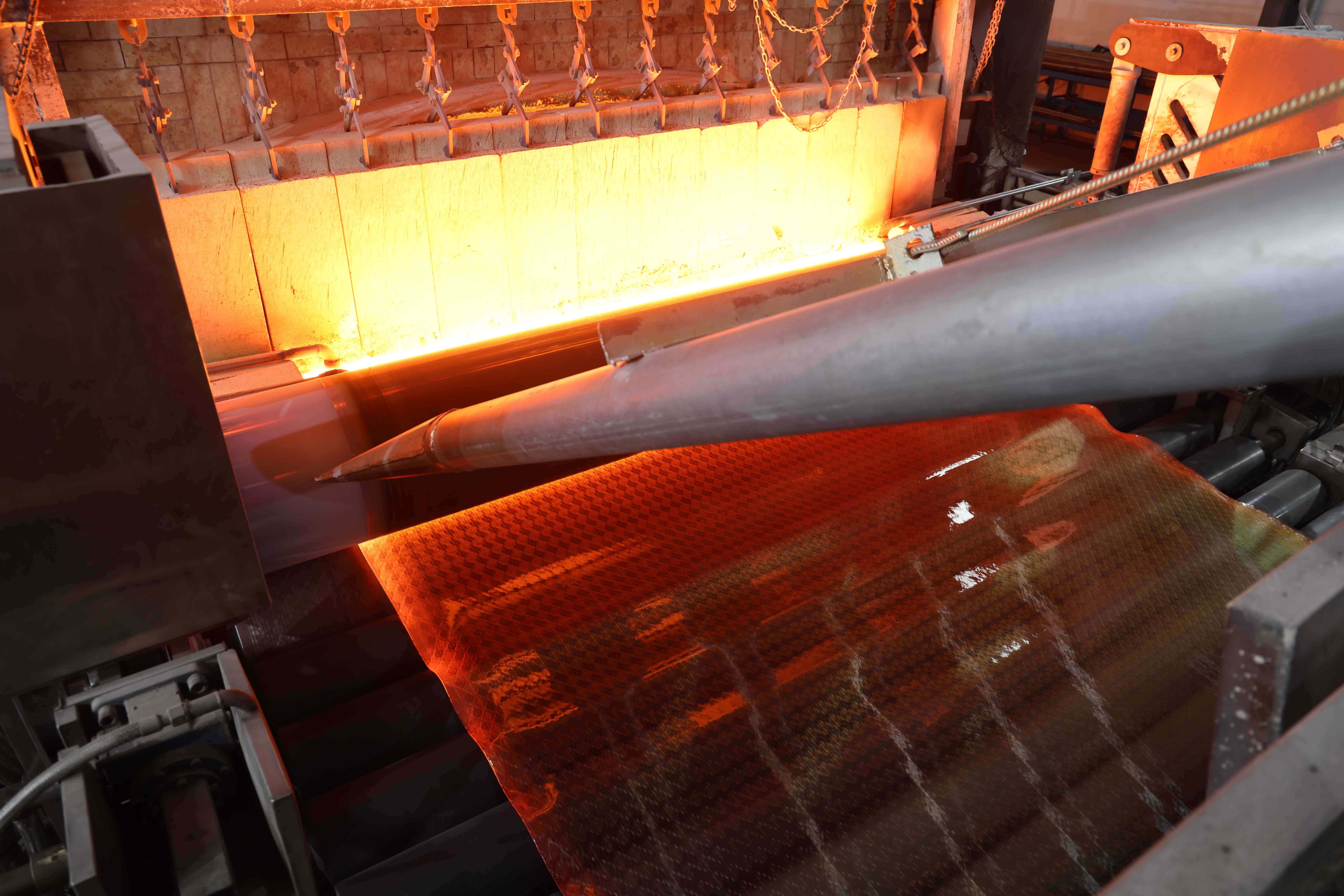
This marks the first collective price increase from the Shahe cluster in three months. The catalyst is not a sudden demand surge — it is supply-side discipline. Nearly one-third of Shahe's small and medium-sized production lines have entered cold repair, effectively removing high-cost capacity from the market. With leading enterprises' inventory pressure easing significantly, the cutthroat price competition that characterized the first half of 2026 has subsided.
The supply-side adjustment extends beyond temporary cold repairs. On July 3, 2026, China Glass Holdings formally announced that its subsidiary Zhongbo Linyi New Materials had signed an agreement with Inner Mongolia Yujing Technology to transfer 500 tons per day of flat glass capacity quota for 75 million yuan.
This transaction is emblematic of a structural shift. For years, glass industry capacity quotas functioned as a hard asset — companies retained them even while losing money, anticipating eventual demand recovery. The voluntary transfer of idle capacity signals that producers have abandoned the “wait for recovery” strategy. Instead, capital is being redirected toward high-value segments including electronic glass and photovoltaic glass.
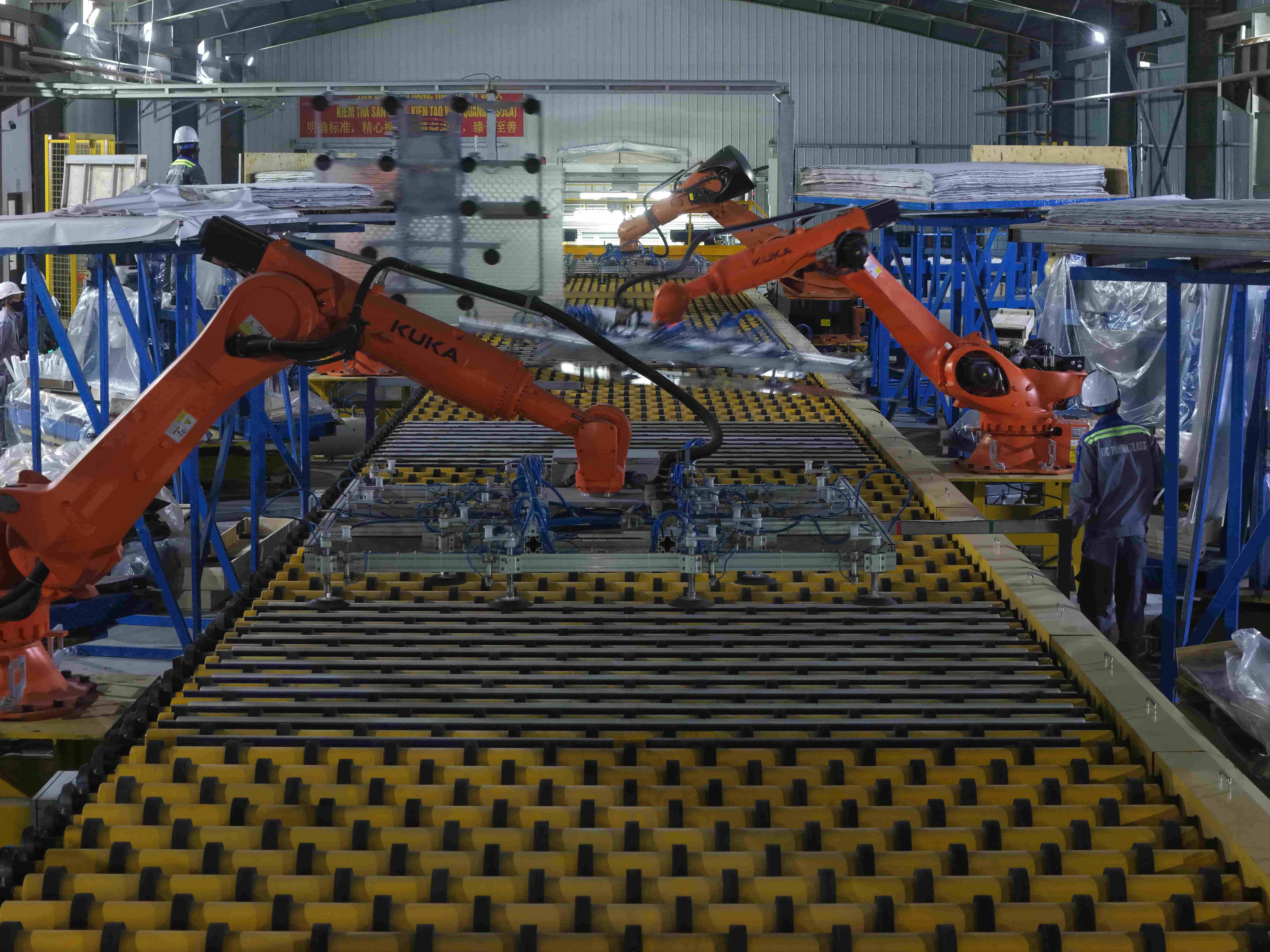
The float glass price stabilization creates cascading effects across the processed glass value chain. As raw flat glass costs firm, downstream product pricing dynamics shift accordingly — creating distinct implications for each processed glass category.
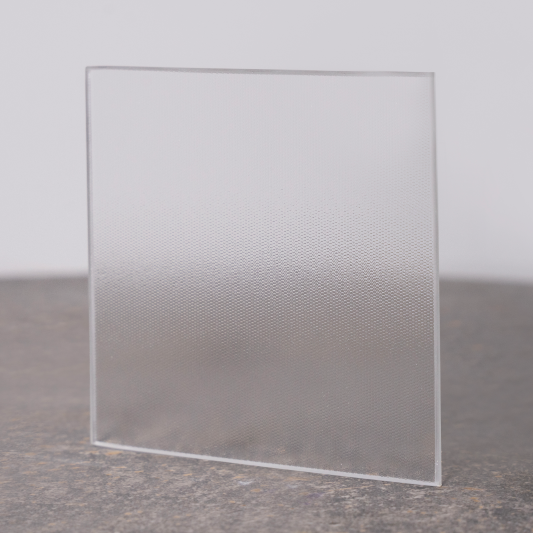
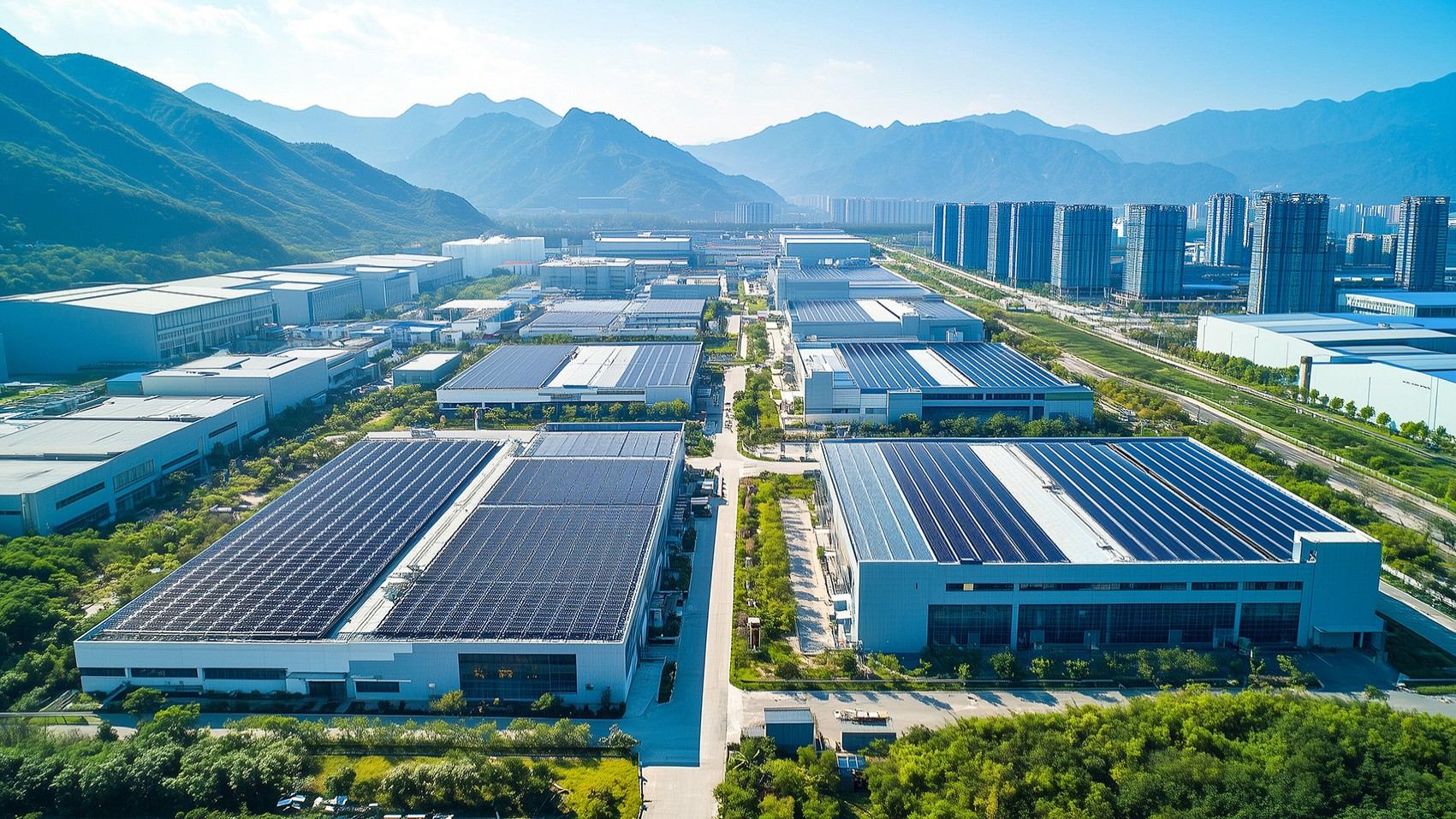
Solar glass demand remains structurally robust, propelled by China's continuing renewable energy buildout. While the July price adjustments primarily affect commodity float glass, the upstream cost environment indirectly influences solar glass — also referred to as photovoltaic glass or PV glass in European and North American technical markets. As float glass producers redirect capacity investment toward specialty segments, solar glass supply tightness may emerge in late 2026, benefiting specialized manufacturers like MONTAG whose solar glass product line is engineered for high light transmission and long-term weatherability.
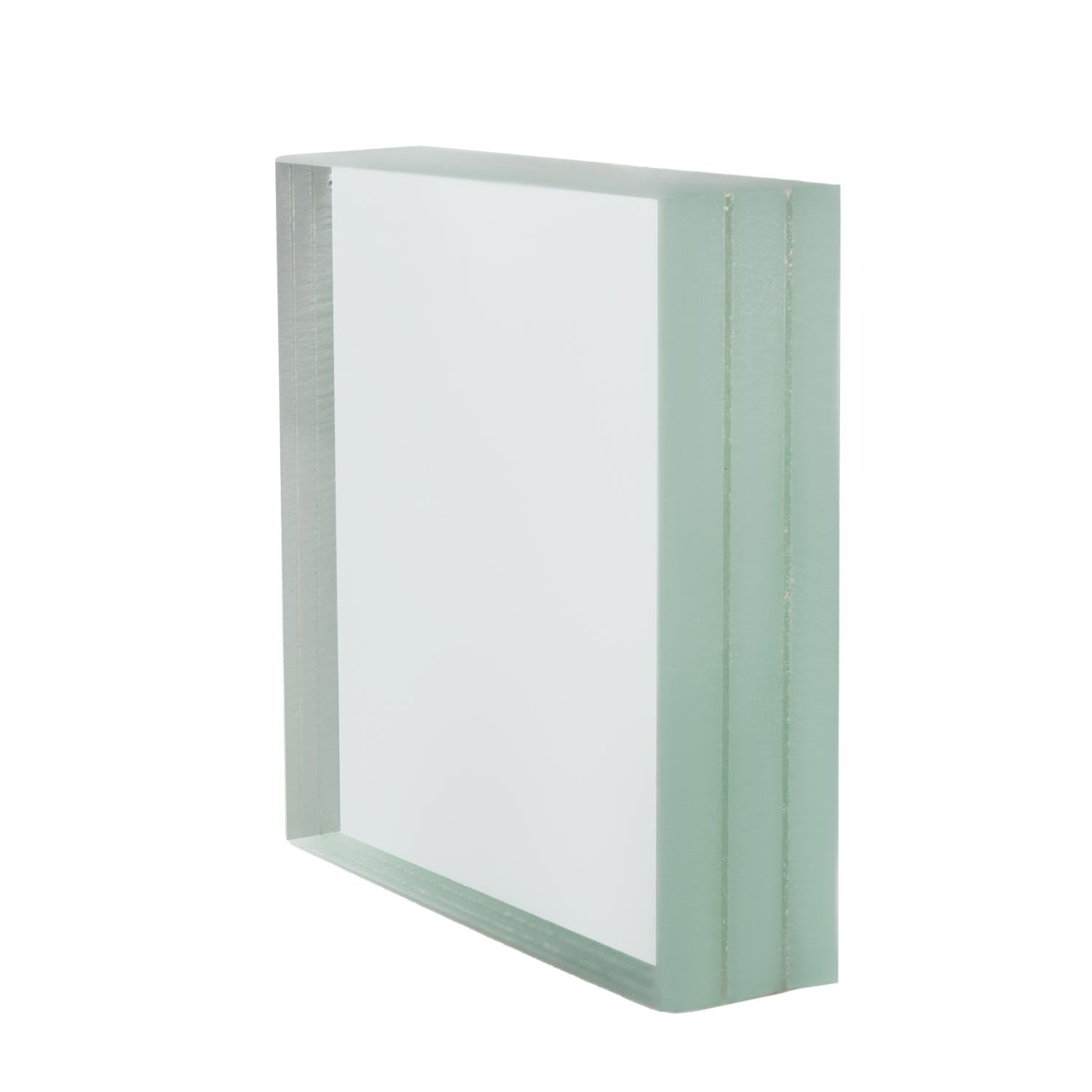
Laminated glass markets are experiencing dual pressures. On one hand, stabilizing raw glass prices provide cost predictability for laminated glass processors who rely on float glass as their primary input. On the other hand, architectural demand for safety glazing — PVB-interlayered laminated glass specified for facades, skylights, and balustrades — continues to grow as building code enforcement tightens. Premium laminated glass products with low-E coatings and acoustic performance remain import-dependent in many emerging markets, sustaining demand for certified international suppliers.
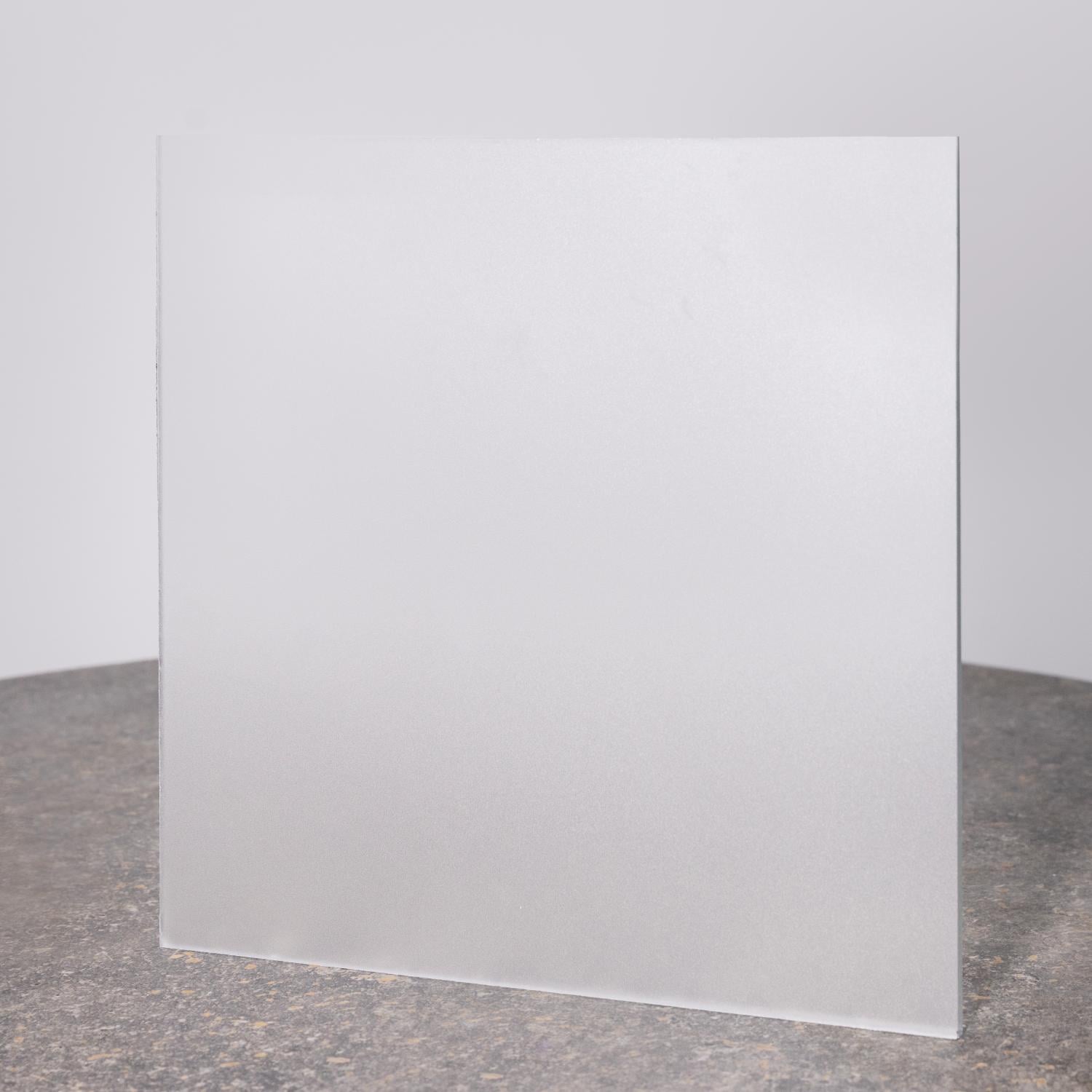
Tempered glass — known as toughened glass in British, Australian, and New Zealand markets — faces a more complex picture. Domestic processing capacity for tempered glass has expanded significantly, but high-specification applications requiring heat-soak testing and EN 12150 certification continue to rely on established suppliers. The current price stabilization in raw glass may actually accelerate tempered glass demand growth, as predictable input costs encourage project approvals that were previously delayed by price uncertainty.
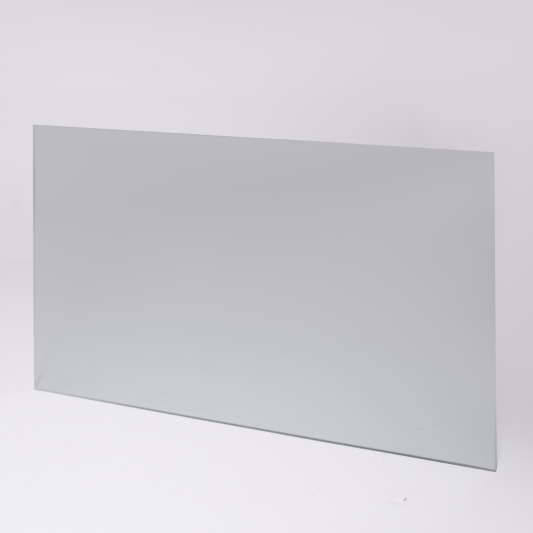
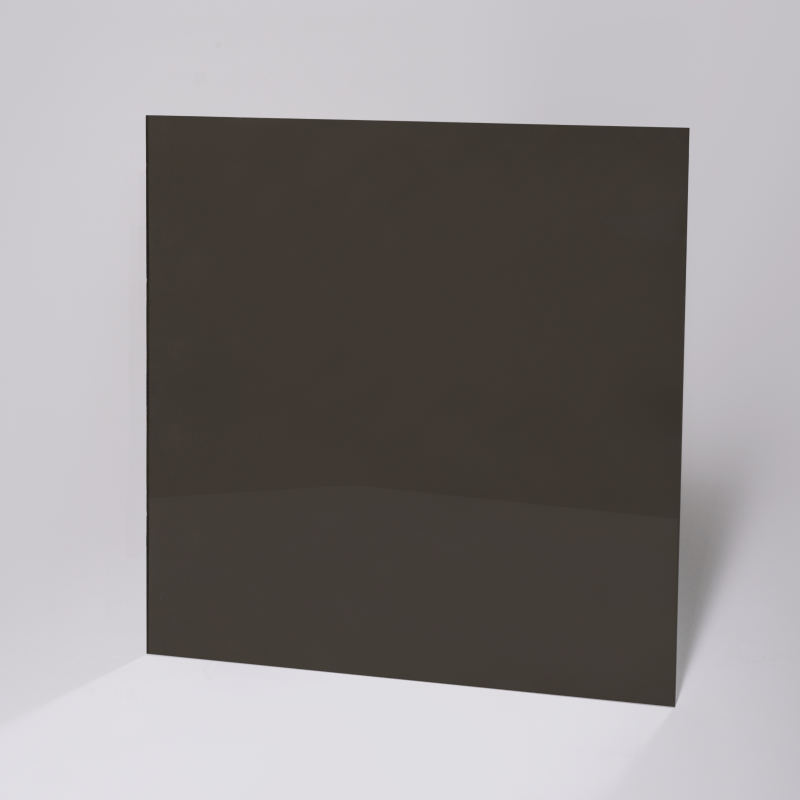
Aluminum mirror demand tracks closely with interior design and furniture manufacturing cycles. As raw float glass prices stabilize, aluminum mirror processors gain input cost visibility, supporting order flow for decorative and functional mirror applications. In British English markets, the identical product is searched as aluminium mirror — the spelling variation reflecting regional orthographic convention rather than material difference. Premium corrosion-resistant aluminum mirror grades for hospitality and commercial applications remain a stronghold for quality-focused suppliers like MONTAG.
The July 2026 price reversal does not mean the glass industry's challenges are over. Demand remains soft by historical standards, and the supply-demand rebalancing is far from complete. However, the combination of capacity rationalization, cold repair discipline, and strategic redirection of capital toward high-value segments represents a genuine inflection point.
For buyers and specifiers of processed glass products — solar glass, laminated glass, tempered glass, and aluminum mirror solutions — the implications are practical. Input cost stabilization supports project planning. But the structural shift toward premiumization means that relying solely on commodity supply chains is increasingly risky. Partnering with established suppliers like MONTAG offering certified quality across the full processed glass spectrum — from solar glass to aluminum mirror — provides both price transparency and product assurance in a market that is finally finding its footing.
 Hot News
2026-09-03
2026-07-21
2026-07-01
2025-12-10
2025-12-09
2025-12-08

Shanghai Montag Technology Co., Ltd. provides high-performance photovoltaic glass, architectural glass, and special glass for global solar and construction industries. Ultra-clear float & patterned glass (550 MT/day), vertically integrated production, ISO-certified quality. Partner with us for carbon-neutral solutions.
Building 4, Floors 1-2, No. 1628 Lizheng Road, Lingang New Area, China (Shanghai) Free Trade Zone
Copyright © 2026 Shanghai Montag Technology Co., Ltd. All rights reserved. Privacy Policy
 EN
EN