large-format tempered glass
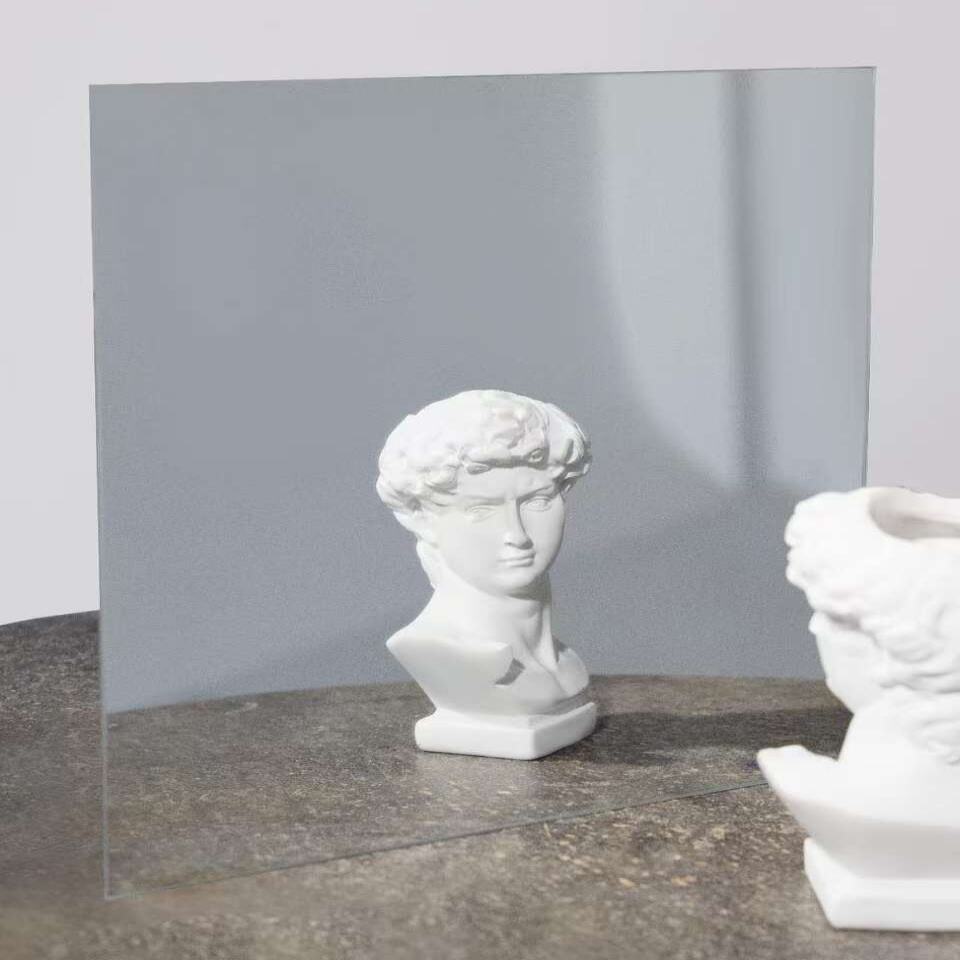
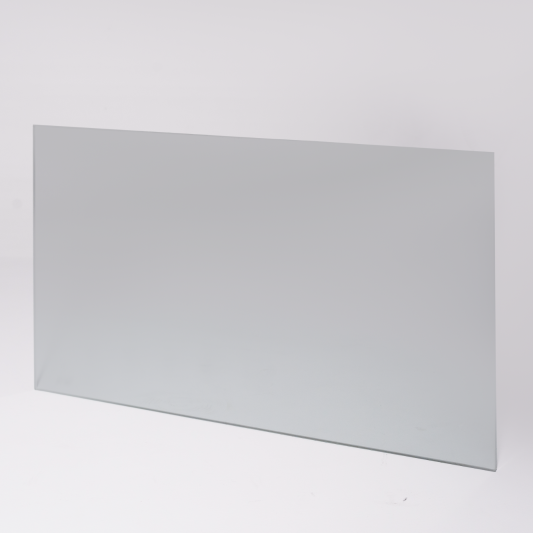
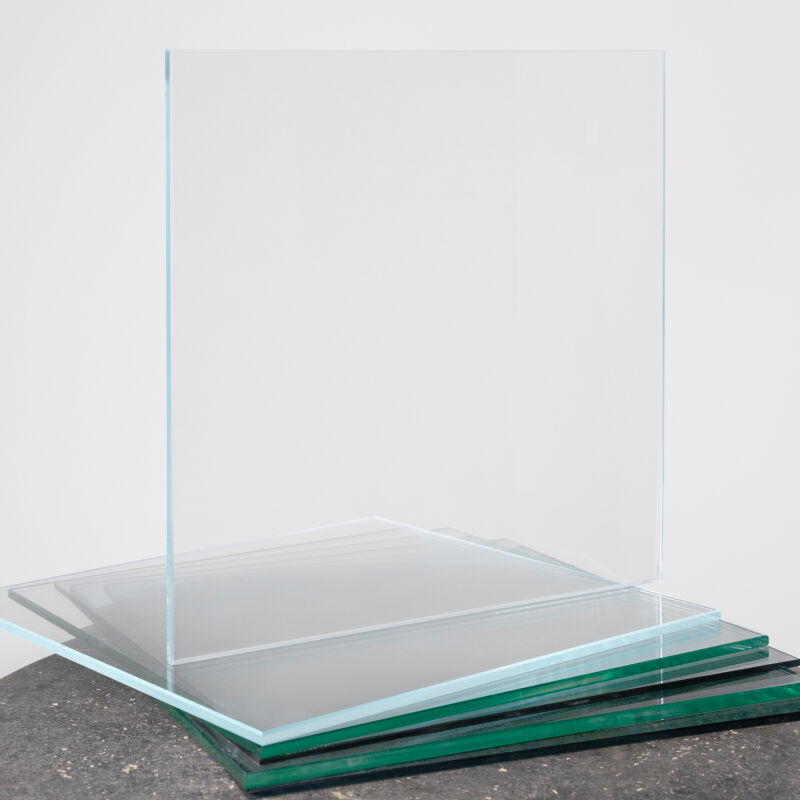
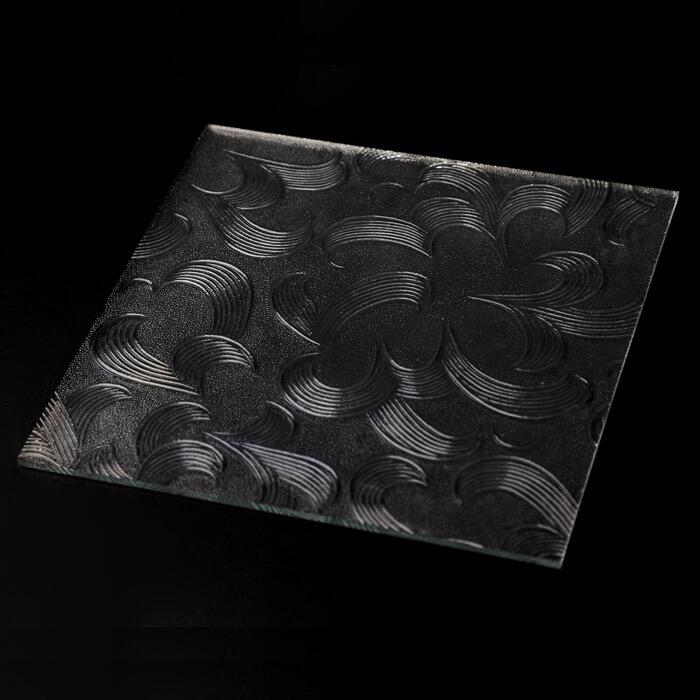
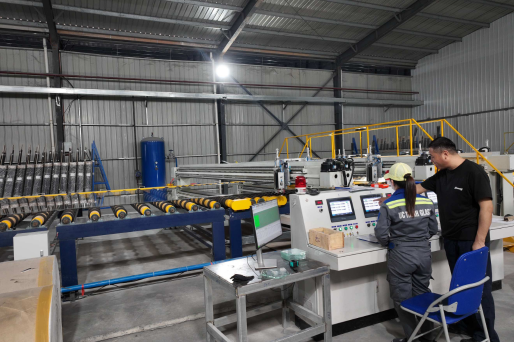
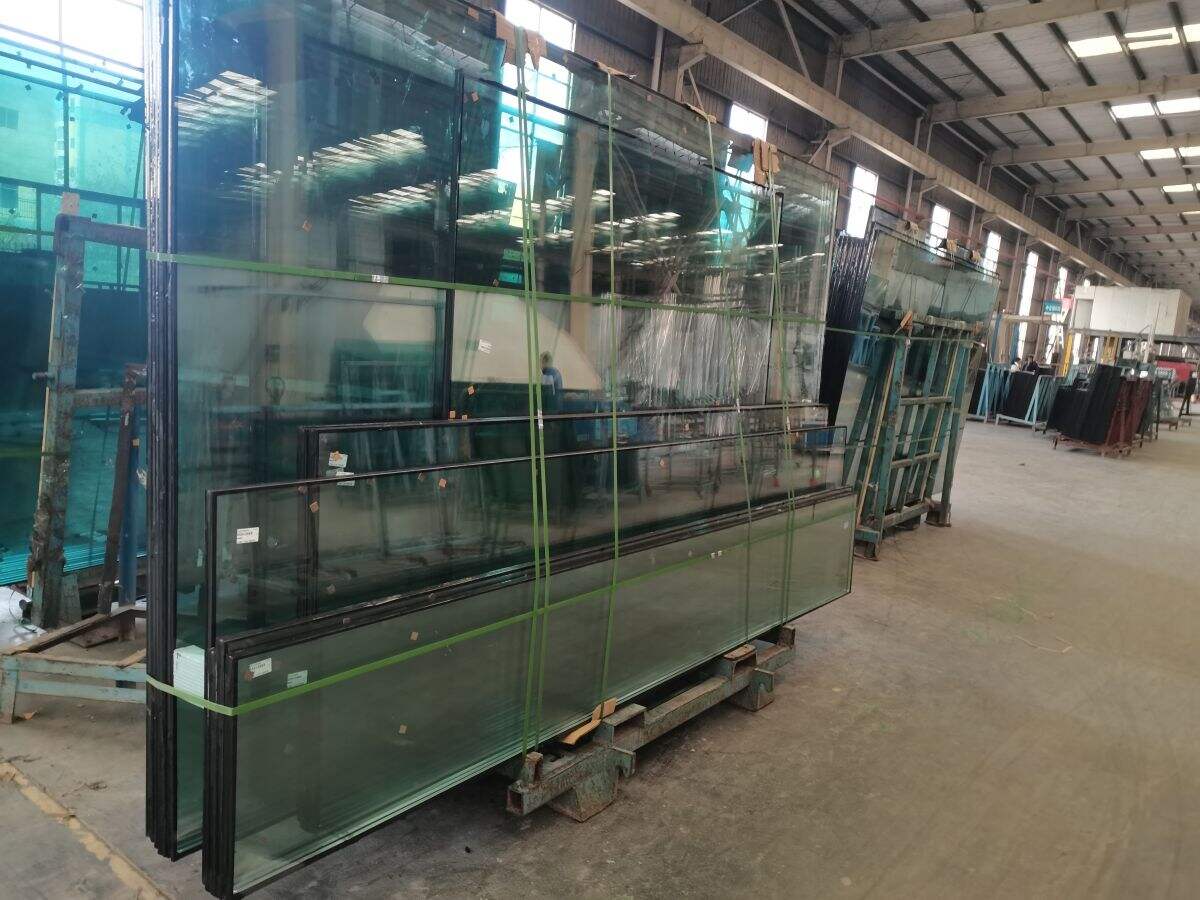
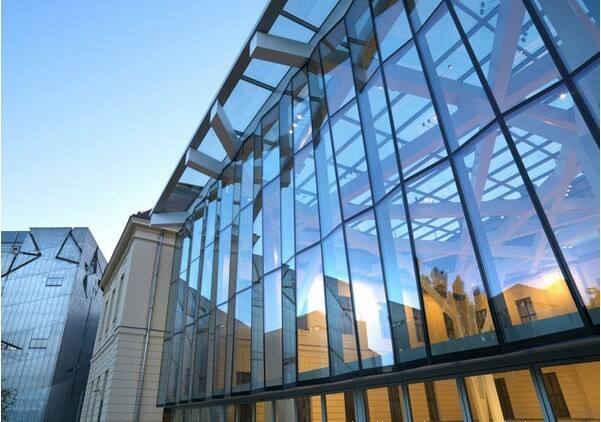
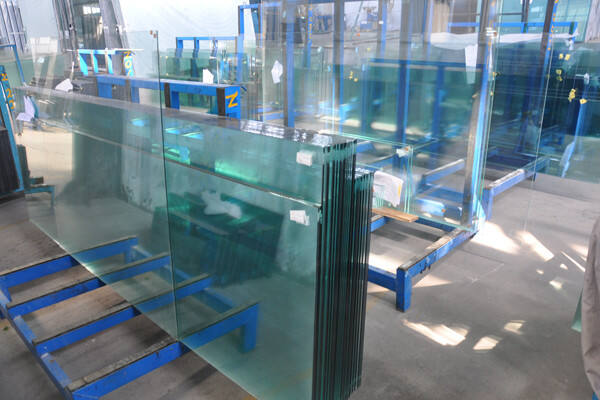
Large-format tempered glass represents a revolutionary advancement in architectural and construction materials, offering unprecedented strength, safety, and versatility for modern building projects. This specialized glass undergoes an intensive thermal treatment process that transforms ordinary glass into a robust material capable of withstanding extreme conditions while maintaining crystal-clear transparency. The manufacturing process involves heating the glass to temperatures exceeding 650 degrees Celsius, followed by rapid cooling with high-pressure air jets, creating internal stress patterns that dramatically increase its structural integrity. Large-format tempered glass panels can span impressive dimensions, typically ranging from standard commercial sizes to custom installations exceeding 3 meters in height and width, making them ideal for floor-to-ceiling windows, curtain walls, and expansive glass facades. The technological features of large-format tempered glass include superior impact resistance, enhanced thermal stability, and unique breakage characteristics that prioritize user safety. When subjected to extreme force, this glass shatters into small, relatively harmless fragments rather than dangerous shards, significantly reducing injury risk. The surface compression achieved through tempering creates glass that is approximately four to five times stronger than regular annealed glass of equivalent thickness. Modern production techniques ensure consistent quality across large panels, with advanced cutting and polishing methods that maintain optical clarity and dimensional precision. Applications for large-format tempered glass span numerous industries, from commercial architecture and residential construction to automotive and marine sectors. In architectural applications, these panels serve as structural glazing systems, decorative partitions, and energy-efficient building envelopes. The versatility extends to specialized applications including shower enclosures, display cases, protective barriers, and skylights. The material's ability to accommodate various edge treatments, hole drilling, and surface modifications makes it adaptable to countless design requirements while maintaining its essential safety and performance characteristics.

 EN
EN