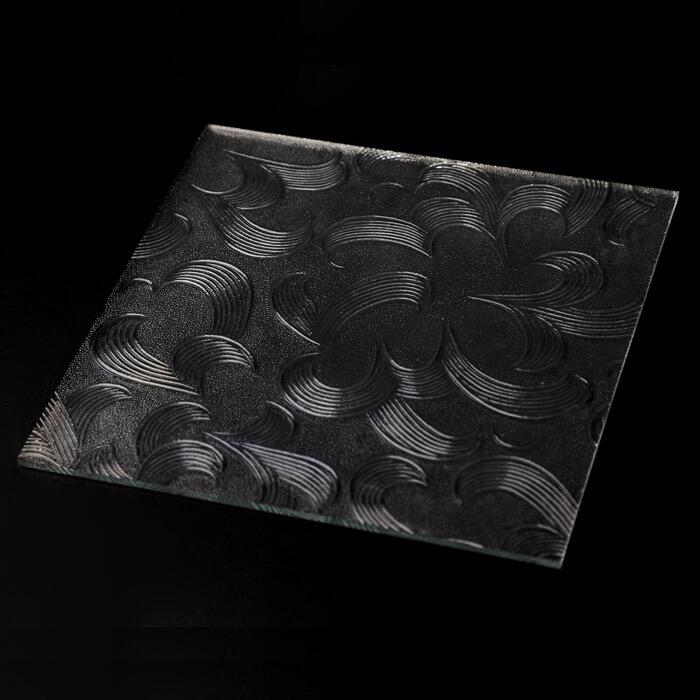
Industrial Toughened Glass Panels - Premium Safety Glass Solutions for Manufacturing & Industrial Applications

Get a Free Quote

Our representative will contact you soon.
Email
Name
Company Name
Message
0/1000

industrial toughened glass panels

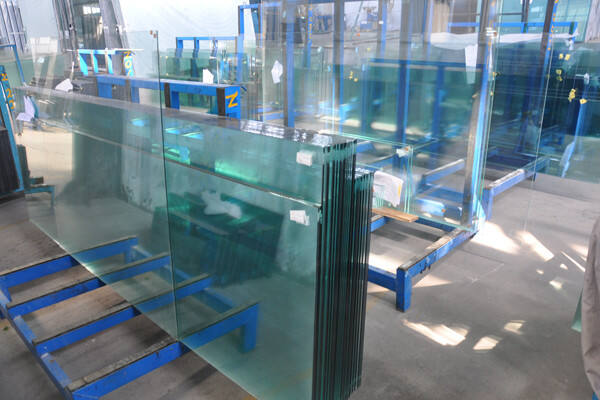
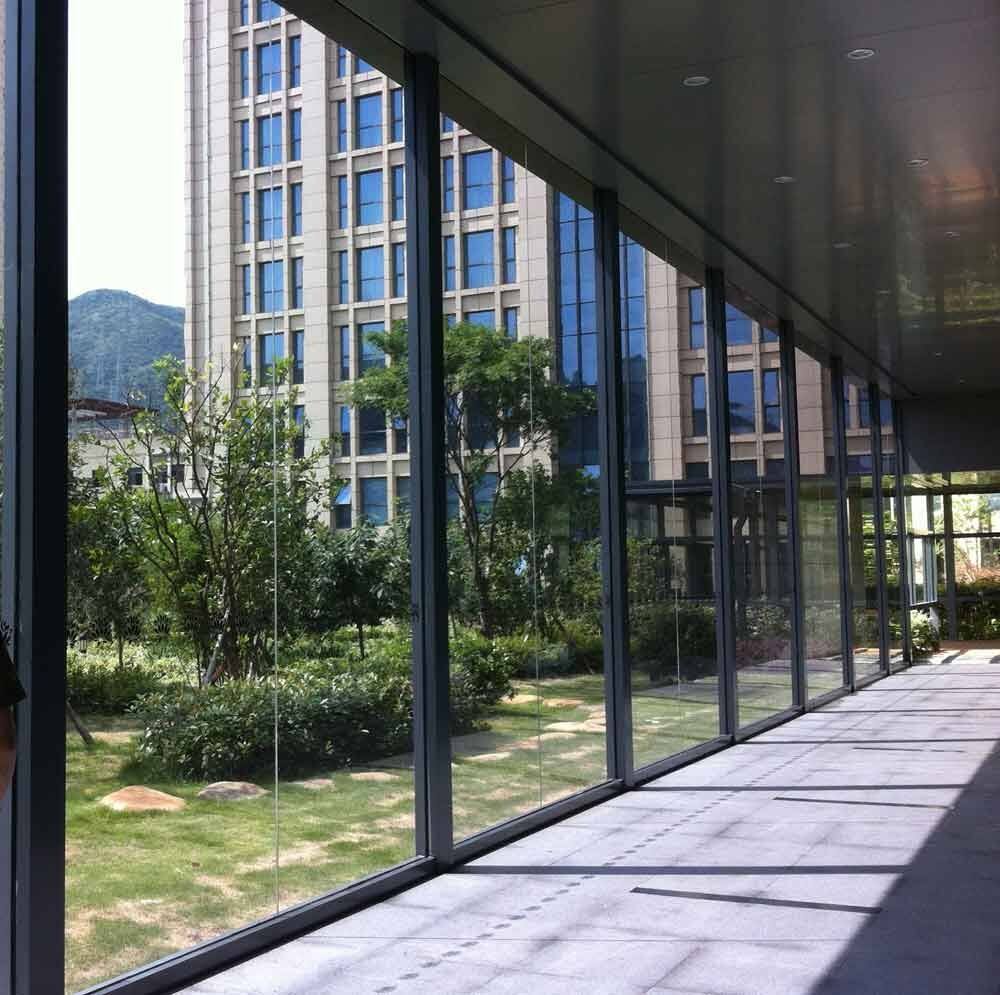
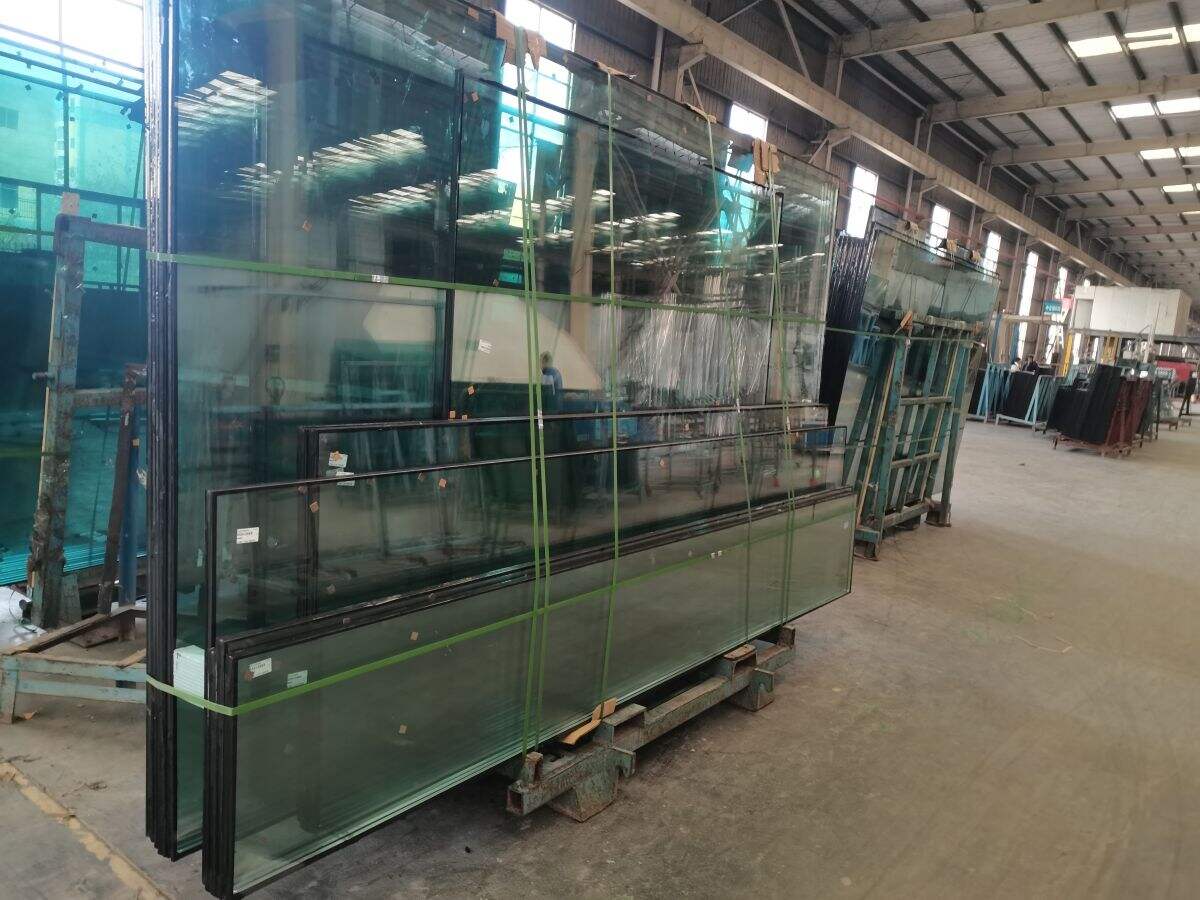
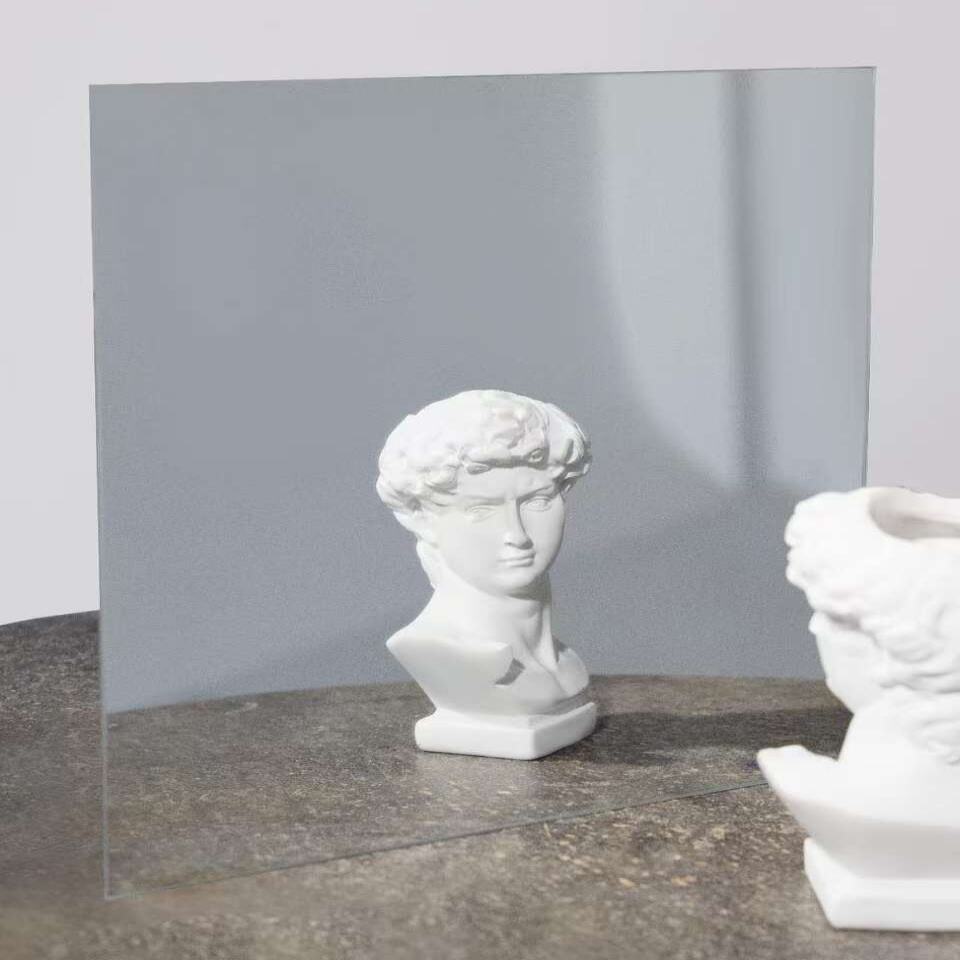
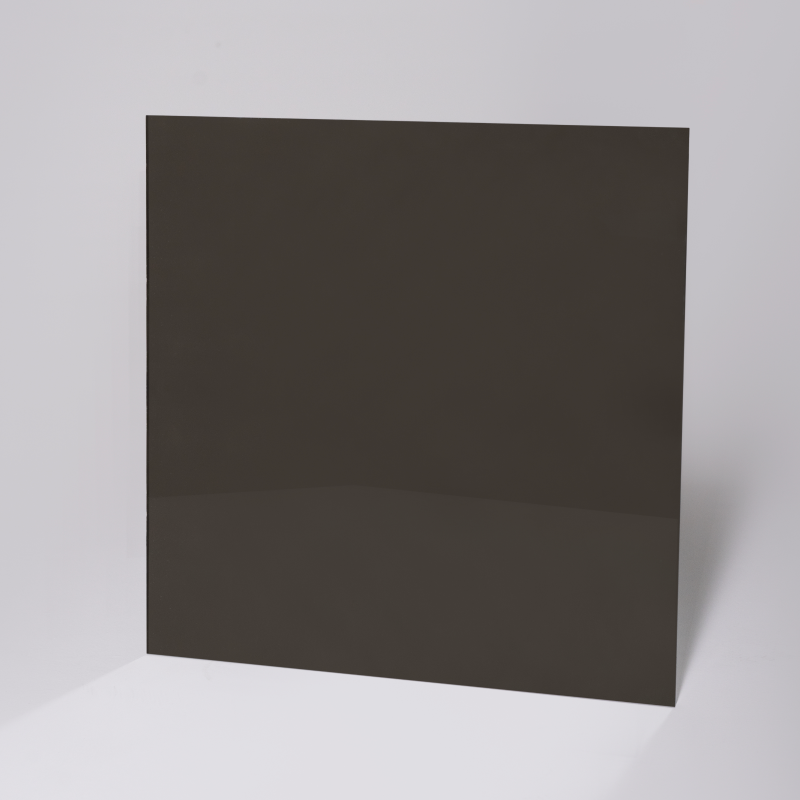
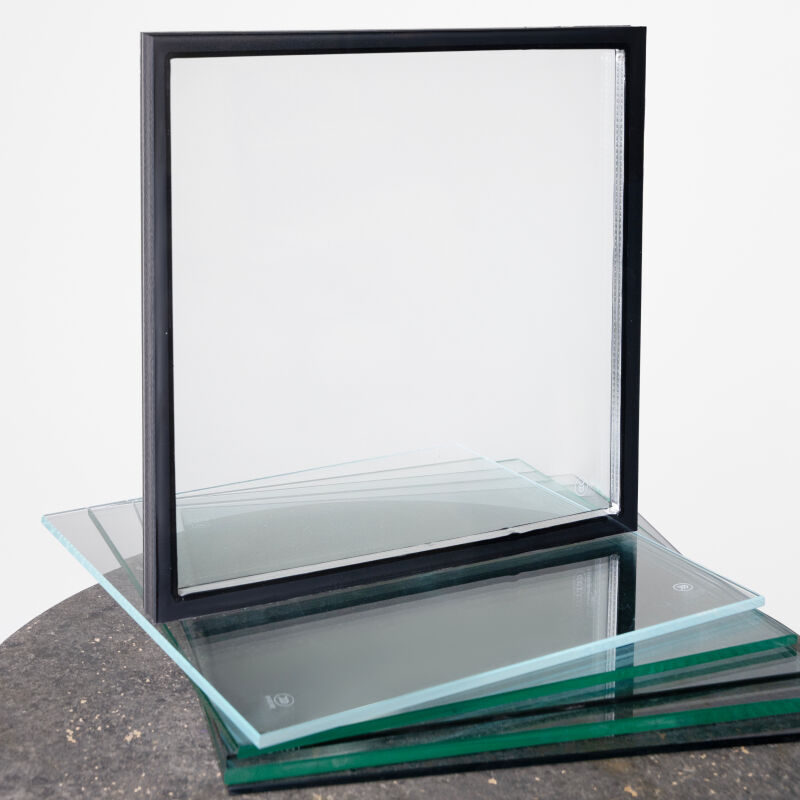
Industrial toughened glass panels represent a revolutionary advancement in safety glass technology, engineered specifically for demanding commercial and industrial environments. These specialized glass panels undergo an intensive heat treatment process that dramatically increases their strength and durability compared to standard glass materials. The manufacturing process involves heating the glass to approximately 650 degrees Celsius before rapidly cooling it through controlled air jets, creating internal stress patterns that make the glass four to five times stronger than regular glass. Industrial toughened glass panels serve multiple critical functions across various sectors, including architectural glazing, machinery protection, equipment housings, and safety barriers in manufacturing facilities. Their technological features include exceptional impact resistance, thermal shock resistance, and the ability to withstand extreme temperature variations without compromising structural integrity. When industrial toughened glass panels do break, they fragment into small, relatively harmless pieces rather than dangerous shards, significantly reducing injury risks in workplace environments. These panels can be customized with various thicknesses ranging from 4mm to 25mm, depending on specific application requirements. Surface treatments and coatings can be applied to enhance properties such as scratch resistance, anti-reflective characteristics, or easy-clean functionality. Industrial toughened glass panels find extensive applications in chemical processing plants, pharmaceutical manufacturing facilities, food processing centers, automotive assembly lines, and electronics manufacturing environments. They serve as observation windows, machine guards, control room partitions, and protective barriers where visibility and safety are paramount. The optical clarity of industrial toughened glass panels remains superior throughout their operational lifespan, maintaining crystal-clear visibility for monitoring critical processes. Their non-porous surface resists chemical corrosion and contamination, making them ideal for sterile environments where hygiene standards are crucial for operational success.
New Product Releases

Industrial toughened glass panels deliver exceptional value through their superior strength characteristics that far exceed conventional glass solutions. These panels resist impacts up to five times better than standard glass, protecting valuable equipment and personnel from accidental damage or injury. The enhanced durability means reduced replacement costs over time, as industrial toughened glass panels maintain their structural integrity under harsh operating conditions that would quickly compromise ordinary glass materials. Temperature resistance stands as another significant advantage, with these panels withstanding thermal shock from rapid temperature changes that commonly occur in industrial settings. This thermal stability prevents cracking and failure during heating and cooling cycles, ensuring continuous operation without unexpected downtime. Safety benefits cannot be overstated, as industrial toughened glass panels break into small, blunt fragments when damaged, eliminating the risk of serious lacerations that sharp glass shards typically cause. This safety feature proves invaluable in environments where worker protection is paramount. Maintenance requirements remain minimal due to the smooth, non-porous surface that resists staining and chemical absorption. Regular cleaning becomes effortless, and the panels maintain their optical clarity without developing the cloudiness or yellowing that affects some plastic alternatives over time. Chemical resistance allows industrial toughened glass panels to withstand exposure to acids, alkalis, and solvents commonly used in manufacturing processes without degradation. This chemical inertness ensures the panels won't contaminate sensitive processes or products, making them suitable for pharmaceutical and food production environments. Installation flexibility accommodates various mounting systems and configurations, allowing engineers to integrate industrial toughened glass panels into existing structures or new installations with minimal modifications. The lightweight nature compared to other protective materials reduces structural load requirements while maintaining superior protection levels. Cost-effectiveness emerges through the combination of longevity, reduced maintenance needs, and lower replacement frequency. While the initial investment may exceed standard glass options, the total cost of ownership proves significantly lower due to extended service life and minimal maintenance requirements. UV resistance prevents degradation from sunlight exposure, maintaining optical properties and structural integrity even in outdoor applications. These panels also provide excellent sound dampening properties, reducing noise transmission in industrial environments where acoustic control improves working conditions and regulatory compliance.

Latest News

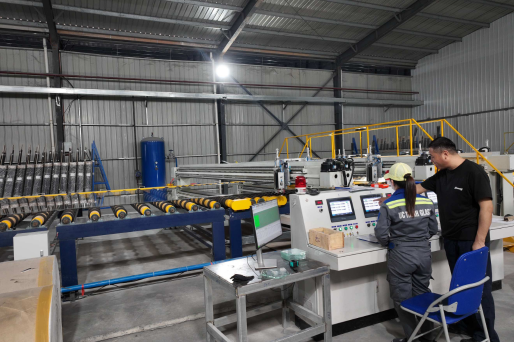
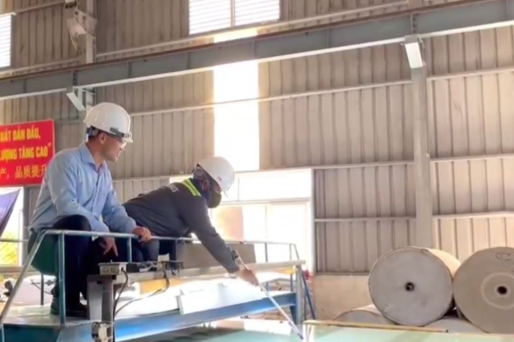
Deepening Roots in the Vietnamese Market, Zero-Distance Quality Control – The Company's Quality Director Works On-Site at the Vietnam Factory

08

Jan

Deepening Roots in the Vietnamese Market, Zero-Distance Quality Control – The Company's Quality Director Works On-Site at the Vietnam Factory

View More
Empowering Product Matrix, Jointly Exploring New Market Opportunities – The Company's Management Team Visits Glass Deep-processing Enterprises to Deepen Industrial Cooperation

08

Jan

Empowering Product Matrix, Jointly Exploring New Market Opportunities – The Company's Management Team Visits Glass Deep-processing Enterprises to Deepen Industrial Cooperation

View More
In-depth Popular Science of Float Glass: Unlocking the Mysteries of the

08

Jan

In-depth Popular Science of Float Glass: Unlocking the Mysteries of the "Transparent Cornerstone" from Raw Materials to Applications

View More

Get a Free Quote

Our representative will contact you soon.
Email
Name
Company Name
Message
0/1000

industrial toughened glass panels

Unmatched Safety Performance and Worker Protection

Unmatched Safety Performance and Worker Protection

Industrial toughened glass panels prioritize workplace safety through their unique fracture characteristics and impact resistance properties. When subjected to extreme force, these panels break into thousands of small, relatively harmless pieces instead of creating dangerous sharp shards that could cause severe injuries. This safety glazing behavior results from the controlled stress distribution created during the tempering process, where the glass surface is compressed while the interior remains in tension. The safety benefits extend beyond just fracture patterns, as industrial toughened glass panels can withstand significant impacts without breaking, often deflecting objects that would shatter standard glass. This impact resistance proves crucial in manufacturing environments where machinery vibrations, moving equipment, or accidental contact could compromise traditional glass barriers. The panels meet and exceed international safety standards, including ANSI Z97.1 and CPSC 16 CFR 1201, ensuring compliance with workplace safety regulations across different industries. Emergency egress capabilities remain intact even after impact damage, as the glass typically stays within its frame structure, allowing for controlled removal when necessary. The optical clarity maintains worker visibility for equipment monitoring and process observation, crucial for maintaining operational safety and quality control. Heat resistance prevents thermal stress failures that could create sudden glass breakage in high-temperature environments. Industrial toughened glass panels also resist scratching and surface damage that could create weak points leading to unexpected failures. Their chemical inertness ensures that exposure to industrial cleaning agents, solvents, or processing chemicals won't weaken the glass structure over time. Installation safety improves through standardized handling procedures and reduced weight compared to alternative protective materials. The panels' predictable behavior under stress allows safety engineers to design protection systems with confidence, knowing the glass will perform consistently under various load conditions. Quality assurance testing during manufacturing includes impact tests, thermal cycling, and stress analysis to ensure each panel meets rigorous safety specifications before installation.
Superior Thermal and Chemical Resistance for Industrial Applications

Superior Thermal and Chemical Resistance for Industrial Applications

Industrial toughened glass panels excel in challenging environments through their exceptional thermal and chemical resistance properties that maintain performance under extreme conditions. The tempering process creates a glass structure capable of withstanding rapid temperature changes up to 250 degrees Celsius without thermal stress cracking, making these panels ideal for applications involving heat treatment processes, furnace observation windows, and equipment subjected to thermal cycling. This thermal shock resistance prevents the expansion and contraction stresses that typically cause standard glass to fail in industrial heating and cooling applications. Chemical resistance ensures industrial toughened glass panels maintain their integrity when exposed to acids, bases, solvents, and other corrosive substances commonly found in manufacturing environments. Unlike plastic alternatives that may yellow, craze, or become brittle when exposed to chemicals, these glass panels retain their optical clarity and structural properties indefinitely. The non-porous surface prevents chemical absorption that could lead to degradation or contamination issues in sensitive manufacturing processes. Pharmaceutical and food processing industries particularly benefit from this chemical inertness, as the panels won't leach substances into products or absorb contaminants that could compromise sterility. Steam cleaning and high-pressure washing procedures used for industrial hygiene don't affect the glass structure, allowing for aggressive cleaning protocols without material degradation. UV resistance prevents the photochemical breakdown that affects many protective materials in outdoor or high-light environments, ensuring consistent performance throughout the panel's operational life. The smooth surface finish resists buildup of industrial residues, oils, and particulates, maintaining clear visibility for process monitoring and reducing cleaning frequency. Thermal expansion coefficients remain stable across the operating temperature range, preventing seal failures or mounting stress in glazing systems. Chemical compatibility extends to specialized coatings that can be applied for specific applications, such as anti-reflective treatments for precise optical applications or hydrophobic coatings for self-cleaning properties in dusty environments.
Cost-Effective Long-Term Performance and Minimal Maintenance Requirements

Cost-Effective Long-Term Performance and Minimal Maintenance Requirements

Industrial toughened glass panels deliver exceptional long-term value through their durability and minimal maintenance requirements that significantly reduce total ownership costs over their operational lifespan. The initial investment in these panels pays dividends through extended service life that often exceeds twenty years under normal industrial conditions, far surpassing the replacement cycles required for alternative materials. Maintenance costs remain minimal due to the glass surface's resistance to scratching, staining, and chemical etching that would require frequent replacement or refinishing of other protective materials. Regular cleaning requires only standard glass cleaners and basic equipment, eliminating the need for specialized maintenance procedures or costly cleaning agents. The panels' structural integrity remains stable throughout their service life, preventing the gradual degradation that affects plastic alternatives through UV exposure, chemical contact, or thermal cycling. This stability ensures consistent optical properties for process monitoring and quality control applications where visual clarity directly impacts operational efficiency. Replacement scheduling becomes predictable and infrequent, allowing for better budget planning and reduced inventory requirements for spare parts. Energy efficiency benefits emerge through the panels' excellent thermal insulation properties when installed in double or triple glazing configurations, reducing heating and cooling costs in climate-controlled industrial environments. The lightweight construction compared to alternative protective materials reduces structural support requirements, potentially eliminating costly framework modifications during installation or retrofitting projects. Insurance benefits often accompany installations of industrial toughened glass panels, as their safety characteristics and fire resistance properties may qualify for reduced premiums in some industrial insurance policies. Recycling value remains high at end-of-life, as glass materials can be completely recycled without quality loss, supporting corporate sustainability goals while recovering some initial investment costs. Standardized sizing and specifications simplify procurement and inventory management, reducing administrative costs and ensuring compatibility across different installation sites. The panels' resistance to environmental factors eliminates weather-related replacement needs that affect outdoor installations of other protective materials, further extending their cost-effective service life in challenging industrial environments.

Get a Free Quote

Our representative will contact you soon.
Email
Name
Company Name
Message
0/1000