Commercial Large Tempered Glass: Superior Safety, Strength, and Energy Efficiency for Modern Buildings

Get a Free Quote

Our representative will contact you soon.
Email
Name
Company Name
Message
0/1000

commercial large tempered glass

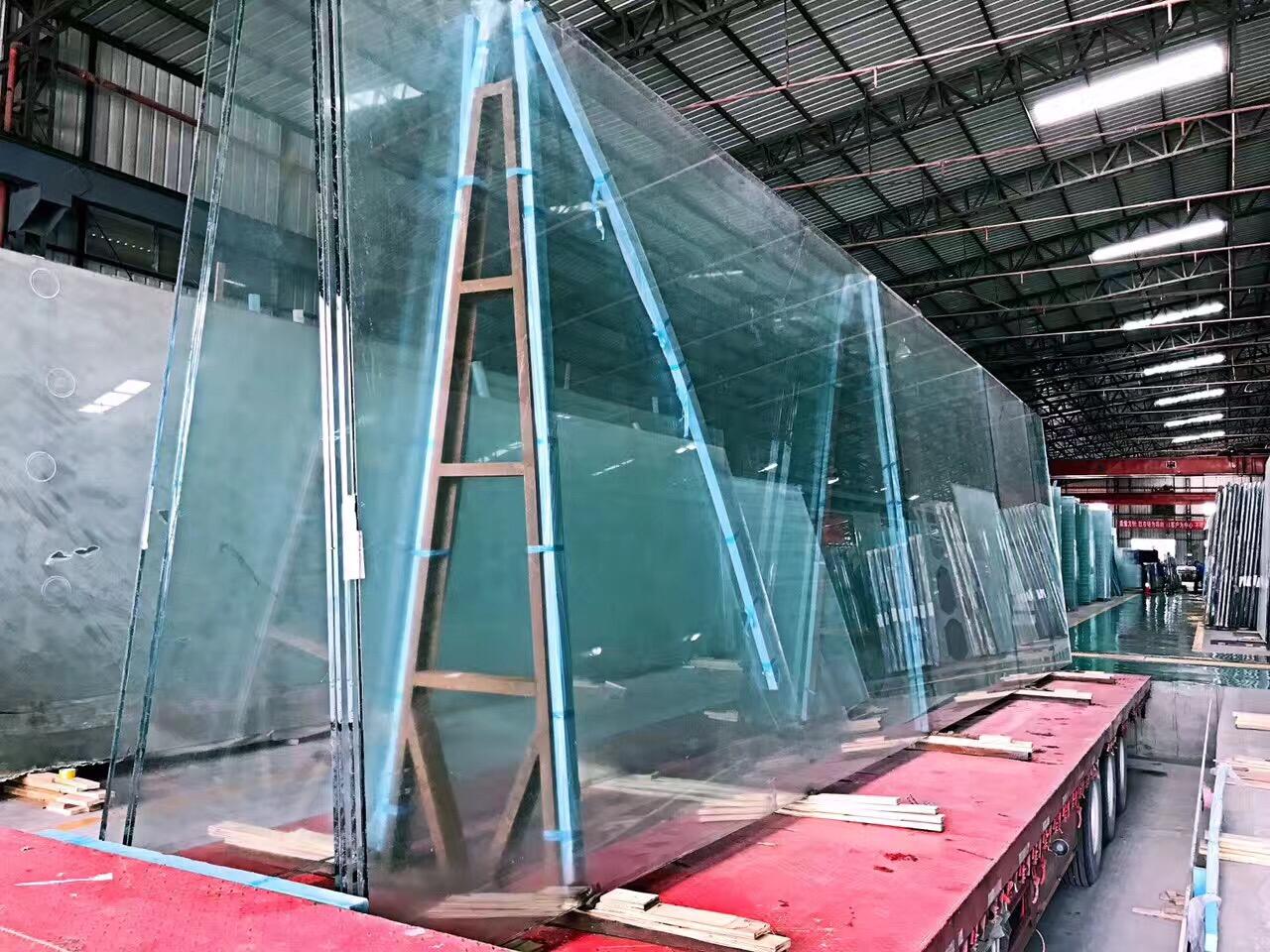
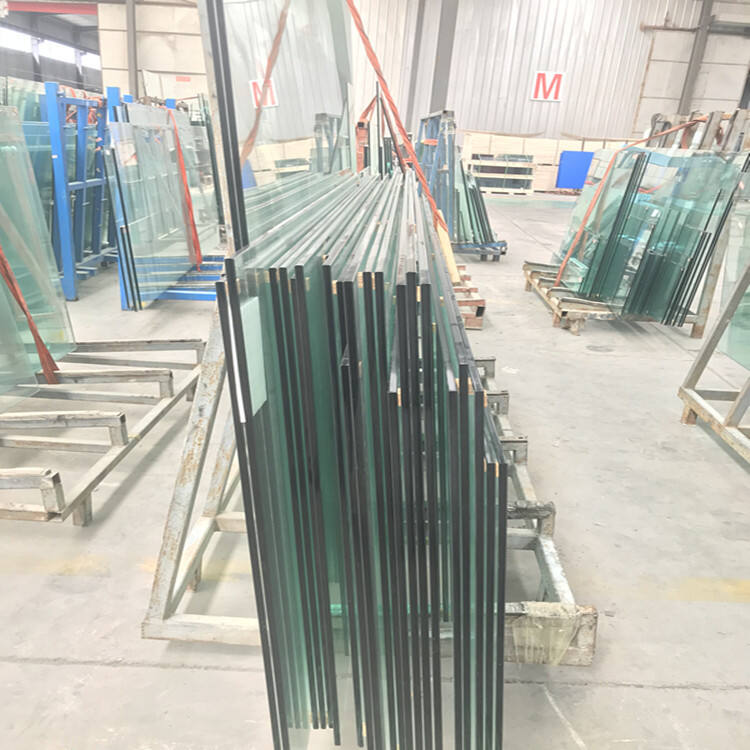
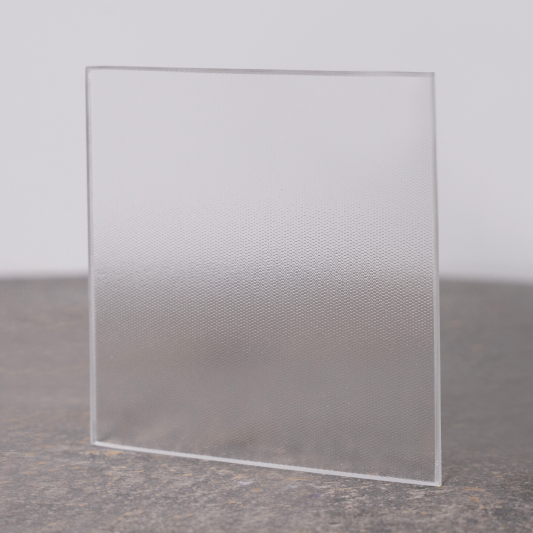
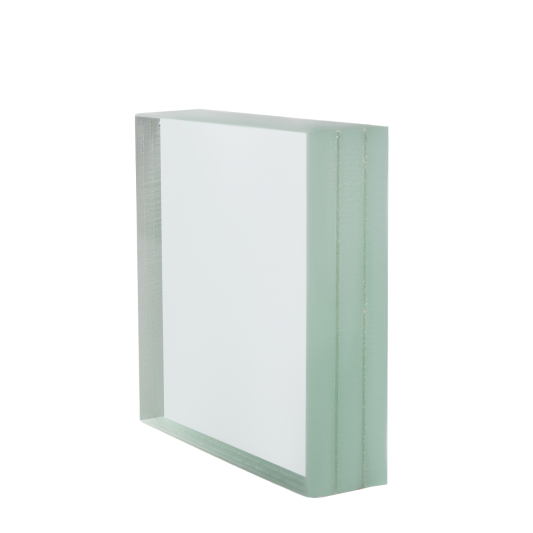
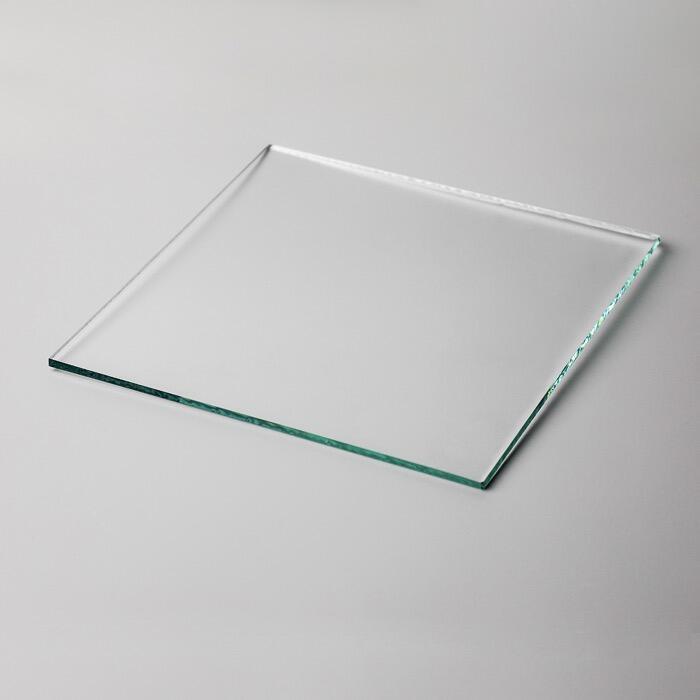
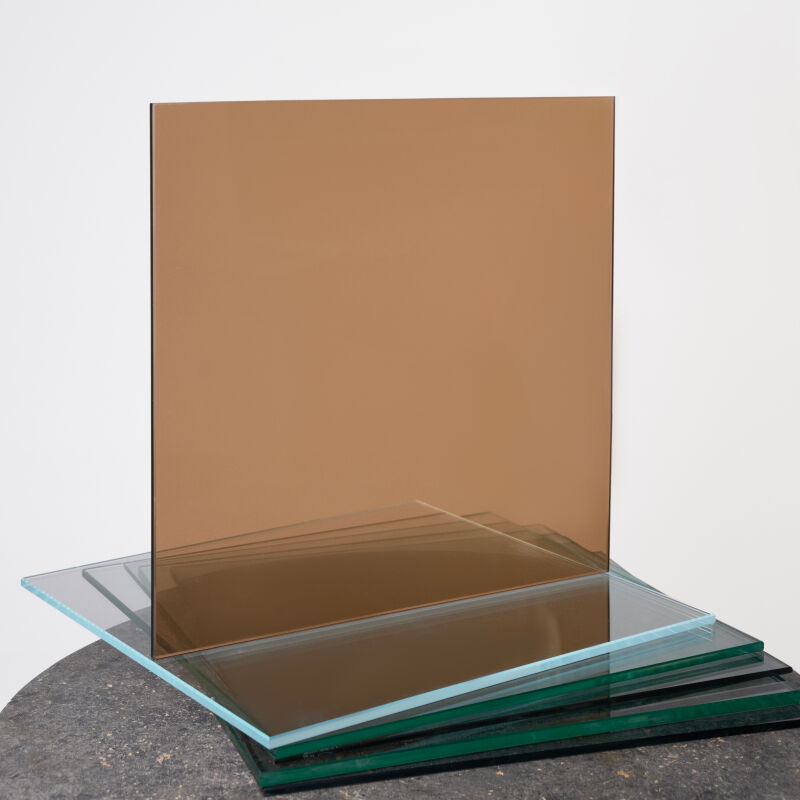
Commercial large tempered glass represents a revolutionary advancement in architectural and construction materials, delivering exceptional strength, safety, and versatility for modern building projects. This specialized glass undergoes a precise thermal tempering process that transforms ordinary float glass into a high-performance material capable of withstanding extreme conditions and demanding applications. The manufacturing process involves heating the glass to approximately 650 degrees Celsius before rapidly cooling it with controlled air jets, creating internal stresses that increase its mechanical strength by up to five times compared to standard glass. Commercial large tempered glass serves multiple critical functions across various industries, primarily providing structural integrity, safety protection, and aesthetic enhancement for buildings, storefronts, and architectural installations. The technological features of commercial large tempered glass include superior impact resistance, thermal shock resistance, and the unique characteristic of fragmenting into small, relatively harmless pieces when broken, rather than creating dangerous sharp shards. This safety glass technology makes it indispensable for applications where human safety is paramount. The surface compression strength typically ranges from 10,000 to 24,000 PSI, while the edge compression strength can reach up to 9,600 PSI, demonstrating remarkable structural performance. Applications for commercial large tempered glass span across numerous sectors including retail establishments, office buildings, hotels, hospitals, educational facilities, and residential high-rises. It commonly serves as curtain wall systems, storefront glazing, partition walls, entrance doors, shower enclosures, and decorative architectural elements. The glass can be manufactured in substantial dimensions, often reaching sizes up to 130 inches by 76 inches, accommodating large-scale commercial requirements. Advanced coating technologies can be applied to commercial large tempered glass, including low-emissivity coatings for energy efficiency, reflective coatings for solar control, and anti-reflective treatments for enhanced visibility. These technological enhancements allow architects and designers to achieve specific performance criteria while maintaining aesthetic appeal and meeting building code requirements for safety and energy conservation.
New Product Recommendations

Commercial large tempered glass offers numerous compelling advantages that make it the preferred choice for demanding commercial applications across multiple industries. The primary benefit lies in its exceptional safety characteristics, as this specially processed glass eliminates the risk of severe injury associated with traditional glass breakage. When commercial large tempered glass does break, it crumbles into small, cube-like fragments with dulled edges, preventing the formation of dangerous sharp pieces that could cause serious lacerations or injuries. This safety feature alone makes it indispensable for high-traffic commercial environments where public safety is paramount. The strength advantage of commercial large tempered glass cannot be overstated, as it provides four to five times greater resistance to impact, wind loads, and thermal stress compared to ordinary glass. This enhanced durability translates directly into reduced maintenance costs and fewer replacement requirements over the lifespan of commercial installations. Building owners benefit from significant long-term cost savings while ensuring consistent performance under challenging environmental conditions. Energy efficiency represents another major advantage of commercial large tempered glass, particularly when combined with advanced coating technologies. Low-emissivity coatings can reduce heat transfer by up to 70 percent, resulting in substantial savings on heating and cooling costs for commercial buildings. This energy performance directly impacts operational expenses while contributing to environmental sustainability goals and LEED certification requirements. The thermal resistance properties of commercial large tempered glass allow it to withstand temperature differentials of up to 250 degrees Fahrenheit without breaking, making it suitable for applications exposed to extreme weather conditions or rapid temperature changes. This thermal stability ensures consistent performance across diverse climatic conditions and reduces the risk of thermal stress fractures. Installation flexibility provides practical benefits for architects and contractors, as commercial large tempered glass can be cut, drilled, and shaped during the manufacturing process to meet precise specifications. However, once tempered, the glass cannot be modified, which eliminates field cutting risks and ensures proper fit during installation. The manufacturing precision available with commercial large tempered glass allows for custom sizing, edge finishing, and specialized treatments that meet exact project requirements. Maintenance advantages include superior resistance to scratching, weathering, and chemical damage compared to standard glass products. The smooth, non-porous surface of commercial large tempered glass resists staining and allows for easy cleaning with standard commercial cleaning products. This low-maintenance characteristic reduces building operating costs and ensures consistent appearance over extended periods. Sound control capabilities of commercial large tempered glass can be enhanced through laminated constructions, providing acoustic benefits for commercial spaces requiring noise reduction. The combination of strength, safety, and sound control makes it ideal for urban environments where external noise management is essential for occupant comfort and productivity.

Latest News

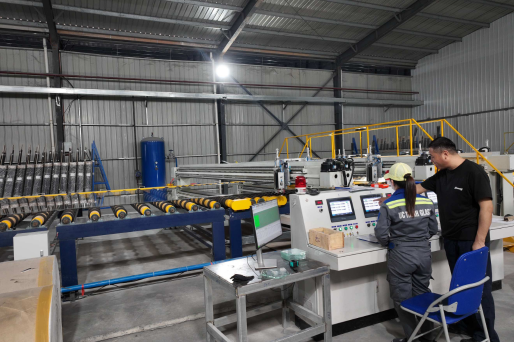
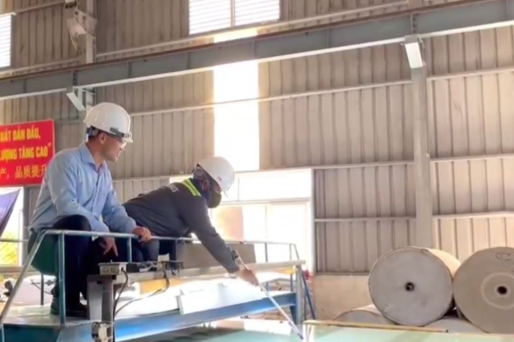
Deepening Roots in the Vietnamese Market, Zero-Distance Quality Control – The Company's Quality Director Works On-Site at the Vietnam Factory

08

Jan

Deepening Roots in the Vietnamese Market, Zero-Distance Quality Control – The Company's Quality Director Works On-Site at the Vietnam Factory

View More
Empowering Product Matrix, Jointly Exploring New Market Opportunities – The Company's Management Team Visits Glass Deep-processing Enterprises to Deepen Industrial Cooperation

08

Jan

Empowering Product Matrix, Jointly Exploring New Market Opportunities – The Company's Management Team Visits Glass Deep-processing Enterprises to Deepen Industrial Cooperation

View More
In-depth Popular Science of Float Glass: Unlocking the Mysteries of the

08

Jan

In-depth Popular Science of Float Glass: Unlocking the Mysteries of the "Transparent Cornerstone" from Raw Materials to Applications

View More

Get a Free Quote

Our representative will contact you soon.
Email
Name
Company Name
Message
0/1000

commercial large tempered glass

Unmatched Safety Performance Through Advanced Tempering Technology

Unmatched Safety Performance Through Advanced Tempering Technology

The safety performance of commercial large tempered glass sets the industry standard for protective glazing systems in high-risk commercial environments. This exceptional safety characteristic stems from the sophisticated tempering process that fundamentally alters the internal stress distribution within the glass structure. During manufacturing, commercial large tempered glass undergoes controlled heating to approximately 650 degrees Celsius, followed by rapid cooling that creates beneficial compressive stresses on the surface while maintaining tensile stresses in the core. This engineered stress pattern is what gives commercial large tempered glass its unique fracture behavior and superior impact resistance. When subjected to sufficient force to cause breakage, commercial large tempered glass fragmentats into thousands of small, relatively harmless pieces rather than creating large, sharp shards that pose severe injury risks. This safety glazing characteristic has been extensively tested and certified to meet stringent safety standards including ANSI Z97.1 and CPSC 16 CFR 1201, ensuring compliance with building codes and safety regulations across all commercial applications. The practical implications of this safety performance are particularly significant in high-traffic commercial spaces such as shopping centers, office buildings, schools, and healthcare facilities where public safety is paramount. Property owners and facility managers can confidently specify commercial large tempered glass knowing that it provides maximum protection against accidental impact while maintaining excellent optical clarity and structural performance. The reduced liability exposure associated with commercial large tempered glass installations provides additional value through lower insurance premiums and reduced risk of costly injury claims. Beyond the immediate safety benefits, commercial large tempered glass offers peace of mind for building owners, architects, and occupants alike. The proven track record of safety performance in millions of installations worldwide demonstrates the reliability and effectiveness of this advanced glazing technology. Emergency egress applications particularly benefit from commercial large tempered glass, as the predictable fracture pattern allows for controlled breakage when necessary while maintaining structural integrity under normal operating conditions.
Superior Structural Strength for Demanding Commercial Applications

Superior Structural Strength for Demanding Commercial Applications

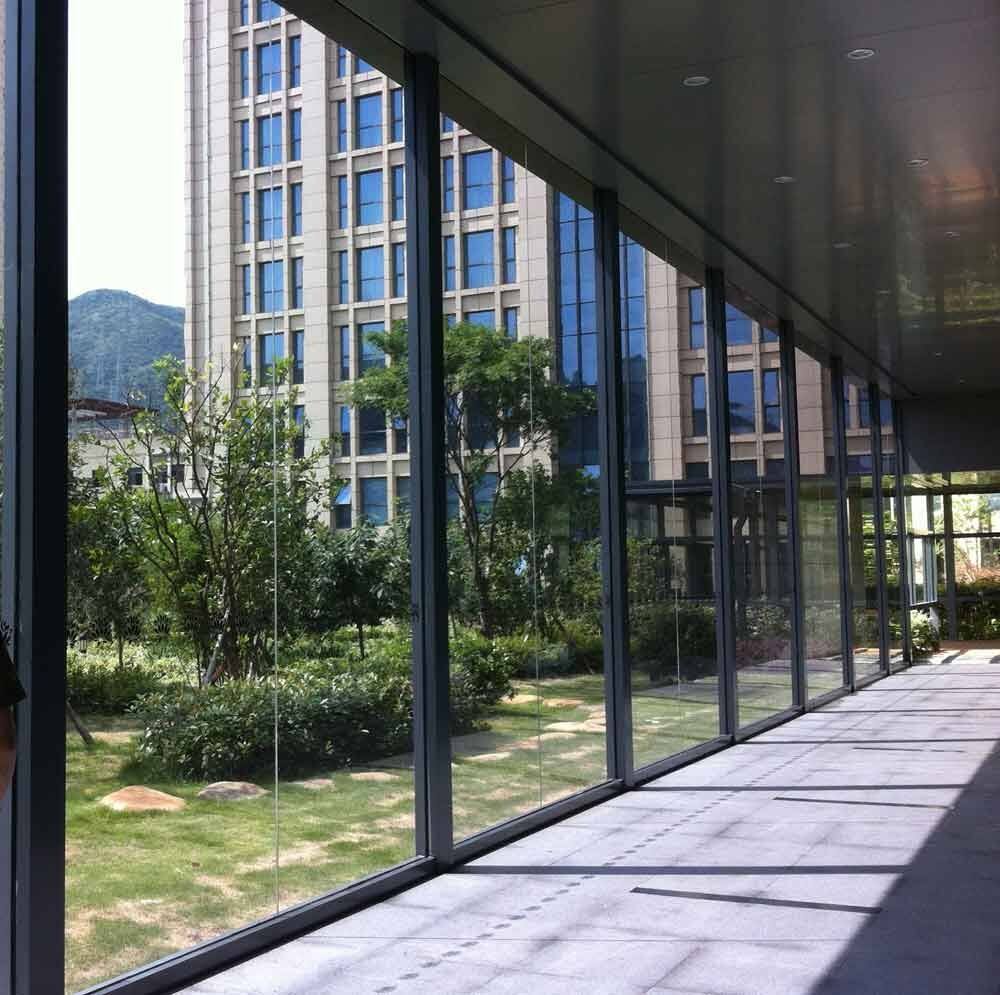
The structural strength capabilities of commercial large tempered glass represent a quantum leap in glazing performance, delivering load-bearing capacity that exceeds conventional glass products by a factor of four to five times. This remarkable strength enhancement results from the precise tempering process that creates a state of balanced internal stresses throughout the glass structure. The surface of commercial large tempered glass maintains compressive stresses ranging from 10,000 to 24,000 PSI, while the interior core balances these forces with controlled tensile stresses. This engineered stress distribution enables commercial large tempered glass to withstand substantial wind loads, seismic forces, thermal expansion, and impact stresses that would cause ordinary glass to fail catastrophically. Commercial building applications particularly benefit from this enhanced structural performance, as commercial large tempered glass can span larger openings without requiring additional structural support members. This capability enables architects to create expansive glass facades, floor-to-ceiling windows, and open sightlines that would be impossible with standard glazing materials. The structural reliability of commercial large tempered glass has been validated through extensive testing programs that simulate extreme weather conditions, including hurricane-force winds, hail impact, and thermal cycling. These performance characteristics make commercial large tempered glass indispensable for coastal construction projects, high-rise buildings, and structures exposed to severe environmental conditions. The load-bearing capacity of commercial large tempered glass allows it to function as a structural element within curtain wall systems, reducing the overall weight and complexity of building envelope designs. This structural contribution translates into cost savings through reduced framing requirements and simplified installation procedures. Quality control measures during manufacturing ensure consistent strength properties throughout each piece of commercial large tempered glass, eliminating weak points and ensuring predictable performance under design loads. The edge strength of commercial large tempered glass receives particular attention during manufacturing, as proper edge finishing and polishing are critical to maintaining the full structural capacity of the glazing system. Professional installation techniques maximize the structural benefits of commercial large tempered glass by ensuring proper support conditions and load distribution across the entire glazed opening.
Exceptional Thermal Performance and Energy Efficiency Solutions

Exceptional Thermal Performance and Energy Efficiency Solutions

The thermal performance characteristics of commercial large tempered glass provide unprecedented energy efficiency opportunities for modern commercial buildings, delivering substantial operational cost savings while enhancing occupant comfort and environmental sustainability. Advanced thermal processing techniques used in manufacturing commercial large tempered glass create superior resistance to thermal shock and temperature differentials, allowing the glass to withstand extreme temperature variations without structural failure. This thermal stability enables commercial large tempered glass to perform reliably in applications exposed to rapid temperature changes, such as curtain wall systems on high-rise buildings where solar heating and cooling cycles create significant thermal stress. The thermal expansion coefficient of commercial large tempered glass remains consistent across varying temperatures, ensuring dimensional stability and preventing seal failures in glazing systems. Energy efficiency enhancements available with commercial large tempered glass include low-emissivity coatings that can reduce heat transfer by up to 70 percent compared to clear glass installations. These high-performance coatings reflect infrared radiation while maintaining excellent visible light transmission, optimizing natural daylighting while minimizing cooling loads. Solar control coatings applied to commercial large tempered glass can reject up to 80 percent of solar heat gain, dramatically reducing air conditioning requirements in commercial buildings located in warm climates. The combination of thermal strength and energy-efficient coatings makes commercial large tempered glass an ideal solution for green building projects seeking LEED certification and energy code compliance. Thermal bridge elimination represents another significant benefit of commercial large tempered glass installations, as the continuous glazing surface reduces conductive heat transfer through structural framing members. This thermal performance contributes to overall building envelope efficiency and helps maintain consistent interior temperatures throughout commercial spaces. Condensation resistance properties of commercial large tempered glass prevent moisture buildup that can lead to mold growth, interior air quality issues, and structural damage. The thermal mass characteristics of commercial large tempered glass contribute to passive solar heating strategies in commercial buildings, absorbing solar energy during peak sun hours and releasing it gradually to maintain comfortable interior temperatures. Life cycle cost analysis consistently demonstrates that commercial large tempered glass installations provide excellent return on investment through reduced energy consumption, lower maintenance requirements, and enhanced durability compared to alternative glazing systems.

Get a Free Quote

Our representative will contact you soon.
Email
Name
Company Name
Message
0/1000