high-strength large tempered glass
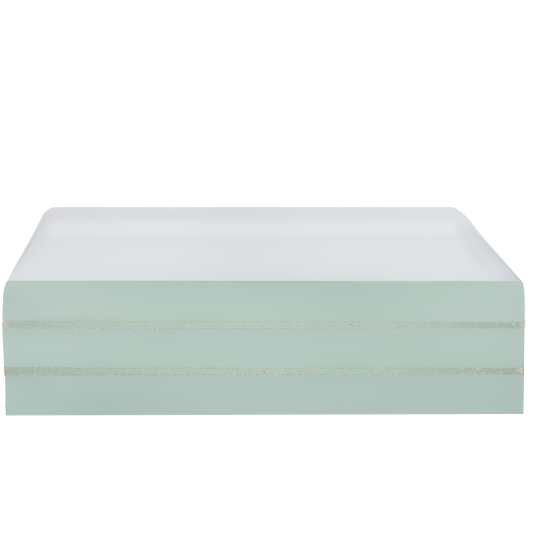
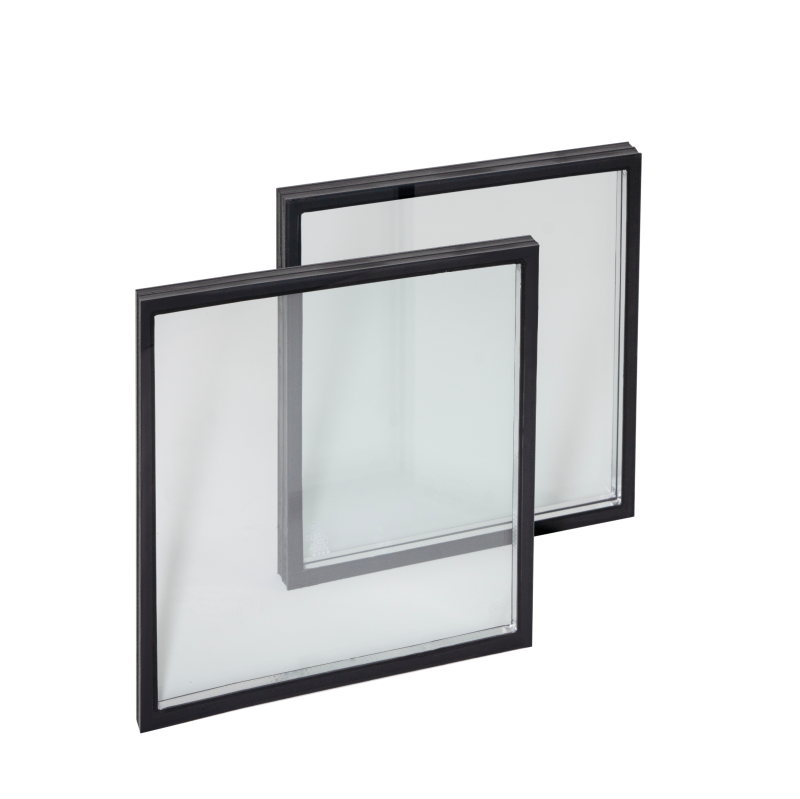
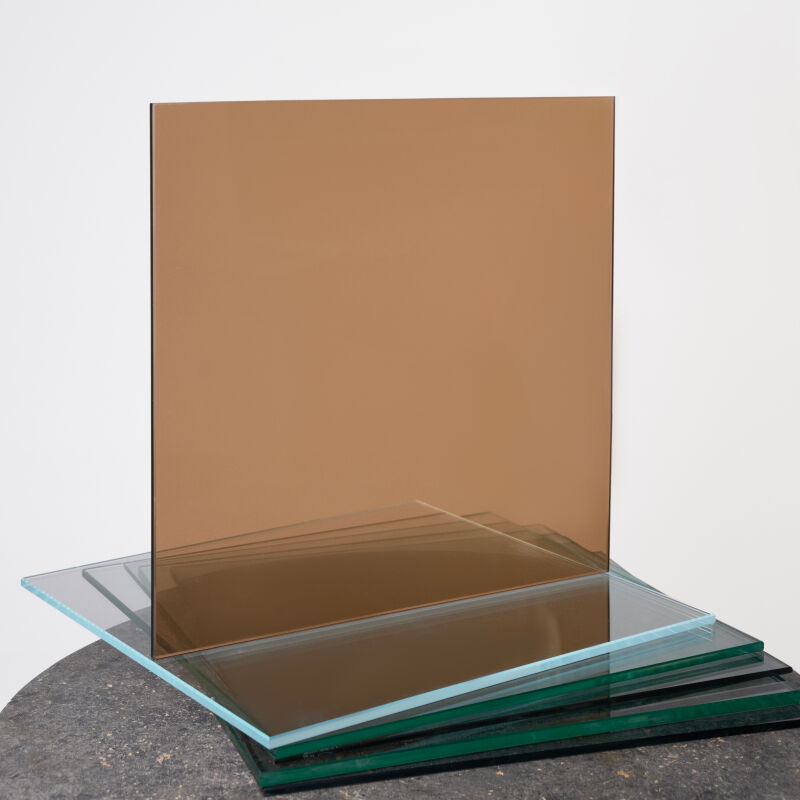
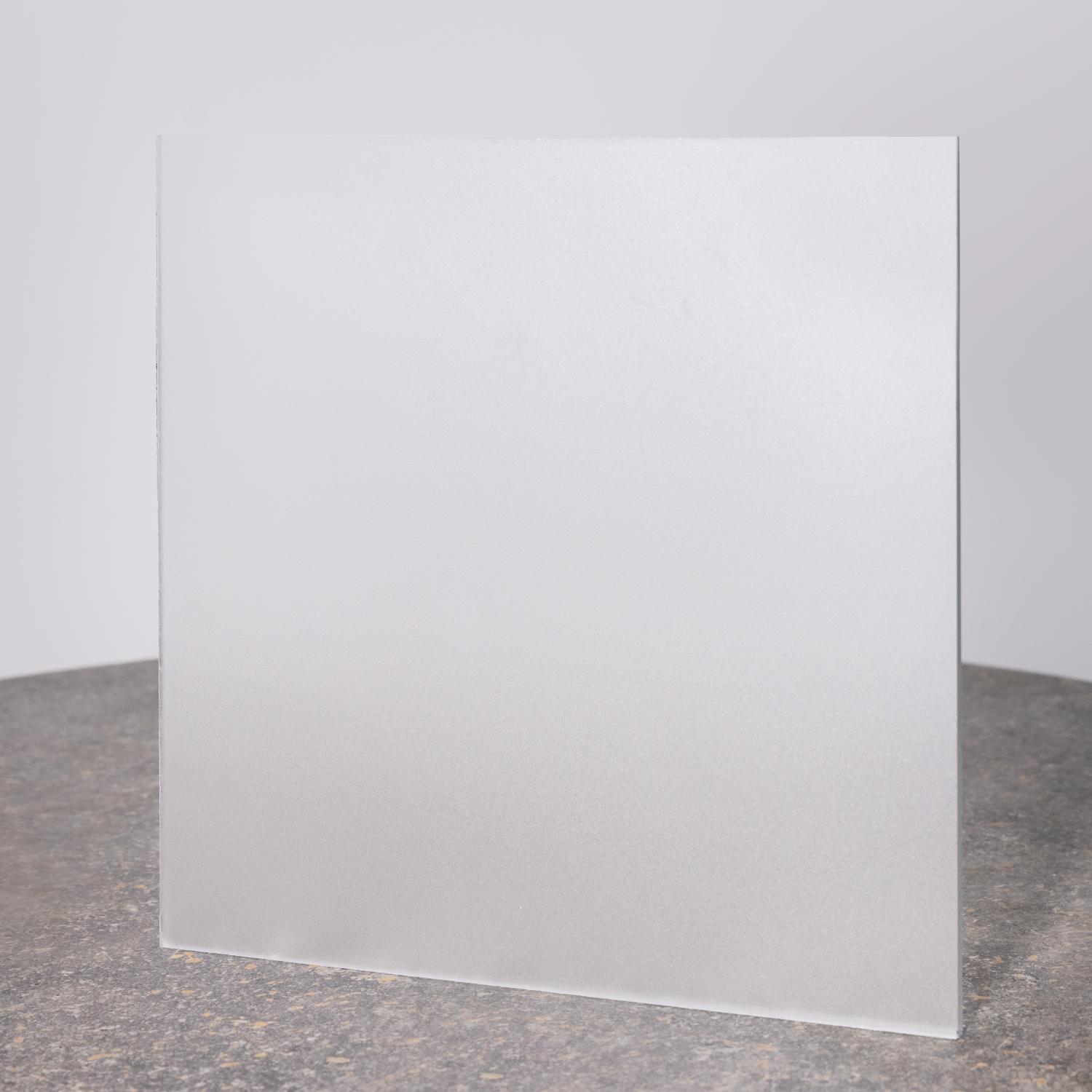
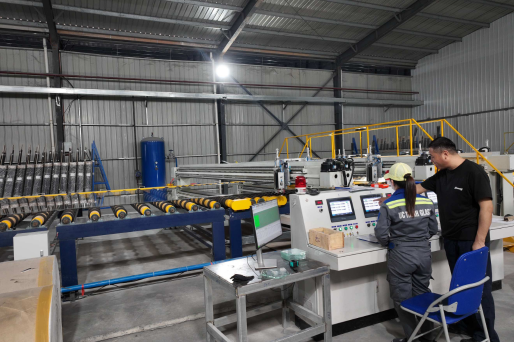
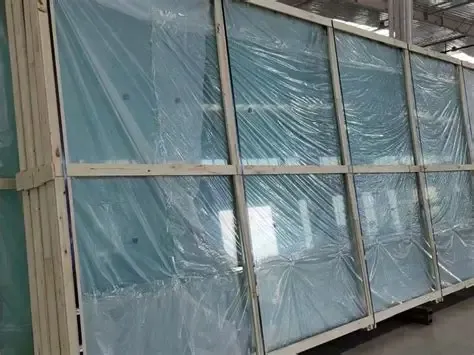
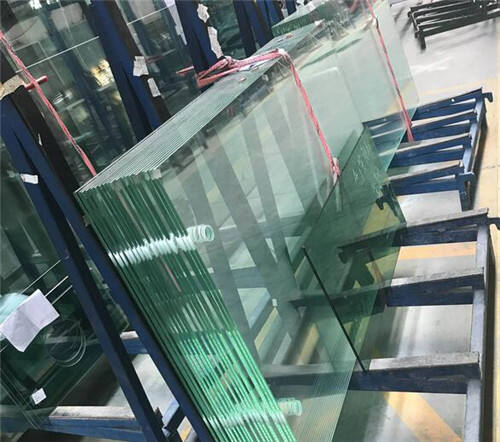
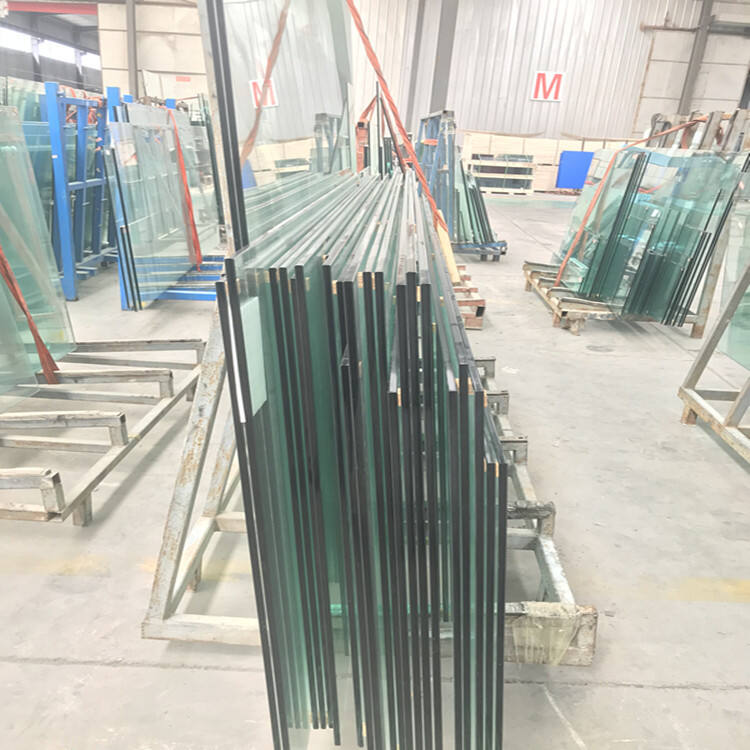
High-strength large tempered glass represents a revolutionary advancement in architectural and industrial glazing solutions, combining exceptional durability with impressive size capabilities. This specialized glass undergoes a comprehensive thermal tempering process that transforms ordinary float glass into a superior building material with remarkable safety characteristics and structural integrity. The manufacturing process involves heating the glass to approximately 620 degrees Celsius before rapidly cooling it through controlled air jets, creating internal stresses that significantly enhance its strength properties. High-strength large tempered glass typically demonstrates impact resistance four to five times greater than standard annealed glass of equivalent thickness. The technological features of this advanced glazing material include precise dimensional control, uniform stress distribution, and exceptional optical clarity maintained throughout the tempering process. Modern production facilities can manufacture high-strength large tempered glass panels reaching dimensions of up to 18 feet by 8 feet, enabling architects and designers to create expansive glazed facades without compromising structural performance. The material exhibits superior thermal shock resistance, withstanding temperature differentials of up to 200 degrees Celsius without failure. Applications for high-strength large tempered glass span numerous industries, including commercial construction, residential architecture, automotive manufacturing, furniture design, and specialized industrial equipment. In commercial buildings, these glass panels serve as curtain walls, storefront glazing, and interior partitions, providing natural light penetration while maintaining structural safety requirements. Residential applications include large sliding doors, floor-to-ceiling windows, and glass railings that maximize views while ensuring occupant protection. The automotive industry utilizes high-strength large tempered glass for side windows and rear windshields, where safety regulations demand materials that fragment into small, relatively harmless pieces upon impact. Furniture manufacturers incorporate this glass into tabletops, shelving systems, and decorative elements that require both aesthetic appeal and practical durability.

 EN
EN