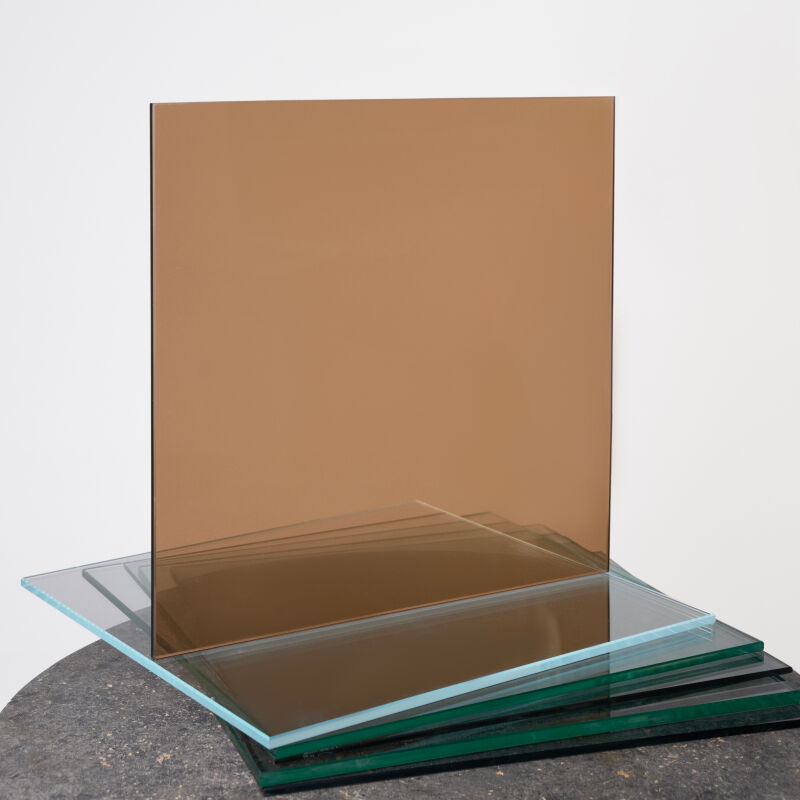
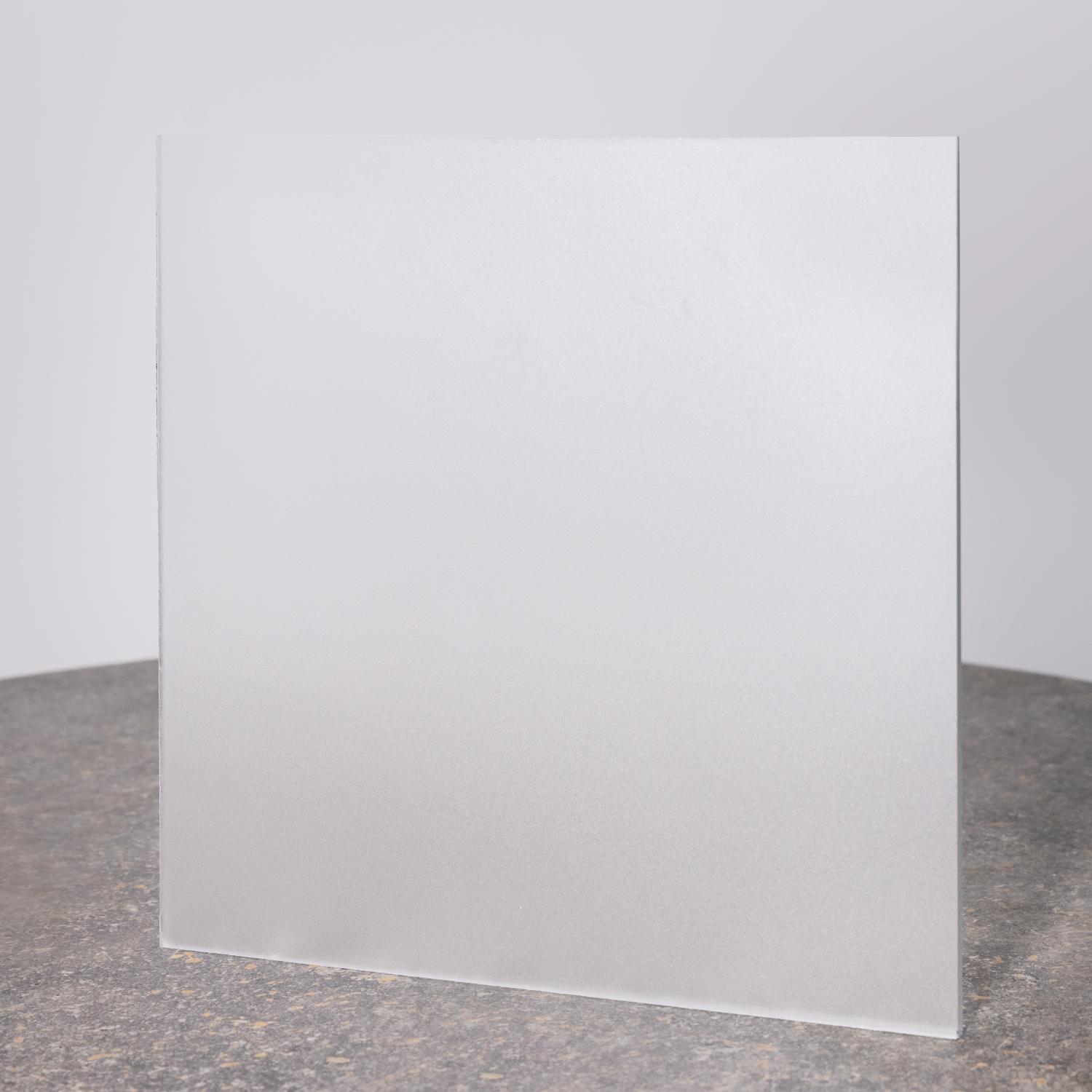
High-Strength Large Tempered Glass: Superior Safety, Durability & Performance Solutions

Get a Free Quote

Our representative will contact you soon.
Email
Name
Company Name
Message
0/1000

high-strength large tempered glass

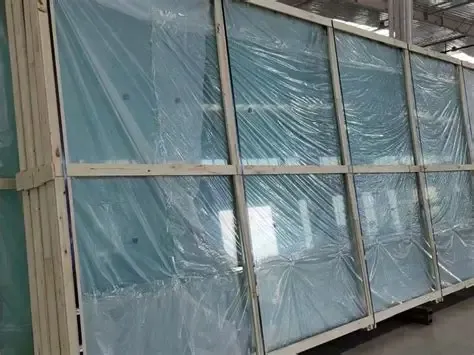
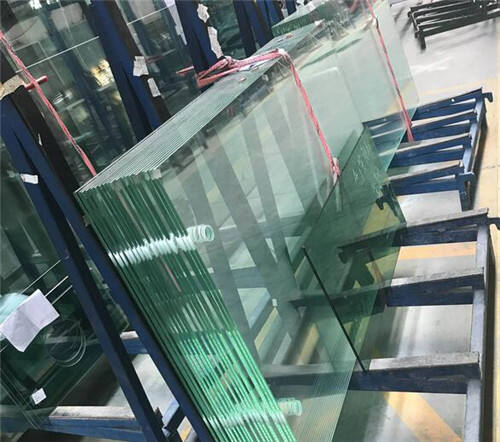
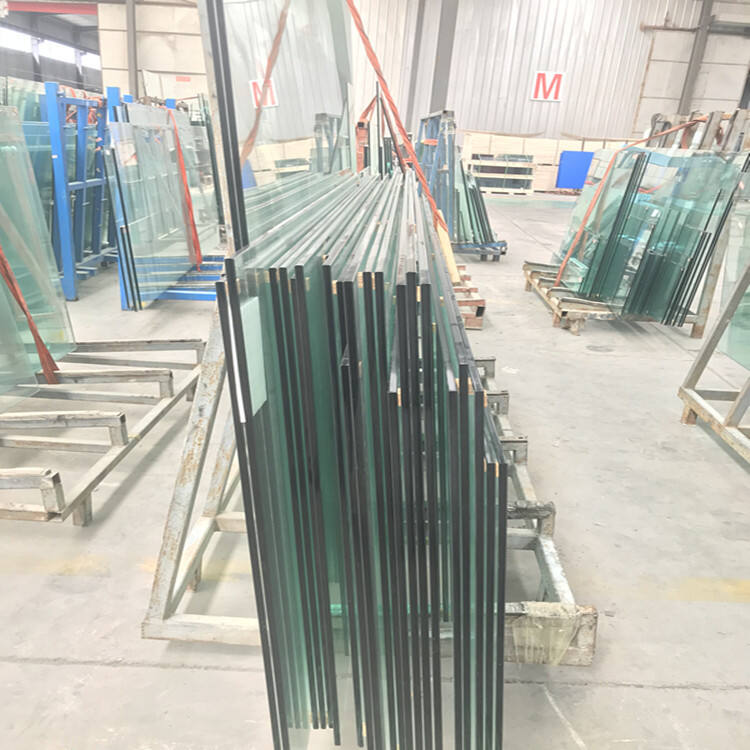
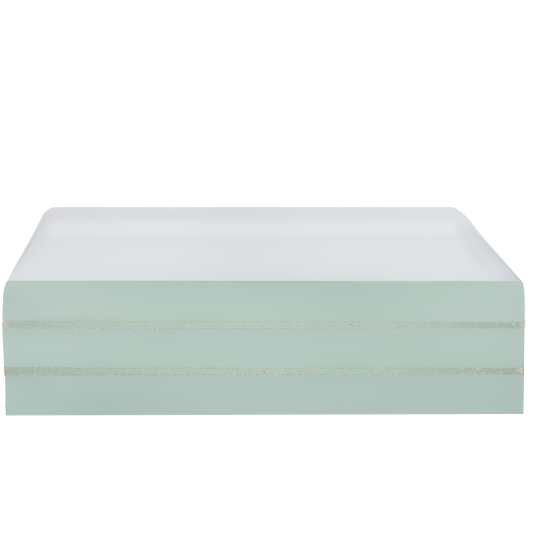
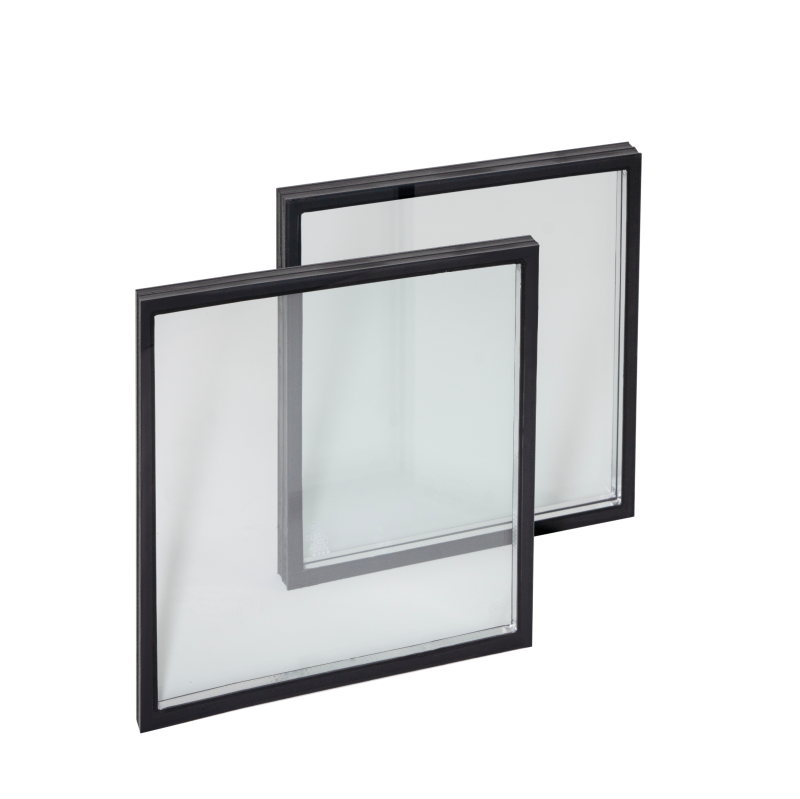
High-strength large tempered glass represents a revolutionary advancement in architectural and industrial glazing solutions, combining exceptional durability with impressive size capabilities. This specialized glass undergoes a comprehensive thermal tempering process that transforms ordinary float glass into a superior building material with remarkable safety characteristics and structural integrity. The manufacturing process involves heating the glass to approximately 620 degrees Celsius before rapidly cooling it through controlled air jets, creating internal stresses that significantly enhance its strength properties. High-strength large tempered glass typically demonstrates impact resistance four to five times greater than standard annealed glass of equivalent thickness. The technological features of this advanced glazing material include precise dimensional control, uniform stress distribution, and exceptional optical clarity maintained throughout the tempering process. Modern production facilities can manufacture high-strength large tempered glass panels reaching dimensions of up to 18 feet by 8 feet, enabling architects and designers to create expansive glazed facades without compromising structural performance. The material exhibits superior thermal shock resistance, withstanding temperature differentials of up to 200 degrees Celsius without failure. Applications for high-strength large tempered glass span numerous industries, including commercial construction, residential architecture, automotive manufacturing, furniture design, and specialized industrial equipment. In commercial buildings, these glass panels serve as curtain walls, storefront glazing, and interior partitions, providing natural light penetration while maintaining structural safety requirements. Residential applications include large sliding doors, floor-to-ceiling windows, and glass railings that maximize views while ensuring occupant protection. The automotive industry utilizes high-strength large tempered glass for side windows and rear windshields, where safety regulations demand materials that fragment into small, relatively harmless pieces upon impact. Furniture manufacturers incorporate this glass into tabletops, shelving systems, and decorative elements that require both aesthetic appeal and practical durability.

New Products

High-strength large tempered glass delivers exceptional safety benefits that make it the preferred choice for applications requiring reliable protection and peace of mind. When this specialized glass experiences impact or stress beyond its limits, it fragments into thousands of small, cube-like pieces with dulled edges, dramatically reducing the risk of serious injury compared to ordinary glass that breaks into dangerous shards. This safety characteristic makes high-strength large tempered glass ideal for areas with high human traffic and potential contact scenarios. The superior strength properties enable designers to specify thinner glass sections while maintaining structural requirements, resulting in reduced material costs and lighter overall installations. Large format capabilities eliminate the need for multiple smaller panels and connecting hardware, creating cleaner aesthetic lines and reducing potential failure points in glazing systems. The thermal performance advantages of high-strength large tempered glass include excellent resistance to thermal stress and shock, allowing installations in environments with significant temperature variations without risk of thermal breakage. This characteristic proves particularly valuable in climate-controlled buildings where interior and exterior temperature differences can exceed 100 degrees Fahrenheit. Maintenance requirements for high-strength large tempered glass remain minimal due to its non-porous surface and resistance to environmental degradation, translating to long-term cost savings for building owners and facility managers. The optical quality remains consistent throughout the tempering process, providing crystal-clear visibility without distortion or visual imperfections that might compromise architectural intent. Installation advantages include compatibility with standard glazing systems and hardware, enabling straightforward integration into existing construction methods and schedules. The dimensional stability of high-strength large tempered glass prevents warping, bowing, or other deformation issues that can affect sealing performance and weather resistance over time. Cost-effectiveness emerges through reduced insurance premiums for buildings utilizing safety glazing, decreased liability exposure, and extended service life compared to alternative materials. Environmental benefits include recyclability at end-of-life and potential for LEED certification contributions through daylighting optimization and energy performance improvements.

Tips And Tricks

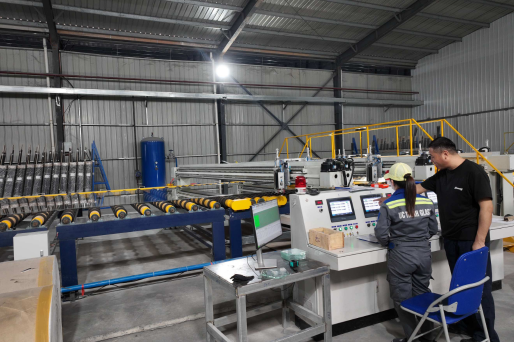
Deepening Roots in the Vietnamese Market, Zero-Distance Quality Control – The Company's Quality Director Works On-Site at the Vietnam Factory

08

Jan

Deepening Roots in the Vietnamese Market, Zero-Distance Quality Control – The Company's Quality Director Works On-Site at the Vietnam Factory

View More
Empowering Product Matrix, Jointly Exploring New Market Opportunities – The Company's Management Team Visits Glass Deep-processing Enterprises to Deepen Industrial Cooperation

08

Jan

Empowering Product Matrix, Jointly Exploring New Market Opportunities – The Company's Management Team Visits Glass Deep-processing Enterprises to Deepen Industrial Cooperation

View More
In-depth Popular Science of Float Glass: Unlocking the Mysteries of the

08

Jan

In-depth Popular Science of Float Glass: Unlocking the Mysteries of the "Transparent Cornerstone" from Raw Materials to Applications

View More

Get a Free Quote

Our representative will contact you soon.
Email
Name
Company Name
Message
0/1000

high-strength large tempered glass

Unmatched Safety Performance Through Advanced Tempering Technology

Unmatched Safety Performance Through Advanced Tempering Technology

High-strength large tempered glass achieves its superior safety characteristics through a precisely controlled thermal tempering process that fundamentally alters the glass structure at the molecular level. The tempering procedure creates a unique stress pattern where the glass surface remains in compression while the interior core experiences tension, resulting in a material that can withstand impacts up to five times greater than conventional annealed glass. This enhanced strength translates directly into improved safety for building occupants and users, as the glass maintains its structural integrity under normal loading conditions while providing predictable failure characteristics when limits are exceeded. The fragmentation pattern of high-strength large tempered glass represents a critical safety advantage, breaking into approximately 200 small pieces per square foot with smooth, granular edges that minimize laceration potential. This controlled failure mode has made high-strength large tempered glass mandatory in many building codes for applications such as doors, sidelights, and glazing near walking surfaces. The safety benefits extend beyond impact resistance to include thermal shock performance, where high-strength large tempered glass can withstand rapid temperature changes that would cause ordinary glass to fail catastrophically. Testing protocols demonstrate that high-strength large tempered glass maintains performance integrity at temperature differentials exceeding 200 degrees Celsius, providing reliable protection in fire situations and extreme weather conditions. Professional glaziers and safety engineers specify high-strength large tempered glass for locations where human safety takes priority, including schools, hospitals, sports facilities, and public buildings where code compliance and liability concerns demand the highest safety standards. The manufacturing quality control processes ensure consistent safety performance across all produced panels, with each piece of high-strength large tempered glass undergoing rigorous inspection and testing before shipment to construction sites.
Exceptional Structural Strength Enabling Large Format Applications

Exceptional Structural Strength Enabling Large Format Applications

The structural capabilities of high-strength large tempered glass enable architectural possibilities previously impossible with conventional glazing materials, supporting spans and loads that expand design freedom for architects and engineers. Modern production techniques allow high-strength large tempered glass to achieve panel sizes reaching 18 feet in length and 8 feet in height while maintaining structural performance characteristics that meet or exceed building code requirements for wind loads, seismic forces, and impact resistance. This large format capability eliminates the visual interruption of mullions and structural supports in many applications, creating unobstructed views and seamless aesthetic transitions between interior and exterior spaces. The strength-to-weight ratio of high-strength large tempered glass surpasses many alternative materials, enabling lighter overall structural systems that reduce foundation and framing requirements while maintaining superior performance characteristics. Engineering calculations demonstrate that high-strength large tempered glass can support distributed loads exceeding 50 pounds per square foot while accommodating thermal movement and building settling without compromising integrity. The dimensional stability of high-strength large tempered glass prevents deflection and distortion under load, maintaining optical clarity and weather sealing performance throughout the service life of the installation. Quality control measures during manufacturing ensure consistent thickness tolerances and edge preparation, critical factors in achieving reliable structural performance in large format applications. Professional structural engineers frequently specify high-strength large tempered glass for demanding applications including hurricane-resistant glazing, blast-resistant installations, and high-performance building envelopes where multiple performance criteria must be satisfied simultaneously. The predictable performance characteristics of high-strength large tempered glass enable accurate structural calculations and modeling, supporting innovative architectural designs that push the boundaries of conventional construction while maintaining safety and code compliance standards.
Superior Durability and Longevity for Long-Term Value

Superior Durability and Longevity for Long-Term Value

High-strength large tempered glass provides exceptional durability characteristics that deliver long-term value through extended service life and minimal maintenance requirements compared to alternative glazing solutions. The tempering process creates a glass surface that resists scratching, chemical etching, and environmental degradation, maintaining optical clarity and structural performance for decades under normal service conditions. Laboratory testing demonstrates that high-strength large tempered glass retains over 95 percent of its original strength after 25 years of simulated weathering, including exposure to ultraviolet radiation, temperature cycling, and moisture infiltration that typically degrade conventional building materials. The non-porous surface of high-strength large tempered glass prevents the accumulation of dirt, pollutants, and biological growth that can compromise both appearance and performance in other glazing materials. Maintenance procedures for high-strength large tempered glass installations require only standard cleaning protocols using conventional glass cleaners and equipment, eliminating the need for specialized treatments or protective coatings that add ongoing costs to building operations. The chemical resistance of high-strength large tempered glass enables installation in harsh environments including coastal areas with salt spray exposure, industrial facilities with chemical vapors, and urban locations with high pollution levels without performance degradation. Thermal cycling tests confirm that high-strength large tempered glass maintains dimensional stability and optical properties through thousands of heating and cooling cycles, ensuring consistent performance in climates with extreme seasonal temperature variations. The edge quality and polishing standards applied during high-strength large tempered glass production prevent stress concentration points that could lead to premature failure, contributing to the extended service life and reliability of installations. Building owners and facility managers recognize the total cost of ownership advantages of high-strength large tempered glass, including reduced replacement frequencies, lower maintenance costs, and improved energy performance that delivers measurable operational savings over the building lifecycle.

Get a Free Quote

Our representative will contact you soon.
Email
Name
Company Name
Message
0/1000