large-format safety tempered glass
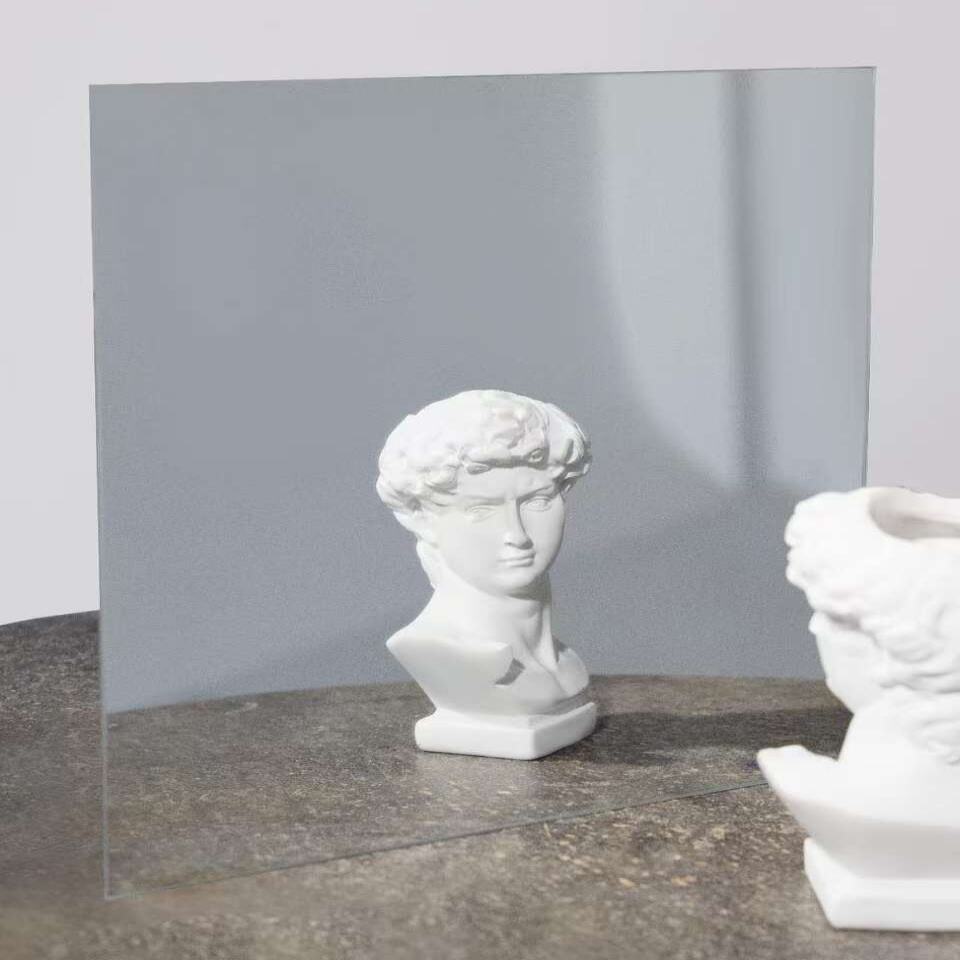
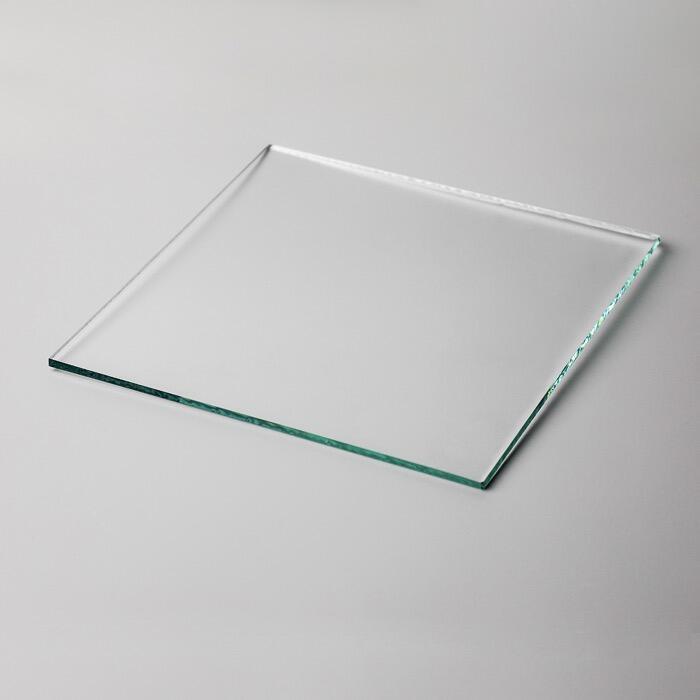
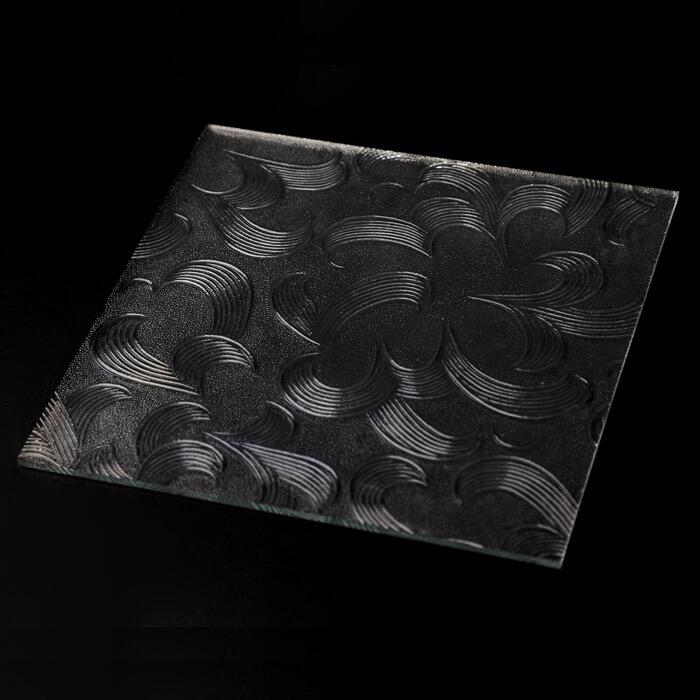
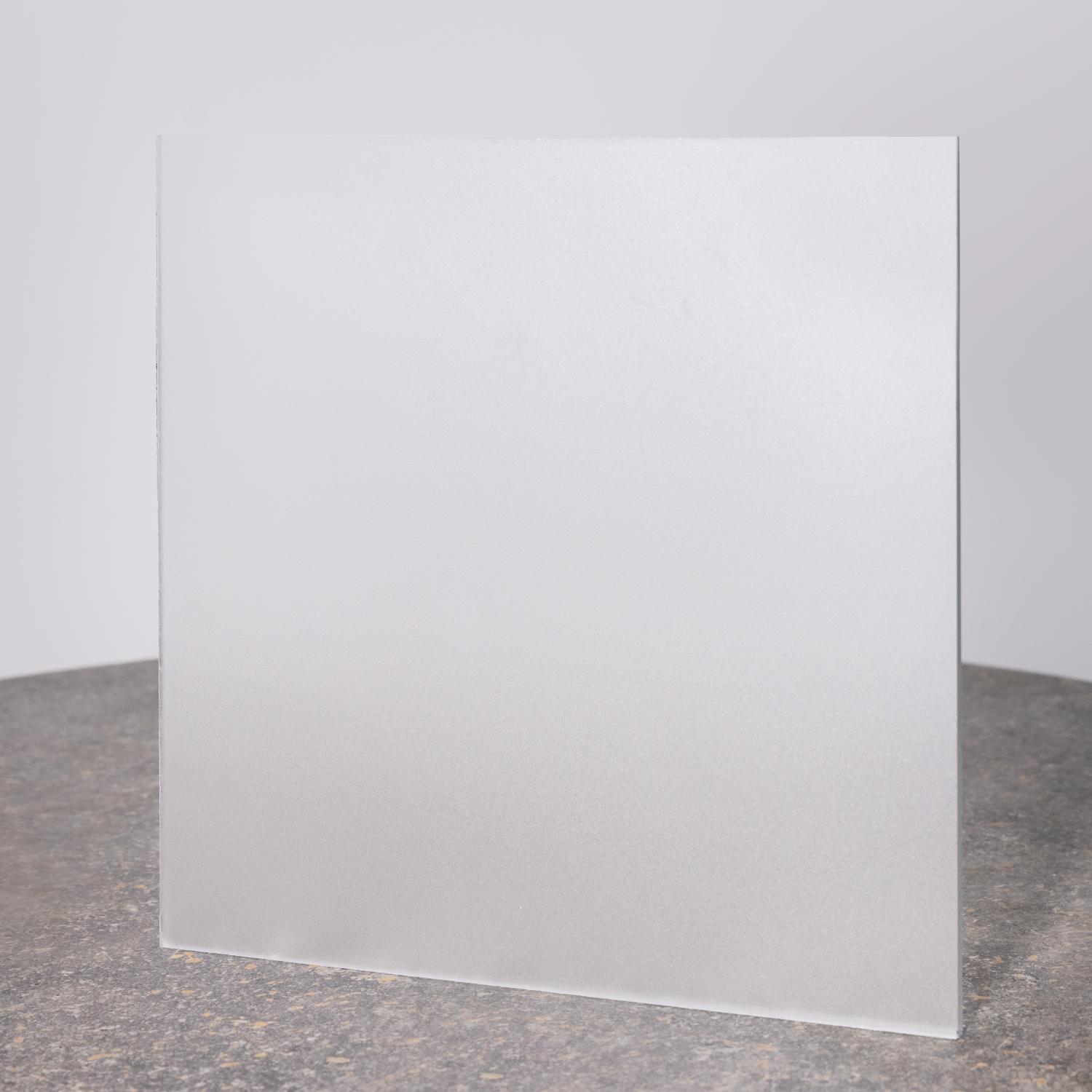
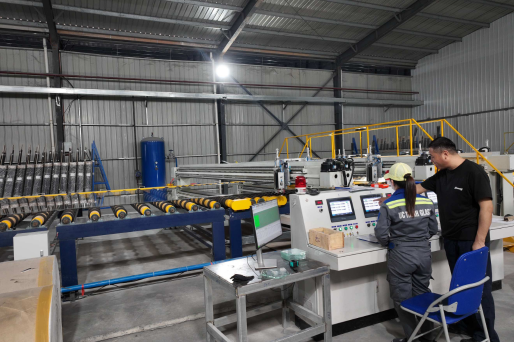
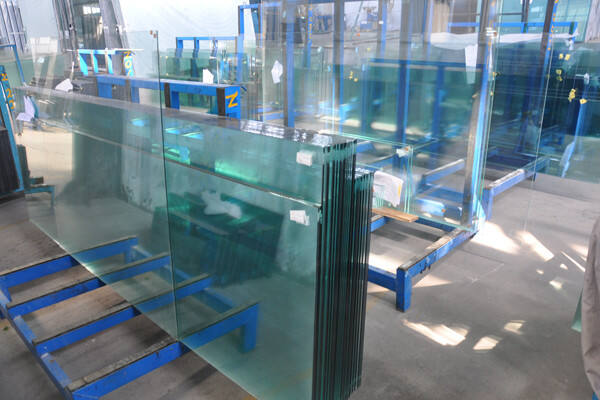
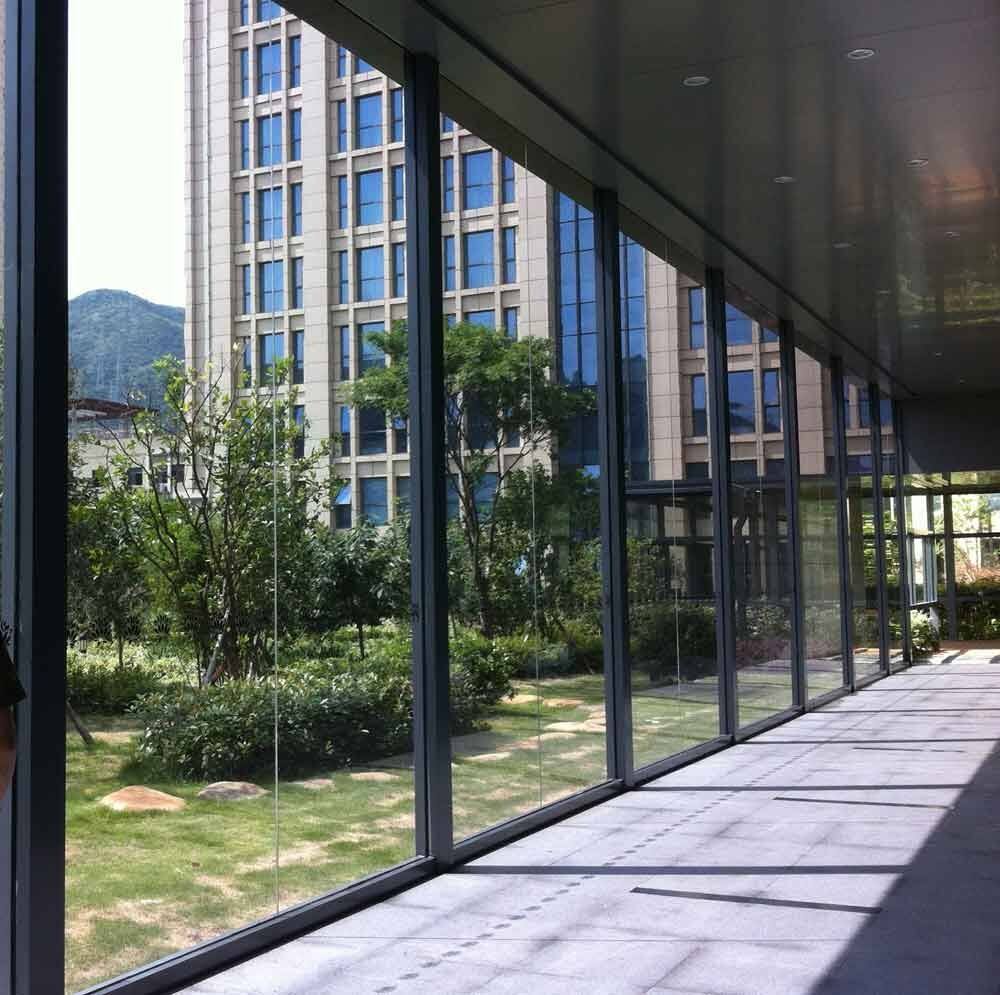
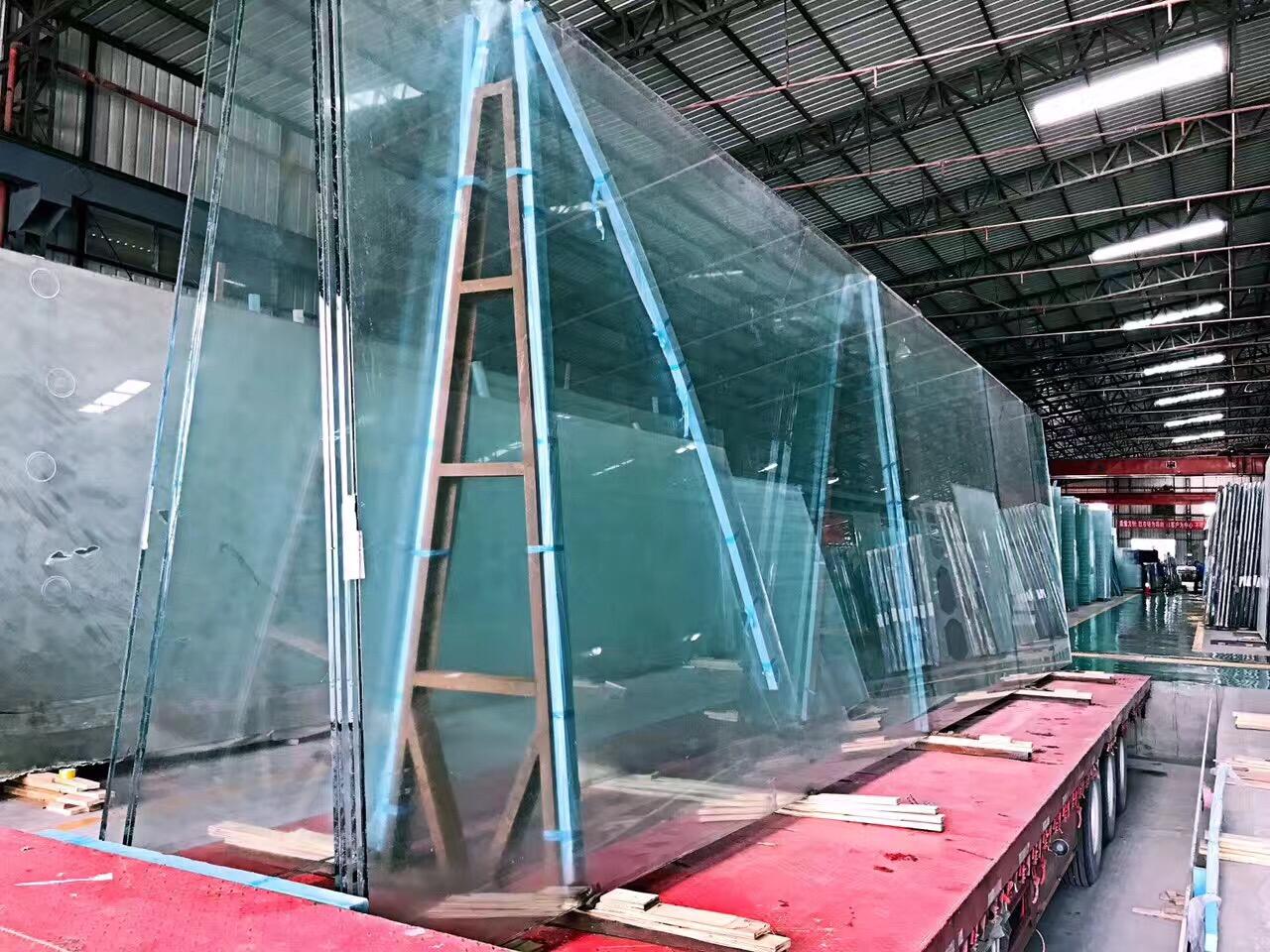
Large-format safety tempered glass represents a revolutionary advancement in architectural glazing solutions, combining exceptional strength with expansive dimensions to meet modern construction demands. This specialized glass product undergoes a precise thermal tempering process that transforms ordinary annealed glass into a robust safety material capable of withstanding extreme conditions. The manufacturing process involves heating the glass to approximately 700 degrees Celsius before rapid cooling, creating compressive stress on the surface while maintaining tensile stress in the core. This unique stress distribution gives large-format safety tempered glass its distinctive characteristics. The technological features of this glass include superior impact resistance, thermal shock resistance, and the ability to maintain structural integrity under various environmental conditions. When breakage occurs, the glass fragments into small, relatively harmless pieces rather than dangerous sharp shards, making it an ideal choice for safety-critical applications. Large-format safety tempered glass panels can reach impressive dimensions, often exceeding standard glass sizes by significant margins, enabling architects and designers to create seamless glazed facades and expansive window systems. The applications span numerous industries, from commercial buildings and residential structures to automotive and marine sectors. In architectural applications, this glass serves as curtain walls, storefronts, partition systems, and decorative elements. The automotive industry utilizes it for side windows and rear windshields, while marine applications include yacht windows and ship glazing. Additionally, furniture manufacturers incorporate large-format safety tempered glass into table tops, shelving units, and display cases. The glass maintains optical clarity while providing enhanced safety performance, making it suitable for environments where both aesthetics and protection are paramount. Modern production techniques allow for customization in terms of thickness, color, and surface treatments, ensuring compatibility with diverse architectural visions and functional requirements.

 EN
EN