Premium Float Glass Plate Solutions - Superior Clarity, Precision & Safety Performance

Get a Free Quote

Our representative will contact you soon.
Email
Name
Company Name
Message
0/1000

float glass plate

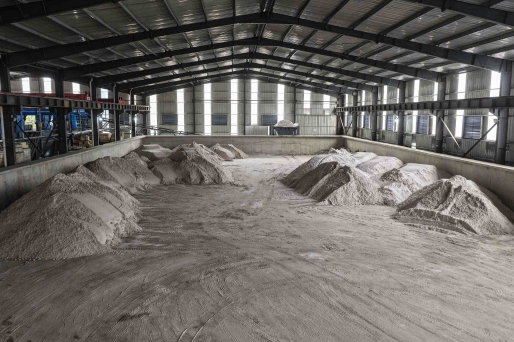
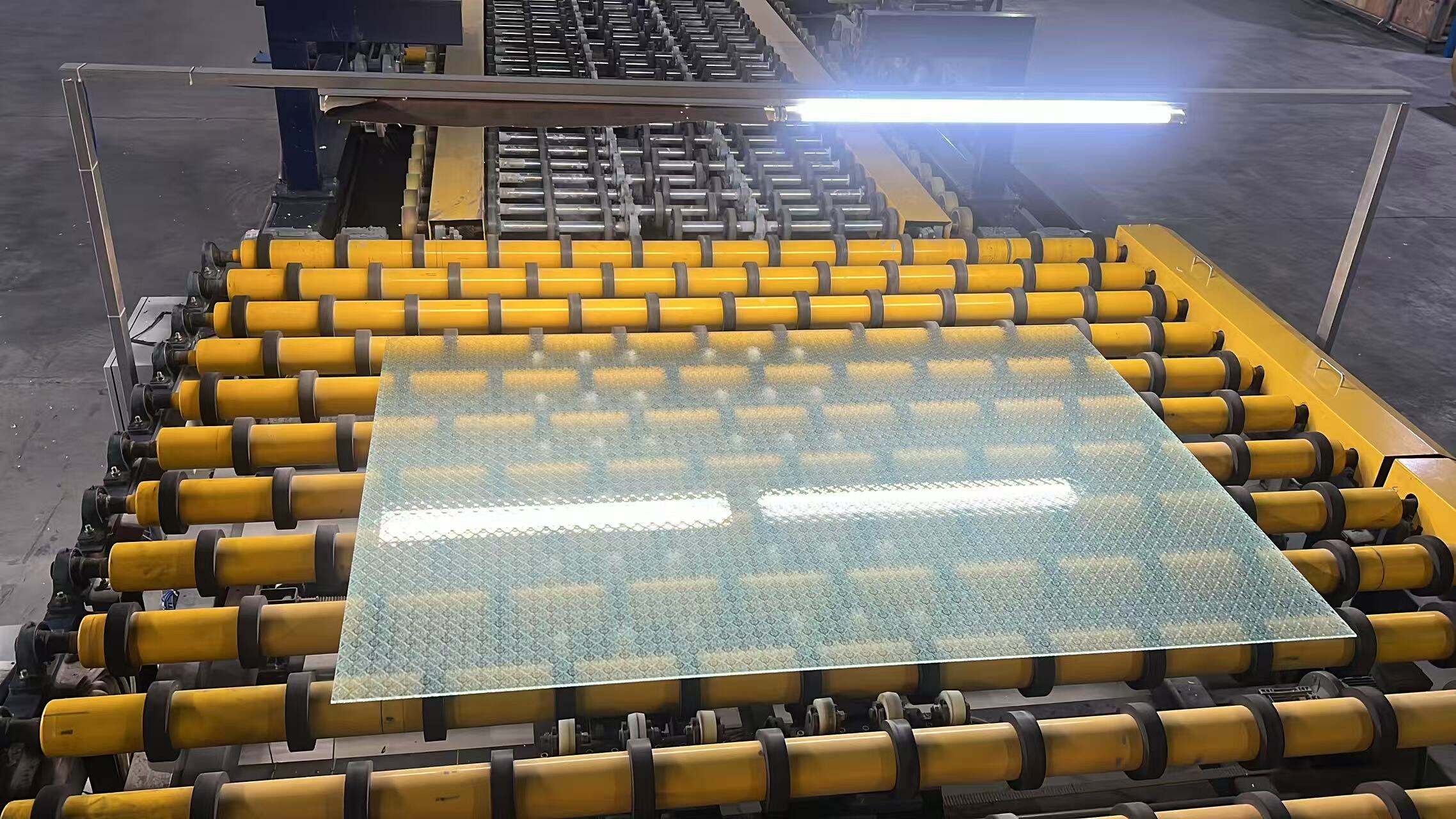
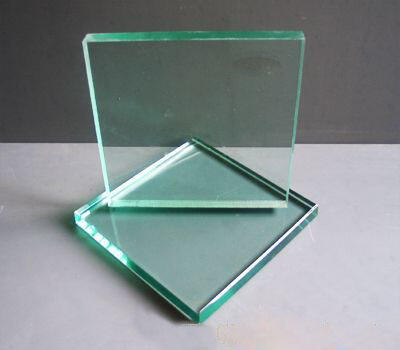
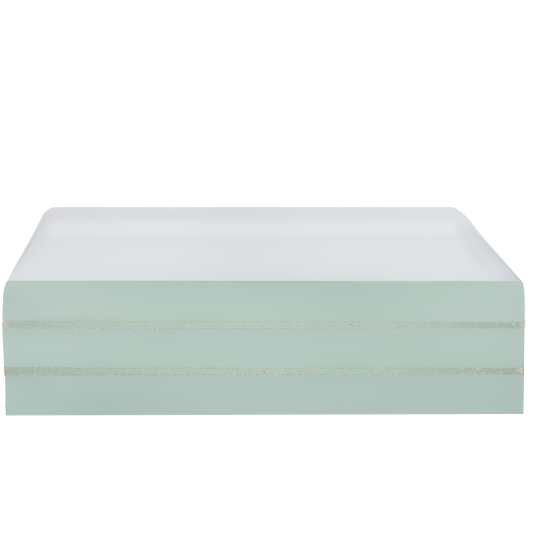
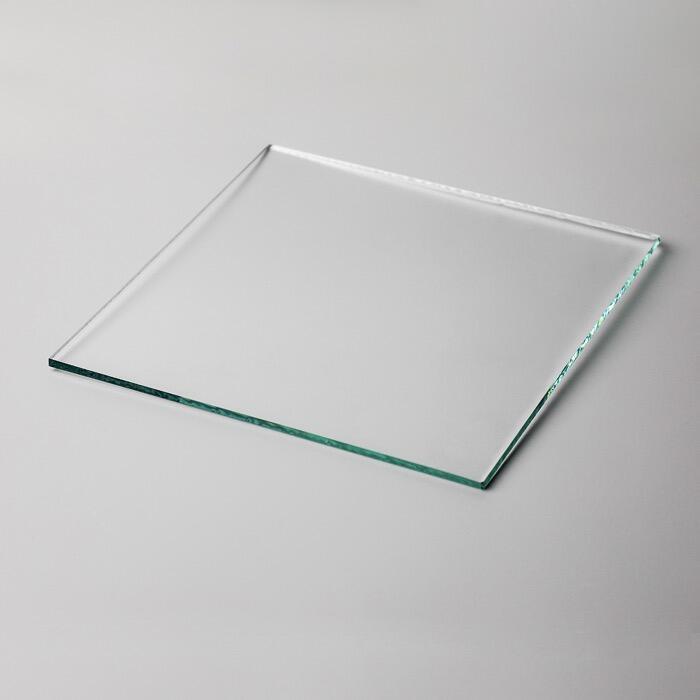
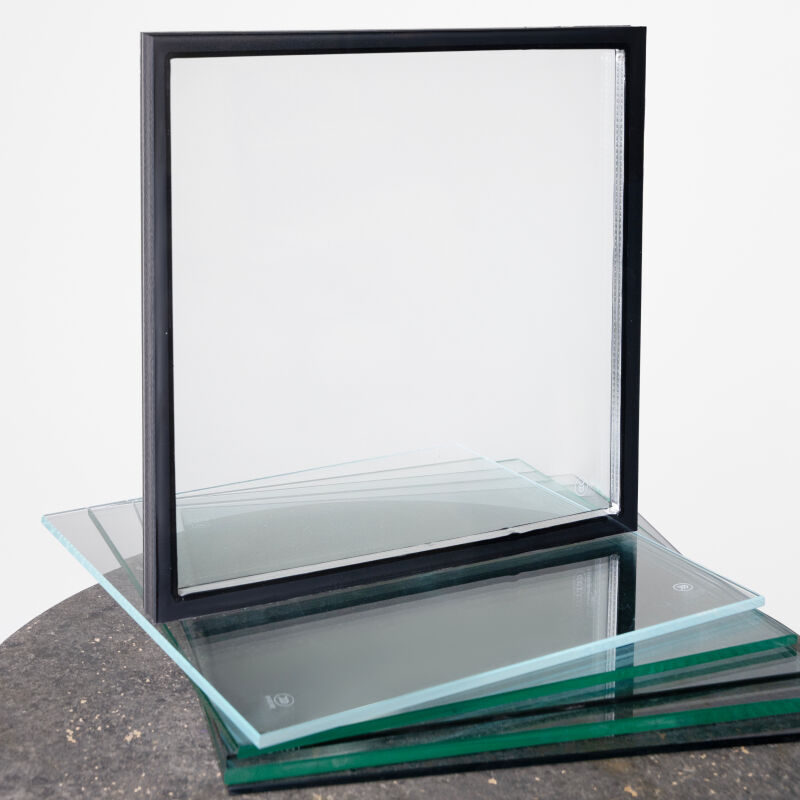
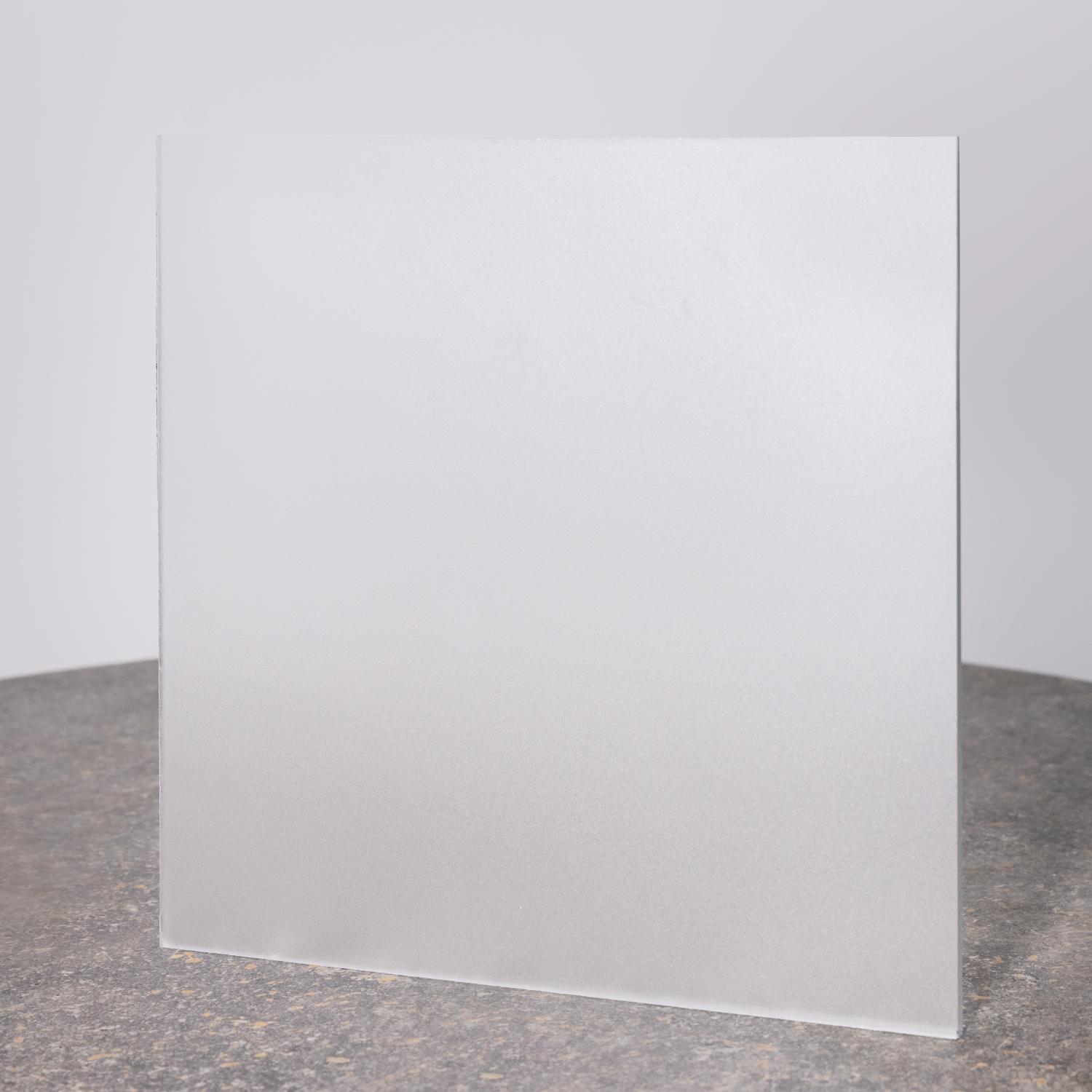
Float glass plate represents a revolutionary manufacturing breakthrough that transformed the glass industry through its innovative production process. This advanced material is created using the float process, where molten glass is poured onto a bath of liquid tin, allowing it to spread evenly and form a perfectly flat, uniform surface. The float glass plate achieves exceptional optical clarity and dimensional precision that surpasses traditional glass manufacturing methods. This cutting-edge technology eliminates surface distortions commonly found in older glass production techniques, resulting in superior visual performance and structural integrity. The float glass plate serves multiple critical functions across diverse industries, from architectural glazing to automotive windshields and electronic displays. Its primary technological feature lies in the controlled cooling process that occurs while floating on molten tin, creating internal stress patterns that enhance durability and safety characteristics. The smooth, parallel surfaces of float glass plate provide excellent light transmission properties, making it ideal for applications requiring crystal-clear visibility. Manufacturing facilities utilize sophisticated temperature control systems to ensure consistent thickness throughout each float glass plate, typically ranging from 2mm to 25mm depending on specific application requirements. The production environment maintains strict quality standards, with continuous monitoring systems tracking surface quality, thickness uniformity, and optical properties. Float glass plate applications span residential construction, commercial buildings, transportation vehicles, furniture design, and specialized industrial equipment. The material's versatility stems from its ability to undergo further processing treatments such as tempering, laminating, coating, and edge finishing without compromising structural integrity. Modern float glass plate production incorporates environmental considerations, utilizing recycled glass content and energy-efficient furnace designs to minimize ecological impact while maintaining superior product quality standards.
New Products

Float glass plate delivers numerous compelling advantages that make it the preferred choice for demanding applications requiring premium glass solutions. The uniform thickness achieved through the float process ensures consistent performance characteristics across the entire surface area, eliminating weak points that could compromise structural integrity or optical clarity. This manufacturing precision translates directly into cost savings for customers, as float glass plate requires minimal additional processing to meet specification requirements, reducing both material waste and production time. The exceptional surface quality of float glass plate provides superior light transmission compared to alternative glass types, delivering enhanced brightness and color accuracy that benefits architectural, automotive, and display applications. Customers appreciate the predictable performance characteristics of float glass plate, which simplifies design calculations and installation procedures while reducing project risks associated with material variations. The scalable production process allows float glass plate manufacturers to accommodate orders ranging from small custom projects to large commercial installations without sacrificing quality consistency. Safety represents another significant advantage, as the controlled cooling process creates favorable stress patterns that improve impact resistance and reduce the likelihood of dangerous failure modes. Float glass plate readily accepts various surface treatments and coatings, enabling customers to customize performance characteristics for specific environmental conditions or functional requirements. The smooth, defect-free surfaces minimize cleaning and maintenance requirements, providing long-term operational cost benefits for building owners and facility managers. Installation efficiency improves dramatically with float glass plate due to its dimensional accuracy and consistent edge quality, reducing labor costs and installation time while improving final assembly precision. Environmental benefits include the ability to incorporate high percentages of recycled content without degrading performance, supporting sustainability goals for environmentally conscious customers. The durability of float glass plate ensures extended service life under normal operating conditions, delivering superior return on investment compared to alternative materials that may require more frequent replacement or maintenance interventions.

Latest News

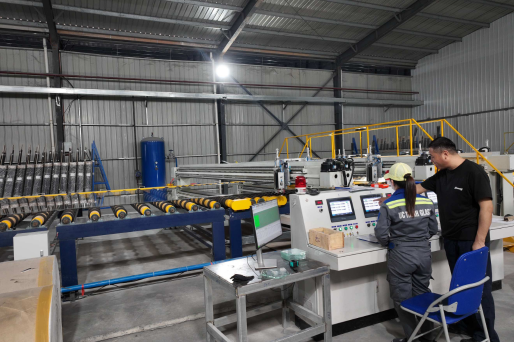
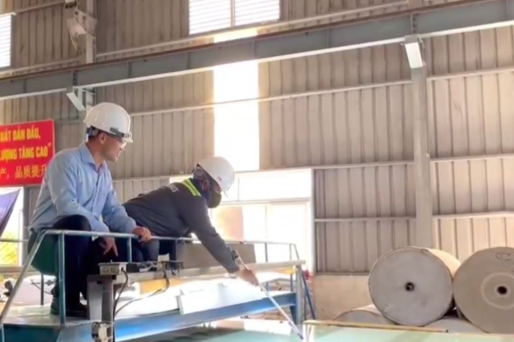
Deepening Roots in the Vietnamese Market, Zero-Distance Quality Control – The Company's Quality Director Works On-Site at the Vietnam Factory

08

Jan

Deepening Roots in the Vietnamese Market, Zero-Distance Quality Control – The Company's Quality Director Works On-Site at the Vietnam Factory

View More
Empowering Product Matrix, Jointly Exploring New Market Opportunities – The Company's Management Team Visits Glass Deep-processing Enterprises to Deepen Industrial Cooperation

08

Jan

Empowering Product Matrix, Jointly Exploring New Market Opportunities – The Company's Management Team Visits Glass Deep-processing Enterprises to Deepen Industrial Cooperation

View More
In-depth Popular Science of Float Glass: Unlocking the Mysteries of the

08

Jan

In-depth Popular Science of Float Glass: Unlocking the Mysteries of the "Transparent Cornerstone" from Raw Materials to Applications

View More

Get a Free Quote

Our representative will contact you soon.
Email
Name
Company Name
Message
0/1000

float glass plate

Superior Optical Clarity and Light Transmission Performance

Superior Optical Clarity and Light Transmission Performance

Float glass plate achieves unparalleled optical clarity through its unique manufacturing process that eliminates surface irregularities and internal distortions common in traditional glass production methods. The float process creates perfectly parallel surfaces with minimal optical distortion, allowing maximum light transmission that typically exceeds 90 percent for clear variants. This exceptional transparency results from the controlled environment during production, where molten glass spreads evenly across liquid tin surface, naturally forming smooth, defect-free surfaces without mechanical polishing requirements. The uniform thickness distribution across each float glass plate ensures consistent optical properties throughout the entire panel, preventing visual distortions that could affect architectural aesthetics or functional performance in precision applications. Advanced quality control systems monitor surface quality in real-time during production, identifying and correcting any variations that might impact optical performance before they become permanent defects. The superior light transmission characteristics of float glass plate provide significant energy efficiency benefits in architectural applications, reducing artificial lighting requirements during daylight hours while maintaining comfortable interior illumination levels. For display applications, the exceptional clarity enables accurate color reproduction and sharp image quality that meets demanding professional standards. The absence of surface waves or distortions makes float glass plate particularly valuable for applications where visual accuracy is critical, such as storefronts, observation windows, and optical instruments. This optical superiority translates into enhanced user experiences and improved functional performance across diverse applications, from residential windows that provide clear outdoor views to commercial glazing systems that showcase interior spaces effectively. The consistent optical properties simplify specification processes for architects and engineers, who can rely on predictable performance characteristics when designing complex glazing systems or calculating daylighting parameters for building energy models.
Exceptional Dimensional Accuracy and Surface Quality

Exceptional Dimensional Accuracy and Surface Quality

Float glass plate delivers remarkable dimensional precision that exceeds industry standards through its controlled manufacturing environment and advanced production monitoring systems. The float process naturally produces glass with parallel surfaces and uniform thickness distribution, typically maintaining tolerances within ±0.1mm across standard panel dimensions. This exceptional accuracy eliminates the need for secondary grinding or polishing operations that increase costs and production time while potentially introducing surface defects. The liquid tin bath provides a perfectly flat reference surface that ensures each float glass plate maintains consistent flatness specifications critical for structural glazing and precision assembly applications. Surface quality reaches premium levels due to the non-contact formation process, where glass surfaces never touch solid materials during the critical cooling phase, preventing scratches, marks, or embedded particles that could compromise performance or appearance. Advanced thickness measurement systems continuously monitor production parameters, automatically adjusting process variables to maintain specified dimensional requirements throughout each production run. The superior edge quality of float glass plate results from precise cutting techniques applied to the cooled glass, creating clean, straight edges that facilitate accurate installation and minimize stress concentrations. This dimensional consistency simplifies inventory management for distributors and fabricators, who can rely on predictable sizing for efficient project planning and material optimization. The flat, smooth surfaces provide ideal substrates for various coating applications, ensuring uniform coverage and optimal adhesion for functional or decorative treatments. Quality control protocols verify dimensional accuracy using coordinate measuring systems and optical inspection equipment, documenting compliance with international standards and customer specifications. The exceptional dimensional stability of float glass plate under thermal cycling and mechanical loading conditions provides long-term performance reliability that reduces maintenance requirements and replacement costs over the product lifecycle.
Enhanced Safety Features and Structural Performance

Enhanced Safety Features and Structural Performance

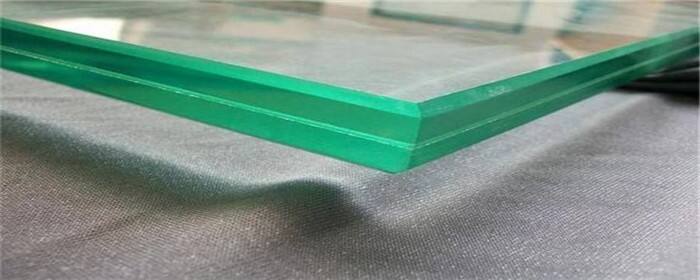
Float glass plate incorporates advanced safety characteristics developed through controlled manufacturing processes that optimize internal stress patterns and material properties for superior structural performance. The gradual cooling process during production creates favorable residual stress distributions that improve impact resistance and reduce the likelihood of catastrophic failure modes under normal service conditions. When properly tempered or heat-strengthened, float glass plate can achieve safety glazing standards that protect occupants from injury during accidental breakage events, fragmenting into small, relatively harmless pieces rather than large, dangerous shards. The consistent material properties throughout each float glass plate enable accurate structural calculations for wind load, seismic, and thermal stress analysis, allowing engineers to optimize glazing system designs for maximum safety margins while minimizing material usage. Advanced annealing processes eliminate internal stresses that could cause spontaneous breakage, ensuring reliable long-term performance under varying environmental conditions including temperature fluctuations and mechanical vibrations. The uniform thickness and composition of float glass plate provide predictable failure characteristics that support code compliance and safety certification requirements for building and automotive applications. Edge quality improvements reduce stress concentrations that could initiate crack propagation, enhancing overall structural integrity and service life expectations. Quality control testing includes impact resistance evaluation, thermal shock testing, and stress analysis to verify compliance with applicable safety standards and performance requirements. The ability to combine float glass plate with interlayer materials creates laminated assemblies that provide enhanced security and safety performance for hurricane-resistant glazing, blast-resistant construction, and security applications. Manufacturing traceability systems document material properties and production parameters for each batch, enabling quality investigations and supporting warranty programs that provide customer confidence in product reliability and safety performance.

Get a Free Quote

Our representative will contact you soon.
Email
Name
Company Name
Message
0/1000