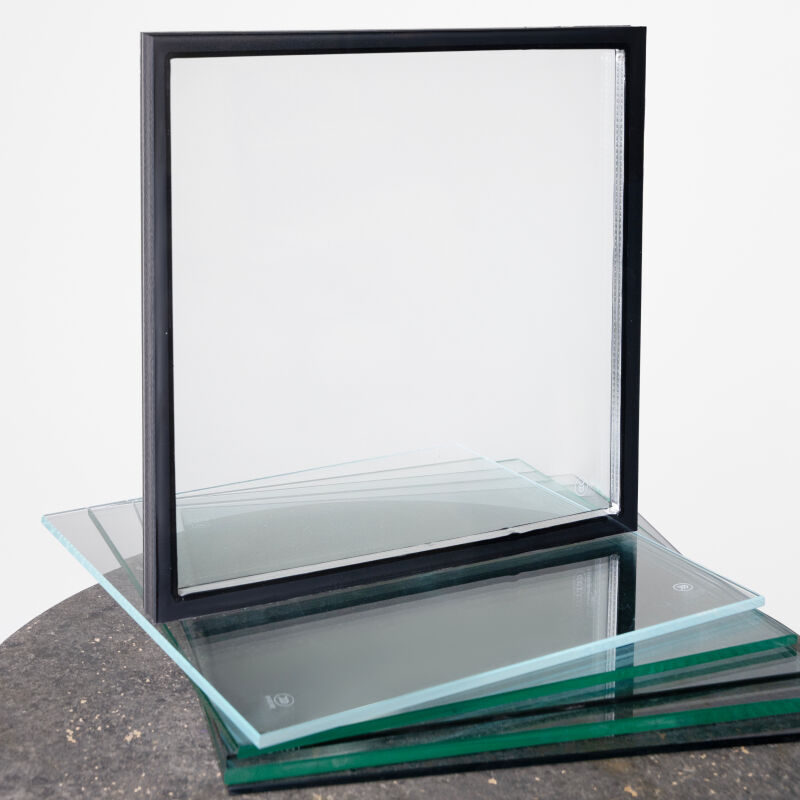
Advanced UV Protection and Energy Efficiency for Long-Term Value
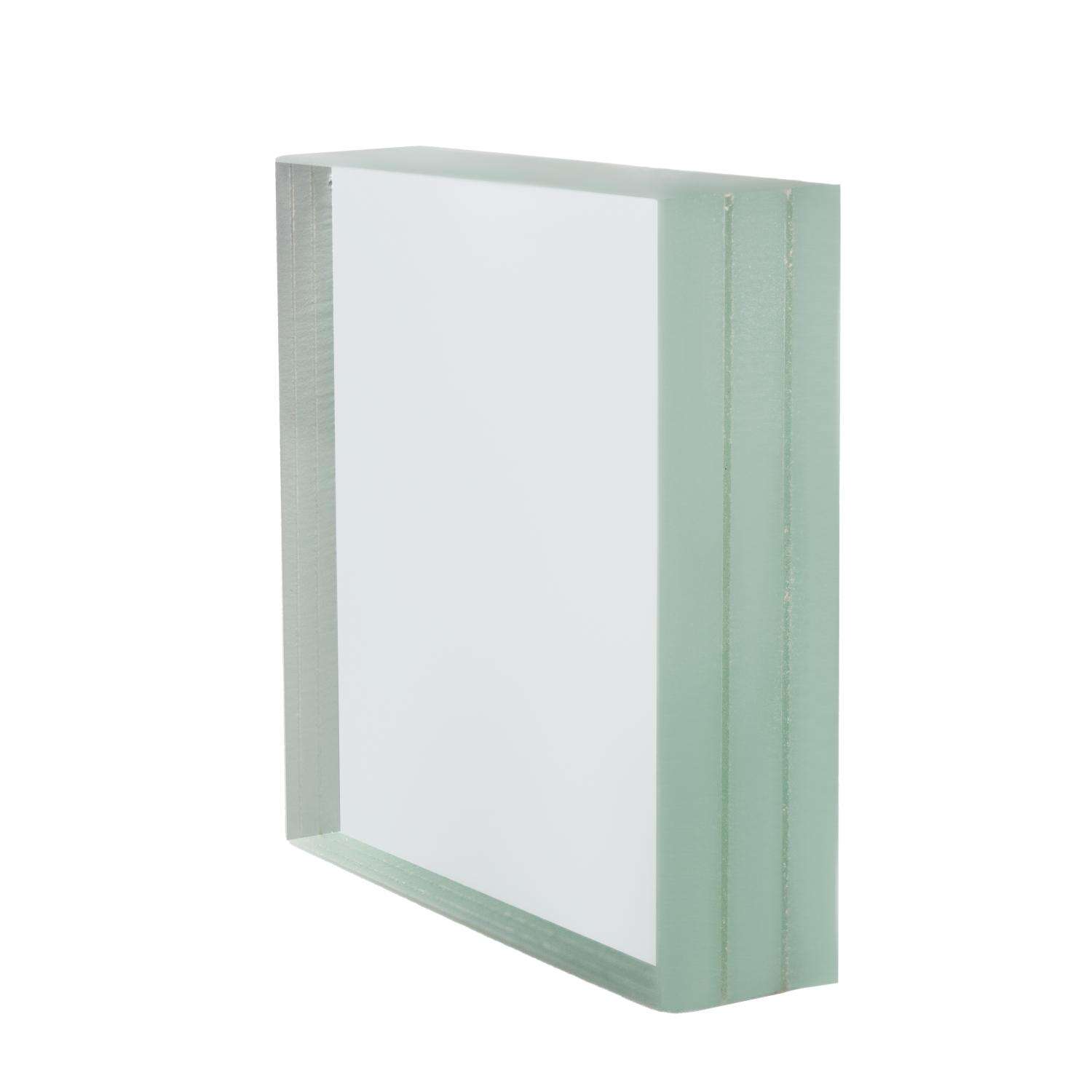
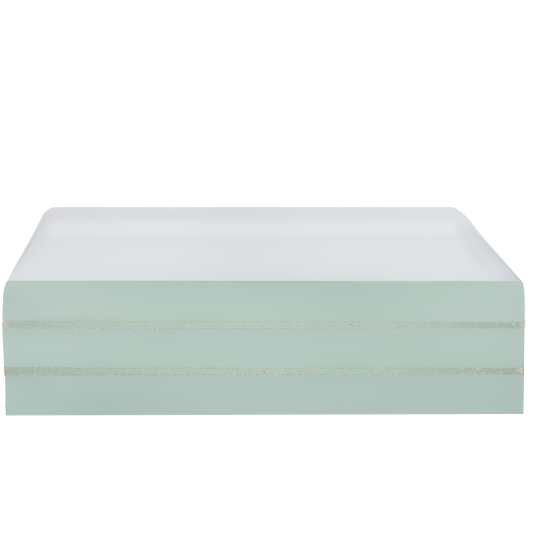
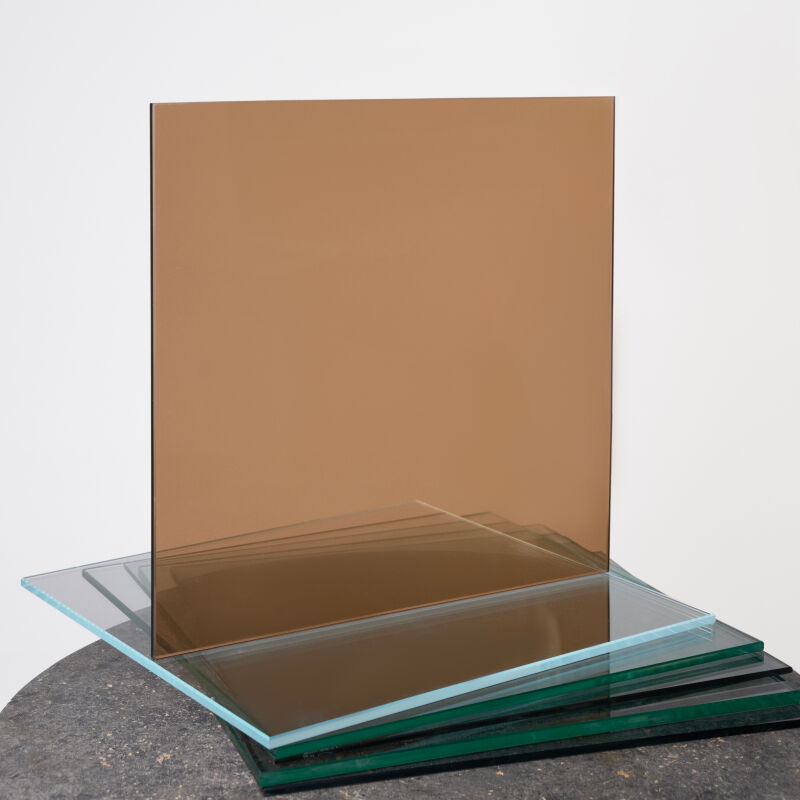
The ultraviolet protection and energy efficiency characteristics of laminated float glass deliver substantial long-term economic benefits while contributing to environmental sustainability goals. Ultraviolet radiation from sunlight causes extensive damage to interior furnishings, artwork, flooring, and textiles through a process called photodegradation, where UV energy breaks down chemical bonds in organic materials, leading to fading, discoloration, and structural deterioration. Traditional window glass blocks only a small percentage of harmful UV rays, allowing this destructive energy to continuously damage valuable interior elements. Laminated float glass incorporates specialized interlayer formulations that filter out up to 99 percent of UV radiation while maintaining excellent visible light transmission and optical clarity. This protection extends the lifespan of furniture, carpeting, artwork, window treatments, and other interior elements by decades, representing thousands of dollars in avoided replacement costs for typical residential and commercial installations. Museums, galleries, and cultural institutions rely heavily on laminated float glass to protect priceless artifacts and artworks from UV damage while maintaining public accessibility and viewing quality. The energy efficiency benefits of laminated float glass extend beyond UV protection to include enhanced thermal performance that reduces heating and cooling costs throughout the year. Advanced interlayer technologies can incorporate low-emissivity properties that reflect infrared radiation while allowing visible light to pass through, maintaining bright interior spaces while reducing solar heat gain during summer months. This selective filtering helps maintain comfortable interior temperatures with less reliance on mechanical heating and cooling systems, resulting in lower energy bills and reduced carbon footprint. The thermal mass effect of laminated float glass also contributes to energy efficiency by moderating temperature swings and reducing the frequency of HVAC system cycling. Winter performance benefits include reduced heat loss through the glazing system, while summer applications benefit from decreased cooling loads and improved occupant comfort near windows. These energy efficiency improvements often qualify for utility rebates, tax credits, and green building certification points that provide additional financial incentives for property owners. The durability of laminated float glass ensures that these benefits continue for decades without degradation, making it an excellent long-term investment that pays dividends through reduced maintenance costs, energy savings, and preserved interior asset values.

 EN
EN