Plain Float Glass Solutions: Superior Optical Clarity, Durability & Cost-Effective Glazing

Get a Free Quote

Our representative will contact you soon.
Email
Name
Company Name
Message
0/1000

plain float glass

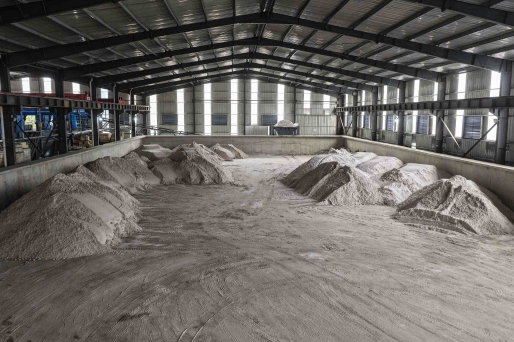
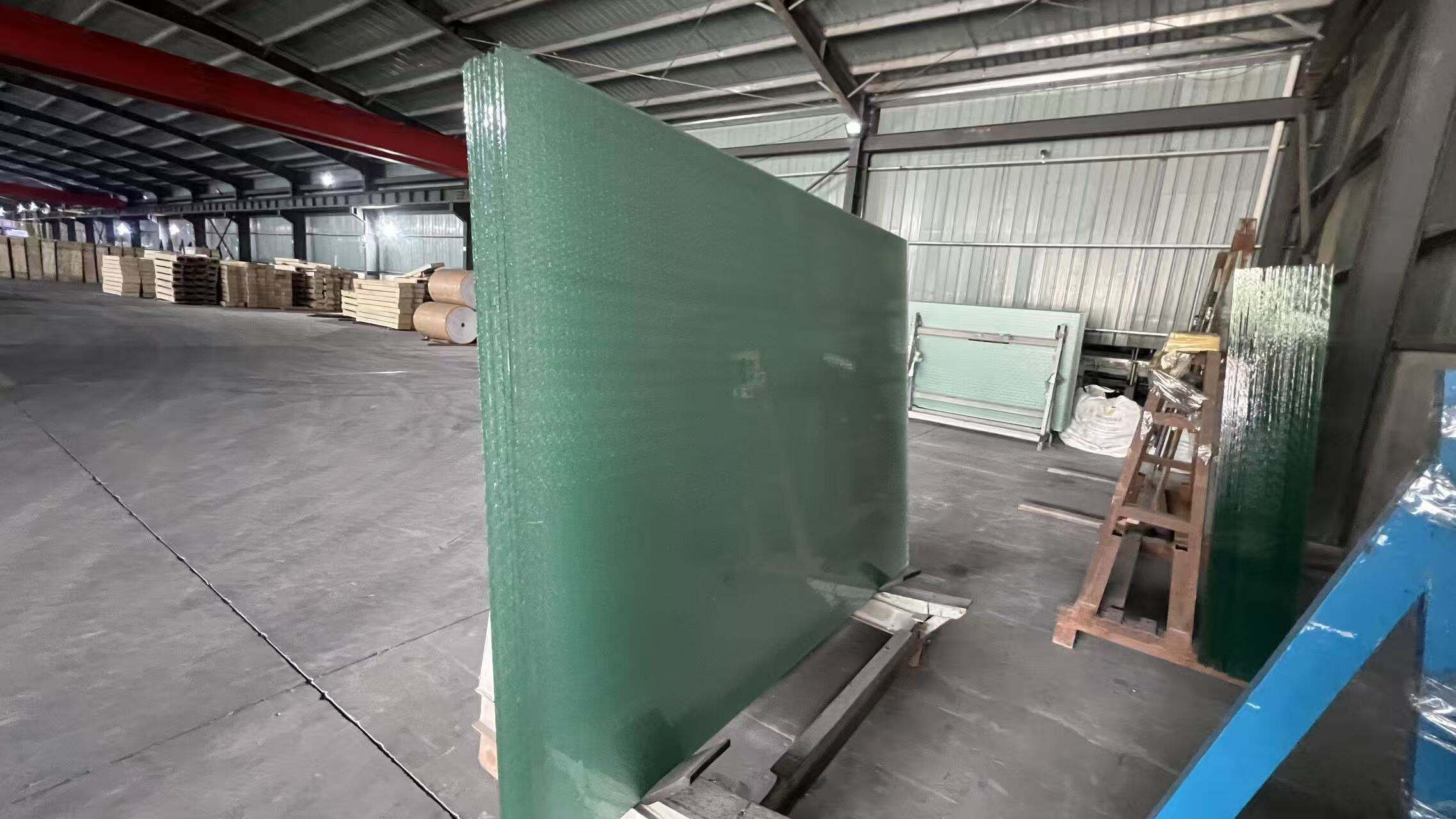
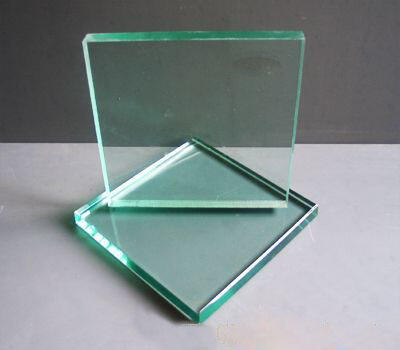
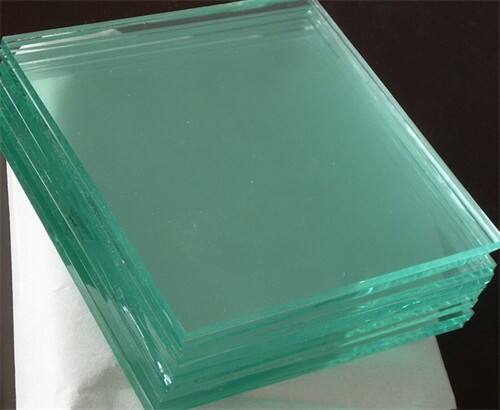
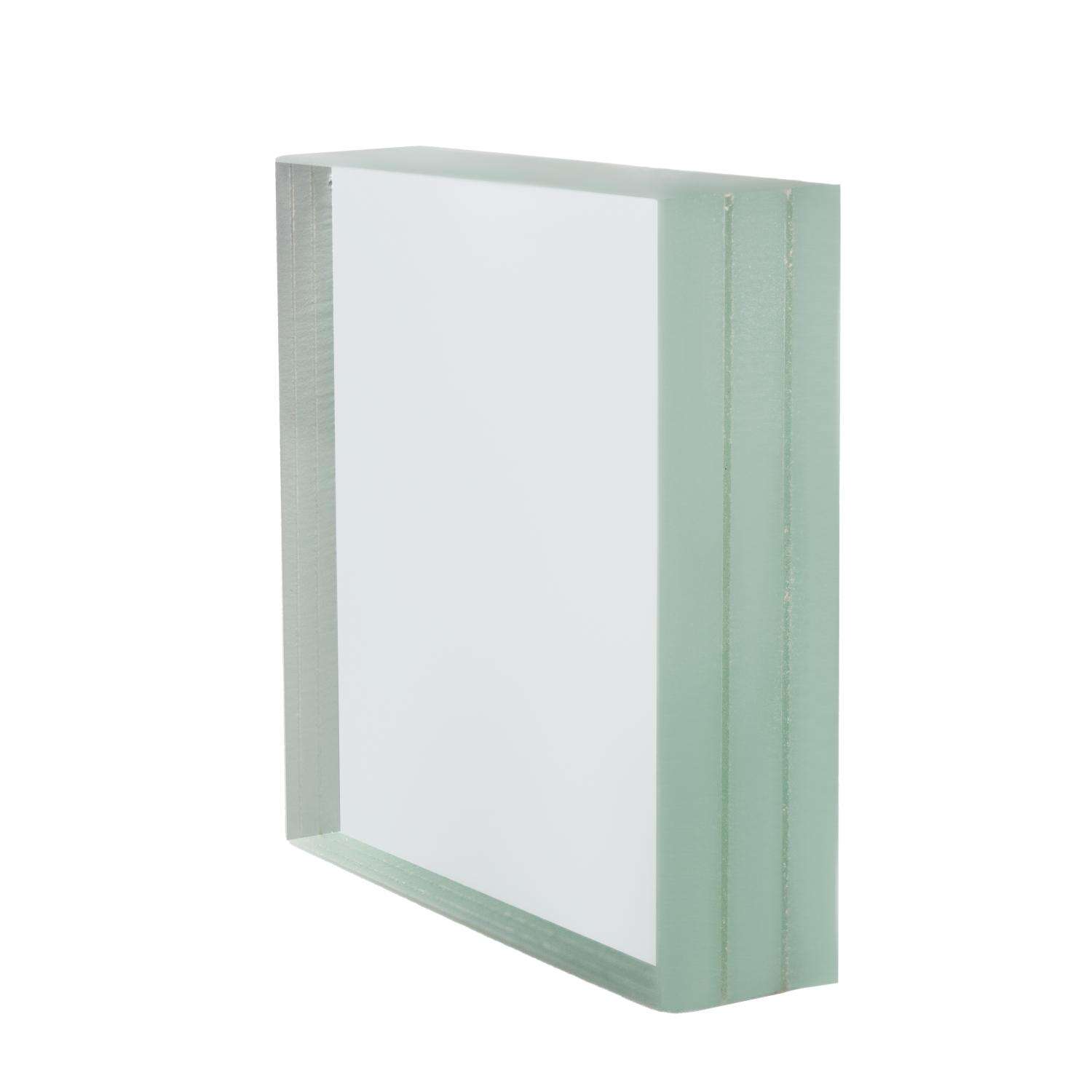
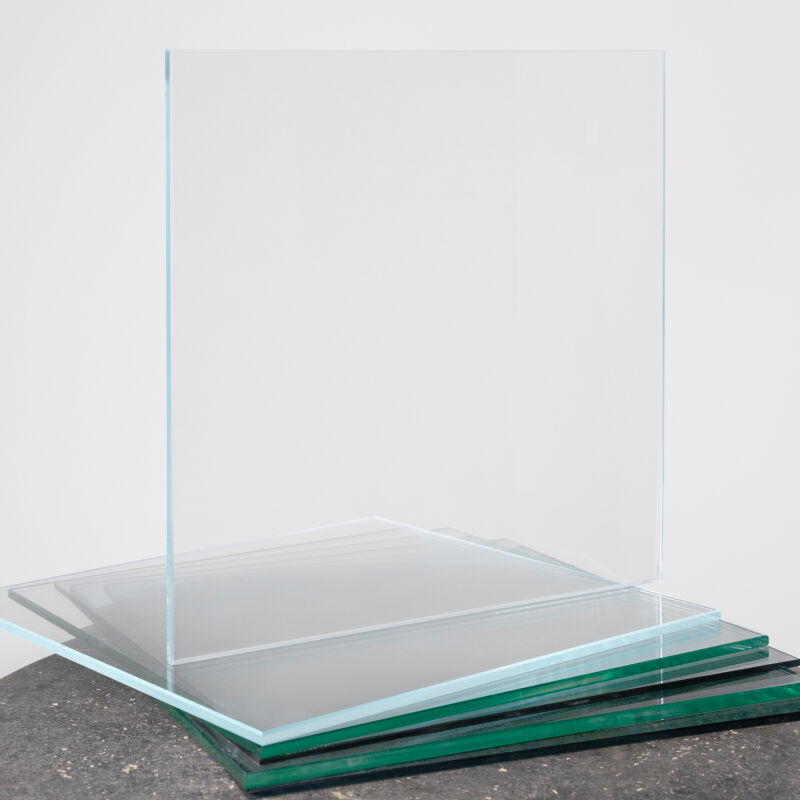
Plain float glass represents one of the most fundamental and versatile materials in modern construction and manufacturing industries. This transparent material is produced through the revolutionary float glass process, where molten glass is poured onto a bed of molten tin, creating perfectly smooth and uniform surfaces on both sides. The plain float glass manufacturing technique ensures consistent thickness throughout the entire sheet, eliminating the optical distortions that were common in older glass production methods. This advanced manufacturing process results in a product that offers exceptional clarity, making it an ideal choice for architectural applications, automotive industries, and various commercial uses. The plain float glass production involves carefully controlled temperatures and cooling processes that create internal stress patterns, enhancing the material's structural integrity and durability. One of the primary functions of plain float glass is to provide natural light transmission while maintaining barrier properties against weather elements, dust, and external contaminants. The technological features of plain float glass include its ability to maintain optical clarity over extended periods without yellowing or degradation, making it suitable for long-term installations. The surface quality of plain float glass meets stringent industry standards, ensuring minimal surface defects and superior flatness that is essential for precision applications. Modern plain float glass can be manufactured in various thicknesses ranging from 2mm to 25mm, accommodating diverse structural requirements and design specifications. The thermal properties of plain float glass make it suitable for applications where temperature variations are expected, as it can withstand moderate thermal stress without compromising its structural integrity. Applications of plain float glass span across residential construction, commercial buildings, automotive windshields, furniture manufacturing, and industrial equipment. The material serves as a foundational component for further processing into tempered glass, laminated glass, or insulated glass units, demonstrating its versatility in the glass industry ecosystem.
New Product Recommendations

Plain float glass offers numerous practical advantages that make it an excellent choice for customers seeking reliable, cost-effective glazing solutions. The most significant benefit lies in its exceptional optical clarity, which allows maximum natural light penetration while maintaining crystal-clear visibility. This superior transparency helps reduce energy costs by minimizing the need for artificial lighting during daylight hours, making plain float glass an environmentally conscious choice for modern buildings. The uniform thickness achieved through the float glass manufacturing process ensures consistent performance across the entire glass surface, eliminating weak spots or optical distortions that could compromise functionality or aesthetics. Customers benefit from the excellent surface quality of plain float glass, which requires minimal maintenance and cleaning compared to other glass types with textured or treated surfaces. The smooth, non-porous surface resists dirt accumulation and allows for easy cleaning with standard glass cleaning products, reducing long-term maintenance costs and labor requirements. Plain float glass demonstrates remarkable durability under normal use conditions, withstanding daily wear and tear while maintaining its structural integrity and optical properties over many years of service. The material exhibits good chemical resistance, making it suitable for environments where exposure to cleaning chemicals or atmospheric pollutants might occur regularly. Installation advantages include the predictable behavior and standard sizing options available with plain float glass, which simplify project planning and reduce construction complications. The compatibility of plain float glass with various framing systems and glazing techniques provides flexibility in design applications, allowing architects and builders to incorporate this material into diverse project requirements. Cost-effectiveness represents another compelling advantage, as plain float glass typically offers the best value proposition among glazing options, combining performance, durability, and affordability in a single product. The availability of plain float glass in multiple thicknesses enables customers to select the appropriate specification for their specific load requirements and safety considerations. Manufacturing consistency ensures that replacement pieces will match existing installations perfectly, providing long-term serviceability and reducing future renovation complications. The thermal stability of plain float glass makes it suitable for applications where temperature fluctuations occur, preventing stress-related failures that could compromise building envelope integrity.

Practical Tips

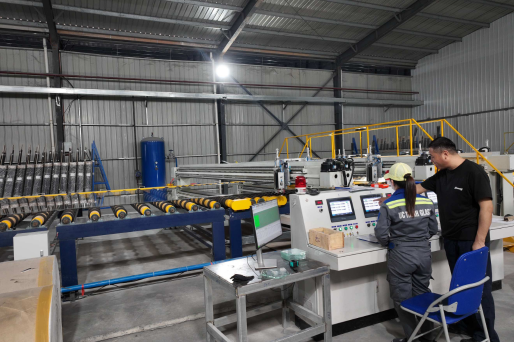
Deepening Roots in the Vietnamese Market, Zero-Distance Quality Control – The Company's Quality Director Works On-Site at the Vietnam Factory

08

Jan

Deepening Roots in the Vietnamese Market, Zero-Distance Quality Control – The Company's Quality Director Works On-Site at the Vietnam Factory

View More
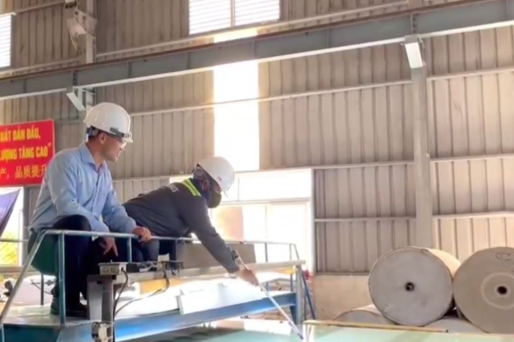
Empowering Product Matrix, Jointly Exploring New Market Opportunities – The Company's Management Team Visits Glass Deep-processing Enterprises to Deepen Industrial Cooperation

08

Jan

Empowering Product Matrix, Jointly Exploring New Market Opportunities – The Company's Management Team Visits Glass Deep-processing Enterprises to Deepen Industrial Cooperation

View More
In-depth Popular Science of Float Glass: Unlocking the Mysteries of the

08

Jan

In-depth Popular Science of Float Glass: Unlocking the Mysteries of the "Transparent Cornerstone" from Raw Materials to Applications

View More

Get a Free Quote

Our representative will contact you soon.
Email
Name
Company Name
Message
0/1000

plain float glass

Superior Optical Performance and Light Transmission

Superior Optical Performance and Light Transmission

The exceptional optical performance of plain float glass sets it apart as the premium choice for applications requiring maximum light transmission and visual clarity. This outstanding characteristic stems from the advanced float glass manufacturing process, which creates perfectly parallel surfaces with minimal optical distortion. Unlike traditional glass production methods that often resulted in surface irregularities and thickness variations, plain float glass maintains consistent optical properties throughout the entire sheet. The superior light transmission capabilities of plain float glass typically exceed 90 percent for clear varieties, ensuring that natural daylight can penetrate interior spaces with minimal interference. This high level of transparency directly translates to energy savings for building owners, as the increased natural light reduces dependence on artificial lighting systems during daytime hours. The optical clarity of plain float glass also enhances the aesthetic appeal of architectural projects, providing unobstructed views of exterior landscapes while maintaining the barrier function necessary for weather protection. Professional glaziers and architects particularly value the predictable optical performance of plain float glass because it allows for accurate lighting calculations and visual impact assessments during the design phase. The material's neutral color characteristics ensure that it does not alter the perception of colors viewed through the glass, making it ideal for retail environments, art galleries, and residential applications where color accuracy is important. Quality control measures in plain float glass production include rigorous optical testing to ensure that each sheet meets stringent clarity standards, providing customers with confidence in the product's performance consistency. The surface finish achieved through the float process creates a foundation that can be further enhanced through various coating applications, while maintaining the inherent optical advantages of the base material. Advanced manufacturing techniques used in plain float glass production minimize internal stresses that could cause optical distortions over time, ensuring long-term visual performance stability. This optical reliability makes plain float glass the preferred substrate for security applications, automotive glazing, and precision optical instruments where visual clarity cannot be compromised.
Exceptional Durability and Structural Reliability

Exceptional Durability and Structural Reliability

Plain float glass demonstrates exceptional durability characteristics that make it a reliable choice for long-term structural and architectural applications. The controlled manufacturing environment used in float glass production creates a material with consistent internal stress patterns and molecular structure, resulting in predictable mechanical properties that engineers and architects can rely upon for structural calculations. The inherent strength of plain float glass comes from the careful thermal treatment during the cooling process, which eliminates many of the stress concentrations that can lead to premature failure in other glass types. This durability advantage translates to extended service life under normal operating conditions, reducing replacement costs and minimizing disruption to building operations over time. The resistance of plain float glass to environmental factors such as UV radiation, moisture, and temperature cycling ensures that its structural properties remain stable throughout its operational lifetime. Unlike some alternative glazing materials that may degrade, yellow, or become brittle over time, plain float glass maintains its mechanical properties and appearance for decades when properly installed and maintained. The material's resistance to thermal shock makes it suitable for applications where temperature differentials may occur, such as in buildings with significant solar exposure or industrial environments with varying thermal conditions. Quality assurance testing conducted during plain float glass manufacturing includes stress testing to verify that each production batch meets established strength requirements, providing customers with documentation of the material's structural capabilities. The compatibility of plain float glass with various edge treatments and processing techniques allows for customization to meet specific structural requirements while maintaining the inherent durability of the base material. Professional installation techniques can further enhance the durability performance of plain float glass by ensuring proper support and eliminating stress concentrations at mounting points. The predictable failure characteristics of plain float glass, when breakage does occur, make it suitable for applications where safety considerations are important, as the material breaks into relatively large, manageable pieces rather than creating dangerous projectiles. Long-term performance data from installations worldwide demonstrates the reliability of plain float glass in diverse climatic conditions, from tropical environments to arctic conditions, proving its versatility and durability across different geographical regions.
Cost-Effective Solution with Versatile Applications

Cost-Effective Solution with Versatile Applications

The cost-effectiveness of plain float glass makes it an attractive solution for budget-conscious customers who refuse to compromise on quality and performance. This economic advantage stems from the mature manufacturing processes and economies of scale achieved in float glass production, which allow manufacturers to offer consistent quality at competitive prices. The standardized production methods ensure that plain float glass is readily available in common sizes and thicknesses, reducing lead times and inventory costs for distributors and end users alike. Project managers and contractors appreciate the predictable pricing structure of plain float glass, which simplifies budgeting processes and reduces the financial risk associated with cost fluctuations common in specialized glazing products. The versatility of plain float glass extends its value proposition by serving as a foundation material for numerous downstream applications, from simple glazing installations to complex laminated or tempered glass assemblies. This adaptability means that customers can invest in plain float glass with confidence, knowing that future modifications or upgrades can often utilize the same base material. Installation cost savings represent another significant economic benefit, as plain float glass works with standard glazing techniques and equipment, eliminating the need for specialized tools or training that might be required for exotic glazing materials. The maintenance cost advantages of plain float glass become apparent over time, as its smooth surface and chemical resistance minimize cleaning requirements and extend the intervals between major maintenance activities. Replacement and repair scenarios also favor plain float glass due to its widespread availability and standardized specifications, ensuring that matching materials can be sourced quickly and economically when needed. The manufacturing consistency of plain float glass reduces waste during cutting and fabrication processes, as the predictable material properties allow for accurate planning and minimal material overages. Insurance and building code compliance benefits may also result in cost savings, as plain float glass meets established safety and performance standards that can reduce premium costs and simplify regulatory approval processes. The thermal performance of plain float glass, while basic compared to high-performance glazing systems, still provides adequate insulation for many applications, delivering energy cost benefits without the premium pricing associated with advanced glazing technologies. Long-term value considerations favor plain float glass because its proven performance history and material stability ensure that initial investment costs are recovered through reliable service life and minimal unexpected replacement requirements.

Get a Free Quote

Our representative will contact you soon.
Email
Name
Company Name
Message
0/1000