Premium Standard Float Glass - Superior Optical Clarity and Manufacturing Precision for Commercial and Residential Applications

Get a Free Quote

Our representative will contact you soon.
Email
Name
Company Name
Message
0/1000

standard float glass

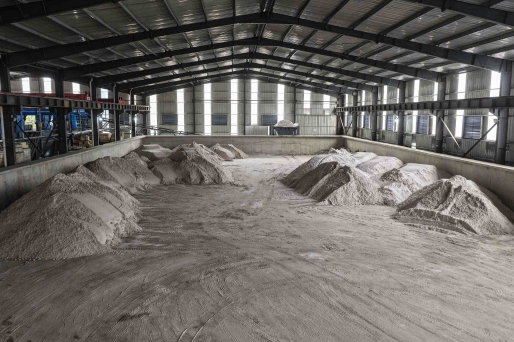
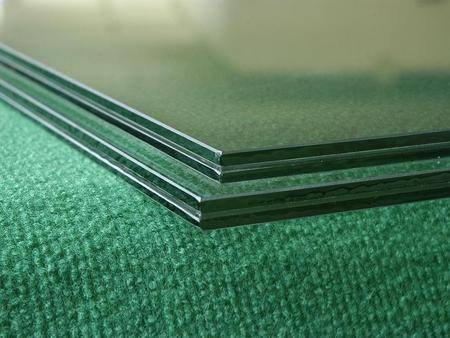
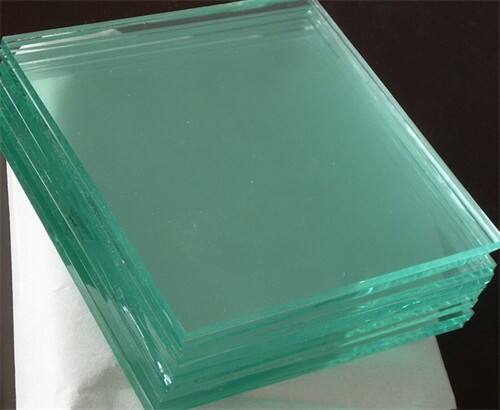
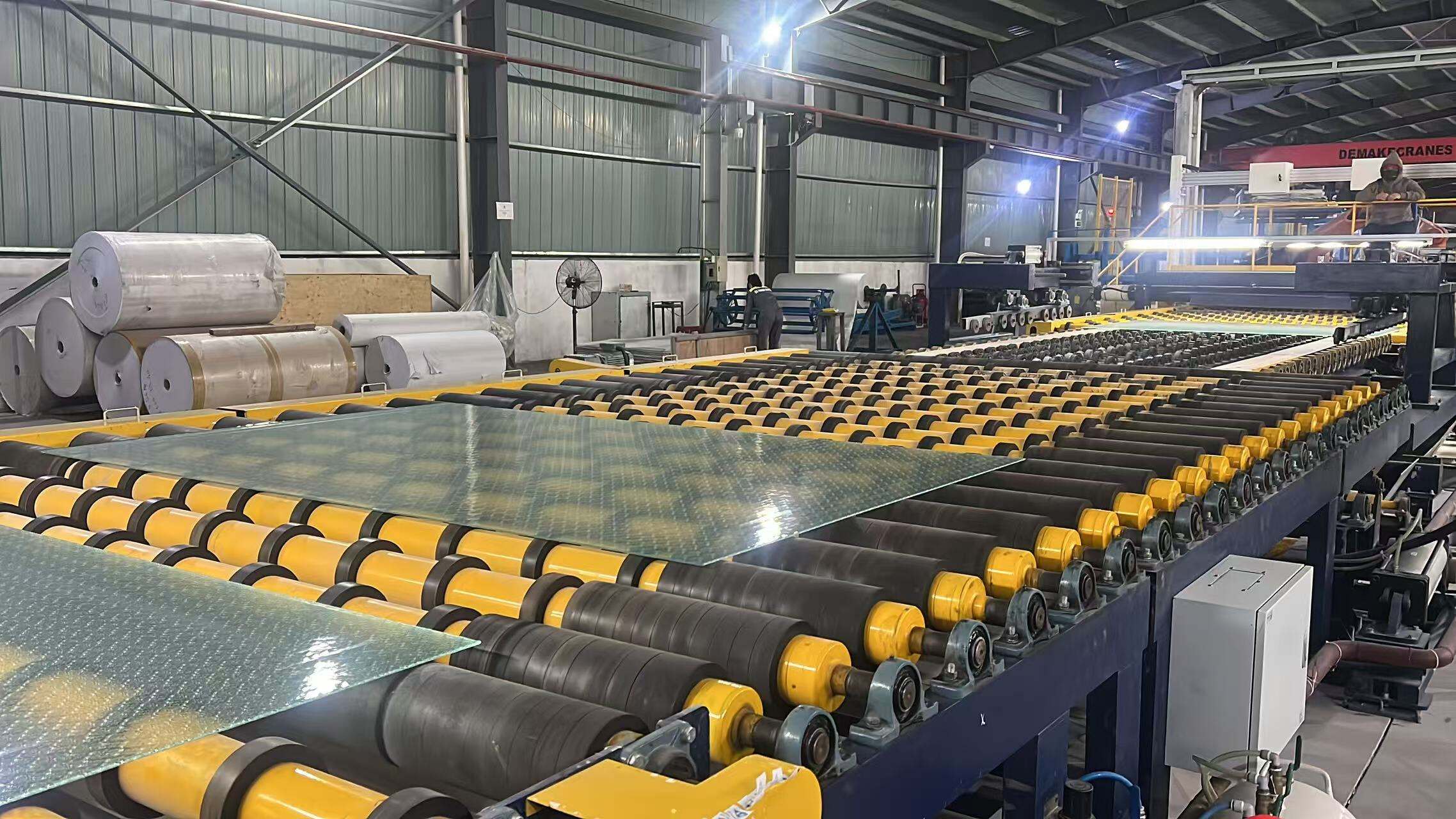
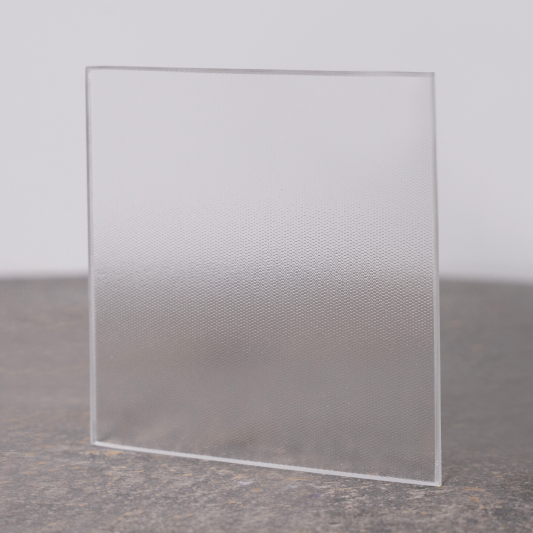
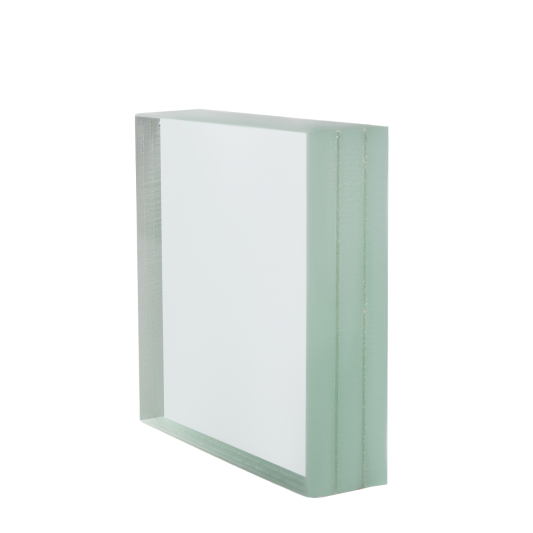
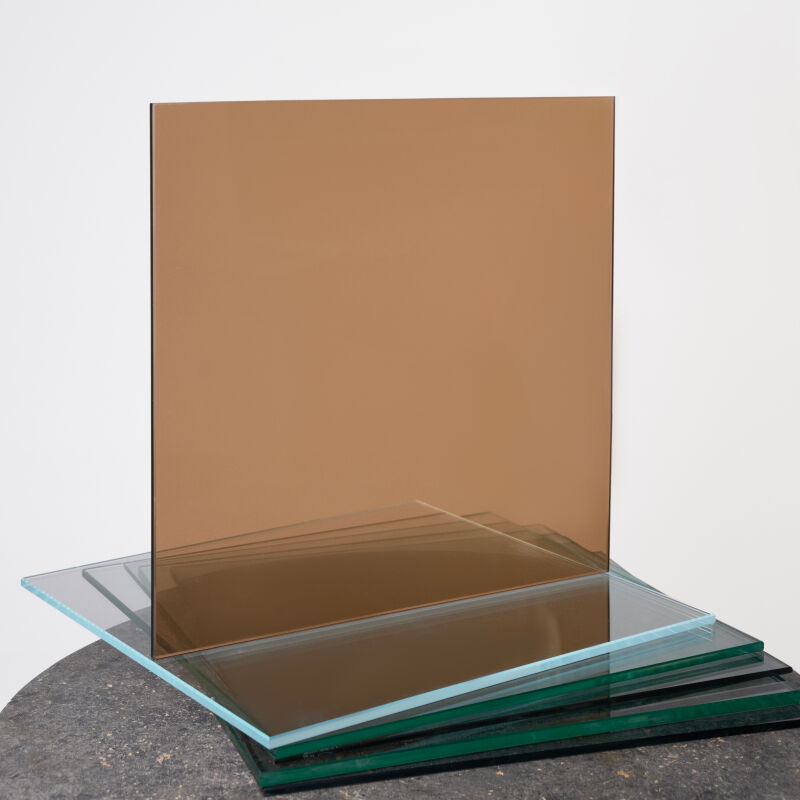
Standard float glass represents the foundational building block of modern glazing solutions, manufactured through the revolutionary float process that has transformed the glass industry since its invention in the 1950s. This sophisticated manufacturing technique involves floating molten glass on a bed of liquid tin, creating perfectly flat surfaces with exceptional optical clarity and uniform thickness. Standard float glass serves as the primary material for countless architectural and commercial applications, offering remarkable versatility and reliability that makes it indispensable in contemporary construction projects. The production process ensures consistent quality control, resulting in glass panels that meet stringent international standards for transparency, strength, and dimensional accuracy. Standard float glass functions as both a protective barrier and aesthetic enhancement, providing natural light transmission while maintaining structural integrity. Its technological features include superior flatness achieved through the controlled cooling process, excellent optical properties with minimal distortion, and standardized thickness options ranging from 2mm to 25mm to accommodate diverse project requirements. The manufacturing process eliminates surface irregularities common in older glass production methods, ensuring smooth surfaces suitable for further processing such as tempering, laminating, or coating applications. Standard float glass demonstrates exceptional chemical durability, resisting degradation from environmental exposure while maintaining its structural properties over extended periods. Applications span residential windows, commercial facades, automotive glazing, furniture components, and decorative installations. The material's neutral color profile allows architects and designers maximum flexibility in creating visually appealing spaces while ensuring optimal light transmission. Standard float glass supports energy efficiency goals through its thermal properties, contributing to building performance standards and occupant comfort. Its compatibility with modern glazing systems makes installation straightforward, reducing construction complexity and associated costs while delivering reliable long-term performance that property owners can depend upon for decades of service.

New Products

Standard float glass delivers exceptional value through its combination of superior manufacturing precision, cost-effectiveness, and versatile performance characteristics that benefit both commercial and residential applications. The primary advantage lies in its outstanding optical clarity, which maximizes natural light penetration while maintaining crystal-clear visibility that enhances interior environments and reduces artificial lighting requirements during daylight hours. This translucent quality creates brighter, more welcoming spaces that improve occupant well-being and productivity while contributing to energy cost savings. The manufacturing precision of standard float glass ensures consistent thickness and flatness across entire panels, eliminating the waviness and distortions that compromise visual aesthetics and functional performance in traditional glass products. This uniformity makes installation more predictable and reduces the likelihood of fitting issues that can delay project completion or require costly modifications. Standard float glass offers remarkable durability that withstands normal environmental stresses including temperature fluctuations, moisture exposure, and moderate impact forces without compromising its structural integrity or appearance. The material resists scratching from routine cleaning and maintenance activities, preserving its pristine appearance over years of regular use. Cost-effectiveness represents another significant advantage, as standard float glass provides premium performance at accessible price points that make high-quality glazing solutions viable for projects across all budget ranges. The standardized manufacturing process enables efficient production volumes that keep material costs reasonable while maintaining consistent quality standards. Installation advantages include compatibility with conventional glazing systems and hardware, reducing the need for specialized tools or techniques that increase labor costs and project complexity. Standard float glass accepts various treatment options including safety tempering, decorative etching, or performance coatings, allowing customization to meet specific project requirements without requiring complete material substitution. The environmental advantages include recyclability and energy efficiency contributions through natural light optimization and thermal performance characteristics. Maintenance requirements remain minimal, with standard cleaning procedures sufficient to maintain appearance and performance over the material's extended service life. These combined advantages make standard float glass the preferred choice for architects, contractors, and property owners seeking reliable, cost-effective glazing solutions that deliver consistent performance and aesthetic appeal.

Practical Tips

Deepening Roots in the Vietnamese Market, Zero-Distance Quality Control – The Company's Quality Director Works On-Site at the Vietnam Factory

08

Jan

Deepening Roots in the Vietnamese Market, Zero-Distance Quality Control – The Company's Quality Director Works On-Site at the Vietnam Factory

View More
Empowering Product Matrix, Jointly Exploring New Market Opportunities – The Company's Management Team Visits Glass Deep-processing Enterprises to Deepen Industrial Cooperation

08

Jan

Empowering Product Matrix, Jointly Exploring New Market Opportunities – The Company's Management Team Visits Glass Deep-processing Enterprises to Deepen Industrial Cooperation

View More
In-depth Popular Science of Float Glass: Unlocking the Mysteries of the

08

Jan

In-depth Popular Science of Float Glass: Unlocking the Mysteries of the "Transparent Cornerstone" from Raw Materials to Applications

View More

Get a Free Quote

Our representative will contact you soon.
Email
Name
Company Name
Message
0/1000

standard float glass

Superior Optical Performance and Light Transmission

Superior Optical Performance and Light Transmission

Standard float glass achieves exceptional optical performance through its precisely controlled manufacturing process that eliminates surface imperfections and ensures uniform thickness distribution across entire panels. This advanced production technique creates glass with outstanding light transmission properties, allowing up to 90 percent of visible light to pass through while maintaining crystal-clear visibility that enhances both interior and exterior aesthetics. The superior optical clarity results from the float process where molten glass flows across a perfectly flat tin surface, naturally forming smooth, parallel surfaces that minimize light distortion and optical aberrations. This manufacturing precision creates viewing experiences comparable to looking through air, making standard float glass ideal for applications where visual clarity is paramount such as storefront windows, residential glazing, and architectural facades. The material's neutral color profile ensures accurate color reproduction of objects viewed through the glass, preventing the greenish or bluish tints that can occur with lower-quality glass products. Standard float glass maintains its optical properties throughout its service life, resisting degradation from ultraviolet exposure, temperature cycling, and environmental contaminants that can cloud or discolor inferior glass materials. The exceptional light transmission characteristics contribute significantly to energy efficiency by maximizing natural daylight utilization, reducing dependence on artificial lighting during daylight hours and creating more comfortable, naturally illuminated interior spaces. This optical performance translates into measurable benefits for building occupants including improved mood, enhanced productivity, and reduced eye strain compared to environments with limited natural light access. The superior transparency also enhances security applications by providing clear visibility for surveillance systems and safety monitoring. Standard float glass accepts various optical enhancement treatments including anti-reflective coatings and light-filtering applications while maintaining its fundamental clarity advantages, making it adaptable to specialized requirements without sacrificing its inherent optical superiority that sets it apart from alternative glazing materials.
Exceptional Manufacturing Precision and Quality Consistency

Exceptional Manufacturing Precision and Quality Consistency

Standard float glass demonstrates unmatched manufacturing precision achieved through rigorous quality control processes that ensure every panel meets exact dimensional specifications and performance standards. The float manufacturing process provides unprecedented control over glass thickness, maintaining tolerances within fractions of millimeters across panels of considerable size, which eliminates the thickness variations that plague traditional glass production methods. This precision manufacturing creates perfectly flat surfaces with exceptional uniformity that facilitates seamless installation and optimal performance in demanding applications. Quality consistency extends beyond dimensional accuracy to include optical properties, mechanical strength, and surface finish characteristics that remain constant from panel to panel and batch to batch. Standard float glass undergoes continuous monitoring throughout production using advanced measurement systems that detect and correct any deviations from specified parameters before products reach customers. The controlled cooling process, known as annealing, relieves internal stresses that could compromise long-term performance while ensuring consistent mechanical properties throughout each panel's thickness. This manufacturing precision enables architects and engineers to specify standard float glass with confidence, knowing that delivered products will match design specifications exactly and perform as intended throughout their service life. The consistency advantages extend to processing compatibility, as uniform glass properties ensure predictable results when panels undergo secondary operations such as tempering, laminating, or coating applications. Installation benefits include reduced fitting time and fewer field adjustments, as the precise dimensions and flat surfaces of standard float glass align perfectly with frame systems and mounting hardware. Quality consistency also supports inventory management efficiency, as architects and contractors can confidently specify standard float glass knowing that replacement panels will match existing installations exactly in appearance and performance characteristics. The rigorous quality control processes include comprehensive testing protocols that verify optical clarity, mechanical strength, thermal properties, and dimensional accuracy before products leave manufacturing facilities. This commitment to manufacturing precision and quality consistency positions standard float glass as the reliable foundation for glazing projects where performance predictability and long-term reliability are essential requirements.
Versatile Applications and Processing Compatibility

Versatile Applications and Processing Compatibility

Standard float glass offers unparalleled versatility through its compatibility with numerous processing techniques and adaptability to diverse application requirements across residential, commercial, and industrial sectors. This fundamental glass product serves as the starting material for countless specialized glazing solutions, accepting treatments and modifications that enhance specific performance characteristics while maintaining its inherent structural integrity and optical clarity. The processing compatibility of standard float glass includes heat treatment options such as tempering and heat strengthening that increase mechanical strength and safety performance for demanding applications including doors, partition walls, and overhead glazing installations. Laminating processes combine multiple layers of standard float glass with interlayer materials to create safety glass products that remain intact when broken, providing security and protection benefits for schools, hospitals, and high-traffic commercial environments. Chemical etching and sandblasting techniques transform smooth standard float glass surfaces into decorative patterns or privacy screens while preserving the material's fundamental strength and durability characteristics. Coating applications enhance standard float glass performance through low-emissivity treatments that improve thermal efficiency, solar control films that manage heat gain, and anti-reflective coatings that minimize glare and reflection issues. The material's thermal compatibility supports various glazing system designs including sealed insulating glass units that combine multiple panes with gas fills and edge sealing systems for superior energy performance. Standard float glass accommodates edge processing techniques including polishing, grinding, and drilling that enable custom fabrication for specialized mounting requirements and architectural details. Installation versatility extends to frame compatibility, as standard float glass works effectively with aluminum, steel, wood, and composite glazing systems using conventional glazing compounds, structural adhesives, or mechanical retention methods. The material's chemical stability ensures compatibility with standard cleaning products and maintenance procedures while resisting degradation from environmental exposure including moisture, temperature cycling, and ultraviolet radiation. Recycling compatibility makes standard float glass an environmentally responsible choice that supports sustainable construction practices through material recovery and reuse programs that extend the product lifecycle beyond initial applications.

Get a Free Quote

Our representative will contact you soon.
Email
Name
Company Name
Message
0/1000