Premium Float Glass Panel Solutions - Superior Clarity, Strength & Versatility

Get a Free Quote

Our representative will contact you soon.
Email
Name
Company Name
Message
0/1000

float glass panel

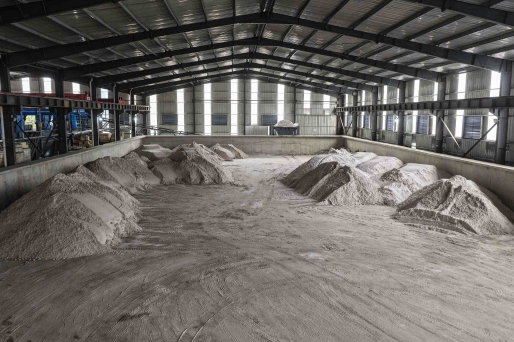
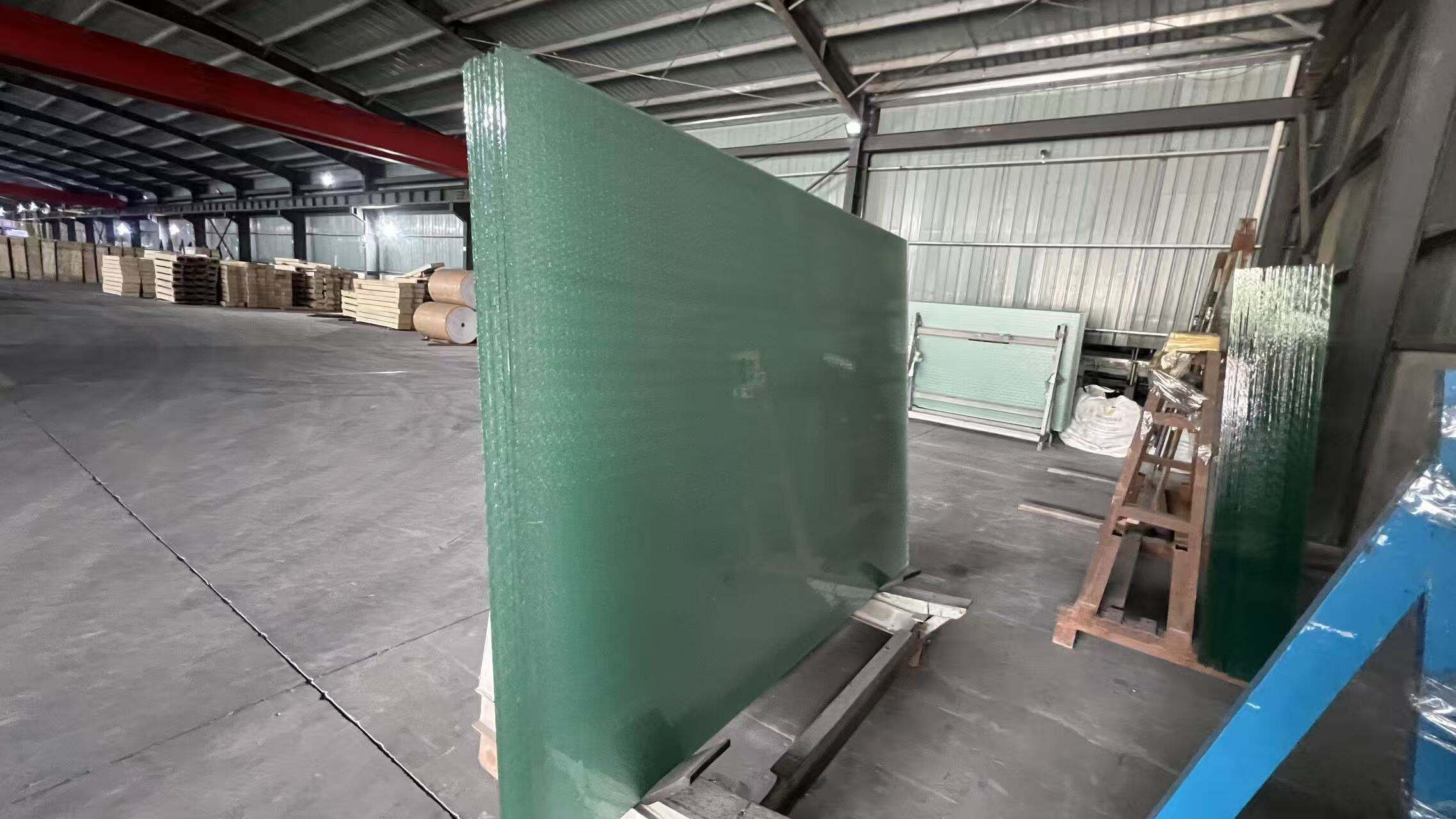
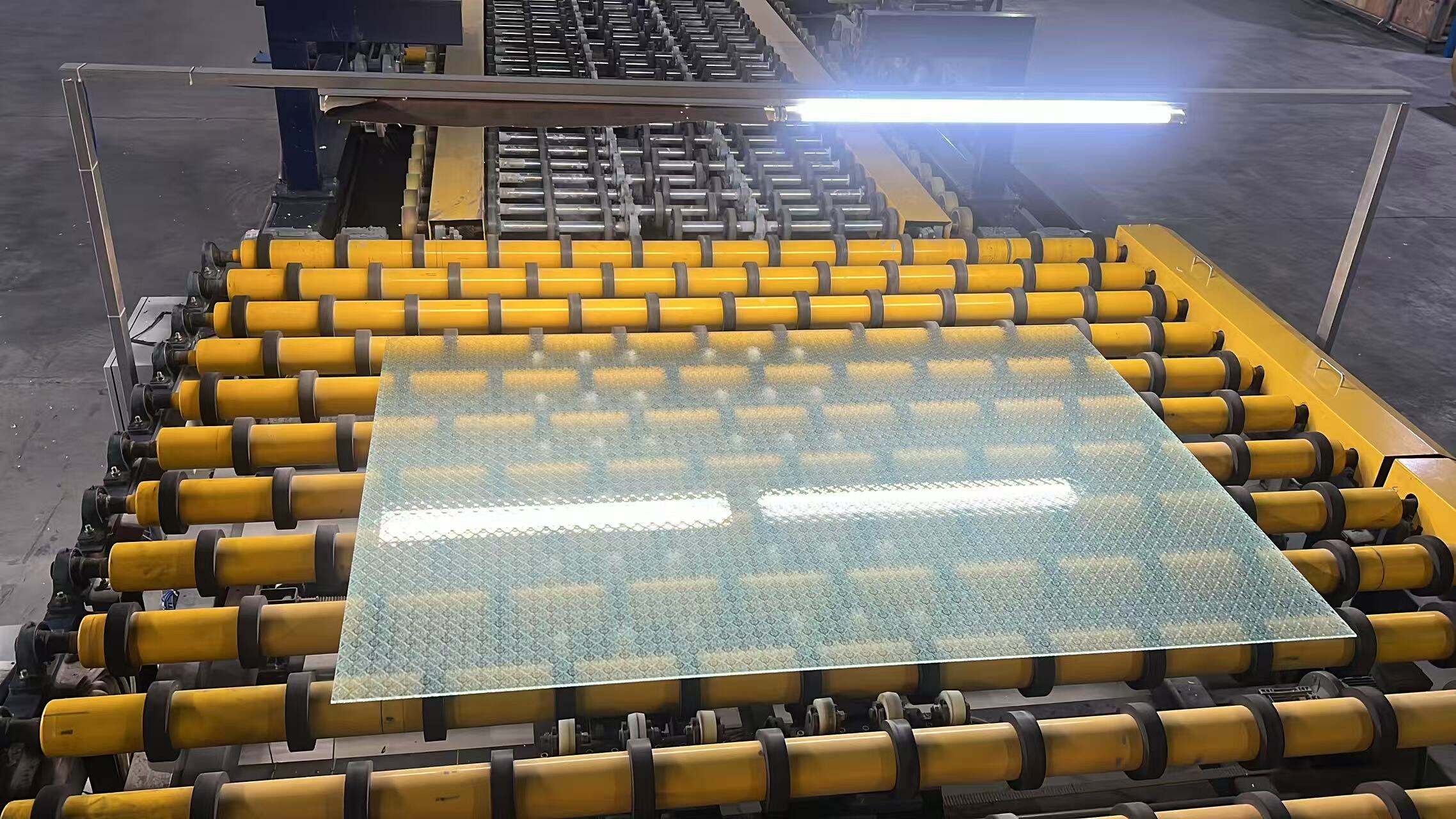
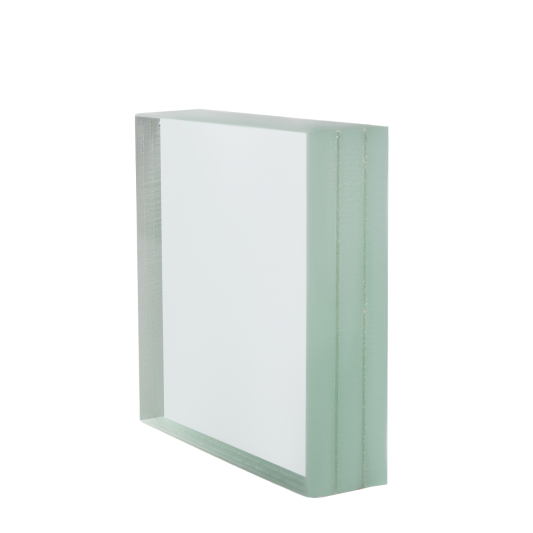
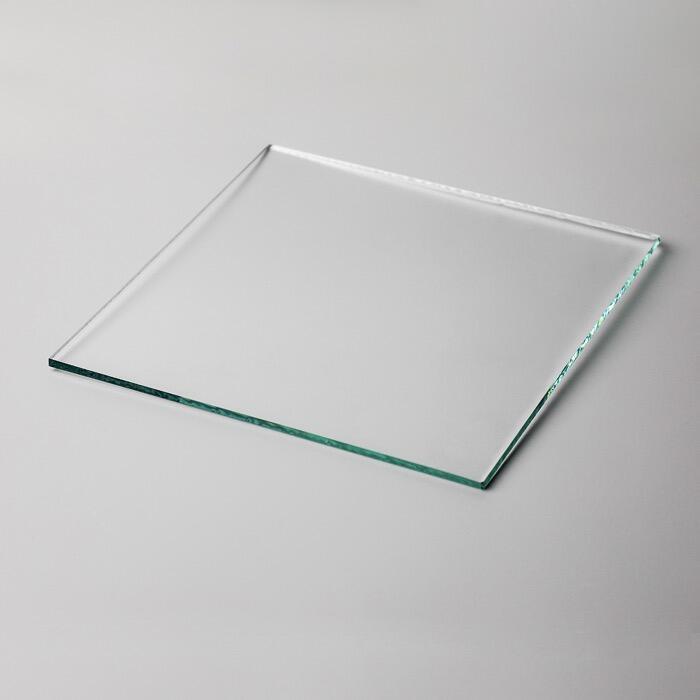
Float glass panel represents one of the most significant innovations in modern glass manufacturing technology. This revolutionary product emerged from the float process, where molten glass flows onto a bed of molten tin, creating perfectly flat surfaces with exceptional optical clarity. The float glass panel production method eliminates the distortions and imperfections commonly found in traditional glass manufacturing techniques, resulting in superior quality panels that meet demanding architectural and industrial requirements. The float glass panel serves multiple essential functions across various industries, from residential and commercial construction to automotive and electronics sectors. Its primary function involves providing transparent barriers that offer protection while maintaining visual connectivity between spaces. These panels effectively control environmental factors such as temperature, humidity, and noise transmission while allowing natural light penetration. The technological features of float glass panel production include precise temperature control systems that maintain optimal conditions throughout the manufacturing process. Advanced cooling techniques ensure uniform thickness distribution, typically ranging from 2mm to 25mm, depending on specific application requirements. The surface quality achieved through float glass panel manufacturing surpasses conventional methods, delivering fire-polished surfaces on both sides without additional processing. Quality control measures integrated into float glass panel production include continuous monitoring of thickness variations, optical distortion measurements, and stress analysis to ensure consistent product performance. The annealing process removes internal stresses, enhancing the structural integrity of each float glass panel. Applications for float glass panel extend across numerous sectors, including curtain wall systems, window glazing, storefront installations, and interior partitions. In the automotive industry, float glass panel technology produces windshields, side windows, and rear windows that meet stringent safety standards. Electronics manufacturers utilize thin float glass panel variants for display screens, touch panels, and protective covers for sensitive electronic components.
New Product Releases

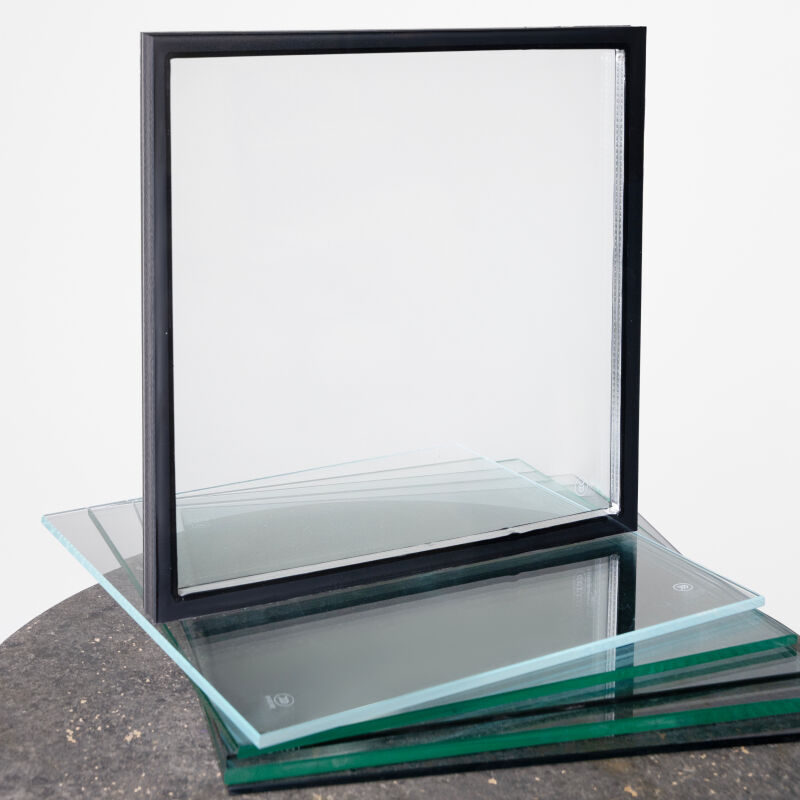
Float glass panel offers numerous practical benefits that make it the preferred choice for architects, builders, and manufacturers worldwide. The superior optical clarity achieved through float glass panel manufacturing ensures exceptional light transmission, reaching up to 92% for clear glass variants. This remarkable transparency creates brighter interior spaces, reduces artificial lighting requirements, and enhances the overall visual appeal of buildings and products. The uniform thickness achieved in float glass panel production eliminates distortions that compromise visual quality in inferior glass products. Customers benefit from consistent performance across large installations, ensuring seamless appearance in curtain walls and storefront applications. Float glass panel manufacturing produces perfectly flat surfaces without the waves or ripples found in older glass production methods. This flatness proves essential for applications requiring precise optical properties, such as mirrors, display screens, and high-end architectural glazing. The smooth surface finish of float glass panel reduces maintenance requirements significantly. Unlike textured or irregular glass surfaces that trap dirt and debris, the perfectly smooth float glass panel surface allows easy cleaning with standard maintenance procedures. Building owners appreciate the reduced cleaning costs and improved appearance retention over time. Float glass panel production delivers exceptional strength characteristics through controlled cooling processes. The annealing treatment removes internal stresses that could lead to spontaneous breakage, providing reliable long-term performance. This strength advantage translates to enhanced safety for occupants and reduced replacement costs for building owners. Energy efficiency represents another significant advantage of float glass panel technology. When combined with advanced coating systems, these panels achieve impressive thermal performance ratings, reducing heating and cooling costs for building owners. The precise thickness control enables optimal performance when used in double or triple glazing systems. Float glass panel manufacturing supports customization options that meet specific project requirements. Customers can specify exact dimensions, thickness variations, and edge treatments to match their design intentions. This flexibility eliminates the need for extensive field modifications and reduces installation time and costs. The consistent quality of float glass panel production ensures predictable performance characteristics across large orders. Contractors and manufacturers rely on this consistency to maintain project schedules and quality standards. Quality control measures integrated into float glass panel manufacturing identify and eliminate defective products before shipment, reducing field problems and warranty claims.

Latest News

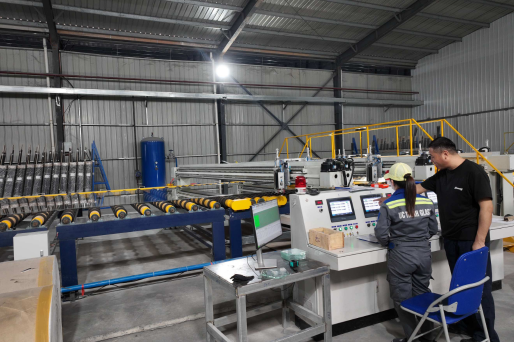
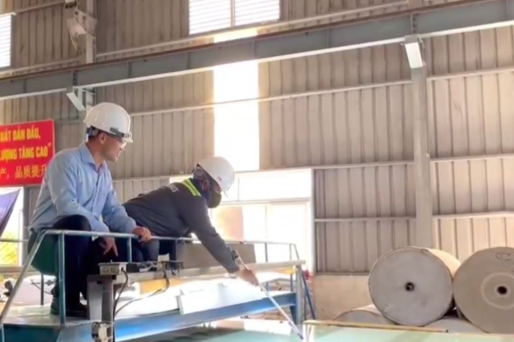
Deepening Roots in the Vietnamese Market, Zero-Distance Quality Control – The Company's Quality Director Works On-Site at the Vietnam Factory

08

Jan

Deepening Roots in the Vietnamese Market, Zero-Distance Quality Control – The Company's Quality Director Works On-Site at the Vietnam Factory

View More
Empowering Product Matrix, Jointly Exploring New Market Opportunities – The Company's Management Team Visits Glass Deep-processing Enterprises to Deepen Industrial Cooperation

08

Jan

Empowering Product Matrix, Jointly Exploring New Market Opportunities – The Company's Management Team Visits Glass Deep-processing Enterprises to Deepen Industrial Cooperation

View More
In-depth Popular Science of Float Glass: Unlocking the Mysteries of the

08

Jan

In-depth Popular Science of Float Glass: Unlocking the Mysteries of the "Transparent Cornerstone" from Raw Materials to Applications

View More

Get a Free Quote

Our representative will contact you soon.
Email
Name
Company Name
Message
0/1000

float glass panel

Exceptional Optical Performance and Clarity

Exceptional Optical Performance and Clarity

The float glass panel achieves unparalleled optical performance through its revolutionary manufacturing process that creates perfectly flat, distortion-free surfaces on both sides. This exceptional clarity stems from the unique float process where molten glass flows across a bath of molten tin, naturally forming smooth, parallel surfaces without the need for grinding or polishing. The result is a float glass panel with outstanding light transmission properties that can reach up to 92% for clear variants, significantly outperforming traditional glass manufacturing methods. The superior optical quality of float glass panel makes it indispensable for applications where visual clarity is paramount. In architectural applications, this exceptional transparency enhances the aesthetic appeal of buildings while maximizing natural light penetration, creating brighter interior spaces that improve occupant comfort and productivity. The absence of optical distortions ensures that views through float glass panel installations remain sharp and undistorted, whether looking at distant landscapes or examining detailed displays. For commercial applications, the optical excellence of float glass panel proves crucial in retail environments where product visibility drives sales performance. Store windows manufactured from float glass panel provide crystal-clear views of merchandise displays, eliminating the visual barriers that inferior glass might create. This clarity advantage directly translates to improved customer engagement and increased sales potential for retail businesses. In the automotive sector, float glass panel technology ensures driver safety through distortion-free visibility. The exceptional optical properties eliminate visual aberrations that could impair depth perception or object recognition, contributing to safer driving conditions. Modern vehicle windshields and windows benefit from float glass panel technology that maintains consistent optical performance across the entire surface area. The technological advancement in float glass panel manufacturing includes sophisticated quality control systems that monitor optical properties throughout production. Advanced measurement techniques detect microscopic variations in surface flatness and thickness that could impact optical performance. This rigorous quality assurance ensures that every float glass panel meets demanding optical specifications required for critical applications. Furthermore, the optical stability of float glass panel remains consistent over time, unlike some alternative materials that may yellow or haze with age or UV exposure. This long-term optical stability provides lasting value for customers investing in float glass panel solutions for their projects.
Superior Strength and Durability Characteristics

Superior Strength and Durability Characteristics

Float glass panel exhibits remarkable strength and durability characteristics that set it apart from conventional glass products, delivering exceptional performance in demanding applications. The strength advantages of float glass panel originate from the controlled manufacturing process that eliminates internal stresses and creates uniform material structure throughout each panel. The annealing process integral to float glass panel production carefully controls cooling rates to remove thermal stresses that could compromise long-term performance and structural integrity. The mechanical strength of float glass panel enables it to withstand significant loads and environmental stresses without failure. This robust performance proves essential in architectural applications where panels must resist wind loads, thermal cycling, and occasional impact forces. Building designers rely on the predictable strength characteristics of float glass panel to create safe, durable glazing systems that protect occupants while maintaining architectural aesthetics. Thermal stability represents another critical strength aspect of float glass panel technology. These panels maintain their structural integrity across wide temperature ranges, from extreme cold to intense heat exposure. This thermal durability proves particularly valuable in climates with significant temperature variations, where inferior glass products might develop stress cracks or experience thermal shock failures. The uniform thickness achieved in float glass panel manufacturing contributes significantly to overall strength performance. Unlike hand-blown or rolled glass that exhibits thickness variations, float glass panel maintains consistent cross-sectional properties that ensure predictable load distribution and stress patterns. This uniformity eliminates weak points that might otherwise compromise panel integrity under load. Surface quality enhancement through float glass panel production creates a fire-polished finish that resists scratching and maintains appearance over extended service life. The smooth surface texture achieved through the float process provides inherent resistance to surface damage that could initiate crack propagation or structural failure. Long-term durability testing demonstrates that float glass panel maintains its strength characteristics even after decades of service exposure. Environmental factors such as UV radiation, moisture, and atmospheric pollutants have minimal impact on the structural integrity of properly manufactured float glass panel products. Quality assurance protocols integrated into float glass panel manufacturing include comprehensive strength testing that validates performance under various loading conditions. These tests ensure that every panel meets stringent strength requirements before shipment, providing customers with confidence in long-term performance reliability.
Versatile Applications and Customization Options

Versatile Applications and Customization Options

Float glass panel technology offers remarkable versatility and customization capabilities that make it suitable for an extensive range of applications across multiple industries. This adaptability stems from the flexible manufacturing process that can produce float glass panel products in various thicknesses, sizes, and configurations to meet specific customer requirements. The customization potential of float glass panel extends from basic dimensional specifications to complex shaped products that serve specialized applications in architecture, automotive, and industrial sectors. In architectural applications, float glass panel versatility enables designers to create stunning facades, curtain walls, and interior partitions that meet both aesthetic and performance requirements. The ability to produce large-format float glass panel products reduces the number of joints and supports required in glazing systems, creating cleaner sight lines and improved weather sealing. Custom sizing capabilities eliminate waste and reduce installation complexity, providing cost savings throughout the construction process. Architects appreciate the design freedom that float glass panel customization offers, enabling them to realize creative visions without compromising performance or safety standards. The automotive industry benefits significantly from float glass panel versatility, as manufacturers can produce windshields, side windows, and specialty glazing that meet exact vehicle specifications. Custom curvature capabilities allow float glass panel products to conform to modern vehicle aerodynamics while maintaining optical clarity and structural integrity. The ability to integrate heating elements, antenna patterns, and heads-up display compatibility into float glass panel products demonstrates the advanced customization potential available to automotive designers. Industrial applications showcase the extreme versatility of float glass panel technology through specialized products designed for unique environmental conditions. Heat-resistant variants withstand high-temperature exposure in furnace viewing windows, while ultra-thin float glass panel products serve precision applications in electronics manufacturing. Chemical resistance modifications enable float glass panel use in laboratory and chemical processing environments where standard glass might deteriorate. The electronics sector utilizes ultra-thin float glass panel variants as substrates for display screens, touch panels, and protective covers for sensitive components. Precise thickness control and exceptional surface flatness make float glass panel ideal for applications requiring exact dimensional tolerances and superior optical properties. Customization extends to edge treatments, surface texturing, and coating applications that enhance specific performance characteristics. Manufacturing flexibility allows float glass panel production to accommodate both high-volume standard products and low-volume specialty applications. This scalability ensures that customers receive cost-effective solutions regardless of project size or complexity requirements.

Get a Free Quote

Our representative will contact you soon.
Email
Name
Company Name
Message
0/1000