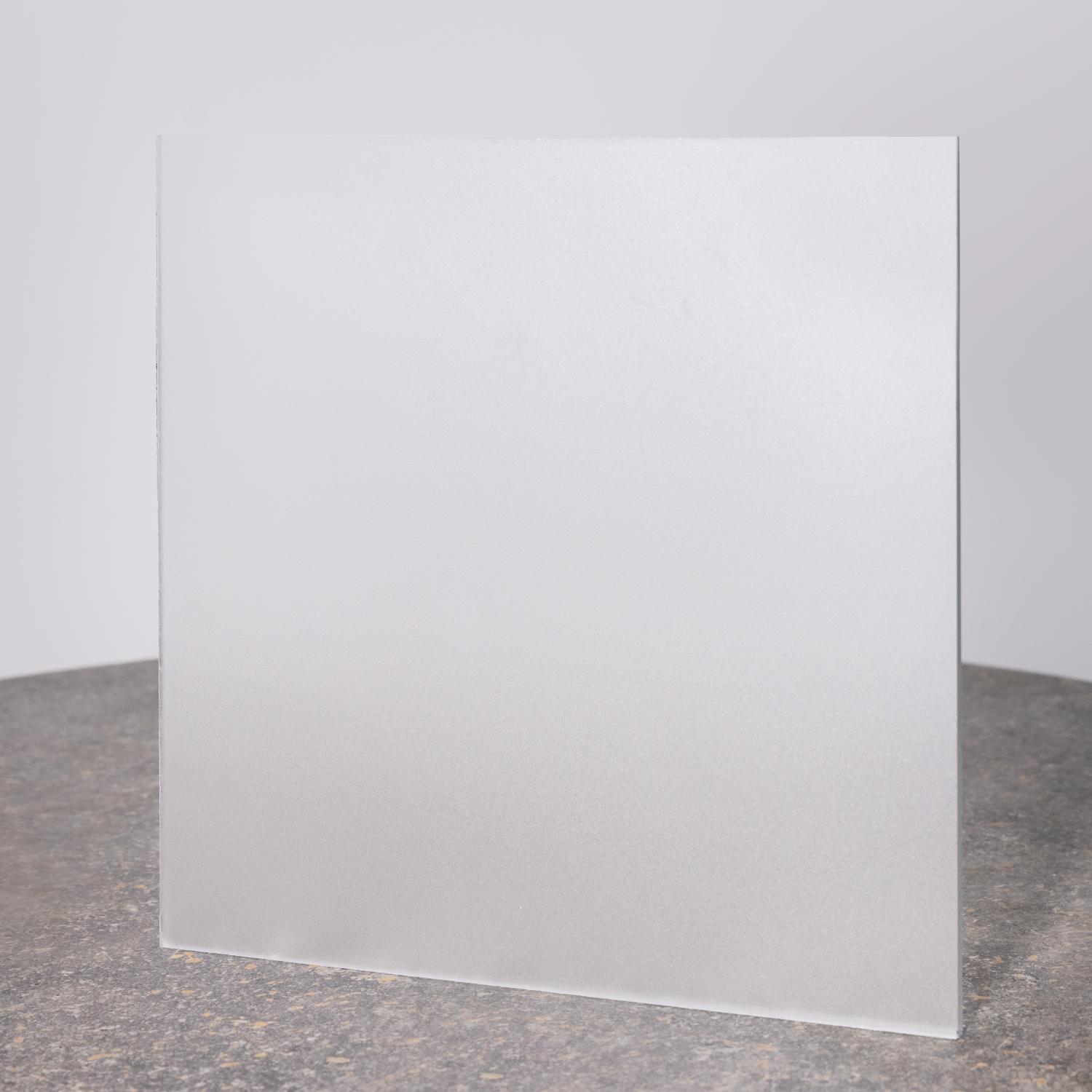
Versatile Processing Capabilities and Customization Options
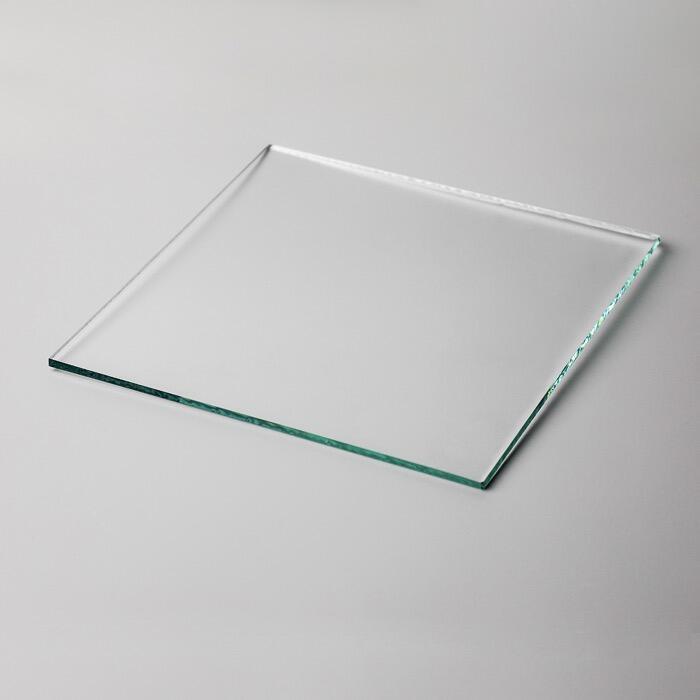
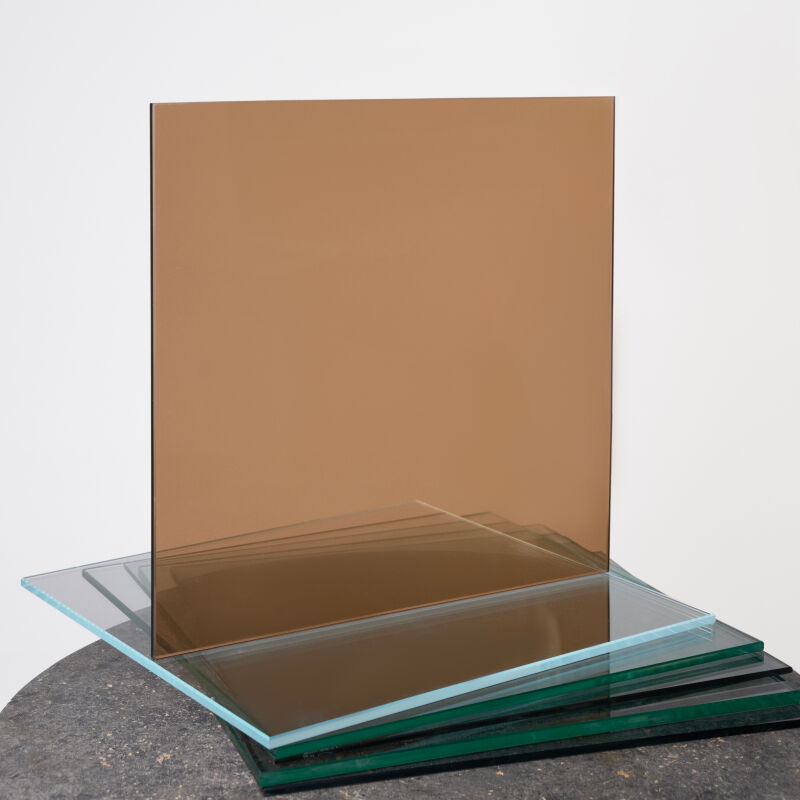
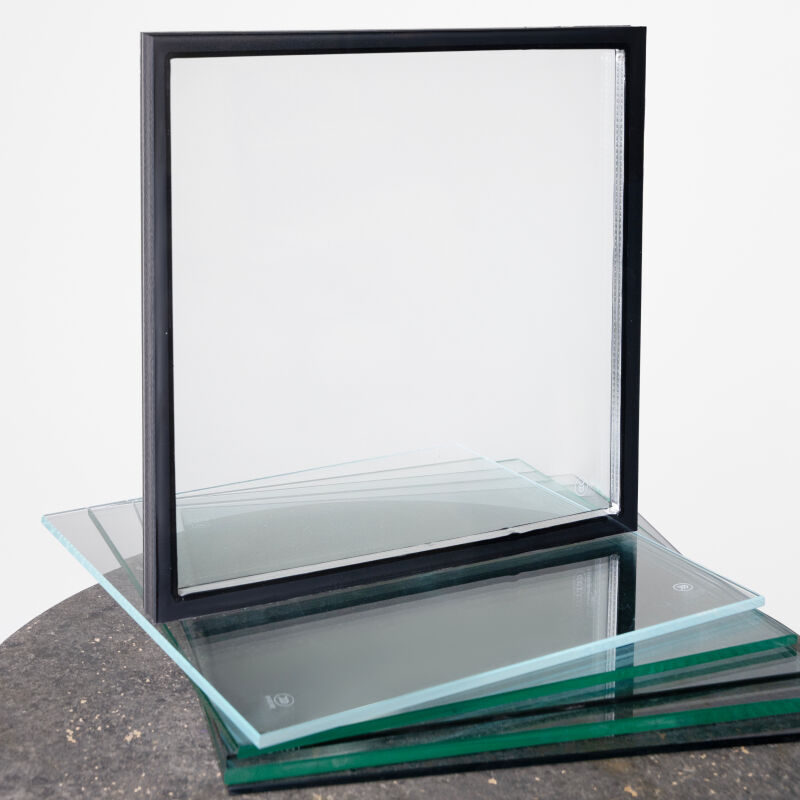
Float glass sheets excel in their adaptability to various processing techniques and customization options, making them the ideal starting material for specialized glass applications across diverse industries. The exceptional surface quality and uniform composition of float glass sheets provide the perfect foundation for advanced coating applications, including low-emissivity coatings, solar control films, and specialty functional layers that enhance performance characteristics. These sheets readily accept thermal treatments such as tempering and annealing, allowing manufacturers to modify their strength and thermal properties to meet specific application requirements without compromising optical quality. The consistent composition of float glass sheets ensures predictable behavior during chemical treatments, including etching, frosting, and chemical strengthening processes that create unique surface textures and properties. Laminating processes work exceptionally well with float glass sheets due to their flat surfaces and uniform thickness, creating safety glass products with superior optical clarity and structural performance. The precise dimensional control achieved in float glass production enables accurate cutting and shaping operations, allowing fabricators to create complex geometries with minimal waste and maximum precision. Float glass sheets can be easily drilled, notched, and edge-finished using standard glass processing equipment, reducing manufacturing complexity and tooling requirements. The thermal properties of float glass sheets make them suitable for bending and forming operations, allowing the creation of curved architectural elements and specialized shapes without compromising structural integrity. Digital printing technologies work exceptionally well on float glass sheets, enabling the creation of decorative and functional patterns that maintain long-term durability and color stability. The chemical inertness of float glass sheets ensures compatibility with various adhesives and sealants used in composite applications, expanding their utility in advanced building systems. Mirror manufacturing benefits from the superior surface quality of float glass sheets, producing mirrors with enhanced reflectivity and minimal distortion. These sheets serve as excellent substrates for photovoltaic applications, providing the transparency and durability required for solar energy systems while maintaining long-term performance under harsh environmental conditions.

 EN
EN