float glass making
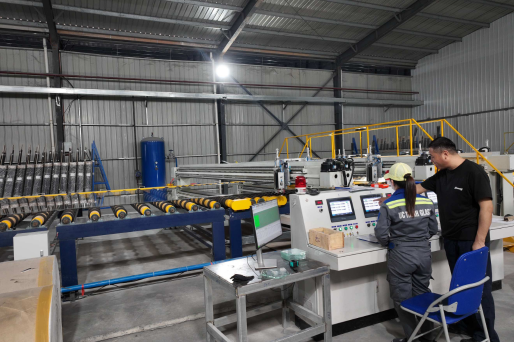
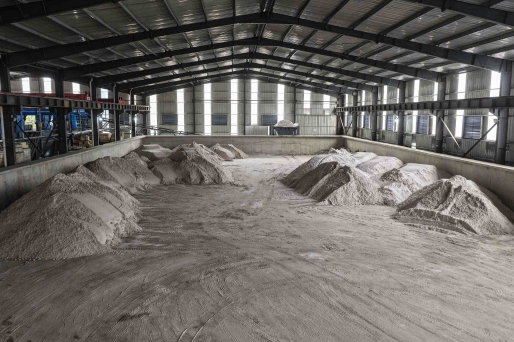
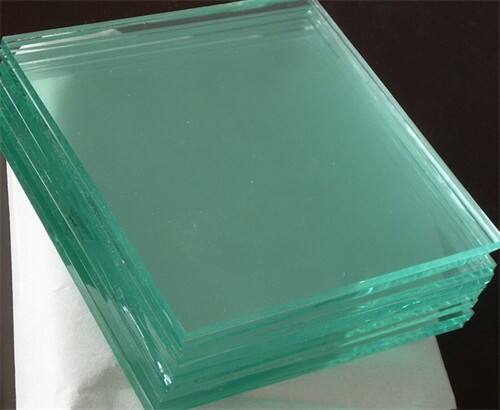
Float glass making represents one of the most revolutionary manufacturing processes in the glass industry, fundamentally transforming how we produce flat glass for countless applications. This sophisticated manufacturing method involves melting raw materials at extremely high temperatures and floating the molten glass on a bath of liquid tin to create perfectly flat, uniform sheets. The float glass making process begins with carefully selected raw materials including silica sand, soda ash, limestone, and recycled glass cullet being fed into a massive furnace where temperatures reach approximately 1600 degrees Celsius. The molten glass then flows continuously onto a bath of molten tin, which provides an ideally flat surface due to tin's density and surface tension properties. As the glass ribbon moves across the tin bath, it naturally spreads and achieves uniform thickness through controlled cooling and stretching. The technological features of float glass making include precise temperature control systems, automated thickness monitoring, and sophisticated annealing processes that gradually cool the glass to prevent internal stresses. Modern float glass making facilities incorporate advanced computer-controlled systems that monitor every aspect of production, from raw material feeding to final cutting and packaging. The applications of float glass making extend across numerous industries, including construction where it produces window glass, architectural glazing, and safety glass products. Automotive manufacturing relies heavily on float glass making for windshields, side windows, and rear windows that meet strict safety and optical standards. The furniture industry utilizes products from float glass making processes for tabletops, shelving, and decorative elements. Additionally, float glass making serves the electronics industry by providing substrates for LCD displays, solar panels, and various optical components. The process enables manufacturers to produce glass with exceptional optical clarity, consistent thickness, and smooth surfaces that require minimal additional processing.

 EN
EN