Advanced Safety Engineering with Tempered Construction
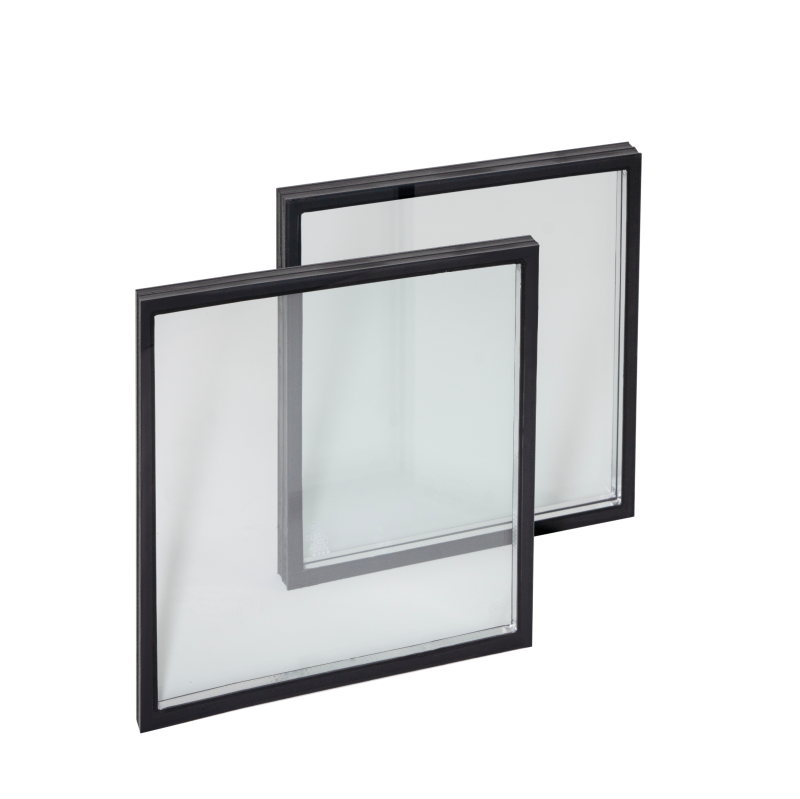
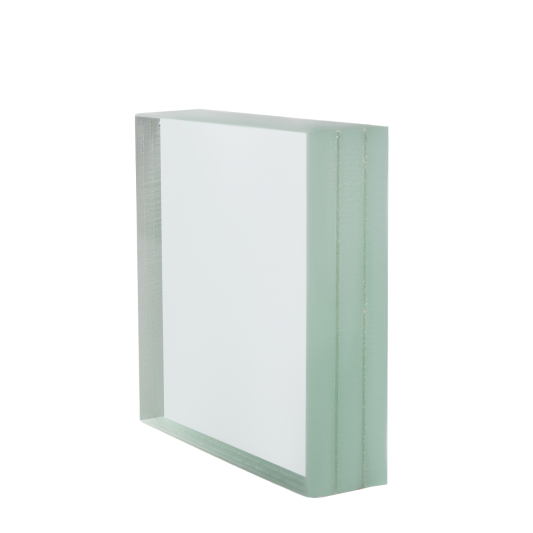
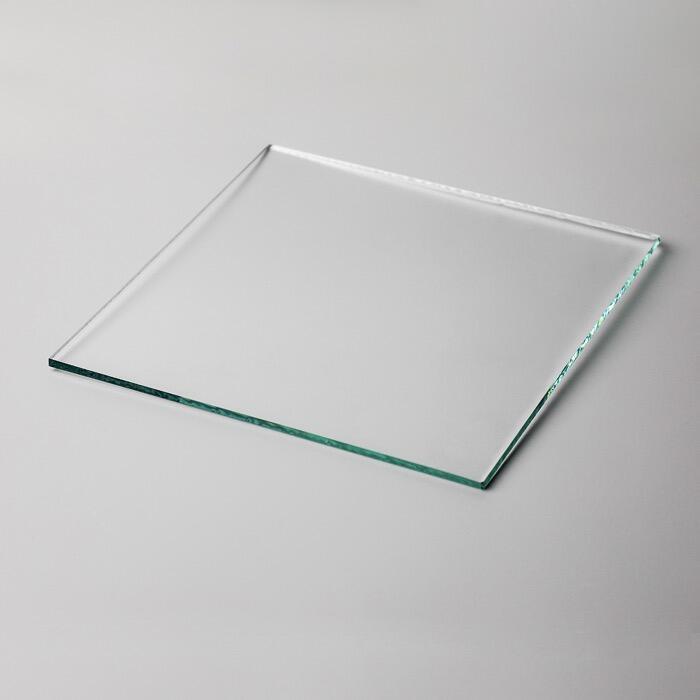
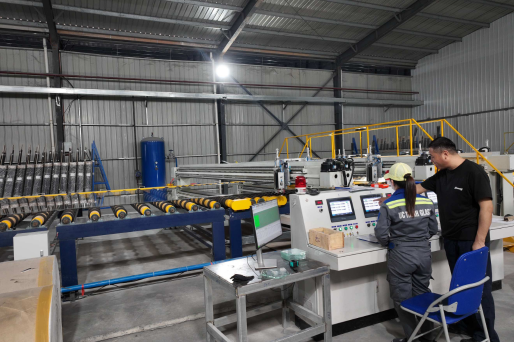
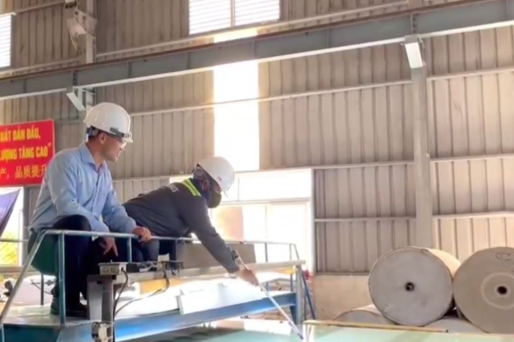
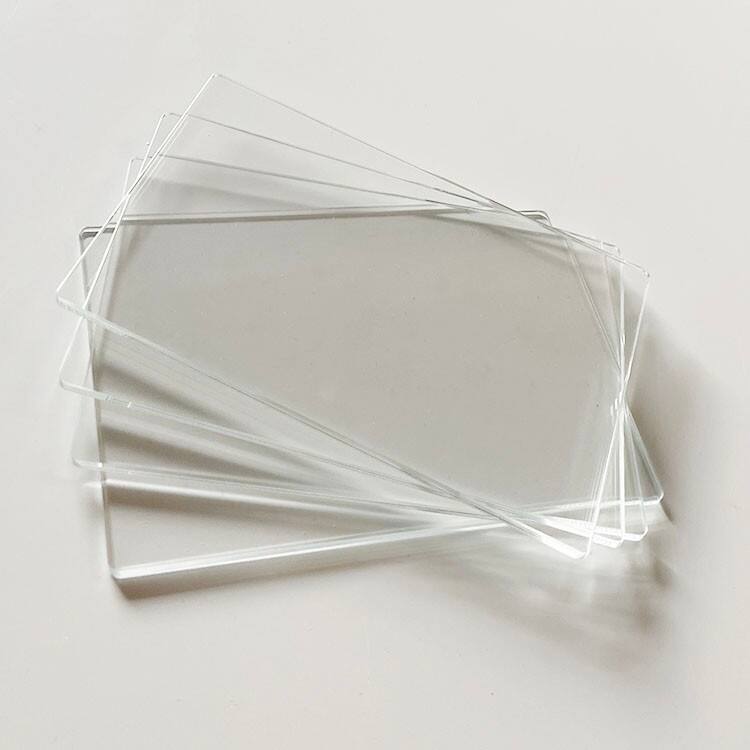
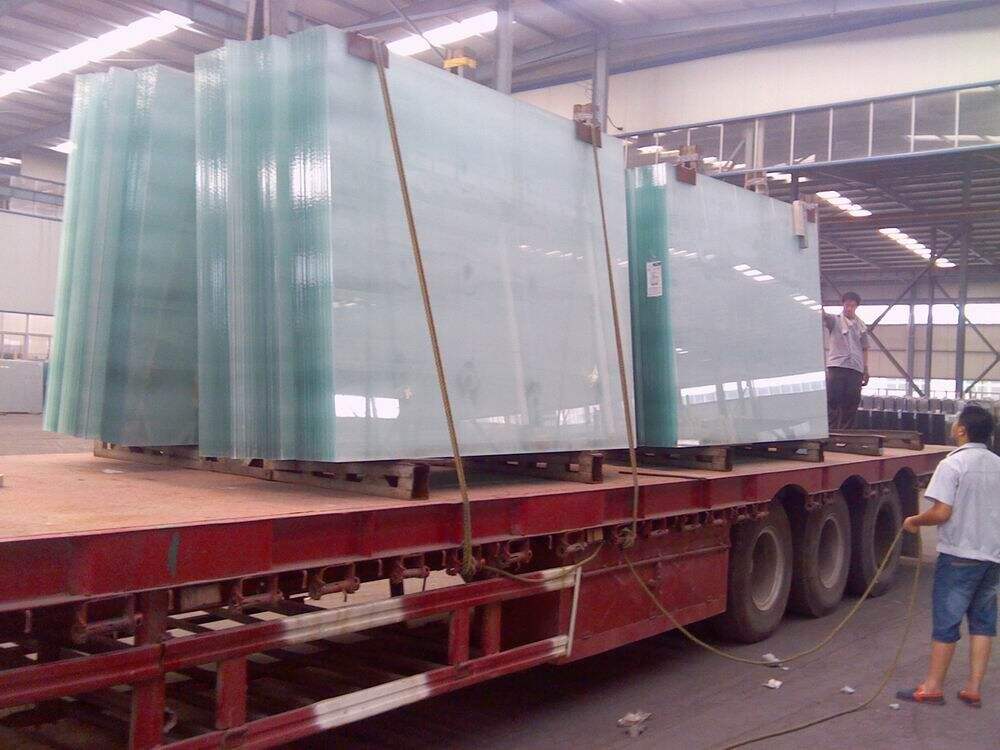
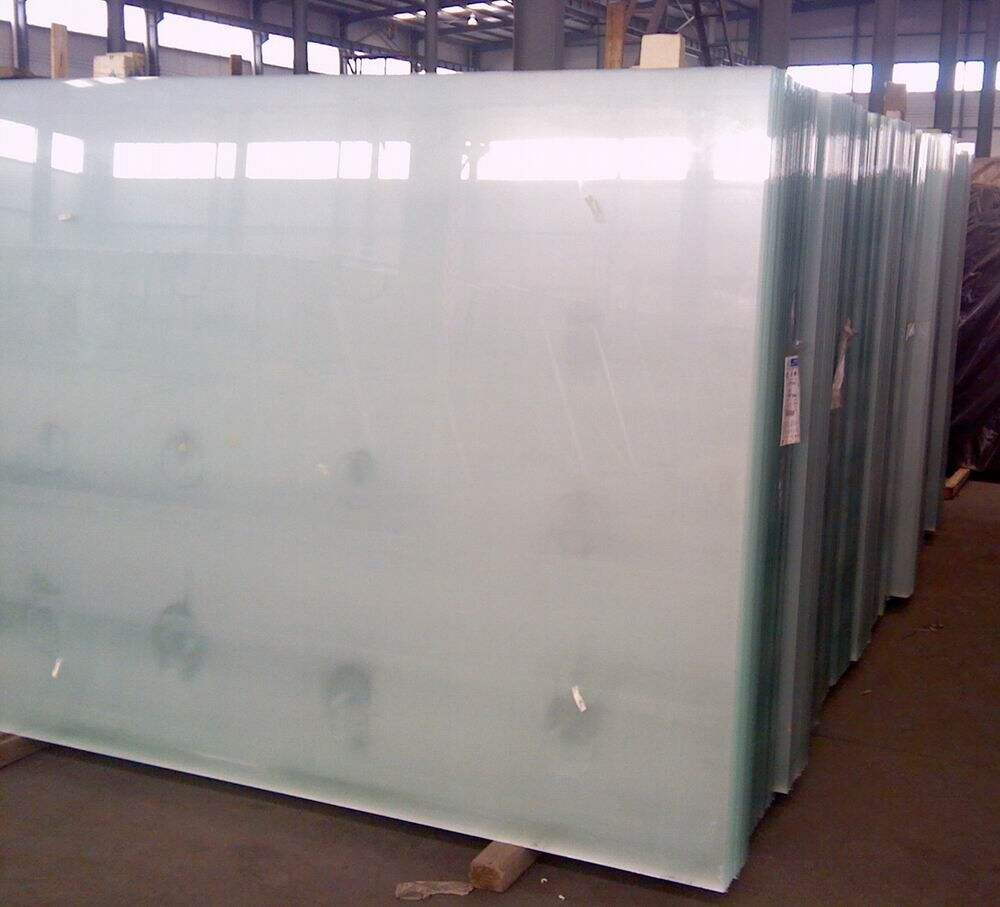
The ultra clear shower glass prioritizes user safety through comprehensive tempered construction that exceeds industry safety standards while maintaining exceptional visual clarity. The tempering process involves heating the glass to approximately 1200 degrees Fahrenheit, then rapidly cooling it with controlled air jets. This thermal treatment creates permanent internal stresses that significantly increase the glass strength, making it approximately five times stronger than standard annealed glass. The safety benefits extend beyond simple impact resistance, as the ultra clear shower glass is designed to handle the thermal stresses common in bathroom environments. Sudden temperature changes from hot showers followed by cool air conditioning pose no threat to properly tempered glass, eliminating concerns about thermal shock fractures. The edges receive special attention during manufacturing, with polished finishes that eliminate stress concentration points where cracks might otherwise initiate. Should breakage occur despite these precautions, the ultra clear shower glass fractures into small, cube-like pieces with relatively dull edges, dramatically reducing injury risk compared to sharp shards produced by regular glass. This safety glass behavior is mandated by building codes for shower applications, but the ultra clear shower glass exceeds minimum requirements through superior manufacturing standards. The thickness options available, ranging from 6mm to 12mm, allow for appropriate safety margins based on panel size and installation configuration. Structural loading calculations account for wind loads, seismic forces, and human impact scenarios to ensure reliable performance under all reasonable use conditions. Professional installation includes safety considerations like proper edge clearances, appropriate hardware selection, and structural support verification. The ultra clear shower glass carries safety certifications from recognized testing laboratories, providing documented evidence of compliance with relevant safety standards. Quality control measures during production include impact testing, thermal stress testing, and visual inspection to identify any defects that could compromise safety performance. The long-term safety record of tempered glass in shower applications demonstrates the effectiveness of this technology, with properly installed systems providing decades of reliable service without safety incidents.

 EN
EN