Premium Tempered Clear Glass Solutions - Enhanced Safety, Strength & Durability

Get a Free Quote

Our representative will contact you soon.
Email
Name
Company Name
Message
0/1000

tempered clear glass

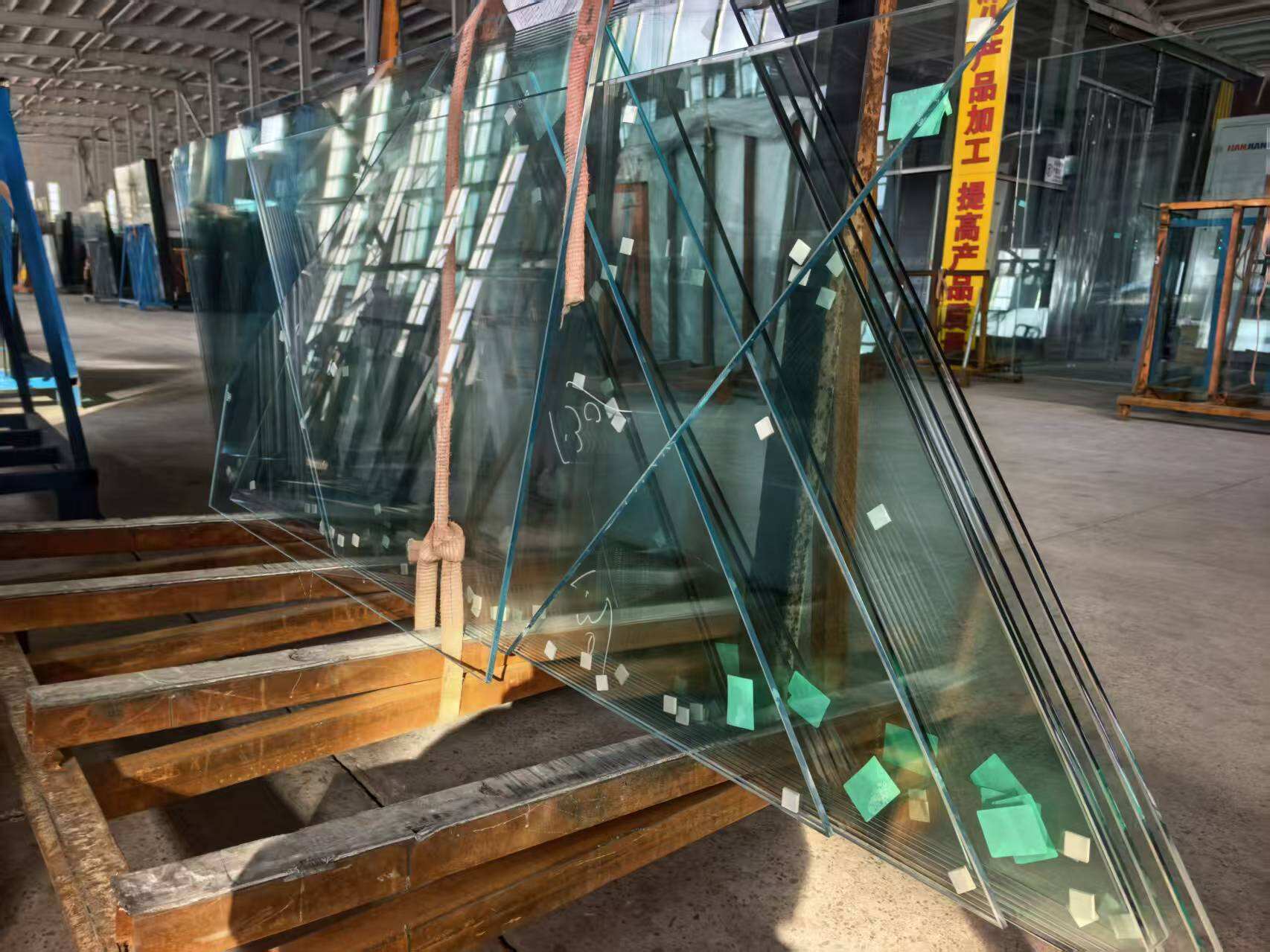
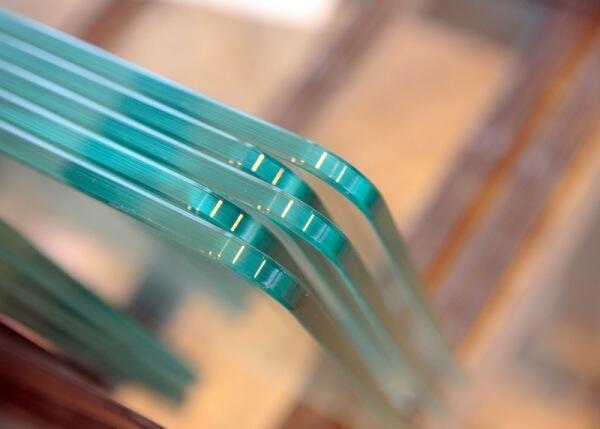
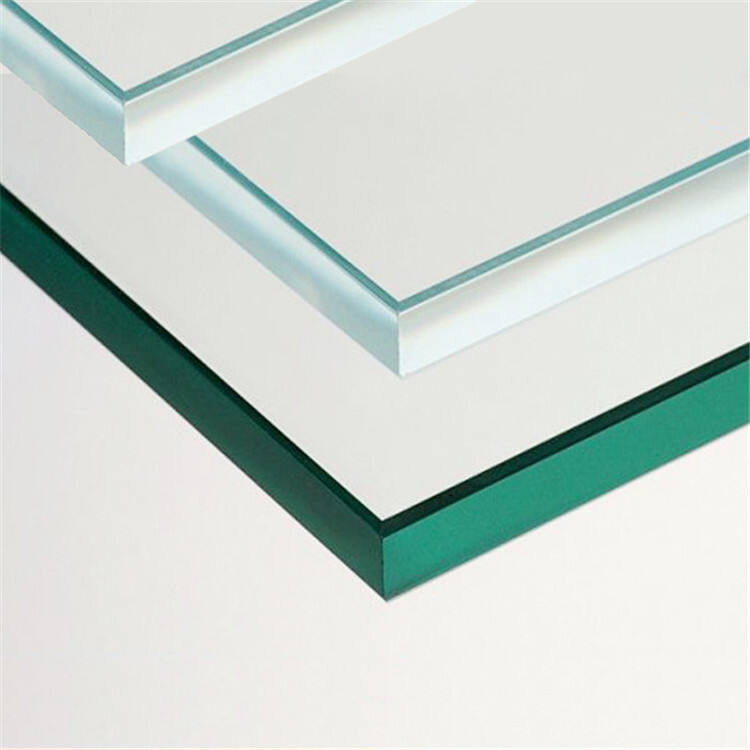
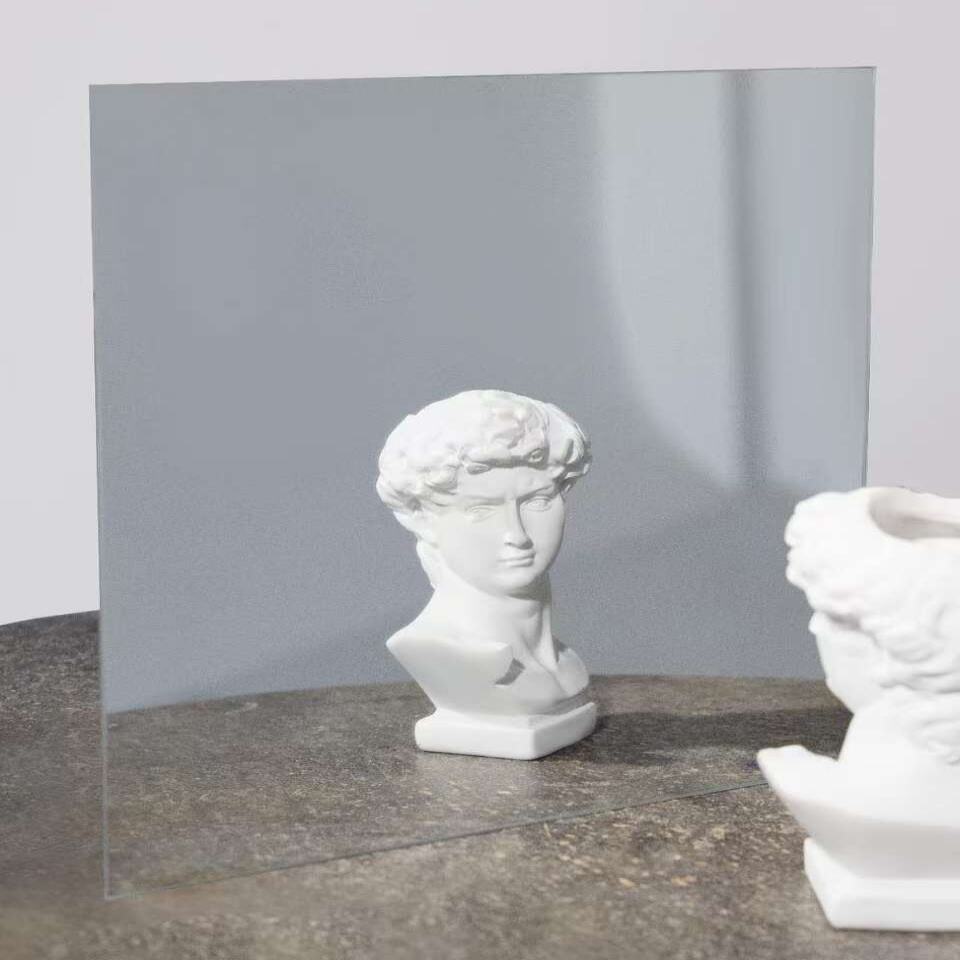
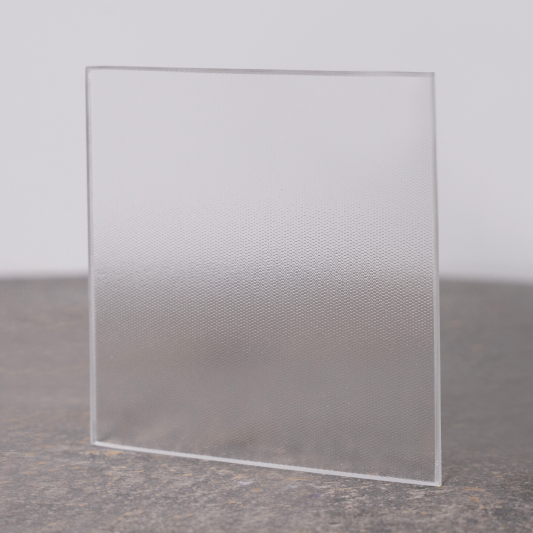
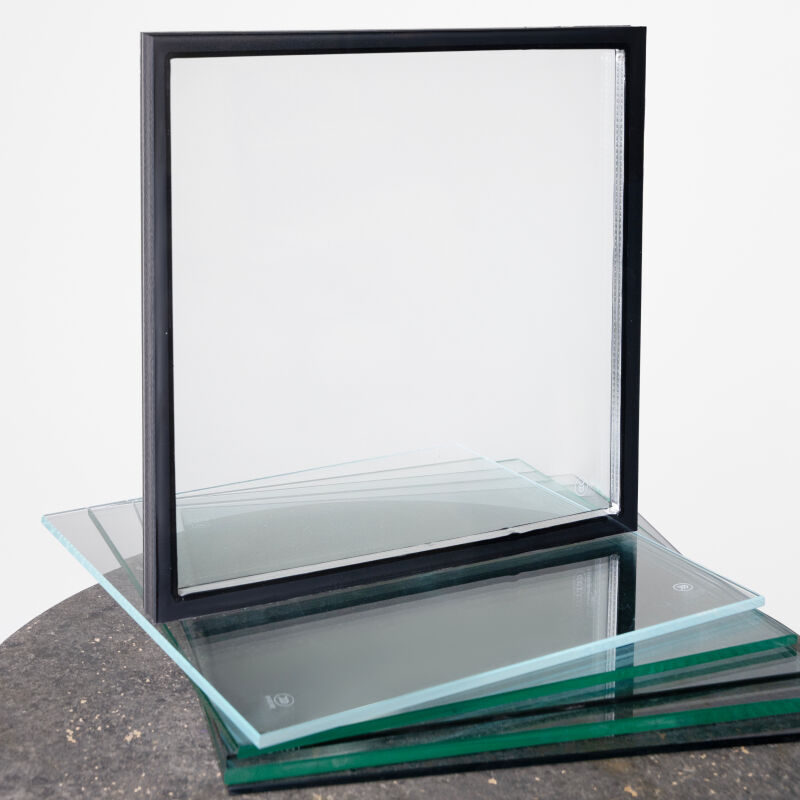
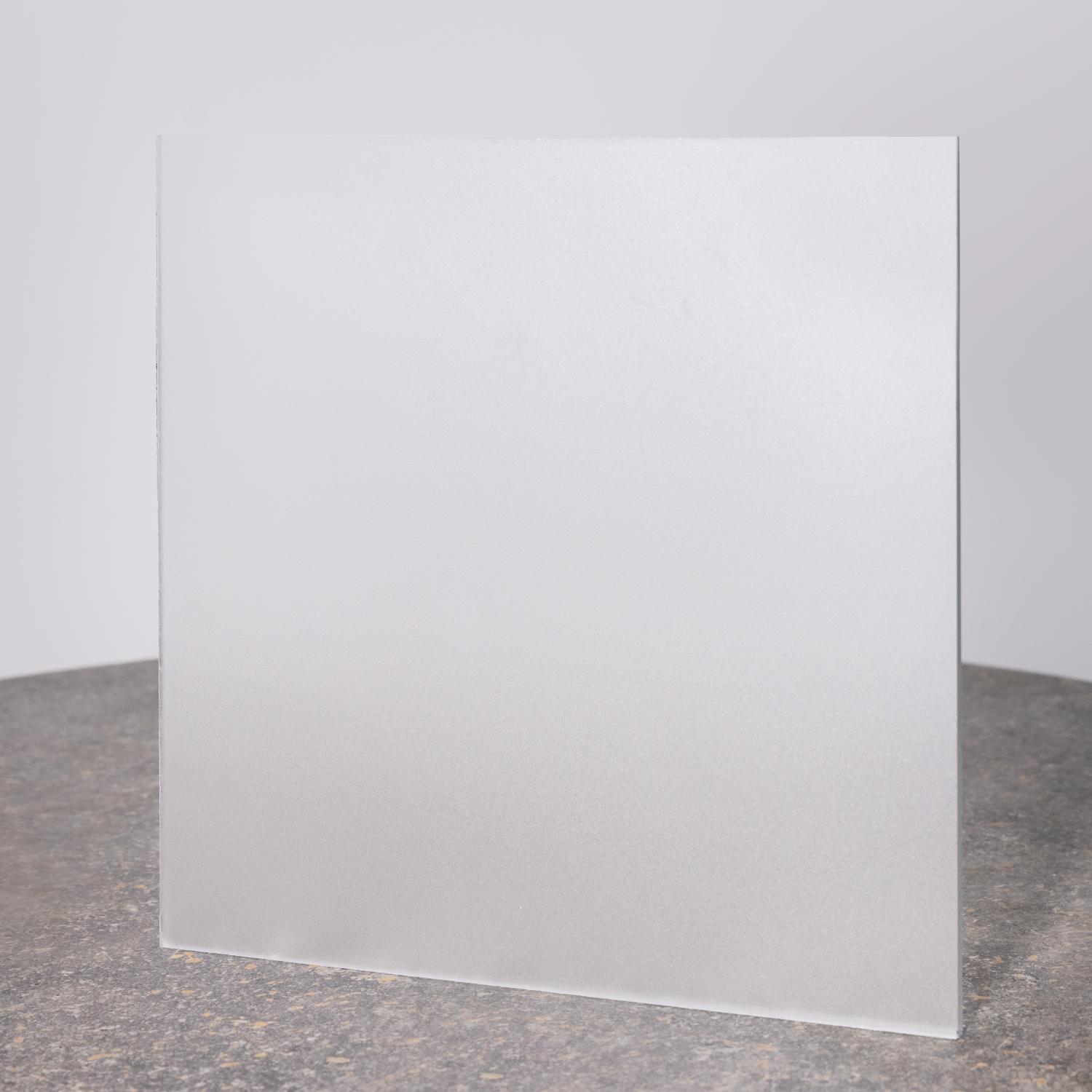
Tempered clear glass represents a revolutionary advancement in glass manufacturing technology, offering superior strength and safety characteristics compared to standard glass products. This specialized glass undergoes a controlled thermal treatment process that transforms ordinary glass into a remarkably durable material capable of withstanding significant impact and thermal stress. The manufacturing process involves heating the glass to approximately 620 degrees Celsius before rapidly cooling it with jets of cold air, creating internal stresses that dramatically increase its structural integrity. This tempering process results in glass that is four to five times stronger than regular glass while maintaining complete optical clarity. The main functions of tempered clear glass include providing enhanced safety through its unique fracturing pattern, delivering exceptional structural strength for demanding applications, and offering reliable thermal resistance for environments with temperature fluctuations. Technologically, tempered clear glass features a compressed surface layer that works in harmony with tensile forces in the interior, creating a balanced stress distribution throughout the material. This engineered stress pattern ensures that when breakage occurs, the glass fragments into small, relatively harmless pieces rather than dangerous sharp shards. The optical properties remain unchanged during the tempering process, preserving perfect transparency and light transmission characteristics essential for architectural and design applications. Applications for tempered clear glass span numerous industries and settings, including residential and commercial building facades, shower enclosures, glass doors, automotive windows, furniture tops, shelving systems, and protective barriers. In architectural projects, tempered clear glass serves as an ideal solution for curtain walls, skylights, and large window installations where both safety and aesthetic appeal are paramount. The versatility of this material extends to interior design applications, where its strength enables creative uses in partition walls, staircases, and decorative elements. Manufacturing facilities utilize tempered clear glass for equipment housings and safety screens, while the retail sector employs it extensively in display cases and storefront windows where security and visibility are equally important considerations.
Popular Products

Tempered clear glass delivers exceptional safety benefits that make it the preferred choice for countless applications where human safety cannot be compromised. When this specially treated glass experiences impact or stress beyond its limits, it breaks into small, cube-like fragments that minimize the risk of serious injury, unlike regular glass that creates dangerous jagged pieces. This safety characteristic makes tempered clear glass essential for environments where people gather, work, or live, providing peace of mind for property owners and occupants alike. The strength advantages of tempered clear glass exceed those of standard glass by a factor of four to five, enabling architects and designers to create bold, expansive installations that would be impossible with conventional materials. This remarkable strength allows for larger unsupported spans, thinner profiles, and more ambitious design concepts while maintaining structural reliability and code compliance. Property owners benefit from reduced maintenance costs due to the superior durability of tempered clear glass, which resists scratching, chipping, and stress-related damage that commonly affects regular glass surfaces. The thermal resistance properties of tempered clear glass provide significant advantages in buildings exposed to temperature variations, as this material can withstand thermal stress that would cause standard glass to crack or shatter. This thermal stability translates to lower replacement costs and improved energy efficiency in building applications. Installation benefits include the ability to drill, cut, and shape tempered clear glass before the tempering process, allowing for custom configurations that meet specific project requirements while maintaining all safety and strength characteristics. The longevity advantages of tempered clear glass result in superior return on investment, as this material typically lasts significantly longer than alternatives while requiring minimal maintenance throughout its service life. Environmental benefits include the recyclability of tempered clear glass, supporting sustainable building practices and reducing waste in construction projects. Insurance advantages often apply to buildings utilizing tempered clear glass, as many insurers recognize the reduced risk profile associated with this safer alternative to standard glass. The versatility advantages enable tempered clear glass to serve multiple functions simultaneously, acting as both a structural element and aesthetic feature while providing safety benefits that protect occupants and visitors. Cost advantages become apparent over time, as the initial investment in tempered clear glass typically pays for itself through reduced maintenance, replacement costs, and potential insurance savings, making it an economically sound choice for both residential and commercial applications.

Latest News

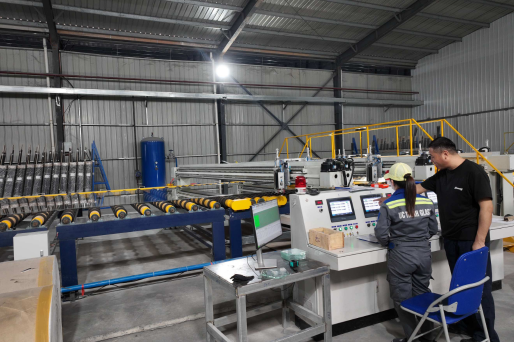
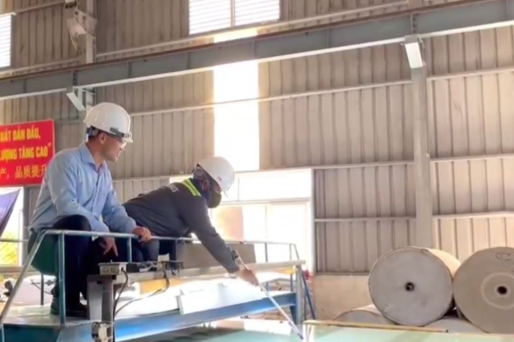
Deepening Roots in the Vietnamese Market, Zero-Distance Quality Control – The Company's Quality Director Works On-Site at the Vietnam Factory

08

Jan

Deepening Roots in the Vietnamese Market, Zero-Distance Quality Control – The Company's Quality Director Works On-Site at the Vietnam Factory

View More
Empowering Product Matrix, Jointly Exploring New Market Opportunities – The Company's Management Team Visits Glass Deep-processing Enterprises to Deepen Industrial Cooperation

08

Jan

Empowering Product Matrix, Jointly Exploring New Market Opportunities – The Company's Management Team Visits Glass Deep-processing Enterprises to Deepen Industrial Cooperation

View More
In-depth Popular Science of Float Glass: Unlocking the Mysteries of the

08

Jan

In-depth Popular Science of Float Glass: Unlocking the Mysteries of the "Transparent Cornerstone" from Raw Materials to Applications

View More

Get a Free Quote

Our representative will contact you soon.
Email
Name
Company Name
Message
0/1000

tempered clear glass

Unmatched Safety Performance Through Advanced Fracture Technology

Unmatched Safety Performance Through Advanced Fracture Technology

The safety performance of tempered clear glass stands as its most compelling feature, revolutionizing how we approach glazing in both residential and commercial environments. This advanced safety characteristic stems from the unique molecular structure created during the tempering process, where controlled heating and rapid cooling generate internal stresses that fundamentally alter how the glass responds to impact. When tempered clear glass reaches its breaking point, the carefully engineered stress patterns cause the material to fracture into thousands of small, relatively blunt fragments rather than the sharp, dangerous shards produced by standard glass. This fracture pattern, often described as resembling automotive safety glass, dramatically reduces the severity of injuries that might occur during accidental breakage. The safety benefits extend beyond mere fracture patterns, as tempered clear glass also provides enhanced resistance to impact forces that would easily shatter conventional glass. This increased impact resistance means that normal daily activities, accidental contact, and even moderate impacts from objects are far less likely to cause breakage in the first place. For families with children, elderly residents, or high-traffic commercial spaces, this safety enhancement provides invaluable protection and peace of mind. The practical implications of this safety performance are evident in building codes worldwide, which increasingly require tempered clear glass in specific applications such as doors, low-height windows, shower enclosures, and areas adjacent to walking surfaces. Beyond code compliance, the safety performance of tempered clear glass enables architects and designers to incorporate larger glass surfaces and more open designs without compromising occupant safety. This safety advantage also extends to emergency situations, where the controlled fracture pattern of tempered clear glass allows for easier escape route creation while minimizing injury risk. Property owners benefit from reduced liability exposure, as the enhanced safety characteristics of tempered clear glass demonstrate a commitment to occupant protection that can be crucial in legal considerations. The peace of mind provided by tempered clear glass safety performance is immeasurable, allowing building occupants to enjoy the aesthetic and functional benefits of glass installations without the constant concern about potential injury from glass-related accidents.
Superior Strength and Durability for Long-Term Performance

Superior Strength and Durability for Long-Term Performance

The exceptional strength characteristics of tempered clear glass represent a quantum leap in glass technology, delivering performance capabilities that enable revolutionary architectural and design possibilities. Through the precise application of thermal treatment, tempered clear glass achieves strength levels that are four to five times greater than standard annealed glass of similar thickness, fundamentally changing what is possible in glazing applications. This superior strength results from the creation of compressive stresses on the glass surface, which must be overcome before any tensile forces can begin to affect the interior structure of the material. The practical implications of this enhanced strength are immediately apparent in the ability to specify thinner glass profiles while maintaining or exceeding the structural performance of thicker conventional alternatives. This strength advantage translates directly into cost savings through reduced material usage and lower structural support requirements, as tempered clear glass can span greater distances with minimal intermediate support. The durability benefits of this enhanced strength extend throughout the entire service life of the installation, as tempered clear glass maintains its structural integrity under conditions that would compromise standard glass. Wind loads, thermal expansion and contraction cycles, building movement, and seismic activity all pose significantly less risk to properly installed tempered clear glass systems. This durability translates into substantial long-term cost benefits, as replacement intervals are extended far beyond those typical of conventional glazing materials. The strength characteristics also enable tempered clear glass to serve dual functions in many applications, acting simultaneously as both a protective barrier and structural element, thereby reducing overall system complexity and costs. Maintenance requirements are dramatically reduced due to the superior resistance of tempered clear glass to environmental factors such as thermal cycling, moisture penetration, and mechanical stress that commonly cause premature failure in standard glass installations. The strength advantages of tempered clear glass also contribute to improved building performance during extreme weather events, providing enhanced protection against wind-driven debris and pressure differentials that can devastate conventional glazing systems. For commercial applications, this superior strength and durability translate into reduced downtime, lower maintenance costs, and improved operational reliability that directly impacts business operations and profitability.
Exceptional Thermal Resistance for Climate-Controlled Environments

Exceptional Thermal Resistance for Climate-Controlled Environments

The thermal resistance capabilities of tempered clear glass establish it as the premier choice for applications requiring reliable performance across varying temperature conditions, providing stability and safety where conventional glass would fail. The tempering process creates a unique thermal stress tolerance that allows this specialized glass to withstand temperature differentials that would cause standard glass to crack, warp, or shatter completely. This thermal performance stems from the internal stress distribution created during manufacturing, where the outer surfaces exist in compression while the interior maintains tensile forces, creating a balanced system that accommodates thermal expansion and contraction without structural failure. In practical applications, this means tempered clear glass can safely transition between hot and cold environments, resist thermal shock from sudden temperature changes, and maintain structural integrity in climates with extreme temperature variations. This thermal resistance proves invaluable in applications such as building facades exposed to intense solar radiation, interior partitions adjacent to heating systems, and exterior installations in regions with significant seasonal temperature swings. The energy efficiency benefits of tempered clear glass thermal resistance contribute to reduced heating and cooling costs, as the material maintains its insulating properties and structural seal integrity even under thermal stress conditions that would compromise standard glazing systems. Commercial kitchens, industrial facilities, and laboratory environments particularly benefit from the thermal resistance of tempered clear glass, where exposure to heat sources, steam, and rapid temperature changes are routine operational requirements. This thermal stability also enables the use of tempered clear glass in solar applications, where the material must withstand intense heat buildup while maintaining optical clarity and structural performance. The long-term cost benefits of thermal resistance include reduced replacement frequency, lower maintenance requirements, and improved system reliability in thermally challenging environments. Building owners appreciate the reduced risk of thermal stress failures, which can result in costly emergency replacements and potential safety hazards. The thermal resistance of tempered clear glass also supports sustainable building design by enabling larger glass areas without the thermal stress concerns associated with conventional materials, thereby maximizing natural light utilization while maintaining energy efficiency and occupant comfort throughout varying seasonal conditions.

Get a Free Quote

Our representative will contact you soon.
Email
Name
Company Name
Message
0/1000