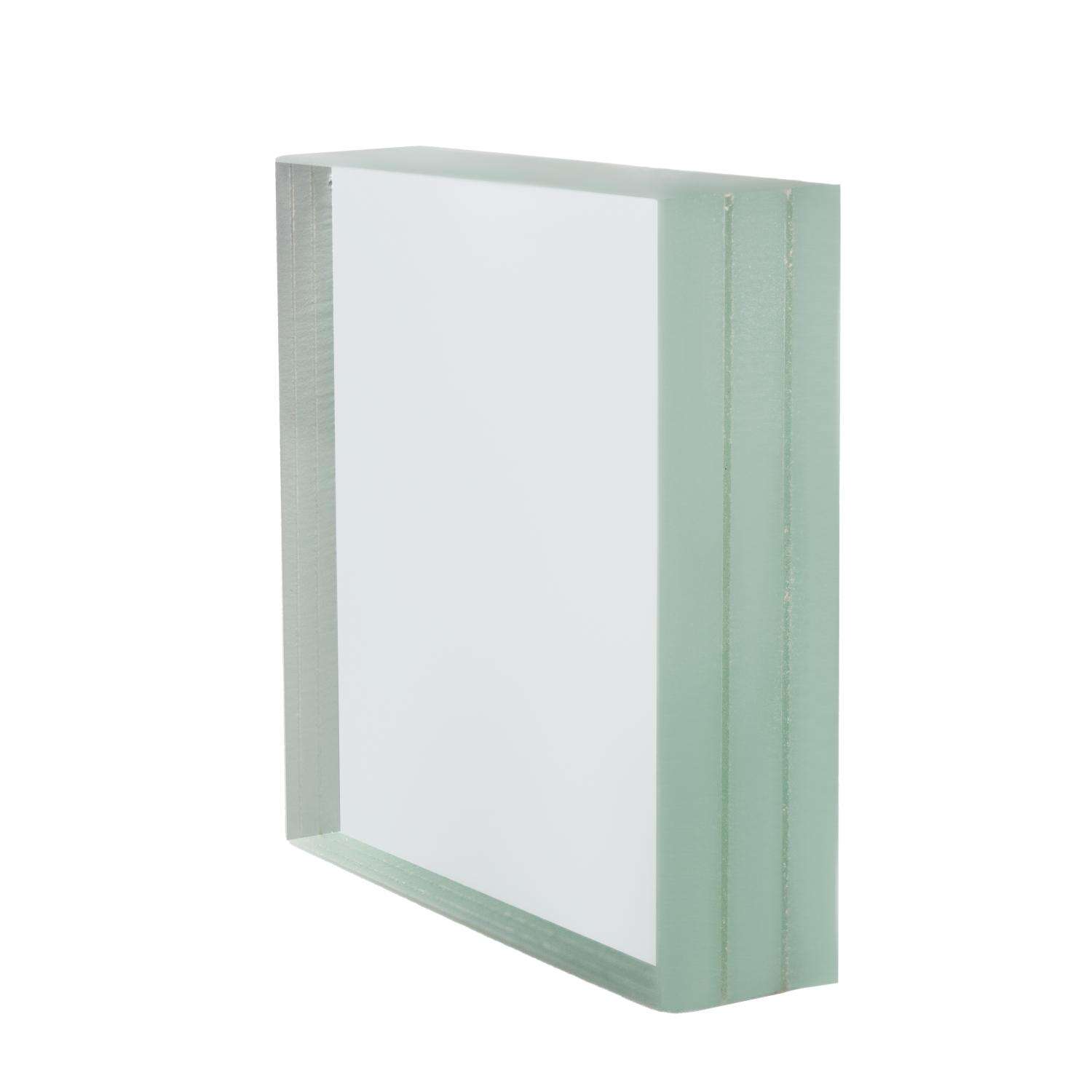
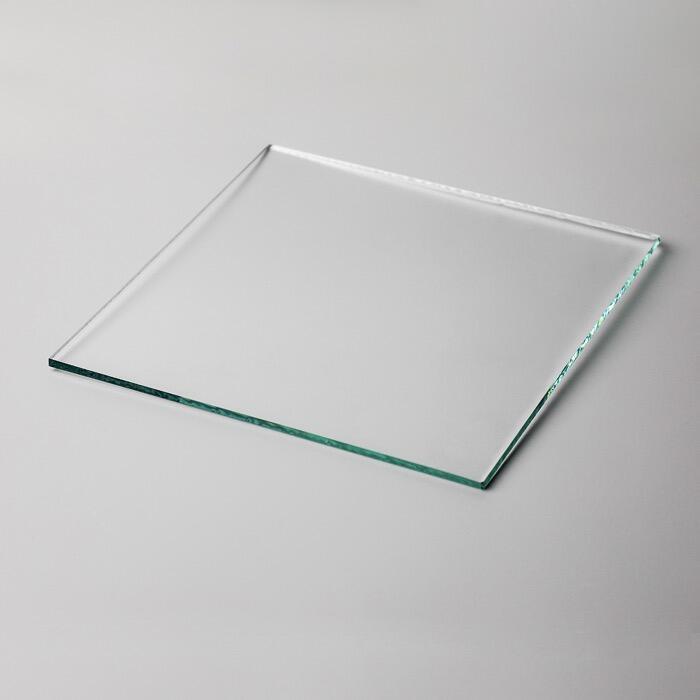
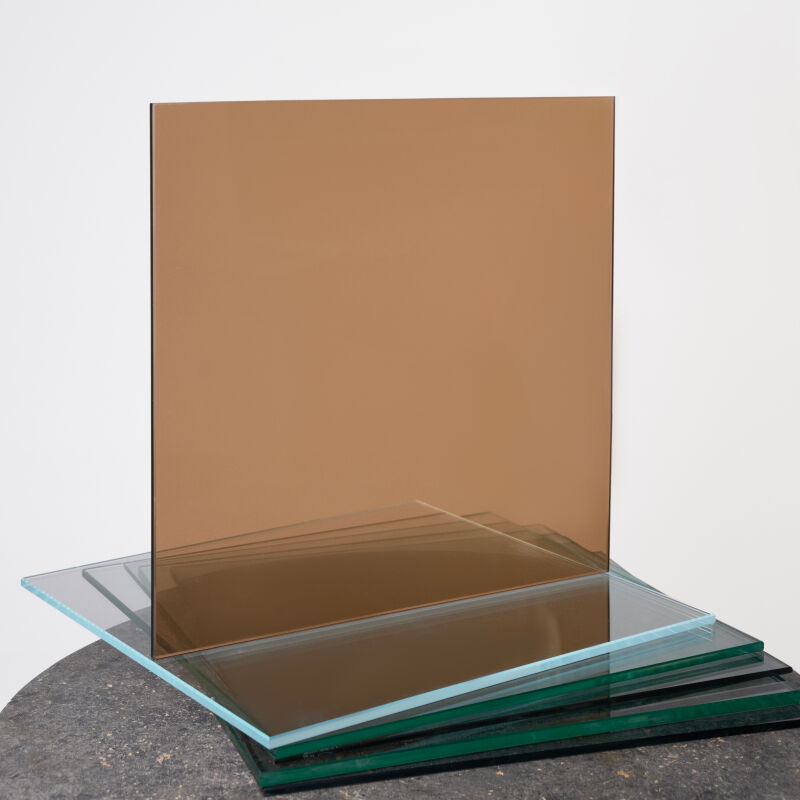
ultra transparent glass
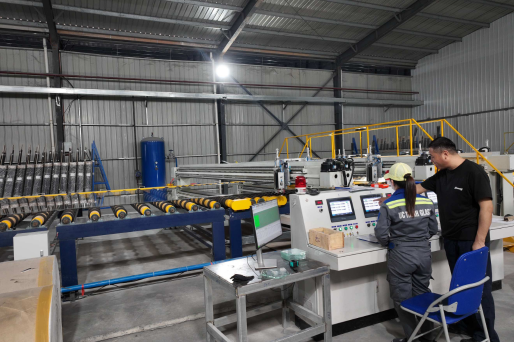
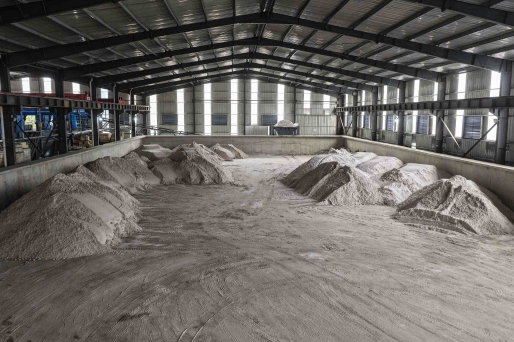
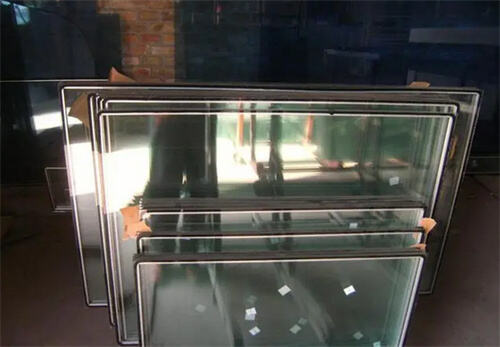
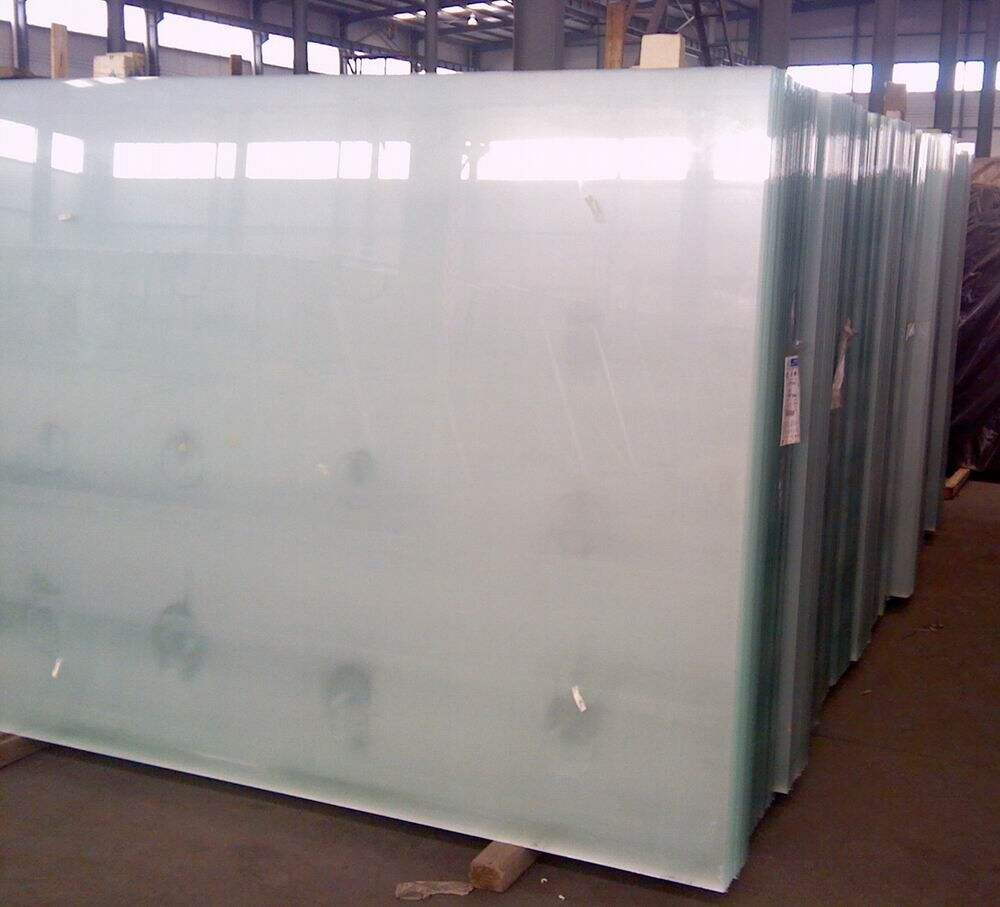
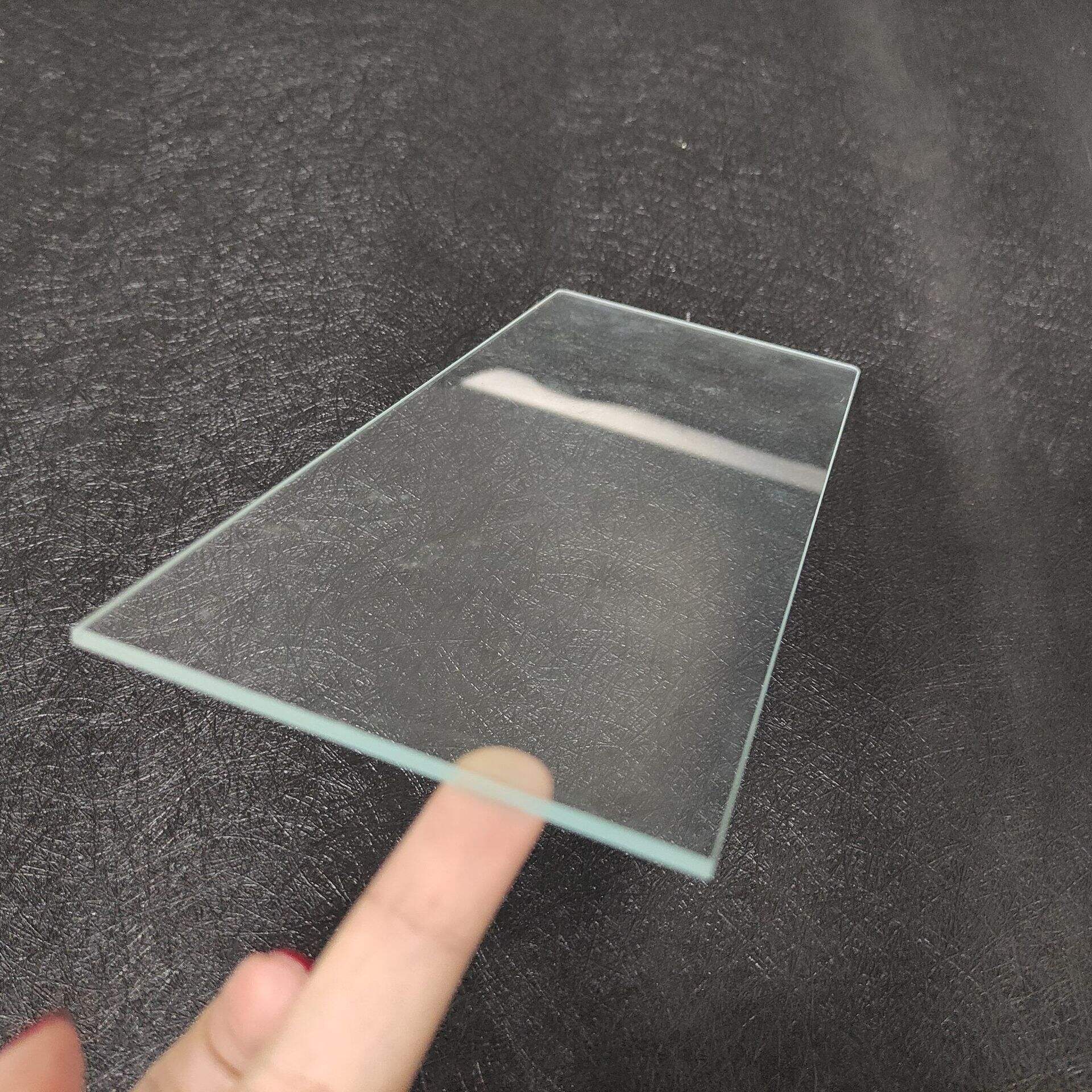
Ultra transparent glass represents a revolutionary advancement in optical technology, offering unprecedented clarity and light transmission that surpasses traditional glass materials. This cutting-edge glass achieves exceptional transparency through advanced manufacturing processes that minimize light absorption and reflection, resulting in optical clarity that can exceed 99% light transmission. The ultra transparent glass utilizes specialized coating technologies and refined chemical compositions to eliminate common impurities and defects that typically cause distortion or opacity in conventional glass products. Modern ultra transparent glass incorporates anti-reflective coatings, low-iron content formulations, and precision surface treatments that enhance its optical performance significantly. The manufacturing process involves careful temperature control, specialized annealing techniques, and quality assurance protocols that ensure consistent transparency across large glass panels. This innovative glass material maintains its superior optical properties while providing excellent durability and resistance to environmental factors such as UV radiation, temperature fluctuations, and moisture exposure. Ultra transparent glass finds extensive applications across multiple industries, including architectural glazing for premium buildings, automotive windshields and windows, electronic display screens, solar panel covers, greenhouse construction, and high-end optical instruments. In architectural applications, ultra transparent glass maximizes natural light penetration while maintaining energy efficiency through advanced thermal properties. The automotive industry benefits from enhanced visibility and safety features provided by this superior glass technology. Electronic manufacturers utilize ultra transparent glass for smartphone screens, tablet displays, and television panels where crystal-clear visibility remains paramount. Solar energy systems incorporate ultra transparent glass to optimize light transmission to photovoltaic cells, thereby increasing energy conversion efficiency. Agricultural applications leverage this glass technology in greenhouse construction to promote plant growth through maximum sunlight exposure while protecting crops from adverse weather conditions.


 EN
EN