Premium Thick Tempered Glass Solutions - Superior Safety, Strength & Energy Efficiency

Get a Free Quote

Our representative will contact you soon.
Email
Name
Company Name
Message
0/1000

thick tempered glass

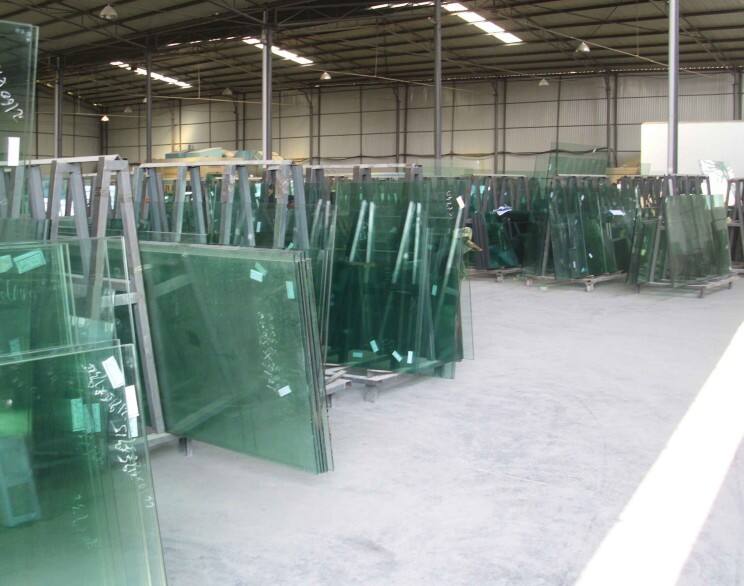
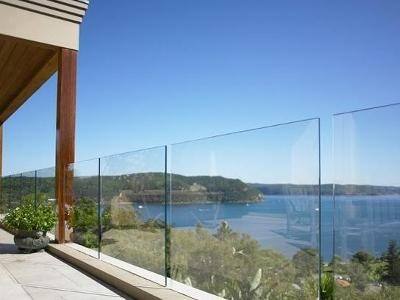
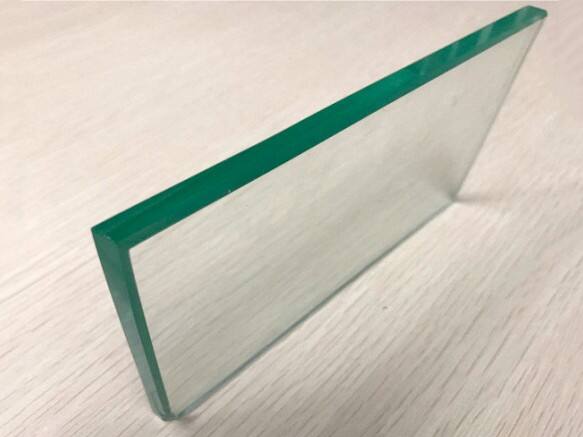
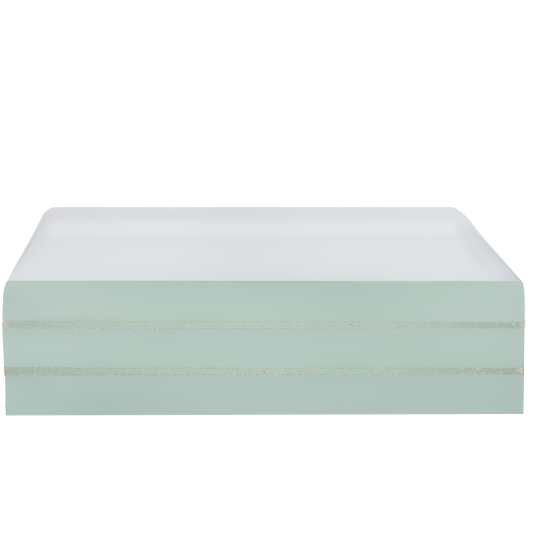
Thick tempered glass represents a revolutionary advancement in safety glass technology, offering exceptional strength and durability for demanding applications across residential, commercial, and industrial sectors. This specialized glass undergoes an intensive thermal tempering process where the material is heated to approximately 700 degrees Celsius and then rapidly cooled using controlled air jets. This process creates compressive stress on the surface while maintaining tensile stress in the interior, resulting in glass that is four to five times stronger than standard annealed glass. The manufacturing process of thick tempered glass involves precise temperature control and timing to ensure optimal stress distribution throughout the material. The thickness typically ranges from 8mm to 25mm, making it suitable for heavy-duty applications where standard glass would fail. Modern production facilities utilize computer-controlled furnaces and sophisticated cooling systems to maintain consistent quality across large production runs. The technological features of thick tempered glass include enhanced impact resistance, superior load-bearing capacity, and improved thermal shock resistance. When thick tempered glass does break, it fragments into small, relatively harmless pieces rather than dangerous sharp shards, significantly reducing injury risk. This safety characteristic makes it ideal for high-traffic areas and critical structural applications. The glass maintains excellent optical clarity while providing robust protection against environmental factors such as wind loads, temperature fluctuations, and mechanical stress. Applications for thick tempered glass span numerous industries including architectural glazing, automotive manufacturing, marine construction, and furniture production. In construction projects, thick tempered glass serves as curtain walls, structural glazing systems, and safety barriers. The automotive industry relies on thick tempered glass for windshields, side windows, and sunroofs where passenger safety is paramount. Marine applications benefit from its resistance to saltwater corrosion and extreme weather conditions, making it perfect for boat windows and offshore platform glazing.
Popular Products

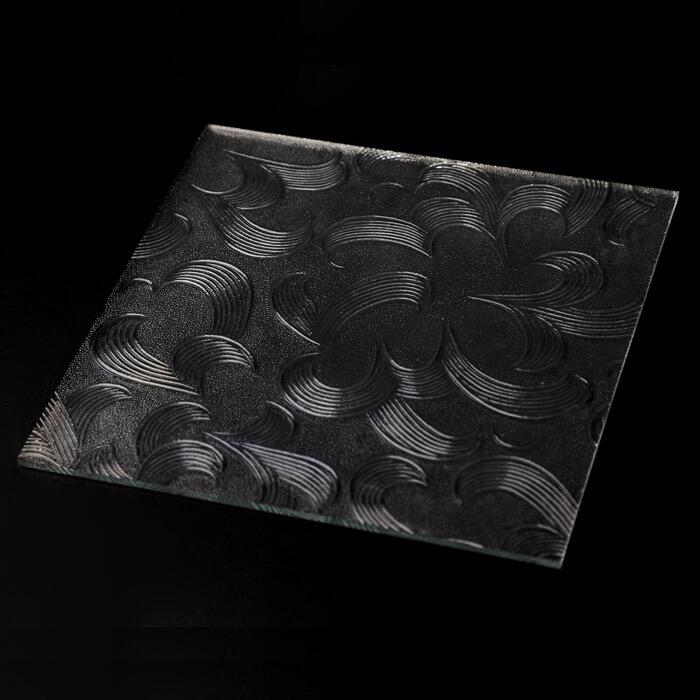
The advantages of thick tempered glass extend far beyond basic functionality, delivering comprehensive solutions that address safety, durability, and performance requirements across diverse applications. Safety stands as the primary benefit, with thick tempered glass providing unmatched protection for occupants and users. When subjected to impact or extreme stress, this glass breaks into small, cube-like fragments that pose minimal risk of serious injury compared to sharp shards produced by regular glass. This safety feature proves invaluable in high-traffic commercial buildings, schools, hospitals, and residential properties where human safety takes priority. The enhanced strength characteristics of thick tempered glass allow it to withstand significantly higher loads and pressures than conventional glass options. This superior strength translates into reduced maintenance costs and longer service life, providing excellent return on investment for property owners and facility managers. Buildings equipped with thick tempered glass experience fewer glass-related incidents and require less frequent replacements, resulting in substantial cost savings over time. Thermal performance represents another key advantage, as thick tempered glass exhibits excellent resistance to temperature variations and thermal shock. This characteristic prevents stress fractures that commonly occur with rapid temperature changes, making it ideal for applications exposed to direct sunlight, heating systems, or extreme weather conditions. The improved thermal stability ensures consistent performance across varying environmental conditions without compromising structural integrity. Energy efficiency benefits emerge from the superior insulation properties of thick tempered glass installations. The increased thickness provides better thermal barriers, reducing heat transfer and improving building energy performance. This translates into lower heating and cooling costs for property owners while contributing to environmental sustainability goals. Modern thick tempered glass can be combined with low-emissivity coatings and insulating gas fills to further enhance energy efficiency ratings. Versatility in design applications allows architects and designers to create stunning visual effects while maintaining safety and performance standards. Thick tempered glass can be customized with various finishes, tints, and patterns to meet specific aesthetic requirements without sacrificing structural properties. This flexibility enables creative architectural solutions that would be impossible with traditional glass materials. The durability advantage of thick tempered glass extends service life significantly compared to standard glass alternatives. Resistance to scratches, impacts, and environmental degradation ensures that installations maintain their appearance and performance characteristics for decades with minimal maintenance requirements.

Latest News

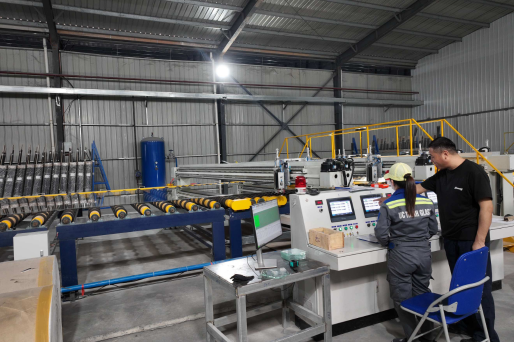
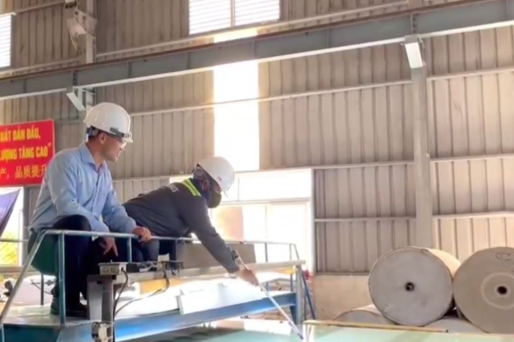
Deepening Roots in the Vietnamese Market, Zero-Distance Quality Control – The Company's Quality Director Works On-Site at the Vietnam Factory

08

Jan

Deepening Roots in the Vietnamese Market, Zero-Distance Quality Control – The Company's Quality Director Works On-Site at the Vietnam Factory

View More
Empowering Product Matrix, Jointly Exploring New Market Opportunities – The Company's Management Team Visits Glass Deep-processing Enterprises to Deepen Industrial Cooperation

08

Jan

Empowering Product Matrix, Jointly Exploring New Market Opportunities – The Company's Management Team Visits Glass Deep-processing Enterprises to Deepen Industrial Cooperation

View More
In-depth Popular Science of Float Glass: Unlocking the Mysteries of the

08

Jan

In-depth Popular Science of Float Glass: Unlocking the Mysteries of the "Transparent Cornerstone" from Raw Materials to Applications

View More

Get a Free Quote

Our representative will contact you soon.
Email
Name
Company Name
Message
0/1000

thick tempered glass

Superior Impact Resistance and Safety Performance

Superior Impact Resistance and Safety Performance

The exceptional impact resistance of thick tempered glass sets it apart as the premier choice for applications where safety and security are non-negotiable priorities. Through the advanced thermal tempering process, thick tempered glass achieves impact strength that exceeds standard glass by up to 500 percent, making it virtually unbreakable under normal use conditions. This remarkable strength comes from the carefully controlled stress distribution created during manufacturing, where surface compression reaches levels of 10,000 pounds per square inch or higher. When extreme forces do cause failure, thick tempered glass demonstrates its superior safety characteristics by fragmenting into thousands of small, relatively harmless pieces rather than creating dangerous sharp edges. This fragmentation pattern, known as dicing, significantly reduces the risk of severe lacerations and injuries that typically result from broken standard glass. The safety benefits extend beyond simple breakage patterns, as thick tempered glass maintains structural integrity even when subjected to significant impacts, often remaining in place long enough for safe evacuation or emergency response. Testing standards require thick tempered glass to withstand specific impact energies and load distributions that simulate real-world scenarios including windborne debris, seismic activity, and accidental collisions. The enhanced safety performance makes thick tempered glass the preferred choice for schools, hospitals, retail establishments, and public buildings where occupant protection is paramount. Insurance companies often recognize these safety benefits through reduced premiums for properties utilizing thick tempered glass installations, acknowledging the decreased liability exposure associated with glass-related injuries. Professional glazing contractors appreciate the consistent quality and predictable performance characteristics of thick tempered glass, enabling them to specify appropriate thicknesses and configurations with confidence. The impact resistance also extends to environmental factors such as hail, flying debris during storms, and thermal shock from rapid temperature changes, providing comprehensive protection across diverse conditions. Quality control measures during production ensure that each piece of thick tempered glass meets or exceeds industry standards for impact resistance, giving specifiers and end users confidence in long-term performance and safety.
Exceptional Load-Bearing Capacity for Structural Applications

Exceptional Load-Bearing Capacity for Structural Applications

The outstanding load-bearing capacity of thick tempered glass revolutionizes structural glazing possibilities, enabling architects and engineers to create expansive glass installations that were previously impossible with conventional materials. The enhanced strength-to-weight ratio allows thick tempered glass to support substantial loads while maintaining the aesthetic appeal of transparent barriers and enclosures. Structural testing demonstrates that properly supported thick tempered glass can handle dead loads, live loads, wind pressures, and seismic forces that would cause immediate failure in standard glass materials. The load distribution characteristics of thick tempered glass ensure that stress concentrations are managed effectively across the entire surface area, preventing localized failures that could compromise overall structural integrity. Engineering calculations for thick tempered glass installations incorporate safety factors that account for long-term loading conditions, environmental stresses, and potential impact scenarios, providing conservative design approaches that prioritize occupant safety. The uniform strength properties achieved through the tempering process eliminate weak points and inconsistencies common in annealed glass, creating predictable performance under various loading conditions. Structural glazing systems utilizing thick tempered glass can span larger openings without intermediate supports, creating unobstructed views and maximizing natural light transmission in commercial and residential buildings. The compatibility with modern glazing systems including structural silicone glazing, mechanical retention systems, and hybrid attachment methods expands design possibilities while maintaining structural performance standards. Rigorous testing protocols verify the load-bearing capacity under simulated service conditions including sustained loads, cyclic loading, and extreme weather events, ensuring reliable performance throughout the design life of the installation. The proven track record of thick tempered glass in high-performance applications demonstrates its capability to meet demanding structural requirements while providing the transparency and aesthetic qualities desired in modern architecture. Professional installation techniques maximize the load-bearing potential by ensuring proper support conditions, appropriate edge clearances, and suitable glazing compounds that work in harmony with the glass properties. Quality assurance programs monitor the structural performance of thick tempered glass installations over time, validating design assumptions and providing feedback for continuous improvement in glazing technology and application methods.
Advanced Thermal Performance and Energy Efficiency

Advanced Thermal Performance and Energy Efficiency

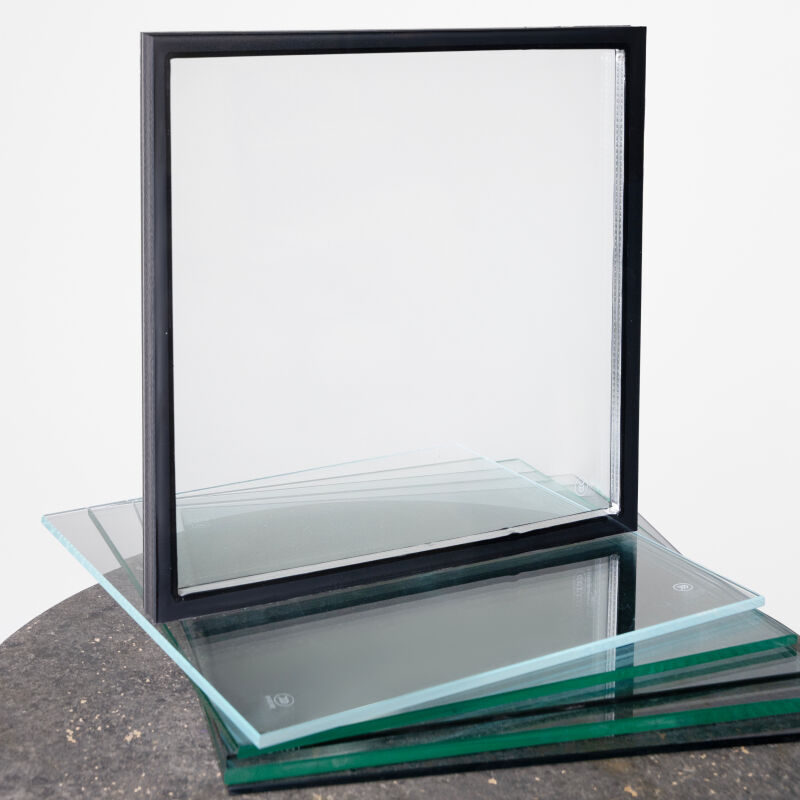
The superior thermal performance characteristics of thick tempered glass deliver exceptional energy efficiency benefits while maintaining optical clarity and structural integrity across diverse environmental conditions. The increased thickness provides enhanced insulation properties that significantly reduce heat transfer compared to standard glass installations, resulting in measurable improvements in building energy performance and occupant comfort. Thermal conductivity testing demonstrates that thick tempered glass installations can achieve U-values that contribute meaningfully to overall building envelope efficiency, supporting green building certification programs and energy code compliance requirements. The thermal mass effect of thick tempered glass helps stabilize interior temperatures by absorbing and slowly releasing thermal energy, reducing peak heating and cooling loads that strain HVAC systems and increase energy consumption. Advanced manufacturing techniques enable the incorporation of low-emissivity coatings and specialized interlayers that further enhance the thermal performance without compromising the strength characteristics that make thick tempered glass uniquely valuable. The resistance to thermal shock prevents stress fractures and failures that commonly occur when glass experiences rapid temperature changes, ensuring consistent performance across seasonal variations and daily temperature cycles. Condensation resistance represents another important thermal benefit, as the improved insulation properties of thick tempered glass reduce surface temperature differentials that cause moisture accumulation and related problems including mold growth and visibility impairment. Solar heat gain control becomes more effective with thick tempered glass installations that can accommodate specialized coatings and tinting options while maintaining the structural capacity required for large glazed openings. The thermal expansion characteristics of thick tempered glass are carefully matched to glazing system components, ensuring that thermal movement does not create stress concentrations or compromise weather sealing over the service life of the installation. Energy modeling studies consistently show that buildings utilizing thick tempered glass in strategic locations achieve lower energy use intensities compared to structures with conventional glazing systems, translating into substantial operational cost savings and reduced environmental impact. The long-term thermal stability ensures that energy performance benefits persist throughout the service life without degradation from thermal cycling, UV exposure, or environmental contaminants that affect lesser materials. Professional energy consultants recognize the value of thick tempered glass in achieving aggressive efficiency targets while providing the safety, security, and aesthetic qualities required in high-performance building designs.

Get a Free Quote

Our representative will contact you soon.
Email
Name
Company Name
Message
0/1000