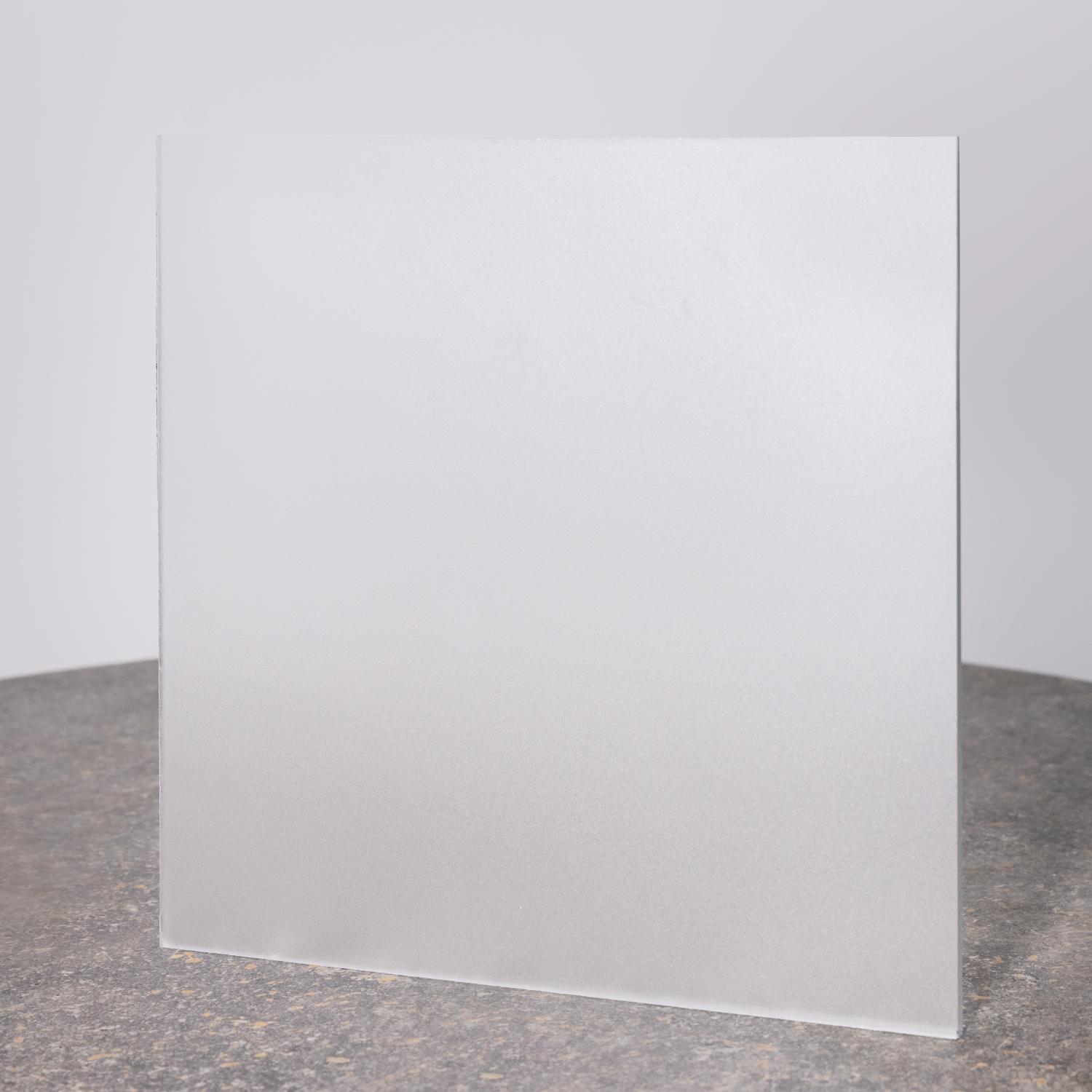
Premium Low Iron Tempered Glass - Ultimate Clarity, Safety & Durability Solutions

Get a Free Quote

Our representative will contact you soon.
Email
Name
Company Name
Message
0/1000

low iron tempered glass

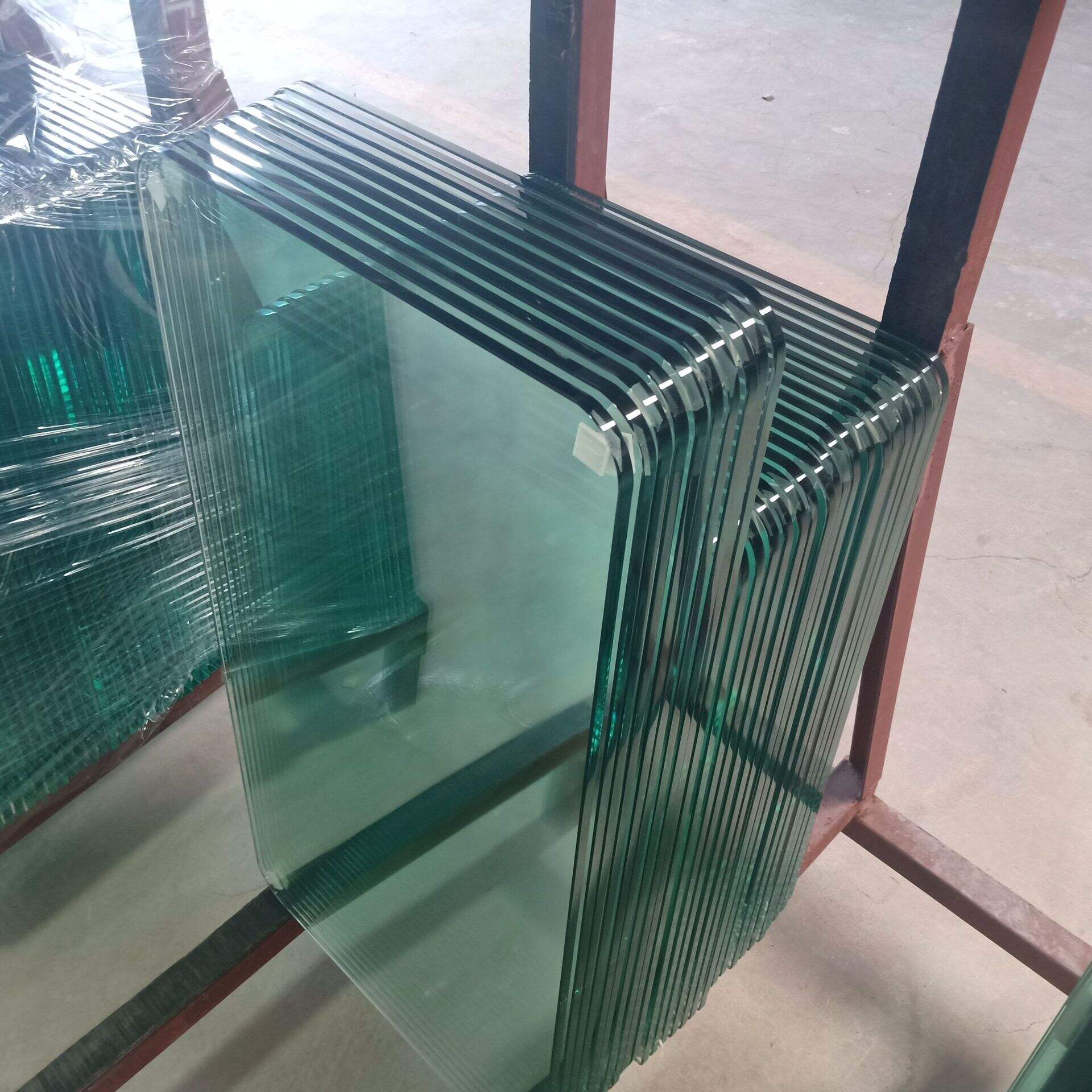
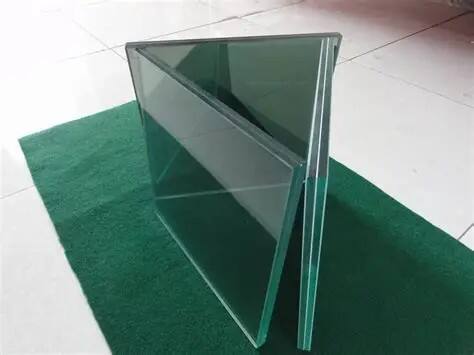
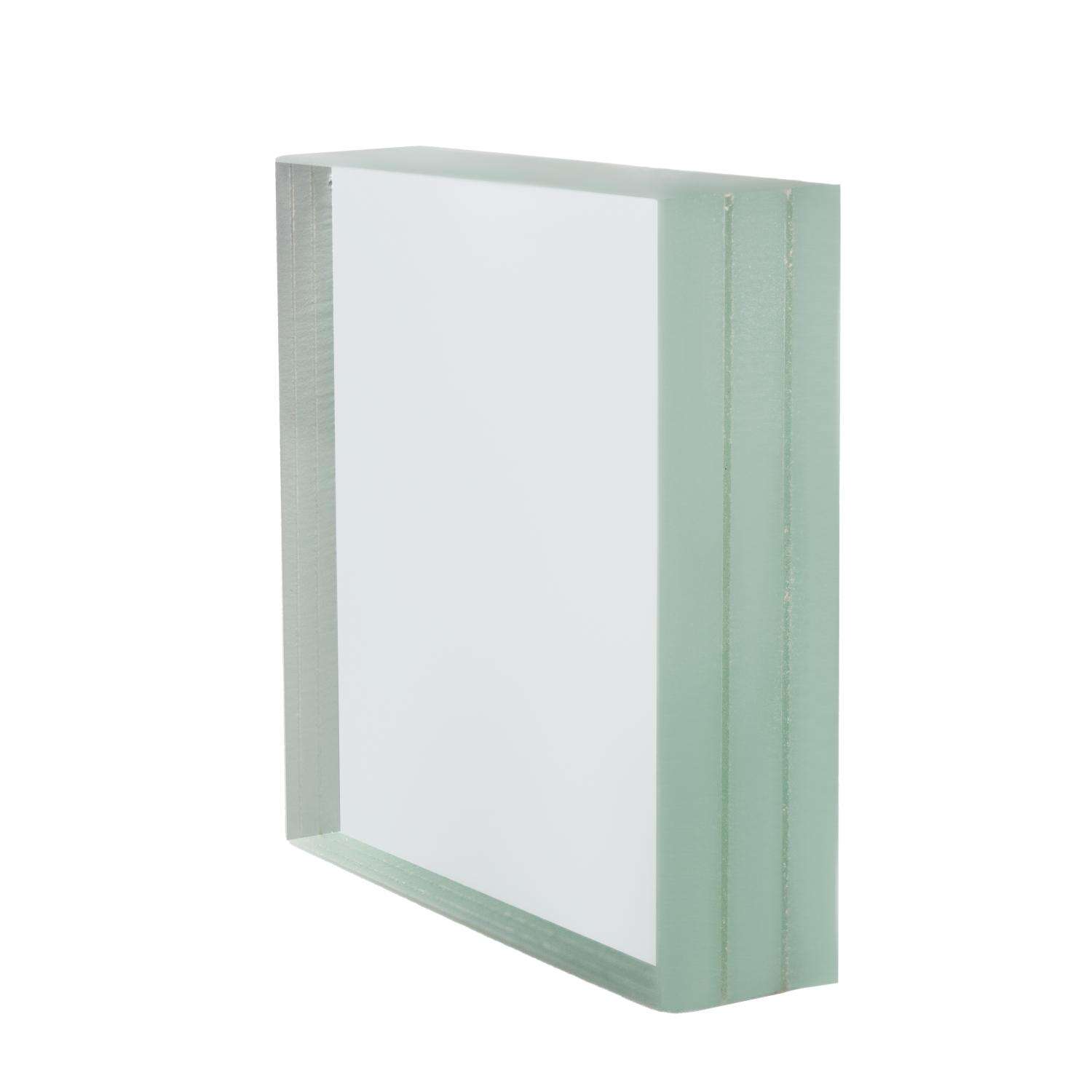
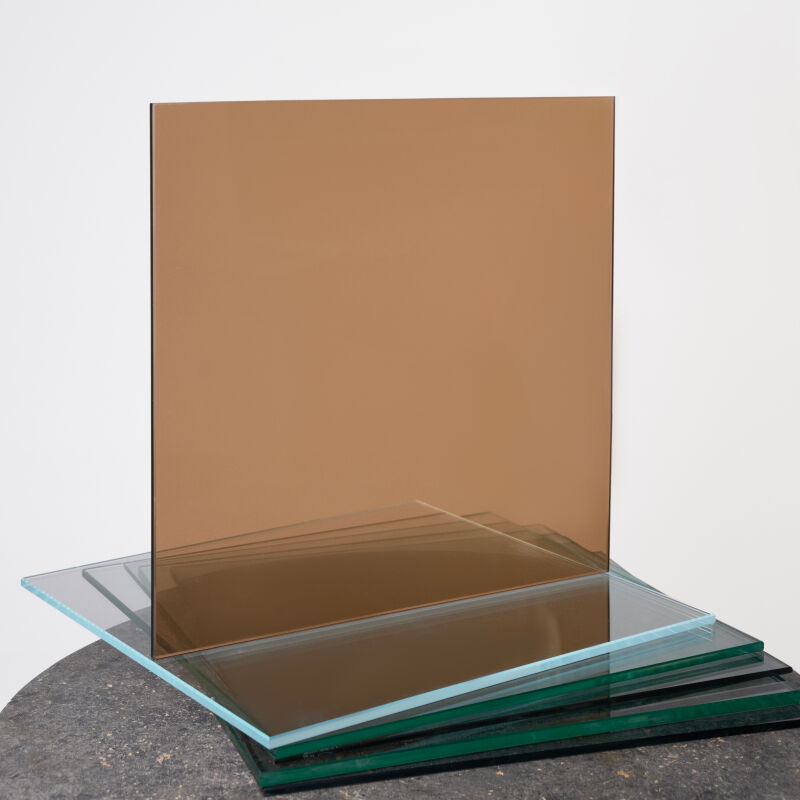
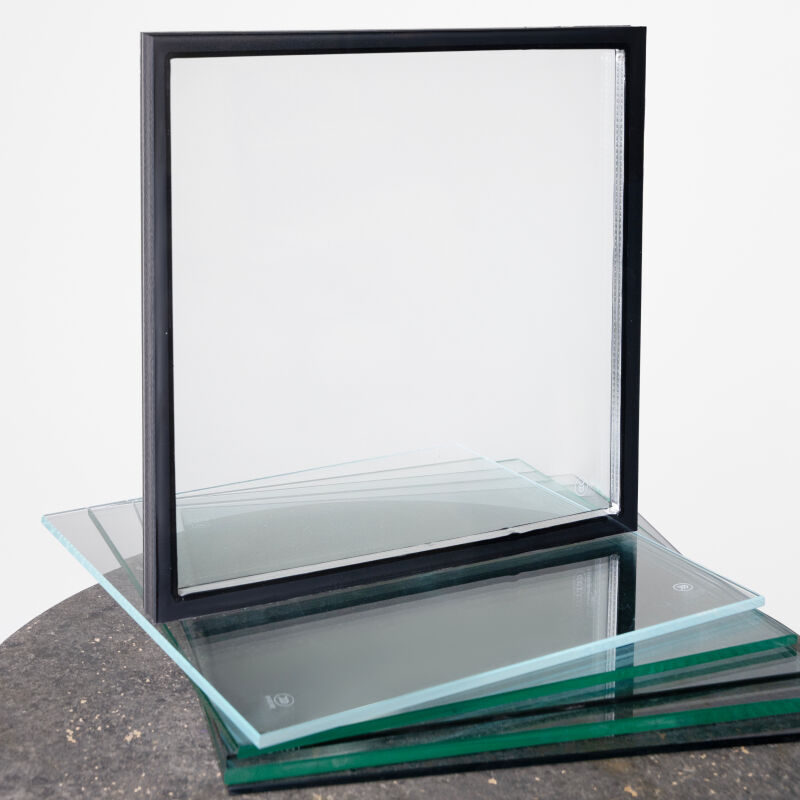
Low iron tempered glass represents a revolutionary advancement in architectural and design materials, combining exceptional clarity with superior strength characteristics. This specialized glass product undergoes a sophisticated manufacturing process that removes iron oxide impurities, resulting in crystal-clear transparency that surpasses conventional glass options. The tempering process involves heating the low iron glass to approximately 650 degrees Celsius before rapid cooling, creating internal stress patterns that dramatically increase its structural integrity. This dual enhancement of clarity and strength makes low iron tempered glass an optimal choice for premium applications where visual excellence meets safety requirements. The manufacturing process begins with carefully selected raw materials that contain minimal iron content, typically less than 0.01 percent compared to standard glass containing 0.1 percent iron oxide. This reduction eliminates the greenish tint commonly associated with regular glass, producing a neutral, colorless appearance that allows true color representation. The tempering stage transforms the glass into a safety product that shatters into small, relatively harmless fragments rather than dangerous shards when broken. Modern production facilities utilize computer-controlled heating and cooling systems to ensure consistent quality and performance standards. Low iron tempered glass exhibits excellent optical properties with light transmission rates exceeding 91 percent, significantly higher than standard tempered glass. Its surface hardness rating reaches approximately 6.5 on the Mohs scale, providing excellent scratch resistance for long-term durability. The material maintains dimensional stability across temperature variations, making it suitable for exterior installations and climate-controlled environments. Applications span numerous industries including commercial architecture, residential construction, automotive manufacturing, solar panel production, and high-end furniture design. The combination of safety features, optical clarity, and structural performance positions low iron tempered glass as a premium solution for projects requiring uncompromising quality standards.

Popular Products

Low iron tempered glass delivers remarkable clarity that transforms any application by eliminating the natural green tint found in standard glass products. This superior transparency allows architects and designers to achieve their exact vision without color distortion, making spaces appear brighter and more inviting. The enhanced light transmission creates energy savings by reducing artificial lighting requirements during daylight hours. Property owners benefit from improved aesthetics that increase building value and appeal to potential buyers or tenants. The safety characteristics of low iron tempered glass provide peace of mind for families and businesses alike. When subjected to impact, this material breaks into small, cube-shaped fragments that minimize injury risk compared to sharp shards produced by regular glass. This safety feature meets stringent building codes and insurance requirements, potentially reducing liability concerns and premium costs. The tempered structure can withstand impacts up to five times greater than standard glass, making it ideal for high-traffic areas and challenging environments. Durability represents another significant advantage, as low iron tempered glass resists scratching, staining, and weathering better than conventional alternatives. The surface maintains its pristine appearance for decades with minimal maintenance requirements, reducing long-term replacement costs. UV resistance prevents yellowing and degradation that affects other materials over time. The thermal stability allows the glass to handle temperature fluctuations without cracking or structural compromise, essential for exterior applications and regions with extreme weather conditions. Installation benefits include reduced weight compared to laminated glass alternatives while maintaining superior strength characteristics. The material cuts installation time and labor costs due to its manageable weight and reliable performance specifications. Energy efficiency improvements result from the excellent insulation properties that help maintain comfortable interior temperatures year-round. These combined advantages make low iron tempered glass a cost-effective investment that pays dividends through enhanced performance, reduced maintenance, improved safety, and increased property value over its extended service life.

Tips And Tricks

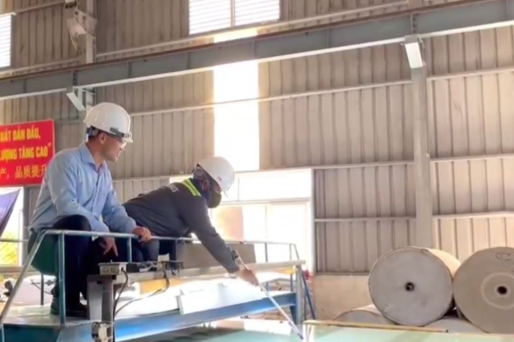
Deepening Roots in the Vietnamese Market, Zero-Distance Quality Control – The Company's Quality Director Works On-Site at the Vietnam Factory

08

Jan

Deepening Roots in the Vietnamese Market, Zero-Distance Quality Control – The Company's Quality Director Works On-Site at the Vietnam Factory

View More
Empowering Product Matrix, Jointly Exploring New Market Opportunities – The Company's Management Team Visits Glass Deep-processing Enterprises to Deepen Industrial Cooperation

08

Jan

Empowering Product Matrix, Jointly Exploring New Market Opportunities – The Company's Management Team Visits Glass Deep-processing Enterprises to Deepen Industrial Cooperation

View More
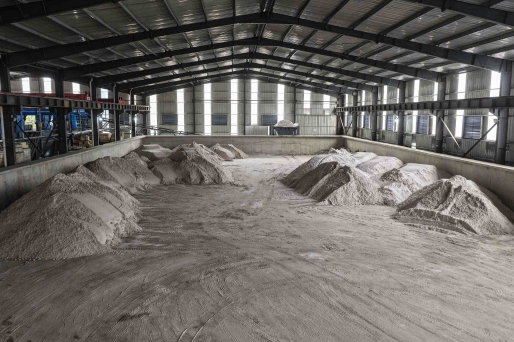
In-depth Popular Science of Float Glass: Unlocking the Mysteries of the

08

Jan

In-depth Popular Science of Float Glass: Unlocking the Mysteries of the "Transparent Cornerstone" from Raw Materials to Applications

View More

Get a Free Quote

Our representative will contact you soon.
Email
Name
Company Name
Message
0/1000

low iron tempered glass

Unmatched Optical Clarity and Light Transmission

Unmatched Optical Clarity and Light Transmission

The exceptional optical performance of low iron tempered glass sets new standards for transparency and visual quality in architectural and design applications. Unlike conventional glass that contains iron oxide impurities creating a noticeable greenish tint, low iron tempered glass achieves near-perfect clarity through advanced manufacturing techniques that eliminate these color-causing elements. This results in light transmission rates exceeding 91 percent, compared to standard glass achieving only 83-85 percent transmission. The practical implications of this enhanced clarity extend far beyond aesthetics, creating tangible benefits for users and property owners. Natural lighting penetrates more effectively through low iron tempered glass, reducing dependency on artificial illumination and lowering energy consumption costs. The improved light quality creates healthier indoor environments that support productivity and well-being, particularly important in office buildings, educational facilities, and healthcare settings. Retail establishments benefit enormously from the true color representation that low iron tempered glass provides, ensuring merchandise appears exactly as intended under natural lighting conditions. This accuracy becomes crucial for businesses selling clothing, artwork, food products, or any items where color perception influences purchasing decisions. The neutral color profile eliminates the need for color correction in photography and videography applications, making it ideal for studio installations and display cases. Museums and galleries rely on low iron tempered glass to protect valuable exhibits while providing unobstructed viewing experiences that preserve the artist's original intent. The superior clarity enhances architectural features such as glass facades, skylights, and interior partitions by maximizing transparency and visual connection between spaces. Solar panel manufacturers specifically choose low iron tempered glass for photovoltaic applications because the increased light transmission directly correlates to improved energy generation efficiency. The material's consistent optical properties ensure uniform performance across large installations, preventing hot spots and efficiency variations that can occur with standard glass products. This optical excellence maintains its performance throughout the product's lifespan, resisting UV degradation and surface deterioration that can compromise clarity over time.
Superior Safety Performance and Impact Resistance

Superior Safety Performance and Impact Resistance

The safety characteristics of low iron tempered glass represent a quantum leap in protective glazing technology, providing unparalleled security for occupants while maintaining the aesthetic benefits of crystal-clear transparency. The tempering process creates a unique internal stress pattern that fundamentally alters how the glass responds to impact, making it approximately five times stronger than standard annealed glass of identical thickness. When low iron tempered glass reaches its breaking point, the carefully engineered stress distribution causes it to fracture into thousands of small, relatively harmless cube-shaped fragments rather than the large, razor-sharp shards produced by ordinary glass. This safety glazing behavior significantly reduces injury risk in accidents, making it the preferred choice for schools, hospitals, commercial buildings, and residential applications where human safety takes priority. The impact resistance capabilities extend beyond basic safety requirements, providing protection against severe weather conditions, vandalism attempts, and accidental collisions. Wind-borne debris during storms poses minimal threat to properly installed low iron tempered glass, protecting building interiors and occupants from dangerous projectiles. The material meets and exceeds international safety standards including ANSI Z97.1 and CPSC 16 CFR 1201, ensuring compliance with building codes and insurance requirements worldwide. Security applications benefit from the material's ability to withstand repeated impacts while maintaining structural integrity, making forced entry significantly more difficult and time-consuming for potential intruders. The predictable failure pattern allows safety professionals to assess risks accurately and implement appropriate protective measures. Emergency situations become more manageable because low iron tempered glass creates escape routes through controlled breakage when necessary, while the small fragment size minimizes evacuation hazards. Automotive applications leverage these safety properties extensively, with low iron tempered glass commonly used in side windows and rear windshields where occupant protection remains paramount. The material's thermal shock resistance prevents sudden temperature changes from causing catastrophic failure, essential for vehicles exposed to extreme climate variations. Manufacturing quality control ensures consistent safety performance across production runs, eliminating weak spots or defects that could compromise protective capabilities.
Exceptional Durability and Maintenance Efficiency

Exceptional Durability and Maintenance Efficiency

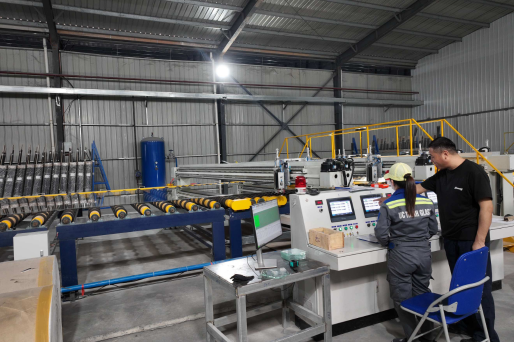
Low iron tempered glass delivers outstanding longevity and maintenance advantages that translate into significant cost savings and operational benefits over its extended service life. The combination of reduced iron content and tempering process creates a material with exceptional resistance to environmental factors, chemical exposure, and physical wear that typically degrade other glazing materials. Surface hardness approaching 6.5 on the Mohs scale provides excellent scratch resistance, maintaining pristine appearance even in high-traffic environments where contact with cleaning equipment, maintenance tools, or accidental abrasion occurs regularly. This durability characteristic proves particularly valuable in commercial settings such as storefronts, office buildings, and public facilities where appearance directly impacts business image and customer perception. The low iron composition eliminates the oxidation processes that cause standard glass to develop surface staining and discoloration over time, ensuring consistent clarity and aesthetic appeal throughout decades of service. UV stability prevents the yellowing and brittleness that affects many building materials, making low iron tempered glass ideal for exterior installations and solar-exposed applications. Weather resistance capabilities enable the material to withstand extreme temperature fluctuations, humidity variations, and precipitation without structural compromise or performance degradation. Cleaning and maintenance requirements remain minimal due to the smooth, non-porous surface that resists dirt accumulation and allows contaminants to be removed easily with standard cleaning solutions. The chemical inertness prevents reaction with cleaning agents, environmental pollutants, or building materials, eliminating the corrosion and etching problems that plague other glazing options. Thermal cycling tests demonstrate exceptional stability across temperature ranges from -40 to 200 degrees Fahrenheit without stress cracking or dimensional changes that could compromise sealing systems or structural connections. The material's resistance to thermal shock makes it suitable for applications involving rapid temperature changes, such as building facades transitioning from air-conditioned interiors to hot exterior conditions. Long-term testing validates performance retention over 30-year periods with minimal degradation in optical or structural properties, providing confidence in lifecycle cost calculations and replacement planning. Installation efficiency benefits from the material's predictable behavior and standardized specifications, reducing construction delays and quality control issues that increase project costs.

Get a Free Quote

Our representative will contact you soon.
Email
Name
Company Name
Message
0/1000