tinted tempered glass
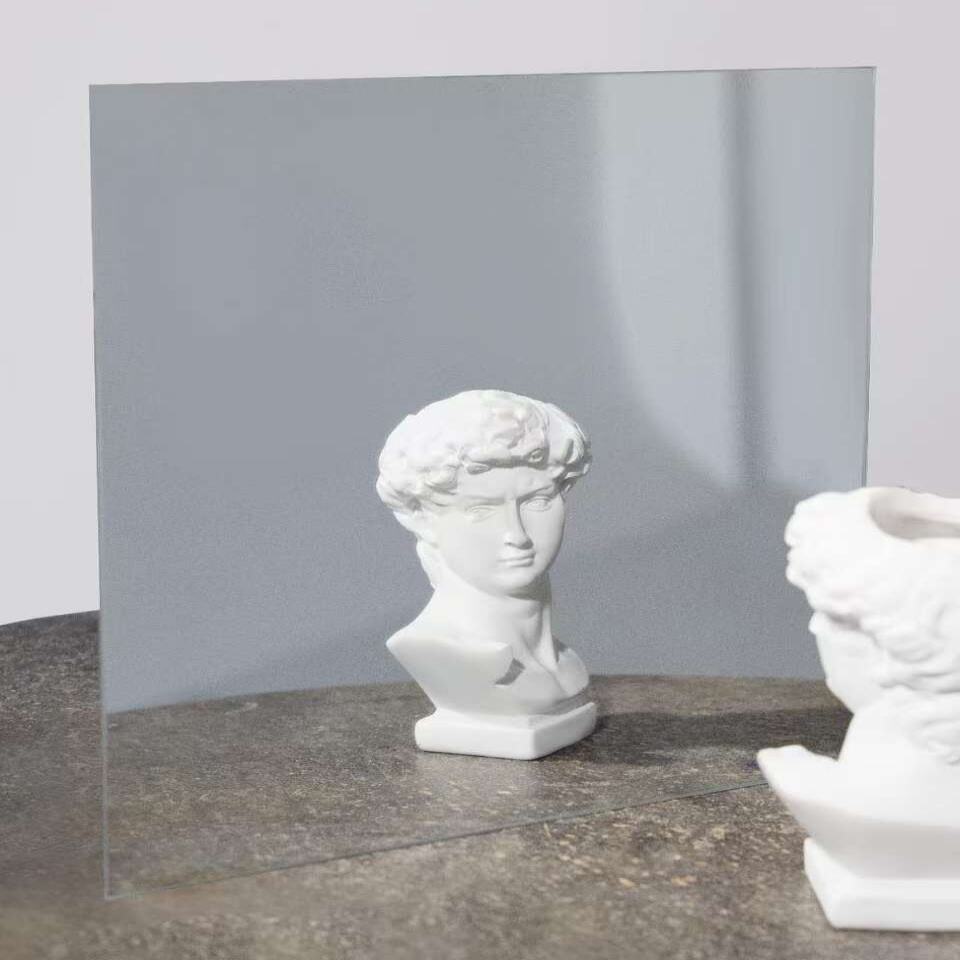
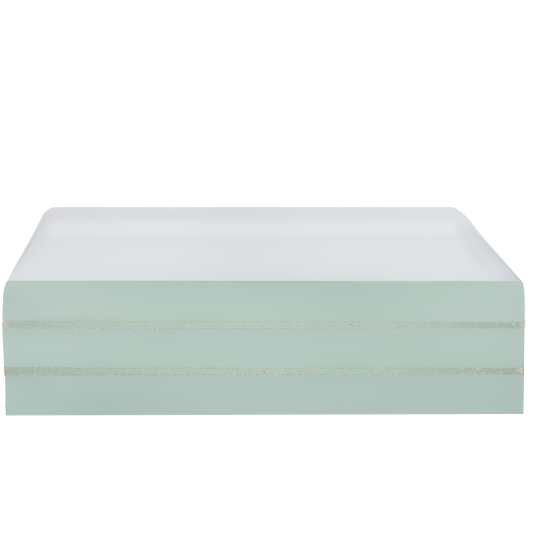
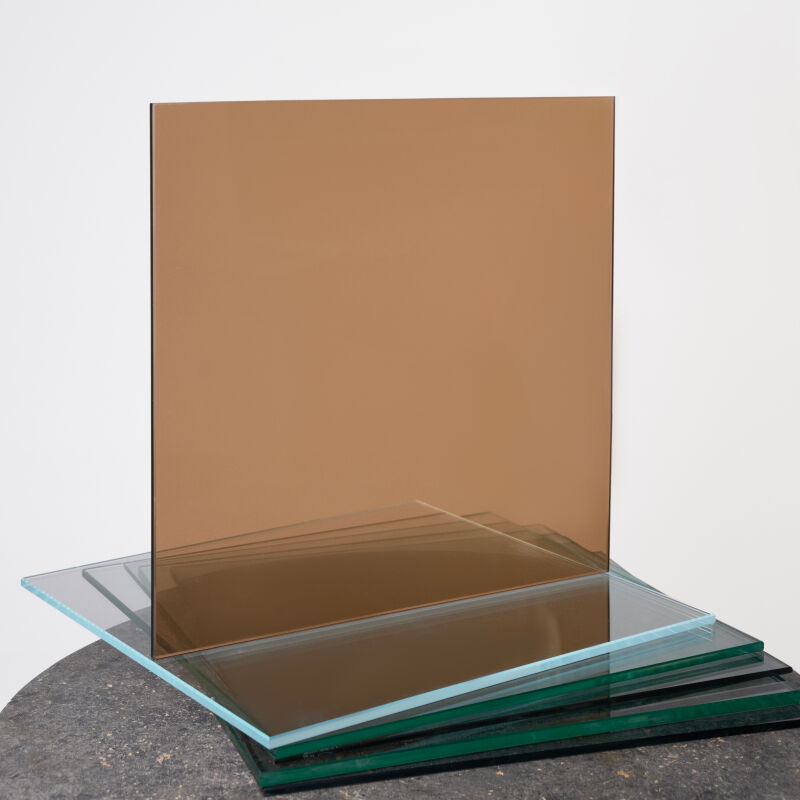
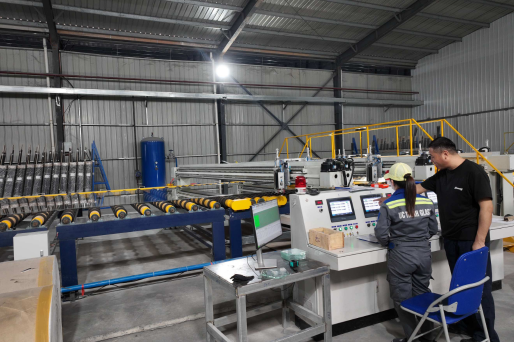
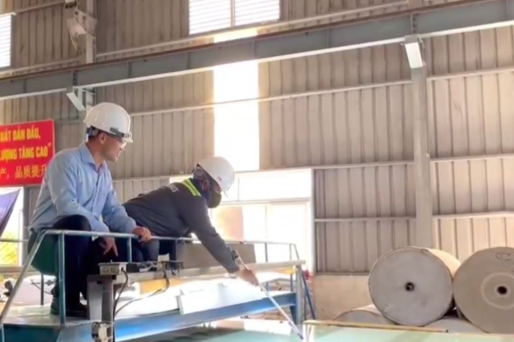
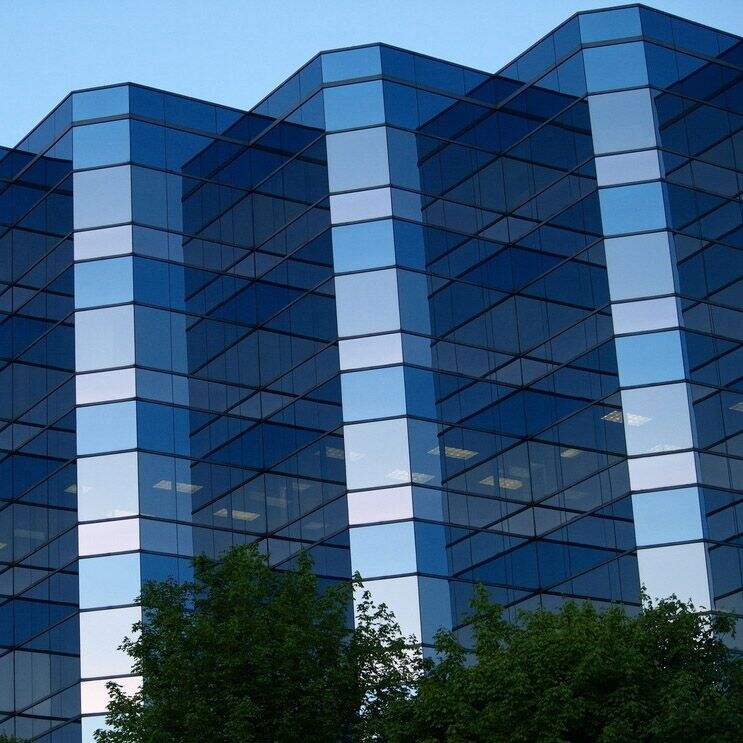
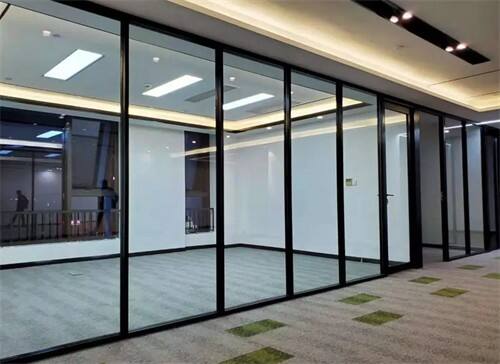
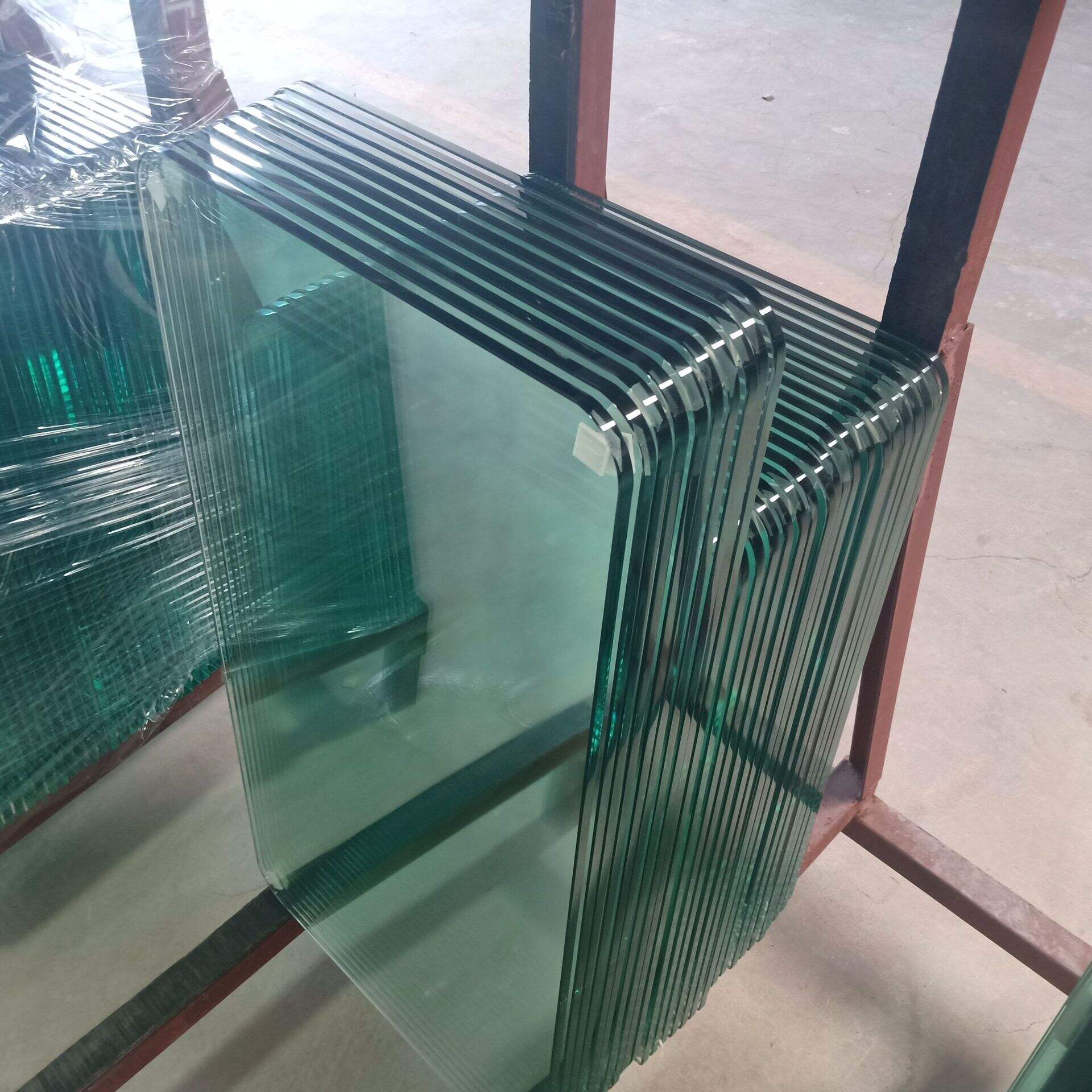
Tinted tempered glass represents a sophisticated fusion of safety engineering and aesthetic design, delivering superior performance across residential, commercial, and automotive applications. This specialized glass undergoes an intensive thermal tempering process that heats the material to approximately 650 degrees Celsius before rapid cooling, creating internal stress patterns that dramatically increase strength and safety characteristics. The tinting process incorporates metal oxides or ceramic particles during manufacturing, producing various color options including bronze, gray, blue, and green while maintaining optical clarity and structural integrity. Modern tinted tempered glass manufacturing employs advanced coating technologies that ensure uniform color distribution and consistent performance standards. The primary functions of tinted tempered glass encompass solar heat reduction, glare control, privacy enhancement, and superior impact resistance compared to standard glass materials. Technological features include precise thickness control ranging from 3mm to 19mm, customizable tint levels from light to dark specifications, and specialized edge treatments that eliminate stress concentrations. The thermal processing creates a glass product that is approximately four to five times stronger than regular annealed glass, while the tinting properties can reduce solar heat gain by up to 50 percent depending on the specific tint selection. Applications span architectural glazing for curtain walls, storefront systems, residential windows, automotive windshields and side windows, furniture components, and decorative installations. Quality tinted tempered glass meets stringent international standards including ASTM C1048, EN 12150, and automotive safety regulations. The manufacturing process ensures that when breakage occurs, the glass fragments into small, relatively harmless pieces rather than dangerous sharp shards, providing enhanced occupant safety. Advanced tinted tempered glass products incorporate Low-E coatings and specialized interlayers that further improve thermal performance and UV protection capabilities, making them ideal for energy-efficient building designs and sustainable construction projects.

 EN
EN