Premium Insulated Tempered Glass Solutions - Energy Efficient Safety Glazing

Get a Free Quote

Our representative will contact you soon.
Email
Name
Company Name
Message
0/1000

insulated tempered glass

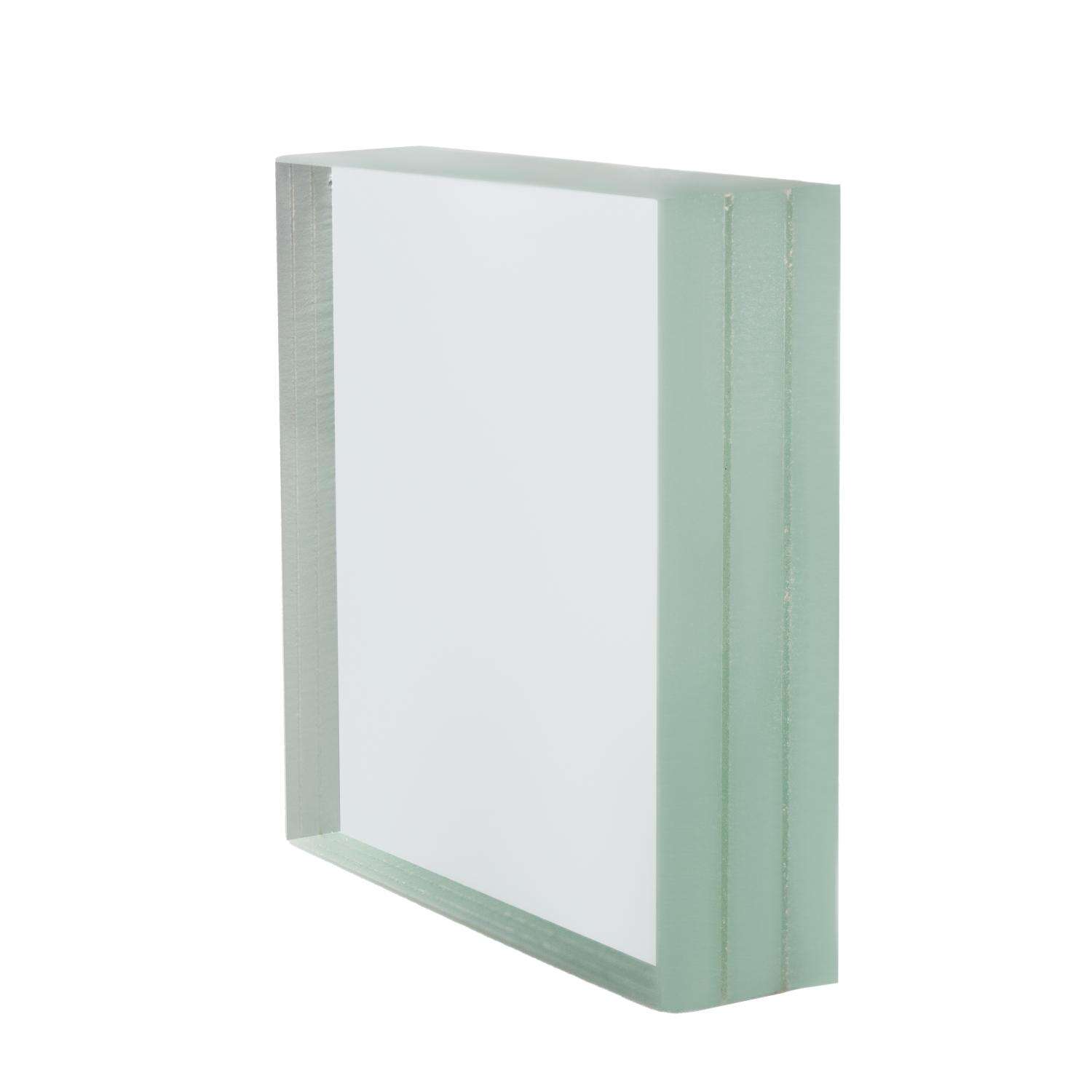
Insulated tempered glass represents a revolutionary advancement in modern glazing technology, combining the safety benefits of tempered glass with the exceptional thermal performance of insulated glass units. This sophisticated building material consists of multiple layers of tempered glass separated by spacer bars and sealed with specialized compounds to create an insulating air or gas-filled cavity. The manufacturing process involves subjecting regular glass to controlled thermal treatment, heating it to approximately 650 degrees Celsius before rapid cooling, which increases its strength by up to five times compared to standard glass. The insulated tempered glass system typically features two or three panes of this strengthened glass, with the space between them filled with dry air or inert gases like argon or krypton to enhance thermal efficiency. The primary functions of this advanced glazing solution include superior energy conservation, enhanced safety protection, noise reduction, and condensation control. Technological features encompass low-emissivity coatings that reflect infrared radiation while allowing visible light transmission, advanced spacer systems that minimize thermal bridging, and specialized sealants that maintain long-term performance integrity. The structural design ensures optimal load-bearing capacity while maintaining transparency and aesthetic appeal. Applications span across residential construction, commercial buildings, industrial facilities, and specialized environments requiring climate control. In residential settings, insulated tempered glass finds extensive use in windows, patio doors, skylights, and curtain walls, providing homeowners with improved comfort and reduced energy costs. Commercial applications include office buildings, retail establishments, hospitals, schools, and hospitality venues where safety, energy efficiency, and occupant comfort are paramount. Industrial applications encompass manufacturing facilities, warehouses, and specialized environments requiring temperature control and safety compliance. The versatility of insulated tempered glass makes it suitable for both new construction projects and renovation applications, offering architects and designers flexibility in creating energy-efficient building envelopes while meeting stringent safety requirements and building codes.
New Product Releases

The advantages of insulated tempered glass deliver substantial practical benefits that directly impact both immediate comfort and long-term cost savings for property owners. Energy efficiency stands as the most significant advantage, with insulated tempered glass reducing heat transfer by up to 50% compared to single-pane alternatives. This remarkable thermal performance translates into lower heating and cooling bills throughout the year, with many homeowners experiencing 20-30% reductions in energy costs. The dual-pane or triple-pane construction creates an effective thermal barrier that keeps warm air inside during winter months and blocks heat penetration during summer, maintaining consistent indoor temperatures with less reliance on HVAC systems. Safety represents another crucial advantage, as tempered glass breaks into small, relatively harmless granular pieces rather than sharp, dangerous shards when subjected to impact or stress. This safety feature proves invaluable in residential environments with children and pets, as well as commercial spaces with high foot traffic. The enhanced strength of tempered glass also provides superior resistance to thermal stress, wind loads, and accidental impacts, reducing replacement costs and maintenance requirements. Sound insulation capabilities offer significant comfort improvements, particularly in urban environments or areas with high noise levels. The insulated tempered glass construction effectively dampens external noise transmission, creating quieter indoor spaces that enhance productivity in offices and promote better sleep quality in residential applications. Condensation control represents another practical benefit, as the insulated design prevents moisture buildup on interior glass surfaces, eliminating the need for constant cleaning and preventing potential mold or mildew issues. The reduced condensation also protects window frames and surrounding materials from moisture damage, extending their lifespan and maintaining property value. Maintenance advantages include easier cleaning requirements, as the sealed construction prevents dust and debris accumulation between glass panes. The durability of insulated tempered glass means fewer replacements over time, providing excellent return on investment. Additionally, the improved aesthetics of clear, condensation-free glass enhance property curb appeal and create brighter, more inviting interior spaces that can positively impact property values and occupant satisfaction.

Practical Tips

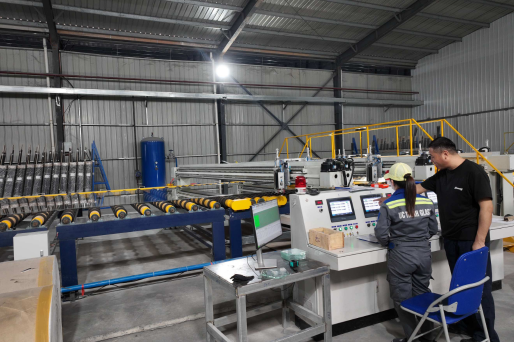
Deepening Roots in the Vietnamese Market, Zero-Distance Quality Control – The Company's Quality Director Works On-Site at the Vietnam Factory

08

Jan

Deepening Roots in the Vietnamese Market, Zero-Distance Quality Control – The Company's Quality Director Works On-Site at the Vietnam Factory

View More
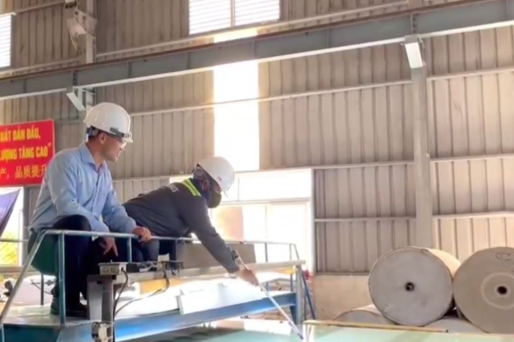
Empowering Product Matrix, Jointly Exploring New Market Opportunities – The Company's Management Team Visits Glass Deep-processing Enterprises to Deepen Industrial Cooperation

08

Jan

Empowering Product Matrix, Jointly Exploring New Market Opportunities – The Company's Management Team Visits Glass Deep-processing Enterprises to Deepen Industrial Cooperation

View More
In-depth Popular Science of Float Glass: Unlocking the Mysteries of the

08

Jan

In-depth Popular Science of Float Glass: Unlocking the Mysteries of the "Transparent Cornerstone" from Raw Materials to Applications

View More

Get a Free Quote

Our representative will contact you soon.
Email
Name
Company Name
Message
0/1000

insulated tempered glass

Superior Energy Performance and Cost Savings

Superior Energy Performance and Cost Savings

The exceptional energy performance of insulated tempered glass delivers transformative cost savings that extend far beyond initial installation investments. This advanced glazing technology employs multiple sophisticated mechanisms to minimize heat transfer, creating an highly effective thermal barrier that significantly reduces energy consumption year-round. The insulated design incorporates specialized low-emissivity coatings that reflect up to 90% of infrared radiation while maintaining excellent visible light transmission, ensuring optimal daylighting without unwanted heat gain. The sealed air or gas-filled cavities between glass panes provide additional insulation value, with argon gas filling offering up to 20% better thermal performance than standard air-filled units. This comprehensive thermal management system enables buildings to maintain comfortable interior temperatures with substantially less energy input from heating and cooling systems. Property owners typically observe immediate reductions in utility bills, with many experiencing 25-40% decreases in annual energy costs depending on climate conditions and building characteristics. The compound effect of these savings accumulates significantly over the product lifespan, often recovering the initial investment within 3-5 years through reduced operational expenses. Beyond direct cost savings, the enhanced energy efficiency contributes to reduced carbon footprint and environmental impact, supporting sustainability goals while meeting increasingly stringent building energy codes. The thermal performance remains consistent throughout the product lifespan, ensuring long-term energy savings without degradation. In commercial applications, the energy efficiency of insulated tempered glass can substantially reduce peak demand charges and contribute to LEED certification points, adding additional economic value. The reduced thermal stress on HVAC systems also extends equipment lifespan and reduces maintenance requirements, creating secondary cost benefits. Modern insulated tempered glass units can achieve U-values as low as 0.25, representing exceptional thermal performance that surpasses many building envelope requirements.
Uncompromising Safety and Structural Integrity

Uncompromising Safety and Structural Integrity

The safety characteristics of insulated tempered glass provide unparalleled protection that makes it indispensable for applications where human safety and structural reliability are paramount concerns. The tempering process fundamentally alters the glass structure, creating a product that possesses four to five times the strength of regular annealed glass while maintaining identical optical properties. This enhanced strength enables the glass to withstand significant impact forces, thermal stress, and wind loads without failure, making it ideal for high-stress environments and weather-exposed applications. When breakage does occur under extreme conditions, the tempered glass fractures into thousands of small, relatively harmless granular pieces rather than large, sharp shards that pose serious injury risks. This safety glazing behavior has been extensively tested and certified by safety organizations worldwide, earning recognition as an essential component in applications requiring human safety protection. The structural integrity extends beyond basic strength to include exceptional resistance to thermal shock, enabling the glass to handle rapid temperature changes without cracking or failing. This thermal stability proves crucial in applications involving direct sunlight exposure, proximity to heat sources, or extreme climate conditions. The manufacturing quality control processes ensure consistent performance across all units, with each piece of insulated tempered glass meeting rigorous safety standards and building code requirements. Installation safety benefits include reduced risk during handling and construction, as the enhanced strength minimizes breakage during transport and installation procedures. The safety advantages extend to long-term performance, with insulated tempered glass maintaining its safety characteristics throughout its operational lifespan without degradation or weakness development. Emergency egress applications benefit from the predictable breakage pattern, enabling controlled glass removal when necessary. The combination of strength and safety makes insulated tempered glass particularly valuable in educational facilities, healthcare environments, and public buildings where occupant protection is absolutely critical. Insurance benefits often accompany installations of safety glazing materials, with many providers offering reduced premiums for properties equipped with certified safety glass systems.
Advanced Noise Reduction and Indoor Comfort Enhancement

Advanced Noise Reduction and Indoor Comfort Enhancement

The sophisticated acoustic performance of insulated tempered glass transforms indoor environments by dramatically reducing unwanted noise transmission while maintaining visual connectivity with outdoor spaces. The multi-layered construction creates an effective sound barrier through multiple mechanisms, including mass damping, air gap isolation, and resonance disruption, resulting in substantial noise reduction across a broad frequency spectrum. The sealed insulated design prevents direct sound transmission pathways, forcing acoustic energy to pass through multiple dense glass layers separated by insulating cavities that absorb and dissipate sound waves. This comprehensive acoustic treatment can achieve sound transmission class ratings of 35-45 STC, representing noise reductions of 15-20 decibels compared to single-pane alternatives. Such performance levels transform noisy urban environments into peaceful interior spaces suitable for concentration, relaxation, and quality sleep. The acoustic benefits prove particularly valuable in residential applications near airports, highways, construction zones, or entertainment districts where external noise significantly impacts quality of life. Commercial environments benefit equally, with improved acoustic comfort enhancing workplace productivity, reducing stress levels, and creating more pleasant customer experiences in retail and hospitality settings. The noise reduction capabilities address both airborne sound transmission and impact noise, providing comprehensive acoustic protection. Different glass thicknesses and cavity dimensions can be optimized for specific acoustic challenges, enabling customized solutions for various noise environments. The long-term acoustic performance remains stable throughout the product lifespan, as the sealed construction prevents degradation of sound-dampening properties. Enhanced indoor comfort extends beyond noise reduction to include improved temperature stability and reduced drafts, creating environments that feel more comfortable and require less energy to maintain optimal conditions. The psychological benefits of quieter spaces include reduced stress, improved concentration, better sleep quality, and enhanced overall well-being for occupants. Educational facilities, healthcare environments, and residential developments particularly benefit from the acoustic improvements, with studies showing measurable improvements in learning outcomes, patient recovery, and resident satisfaction in buildings equipped with high-performance acoustic glazing systems.

Get a Free Quote

Our representative will contact you soon.
Email
Name
Company Name
Message
0/1000