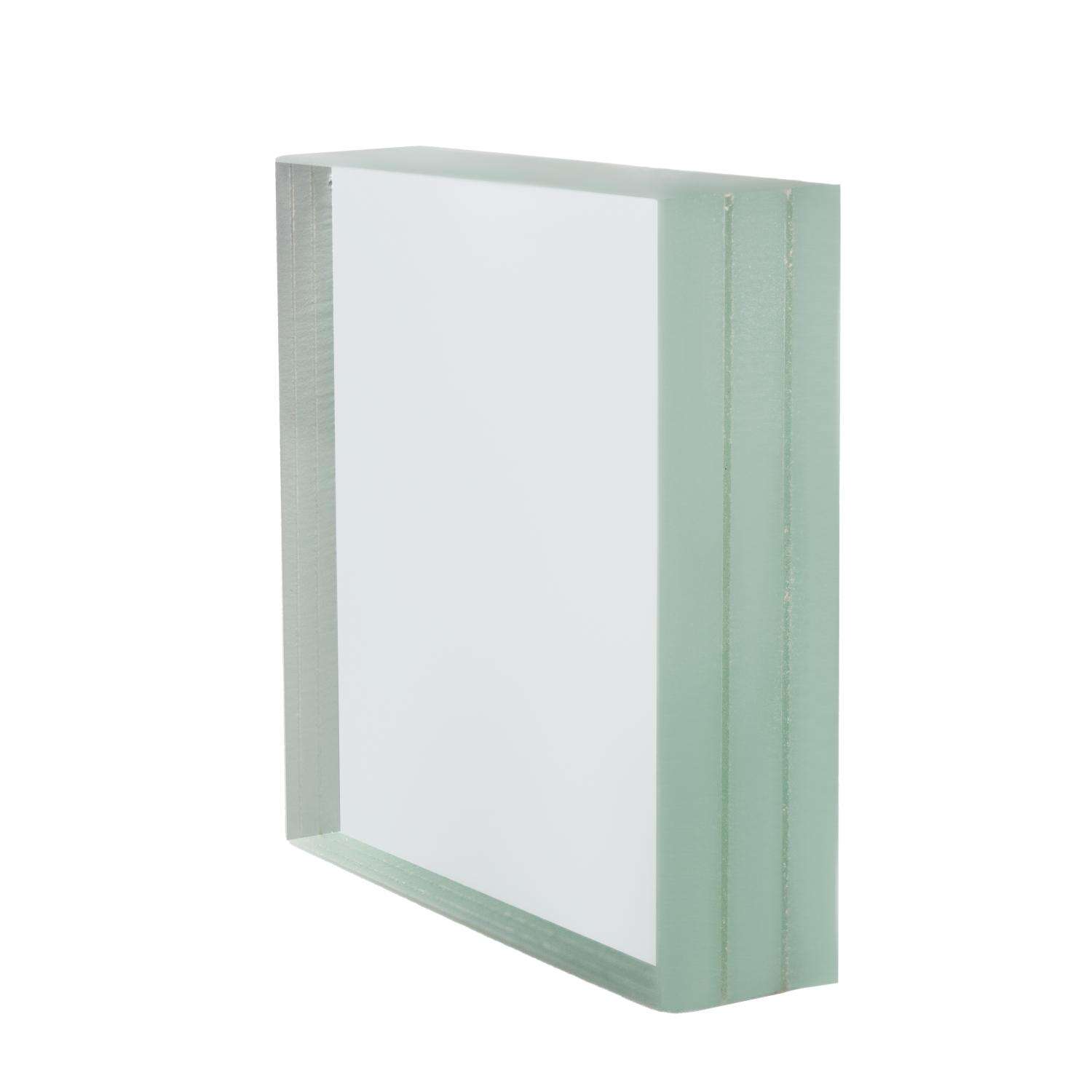
double glazed laminated glass
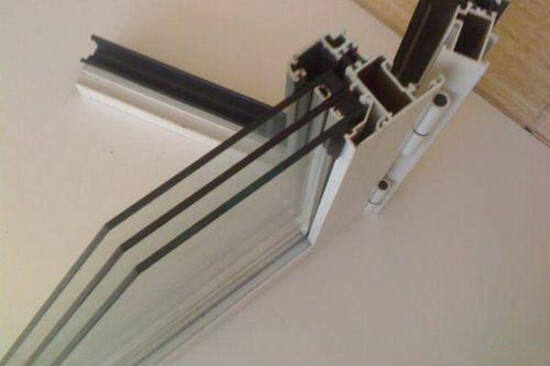
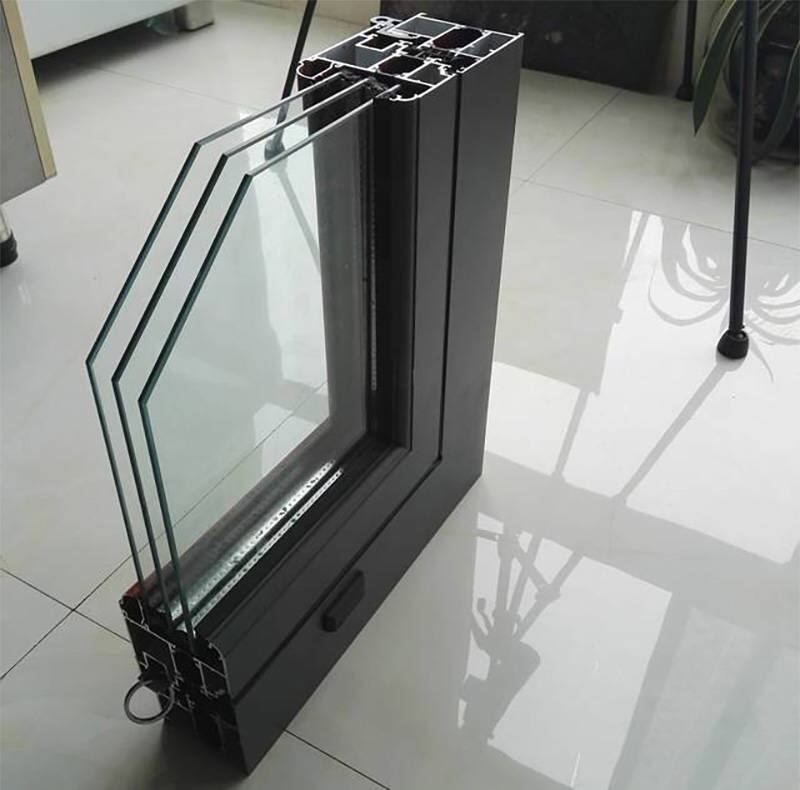
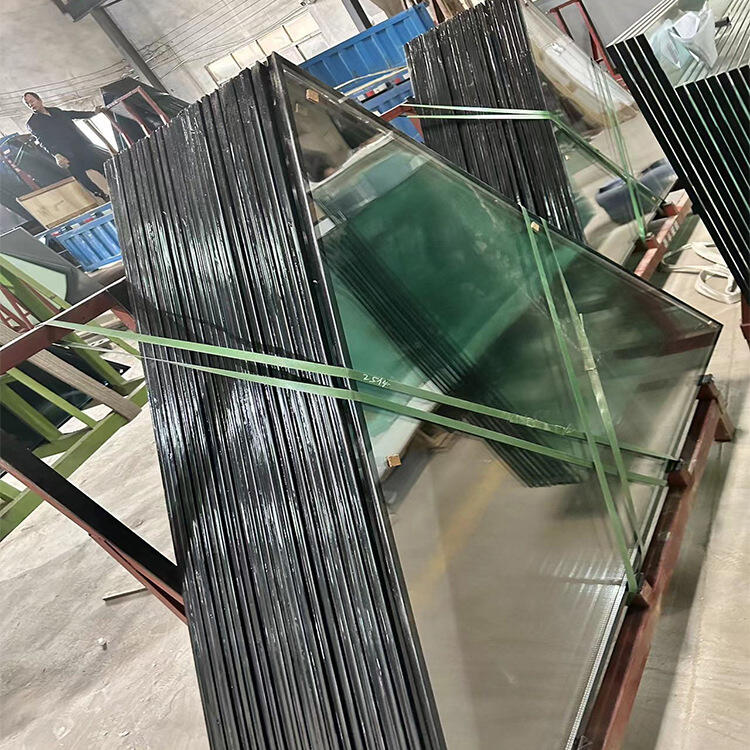
Double glazed laminated glass represents a revolutionary advancement in modern glazing technology, combining the superior insulation properties of double glazing with the enhanced safety features of laminated glass construction. This innovative glazing solution consists of two glass panes separated by an insulating air or gas-filled cavity, with at least one pane featuring a laminated structure that includes a protective interlayer, typically made from polyvinyl butyral (PVB) or ethylene-vinyl acetate (EVA). The double glazed laminated glass system creates an exceptional barrier against heat transfer, sound transmission, and security threats while maintaining crystal-clear visibility and aesthetic appeal. The technological features of double glazed laminated glass include advanced thermal performance capabilities that significantly reduce energy consumption in buildings. The insulating cavity between the glass panes creates a thermal barrier that prevents heat loss during winter months and reduces heat gain during summer periods. The laminated component adds structural integrity and safety benefits, as the interlayer holds glass fragments together if breakage occurs, preventing dangerous shards from scattering. This glazing solution incorporates low-emissivity coatings that reflect infrared radiation while allowing visible light transmission, further enhancing energy efficiency. Double glazed laminated glass finds extensive applications across residential, commercial, and industrial sectors. In residential buildings, it serves as an ideal solution for windows, patio doors, and skylights, providing homeowners with improved comfort, security, and energy savings. Commercial applications include office buildings, retail stores, and hospitality venues where acoustic control and thermal performance are crucial. The construction industry utilizes double glazed laminated glass for curtain walls, facades, and specialized installations requiring enhanced safety standards. Educational institutions, healthcare facilities, and government buildings benefit from its security features and noise reduction capabilities, making it an essential component in modern architectural design and building performance optimization.


 EN
EN