Enhanced Safety Features and Impact Resistance
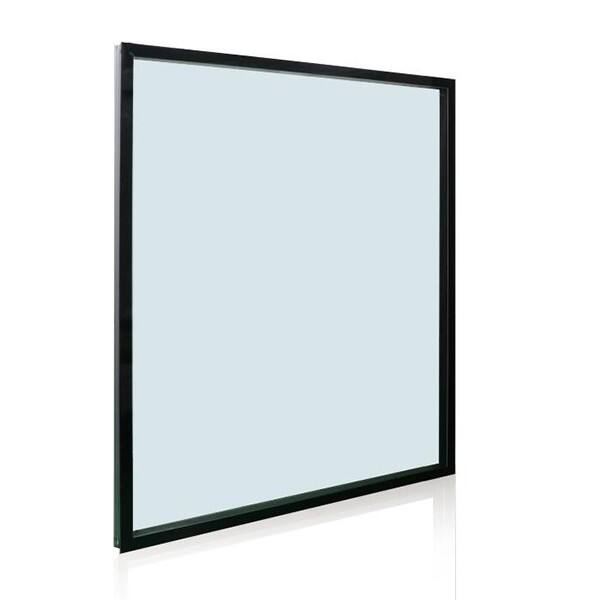
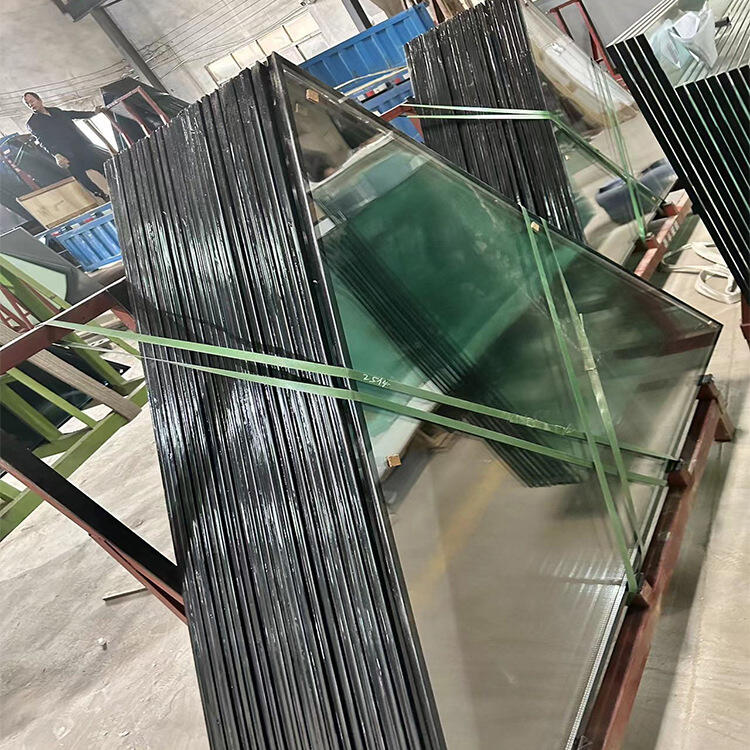
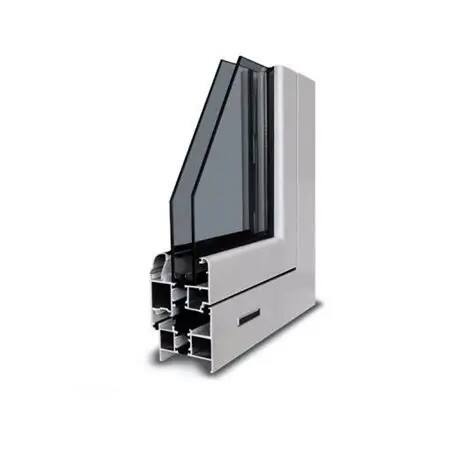
Safety represents the cornerstone benefit of double pane tempered glass technology, providing unparalleled protection through advanced manufacturing processes that fundamentally alter the glass structure to resist breakage and minimize injury risks when failure occurs. The tempering process subjects each glass pane to precise thermal treatment that creates compressive stress on surfaces while maintaining tensile stress in the glass interior, resulting in strength improvements of 400 to 500 percent compared to standard annealed glass. This enhanced structural integrity enables the glazing system to withstand significant impact forces, thermal shock, and mechanical stress without failure, making it ideal for high-risk applications where human safety remains critical. The unique fracture pattern of tempered glass produces thousands of small, relatively harmless fragments when breakage occurs, rather than the large, sharp shards characteristic of ordinary glass that can cause severe lacerations and penetrating injuries. This safety glazing behavior is particularly important in residential settings with children, commercial environments with heavy foot traffic, and institutional buildings where occupant protection is paramount. The double pane configuration provides an additional safety layer, as the probability of simultaneous failure in both glass layers remains extremely low under normal conditions, ensuring continued protection even if one pane becomes damaged. Advanced laminated versions of double pane tempered glass incorporate polyvinyl butyral interlayers that hold glass fragments in place even after breakage, preventing dangerous fallout and maintaining a barrier against intrusion attempts. The impact resistance characteristics of double pane tempered glass exceed building code requirements for safety glazing in most jurisdictions, providing peace of mind for property owners and occupants. Wind load resistance capabilities enable installations in high-rise buildings, coastal areas, and regions prone to severe weather events, as the enhanced strength withstands dynamic pressure changes without structural failure. The thermal shock resistance prevents stress fractures that commonly occur in ordinary glass when exposed to rapid temperature changes, ensuring reliable performance in environments with significant temperature variations. Quality control measures during manufacturing include rigorous testing procedures that verify impact resistance, thermal cycling performance, and breakage patterns to ensure consistent safety characteristics across all production runs. The safety benefits extend beyond breakage protection to include security advantages, as the increased strength and dual-layer construction make unauthorized entry more difficult while maintaining visibility and natural light transmission.

 EN
EN