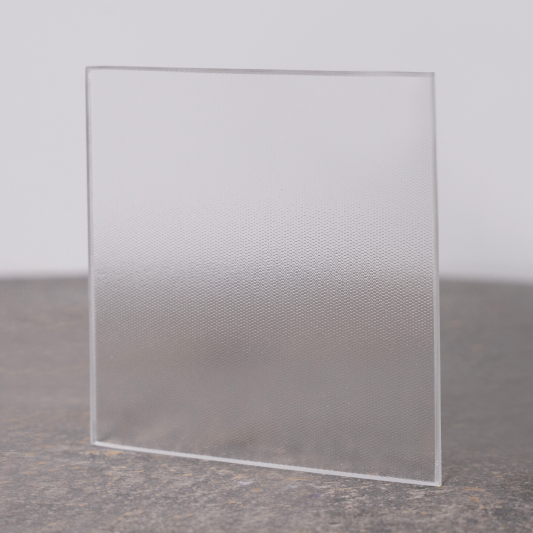
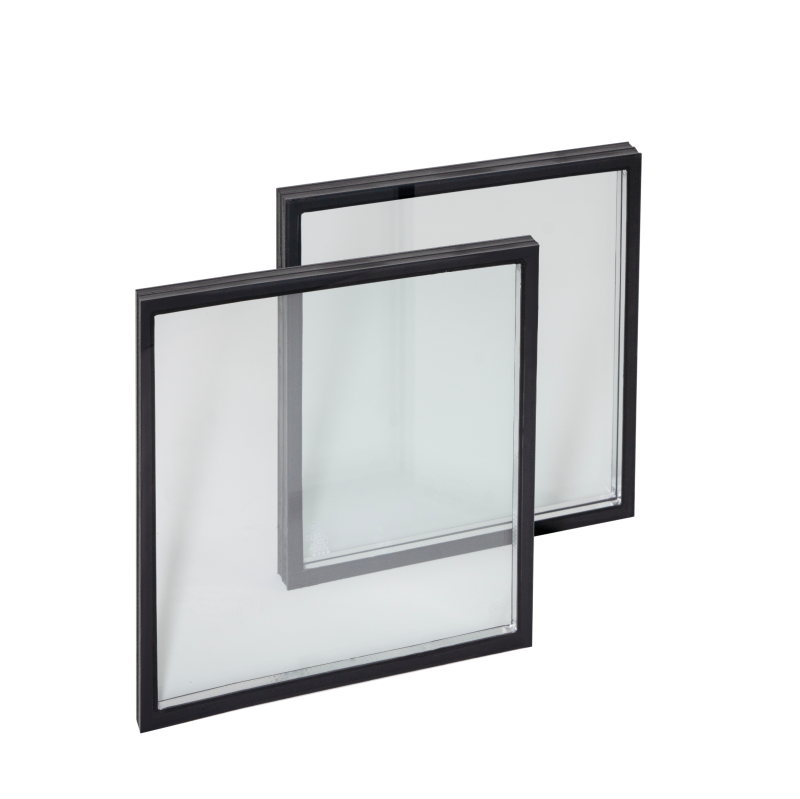
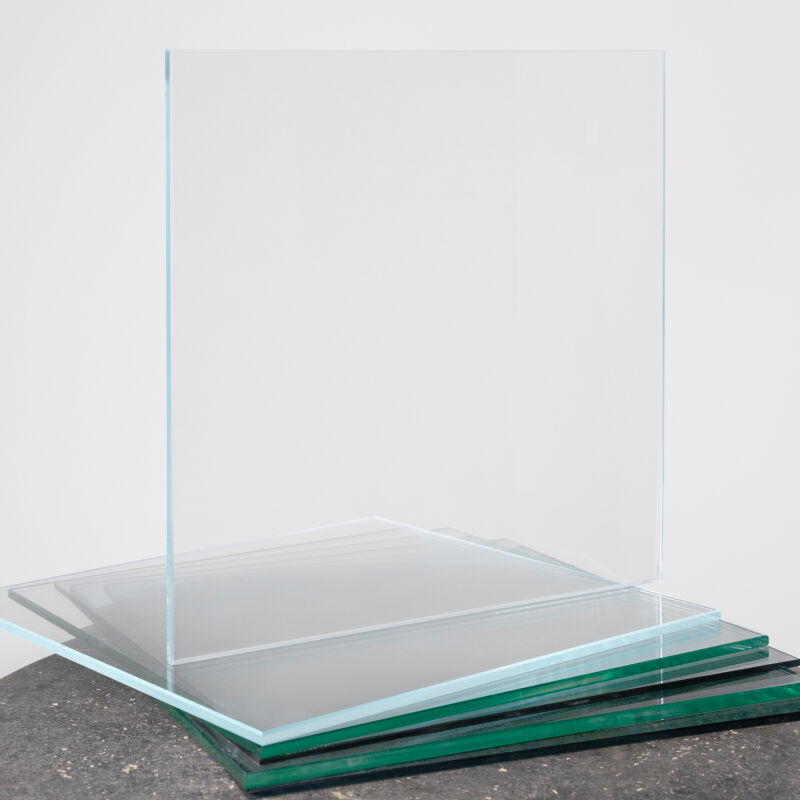
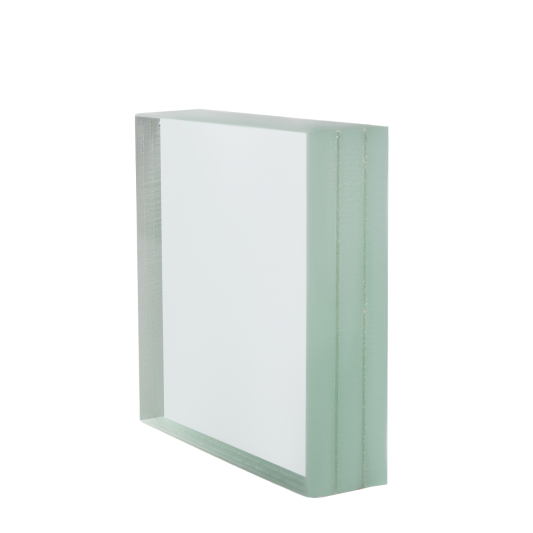
double glazing insulation
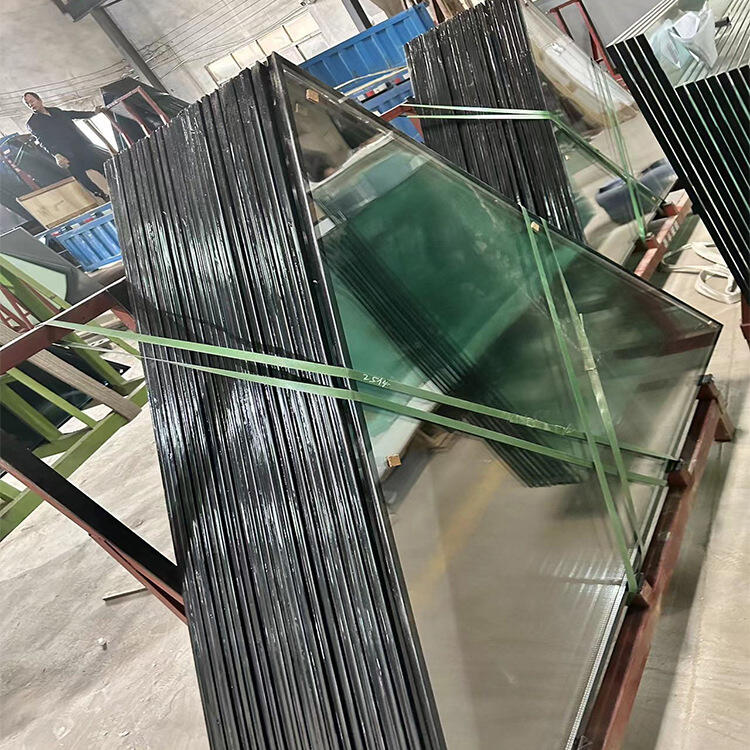
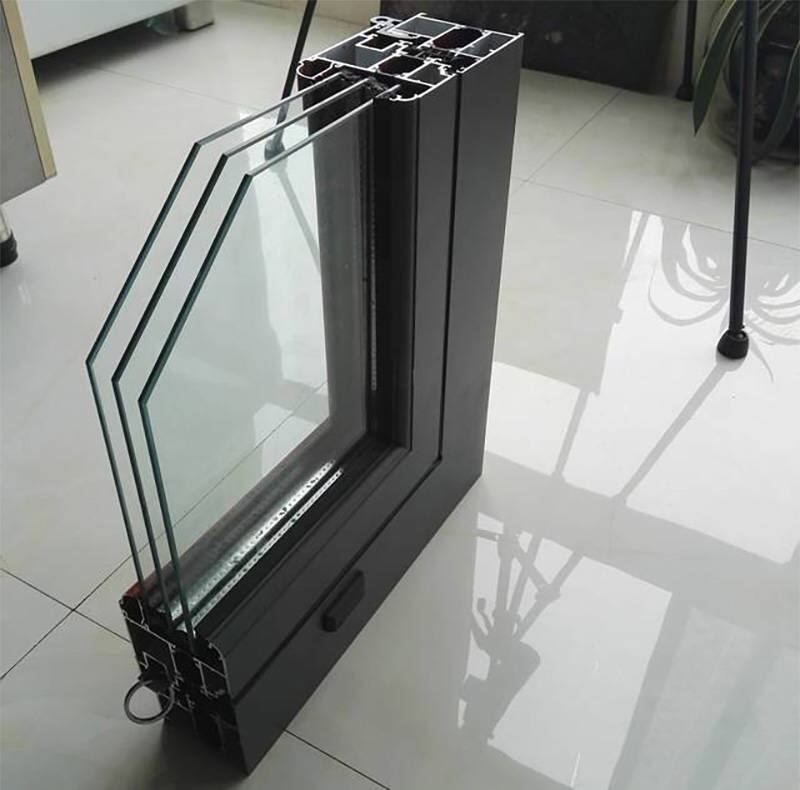
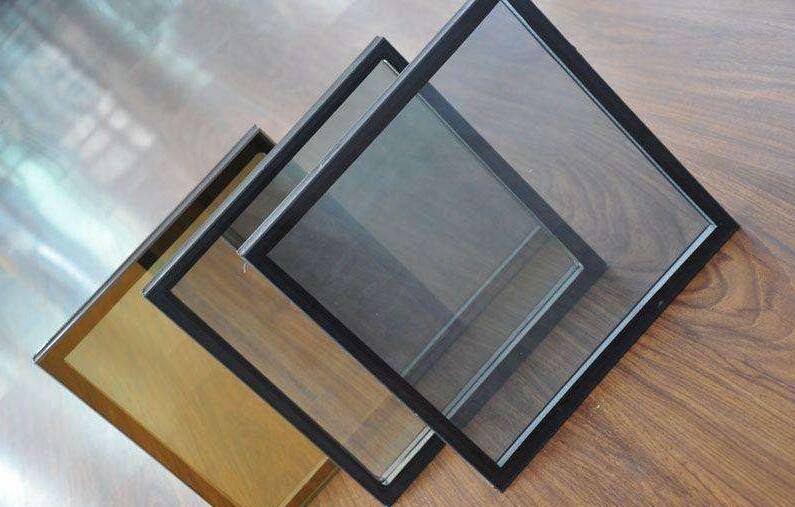
Double glazing insulation represents a revolutionary advancement in modern window technology, fundamentally transforming how buildings maintain thermal efficiency and comfort. This innovative system consists of two glass panes separated by a sealed air gap or inert gas-filled space, creating an effective thermal barrier that significantly reduces heat transfer between interior and exterior environments. The double glazing insulation technology operates on the principle of minimizing conduction, convection, and radiation heat loss through multiple layers of protection. The primary function of double glazing insulation centers on thermal regulation, maintaining consistent indoor temperatures while reducing energy consumption for heating and cooling systems. Beyond temperature control, this technology provides exceptional acoustic insulation, blocking external noise pollution and creating peaceful interior environments. The sealed unit construction prevents moisture infiltration, eliminating condensation problems that commonly plague single-pane windows. Technological features of double glazing insulation include low-emissivity coatings applied to glass surfaces, which reflect infrared radiation back into living spaces while allowing visible light to pass through. Advanced spacer systems separate the glass panes using materials with low thermal conductivity, preventing thermal bridging that could compromise insulation performance. Gas fills such as argon or krypton replace standard air within the sealed cavity, providing superior insulation properties due to their lower thermal conductivity rates. Modern double glazing insulation systems incorporate specialized edge sealing technologies using butyl rubber and polysulfide compounds, ensuring long-term gas retention and moisture exclusion. Applications for double glazing insulation span residential homes, commercial buildings, educational institutions, healthcare facilities, and industrial structures. Residential applications include replacement windows, new construction projects, conservatories, and patio doors where energy efficiency and comfort are paramount. Commercial applications encompass office buildings, retail spaces, hotels, and restaurants where operational cost reduction and occupant comfort directly impact business success.

 EN
EN