Enhanced Safety Features and Structural Integrity Benefits
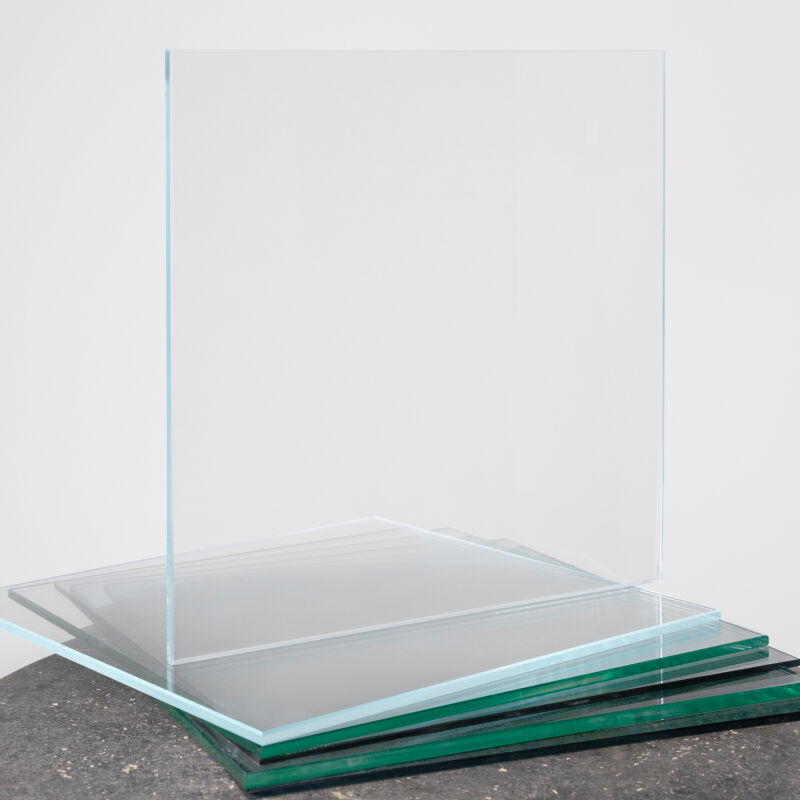
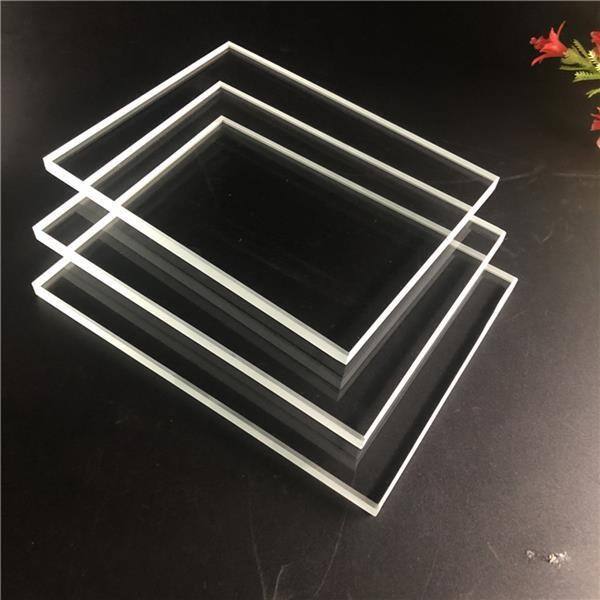
The safety advantages provided by a reputable ultra-clear tempered glass manufacturer extend far beyond basic compliance with building codes, delivering comprehensive protection features that safeguard both property and personnel in demanding environments. The tempering process creates a unique stress pattern within the glass structure, with compressive forces on the surface balanced by tensile stress in the core, resulting in mechanical strength approximately five times greater than annealed glass of equivalent thickness. This enhanced strength enables ultra-clear tempered glass to withstand significant impact forces, thermal shock, and wind loading that would cause standard glass to fail catastrophically. When breakage does occur under extreme conditions, the controlled stress pattern causes the glass to fragment into small, relatively blunt pieces rather than large, sharp shards that pose serious injury risks. The fracture pattern creates thousands of small cubes approximately 3-5 millimeters in size, significantly reducing the potential for severe lacerations compared to the knife-like fragments produced by ordinary glass failure. Thermal resistance characteristics allow ultra-clear tempered glass manufacturer products to withstand temperature differentials exceeding 200 degrees Celsius without structural failure, making them suitable for applications involving significant thermal cycling or exposure to intense heat sources. The enhanced impact resistance enables use in high-traffic areas, sports facilities, and commercial environments where accidental contact or deliberate abuse might occur. Structural integrity under wind loading makes these products ideal for high-rise building applications and coastal installations where hurricane-force winds create extreme pressure differentials. The safety benefits extend to fire resistance applications, where the thermal shock resistance of tempered glass provides additional protection time during emergency evacuation procedures. Quality assurance programs implemented by professional ultra-clear tempered glass manufacturer operations include rigorous safety testing protocols that verify breakage patterns, impact resistance, and thermal performance under controlled laboratory conditions. Edge treatment processes eliminate stress concentrations that could compromise safety performance, while quality control inspections identify any surface defects that might affect structural integrity. The combination of exceptional optical clarity with enhanced safety characteristics makes products from an ultra-clear tempered glass manufacturer the optimal choice for applications where both visual performance and occupant protection are critical requirements, providing peace of mind for architects, contractors, and building owners who prioritize safety without compromising aesthetic appeal.

 EN
EN