ultra-clear safety tempered glass
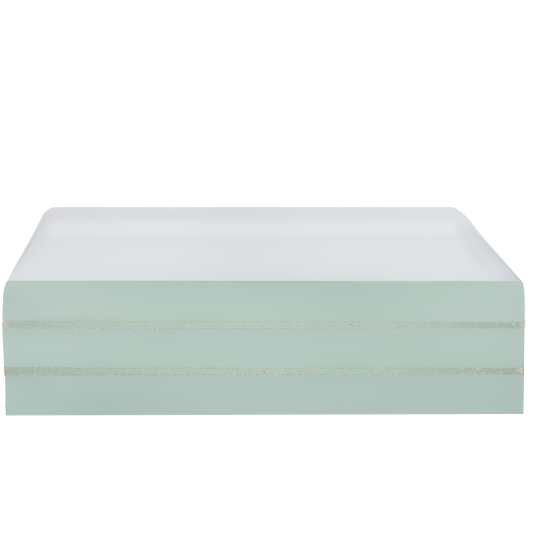
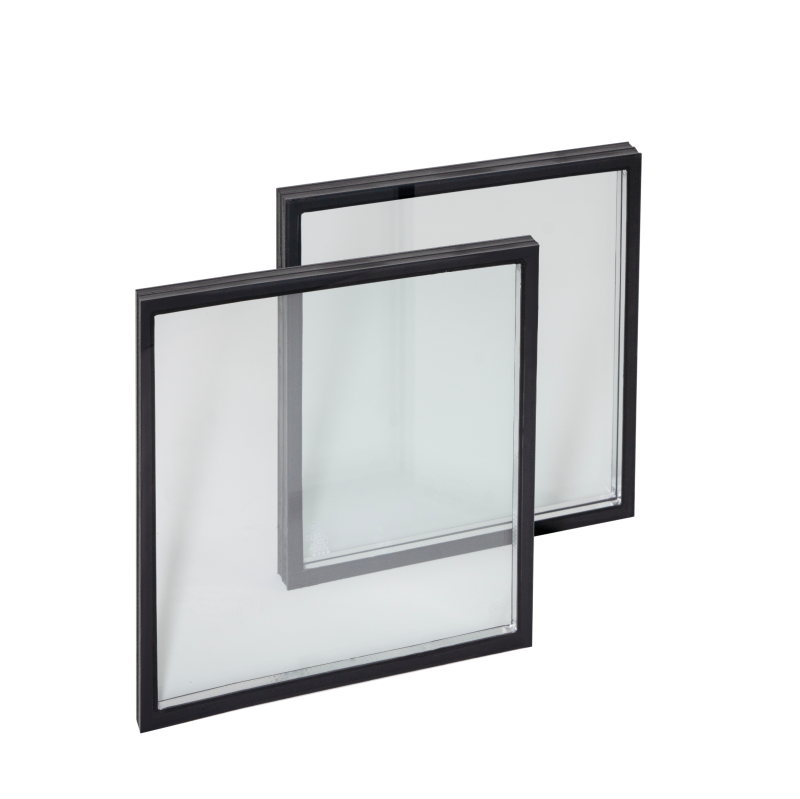
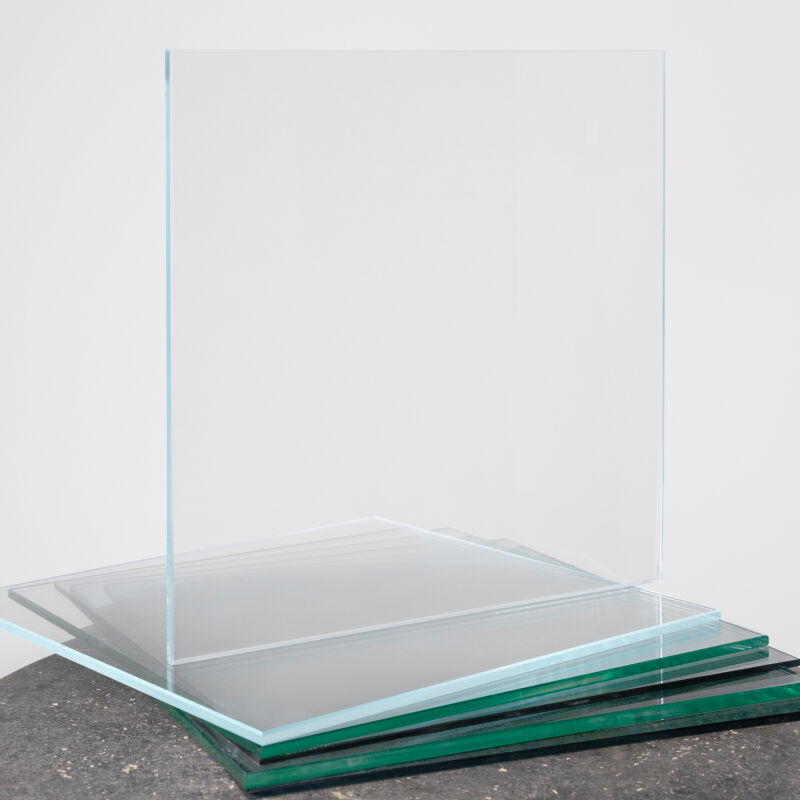
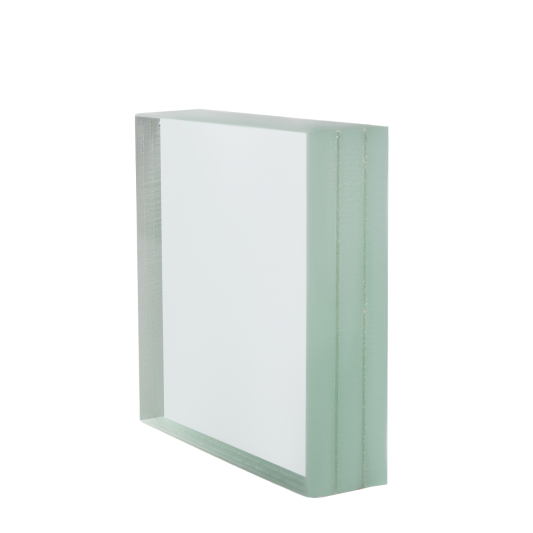
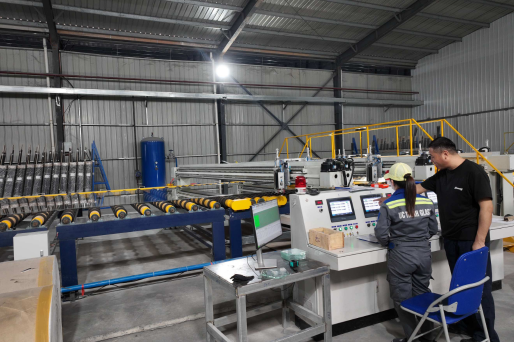
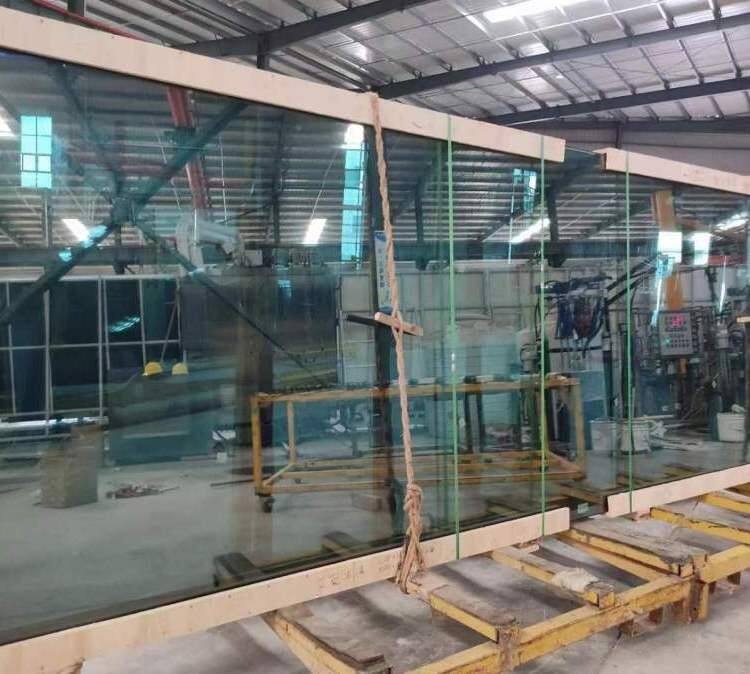
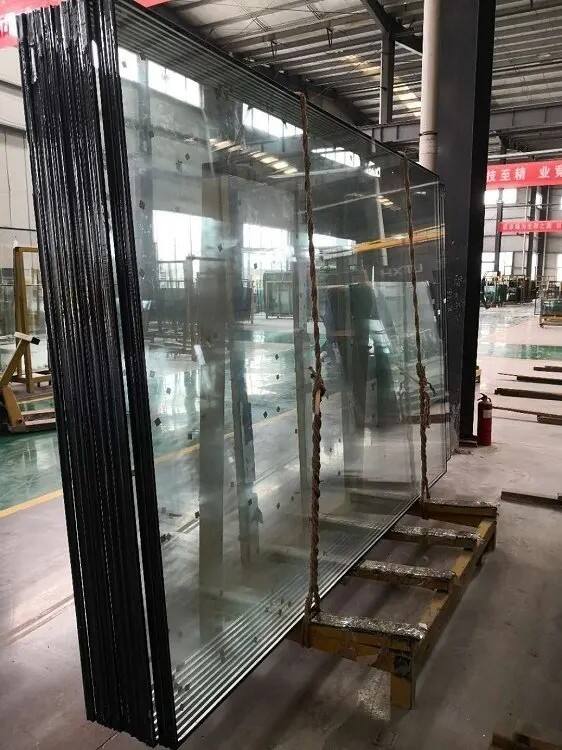
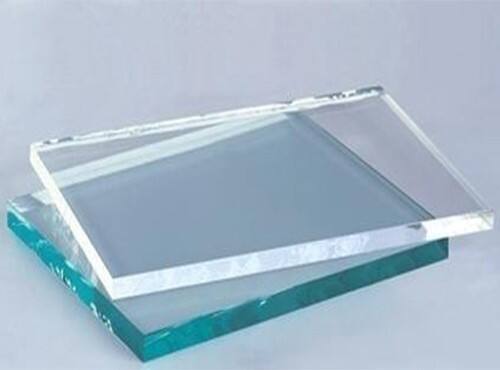
Ultra-clear safety tempered glass represents a revolutionary advancement in glass technology, combining exceptional transparency with uncompromising safety standards. This specialized glass product undergoes a sophisticated thermal tempering process that transforms ordinary float glass into a high-strength material capable of withstanding extreme conditions while maintaining crystal-clear visibility. The manufacturing process involves heating the glass to approximately 650 degrees Celsius before rapidly cooling it with controlled air jets, creating internal stresses that significantly enhance its structural integrity. Ultra-clear safety tempered glass achieves its remarkable clarity through the use of low-iron glass substrates, which eliminate the greenish tint commonly found in standard glass products. This premium material offers transparency levels exceeding 91 percent, making it virtually invisible when properly installed. The tempering process increases the glass strength by four to five times compared to ordinary annealed glass, while the safety characteristics ensure that if breakage occurs, the glass fractures into small, relatively harmless fragments rather than dangerous shards. Key technological features include superior thermal resistance, enhanced impact strength, and uniform stress distribution throughout the glass panel. The manufacturing process incorporates advanced quality control measures, including stress analysis testing and optical distortion measurements, ensuring each panel meets stringent industry standards. Modern production facilities utilize computer-controlled tempering furnaces that maintain precise temperature profiles and cooling rates, resulting in consistent product quality. The glass surface remains smooth and free from distortions, while edge polishing techniques eliminate stress concentrations that could compromise structural performance. Applications for ultra-clear safety tempered glass span numerous industries, including architectural glazing, automotive manufacturing, furniture design, and electronic device screens. In commercial buildings, this glass serves as curtain wall systems, storefront glazing, and interior partitions where maximum light transmission is essential. Residential applications include shower enclosures, glass doors, tabletops, and decorative panels where safety requirements are paramount.

 EN
EN