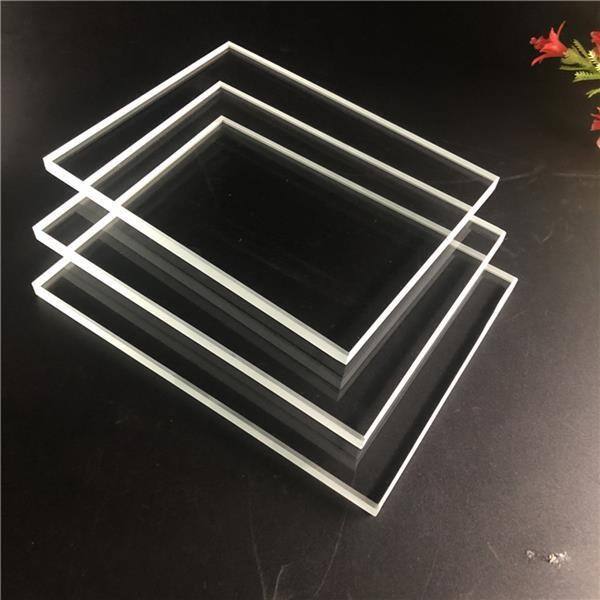
ultra-clear tempered glass for windows
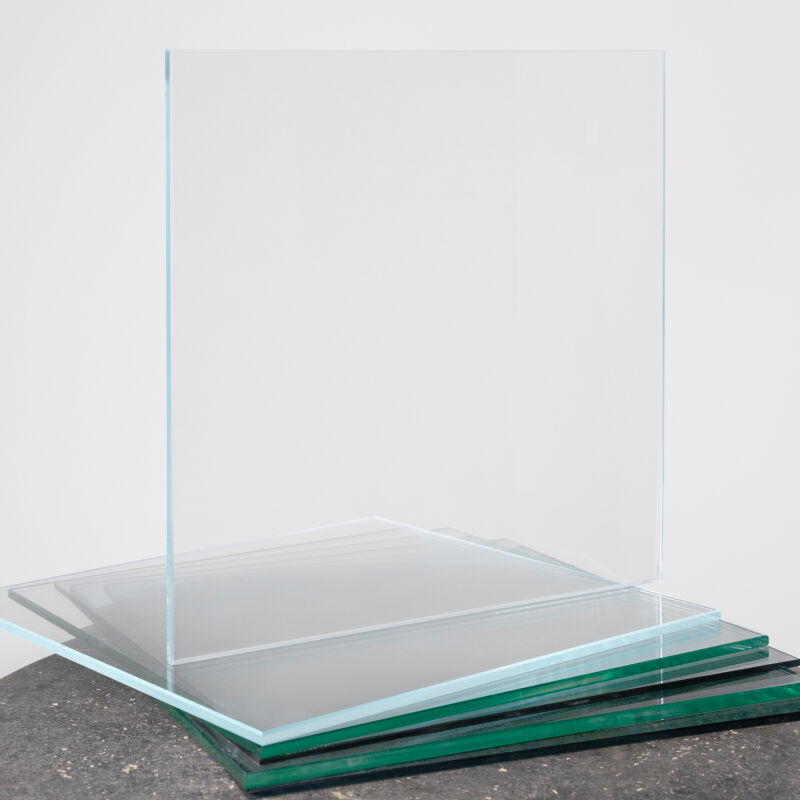
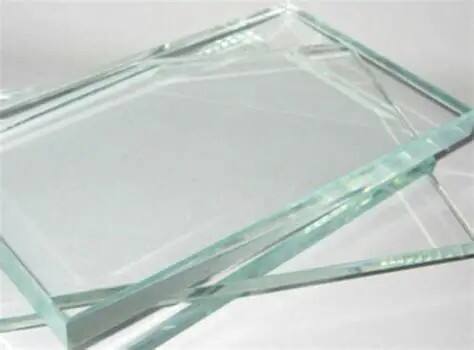
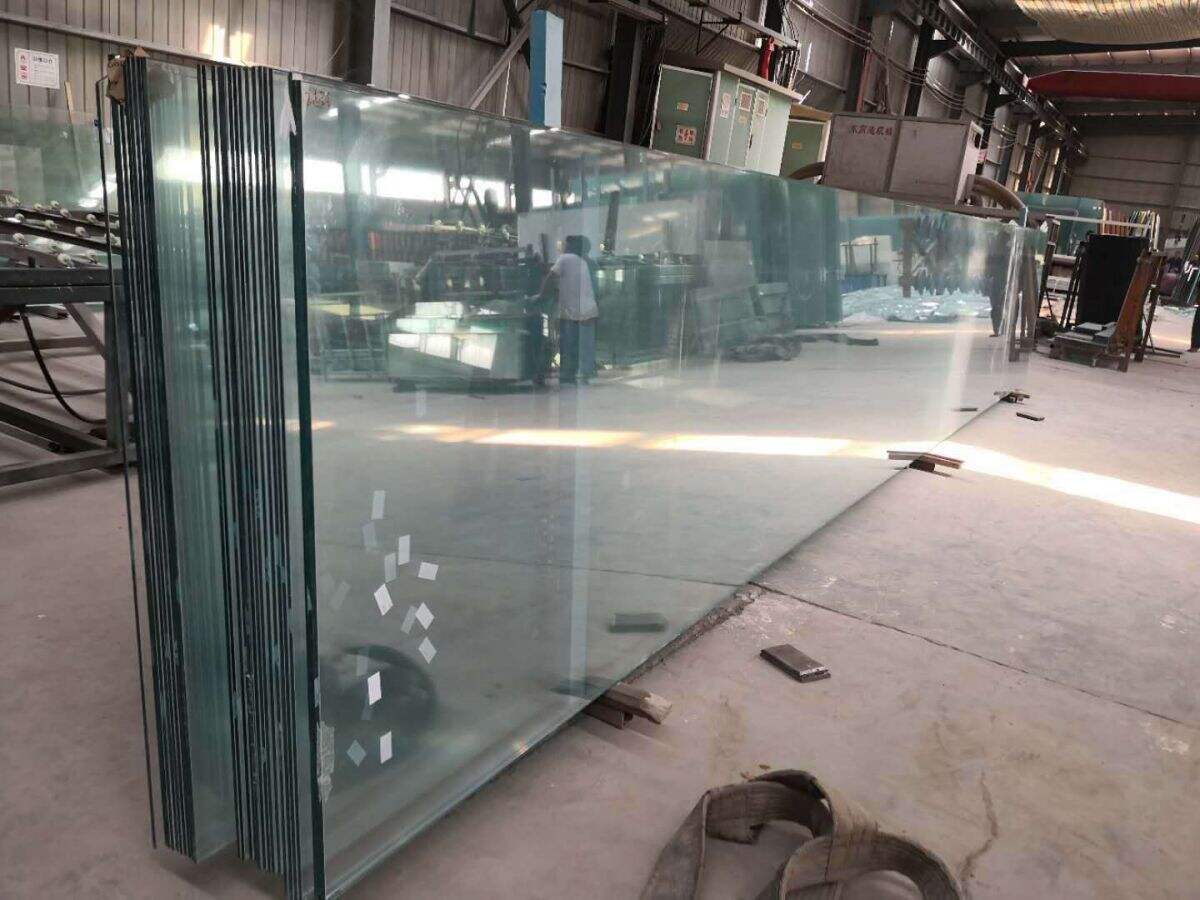
Ultra-clear tempered glass for windows represents a revolutionary advancement in architectural glazing technology, combining exceptional transparency with superior safety features. This premium glass solution is manufactured through a specialized tempering process that involves heating the glass to approximately 620 degrees Celsius, followed by rapid cooling with jets of cold air. This thermal treatment creates a product that is four to five times stronger than standard annealed glass while maintaining extraordinary optical clarity. The ultra-clear designation refers to the glass's low iron content, which eliminates the greenish tint commonly found in regular glass, resulting in crystal-clear transparency that allows maximum light transmission. The technological features of ultra-clear tempered glass for windows include enhanced strength characteristics, improved thermal resistance, and superior optical properties. The manufacturing process creates internal stress patterns that give the glass its remarkable durability while ensuring that if breakage occurs, the glass fragments into small, relatively harmless pieces rather than dangerous shards. This safety glass meets stringent international standards including ANSI Z97.1, CPSC 16 CFR 1201, and EN 12150 certifications. The applications for ultra-clear tempered glass for windows span across residential, commercial, and industrial sectors. In residential settings, homeowners utilize this glass for large picture windows, sliding doors, skylights, and curtain wall systems where both safety and aesthetics are paramount. Commercial applications include storefront windows, office buildings, shopping centers, and hospitality venues where maximum visibility and natural light penetration are essential. Industrial applications encompass manufacturing facilities, warehouses, and specialized environments requiring robust glazing solutions. The glass thickness typically ranges from 4mm to 19mm, accommodating various structural requirements and design specifications while maintaining optimal performance characteristics.


 EN
EN