Ultra-Clear Tempered Architectural Glass: Premium Safety Glass Solutions for Modern Buildings

Get a Free Quote

Our representative will contact you soon.
Email
Name
Company Name
Message
0/1000

ultra-clear tempered architectural glass

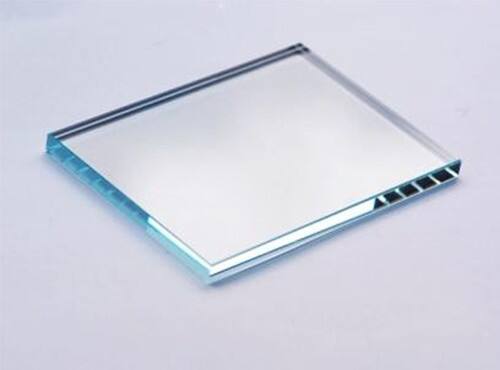
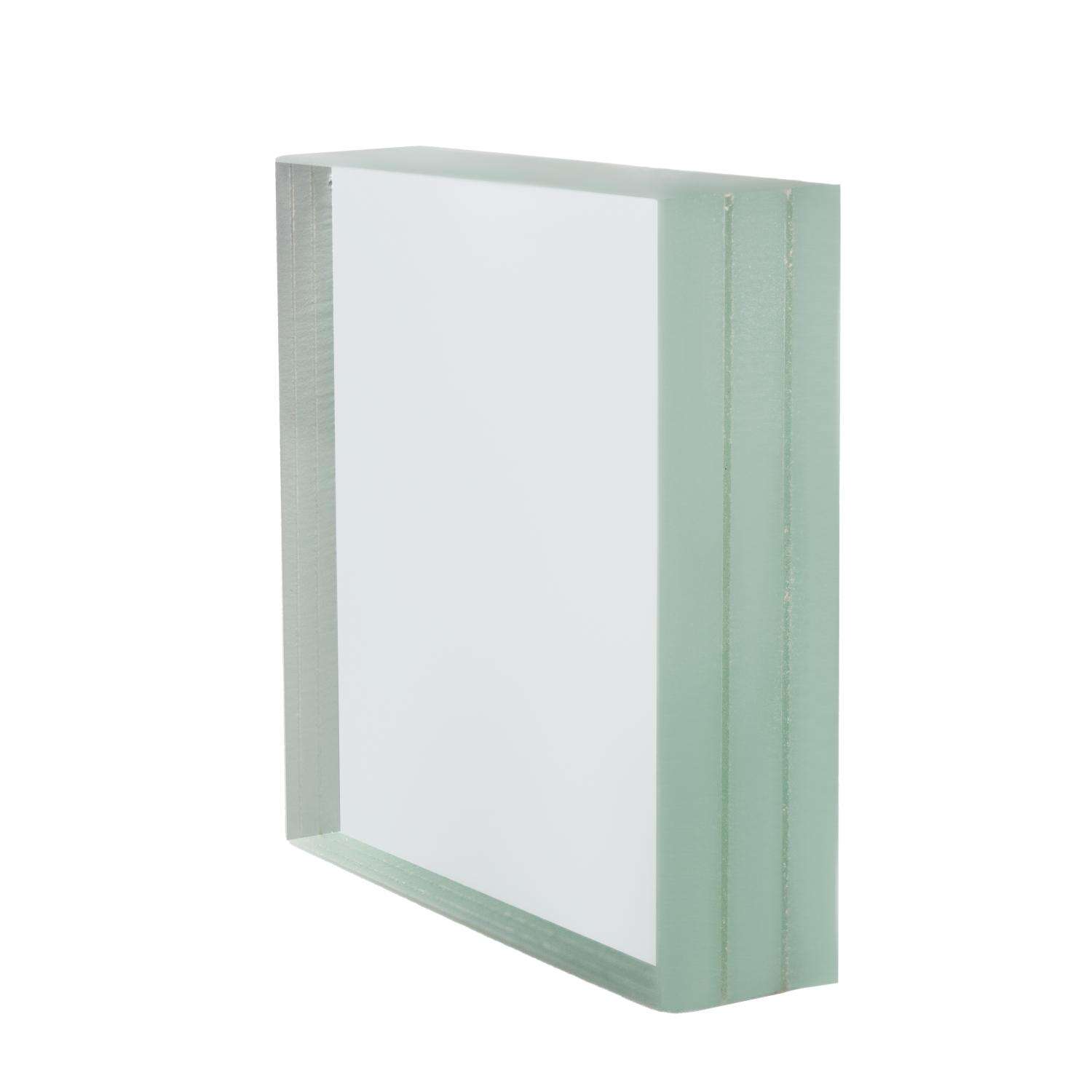
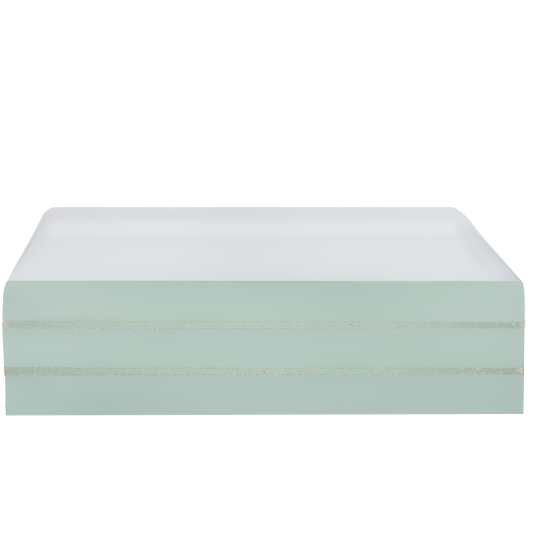
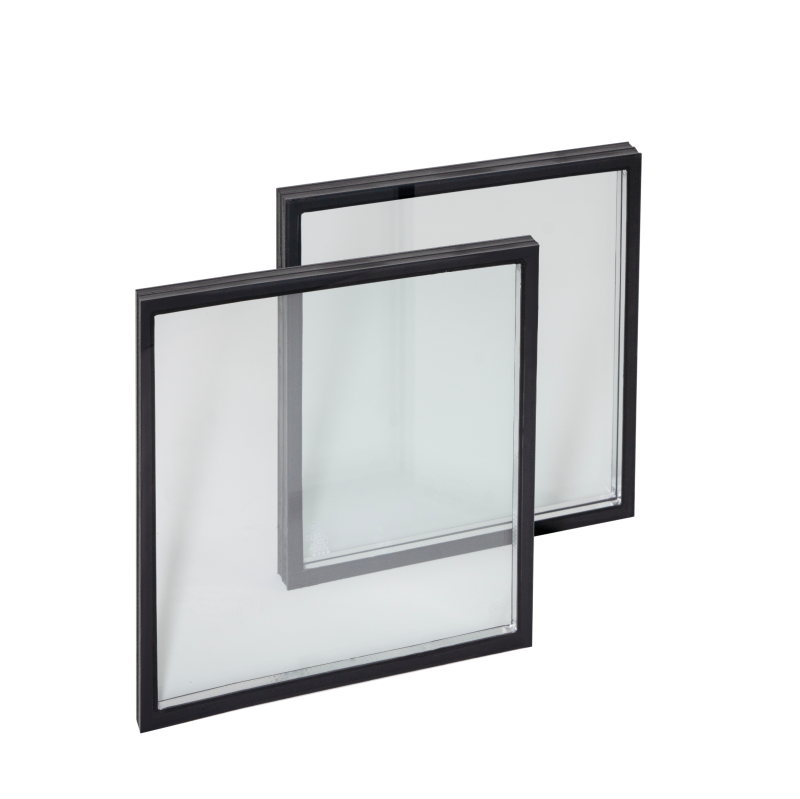
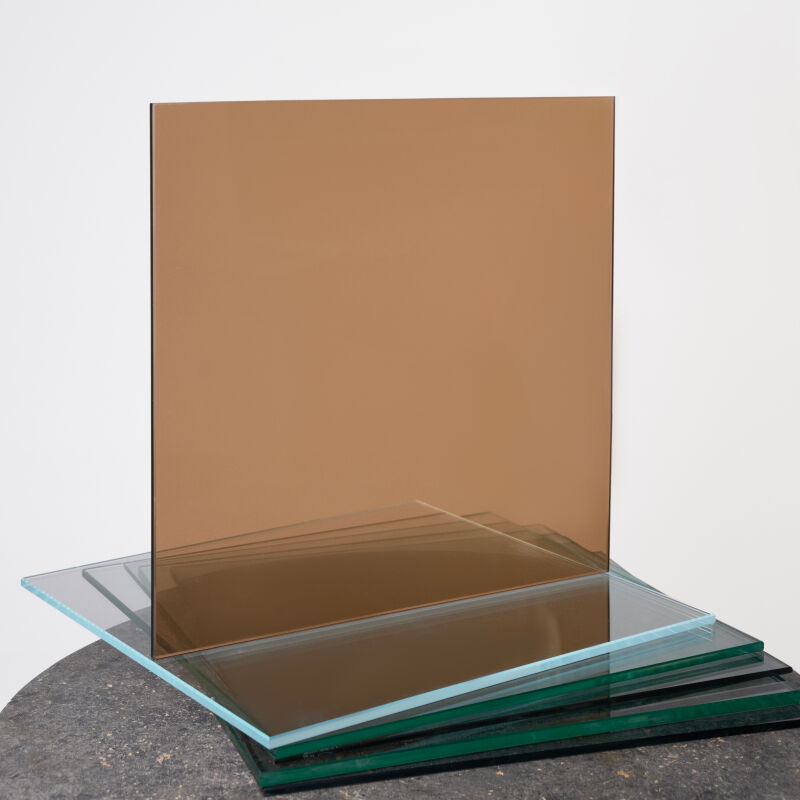
Ultra-clear tempered architectural glass represents a revolutionary advancement in modern construction materials, combining exceptional optical clarity with superior structural strength. This premium glass product undergoes specialized manufacturing processes that eliminate the greenish tint typically found in standard glass, resulting in crystal-clear transparency that enhances natural light transmission and visual aesthetics. The tempering process involves heating the ultra-clear glass to approximately 650 degrees Celsius, followed by rapid cooling through controlled air jets, creating internal stress patterns that increase the glass strength by up to five times compared to regular annealed glass. This ultra-clear tempered architectural glass offers remarkable versatility in contemporary building design, serving both functional and decorative purposes across residential, commercial, and institutional projects. The manufacturing technology incorporates low-iron glass compositions, reducing iron oxide content to less than 0.015 percent, which eliminates color distortion and maximizes light penetration. Advanced quality control systems ensure consistent thickness tolerance, optical clarity, and structural integrity throughout production. The surface treatment options include various textures, patterns, and coatings that can be applied before or after tempering, providing architects and designers with extensive customization possibilities. Safety compliance meets or exceeds international standards including ANSI Z97.1, EN 12150, and AS/NZS 2208, making it suitable for critical applications where human safety is paramount. The ultra-clear tempered architectural glass demonstrates exceptional performance in extreme weather conditions, maintaining structural integrity under thermal stress, wind loads, and impact forces. Installation flexibility allows for frameless designs, large span applications, and complex geometric configurations that were previously impossible with traditional glazing materials. Environmental sustainability features include high recyclability, energy-efficient production methods, and contribution to green building certification programs through improved daylight harvesting and reduced artificial lighting requirements.
New Product Recommendations

Ultra-clear tempered architectural glass delivers exceptional safety performance that surpasses conventional glazing solutions in multiple critical areas. When this specialized glass experiences impact or stress beyond its design limits, it fragments into small, relatively harmless granular pieces rather than sharp, dangerous shards, significantly reducing injury risk in both residential and commercial environments. The enhanced strength characteristics allow architects to specify larger glass panels without compromising structural integrity, creating expansive views and seamless indoor-outdoor connections that enhance occupant experience and property values. Superior optical properties eliminate the green tint present in standard glass, providing true color representation and maximum natural light transmission that reduces dependence on artificial lighting systems, resulting in substantial energy cost savings over the building lifecycle. The ultra-clear tempered architectural glass maintains consistent performance across varying temperature ranges, expanding design possibilities for applications in diverse climate zones and reducing maintenance requirements compared to alternative materials. Installation efficiency improves significantly due to the glass stability during handling and mounting procedures, reducing labor costs and project timelines while minimizing waste from breakage during construction phases. Thermal performance benefits include excellent solar heat gain control when combined with appropriate coatings, contributing to HVAC system efficiency and occupant comfort throughout seasonal variations. The scratch-resistant surface maintains pristine appearance over extended periods, reducing cleaning frequency and replacement costs while preserving the aesthetic value of the architectural investment. Design flexibility accommodates complex shapes, curves, and custom configurations that enable innovative architectural expressions previously limited by material constraints. Long-term durability ensures consistent performance for decades, with minimal degradation of optical clarity or structural properties when properly installed and maintained. Sound transmission control properties provide acoustic comfort in urban environments, reducing external noise penetration while maintaining visual connections to exterior spaces. The ultra-clear tempered architectural glass supports sustainable building practices through material longevity, recyclability, and contribution to energy-efficient building envelope systems that meet or exceed green building certification requirements.

Tips And Tricks

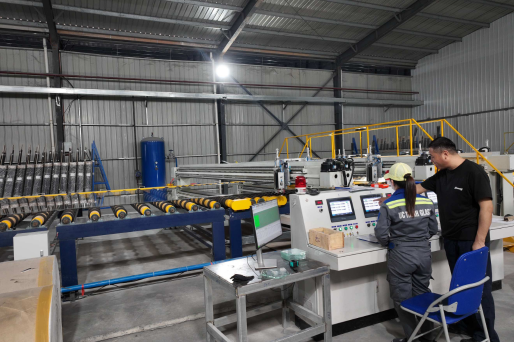
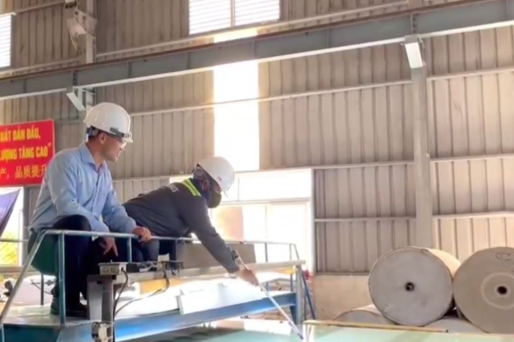
Deepening Roots in the Vietnamese Market, Zero-Distance Quality Control – The Company's Quality Director Works On-Site at the Vietnam Factory

08

Jan

Deepening Roots in the Vietnamese Market, Zero-Distance Quality Control – The Company's Quality Director Works On-Site at the Vietnam Factory

View More
Empowering Product Matrix, Jointly Exploring New Market Opportunities – The Company's Management Team Visits Glass Deep-processing Enterprises to Deepen Industrial Cooperation

08

Jan

Empowering Product Matrix, Jointly Exploring New Market Opportunities – The Company's Management Team Visits Glass Deep-processing Enterprises to Deepen Industrial Cooperation

View More
In-depth Popular Science of Float Glass: Unlocking the Mysteries of the

08

Jan

In-depth Popular Science of Float Glass: Unlocking the Mysteries of the "Transparent Cornerstone" from Raw Materials to Applications

View More

Get a Free Quote

Our representative will contact you soon.
Email
Name
Company Name
Message
0/1000

ultra-clear tempered architectural glass

Unmatched Optical Clarity and Light Transmission Excellence

Unmatched Optical Clarity and Light Transmission Excellence

The ultra-clear tempered architectural glass achieves unprecedented optical performance through advanced low-iron manufacturing processes that virtually eliminate color distortion and maximize natural light penetration. Traditional glass contains iron oxides that create a distinctive greenish tint, particularly noticeable in thicker panels or when viewed from the edge, which can significantly impact color accuracy and reduce light transmission efficiency. This innovative ultra-clear tempered architectural glass utilizes specialized raw materials with iron oxide content reduced to less than 0.015 percent, compared to 0.1 percent in standard glass, resulting in crystal-clear transparency that maintains true color representation across all viewing angles. The enhanced light transmission characteristics allow up to 91 percent of visible light to pass through, compared to 83 percent for conventional glass, creating brighter interior spaces that reduce artificial lighting requirements by up to 15 percent during daylight hours. This improvement translates directly into measurable energy savings and enhanced occupant wellbeing through increased exposure to natural light, which studies consistently link to improved productivity, mood regulation, and circadian rhythm maintenance. Architects and designers particularly value this optical excellence when specifying glass for applications where color accuracy is critical, such as retail displays, art galleries, museums, and high-end residential projects where natural light quality directly impacts the intended aesthetic experience. The manufacturing precision ensures consistent optical properties across large production runs, enabling seamless integration of multiple panels in curtain wall systems, storefronts, and expansive glazing applications without visible color variations or optical distortions that could compromise the overall design integrity. Advanced quality control processes monitor optical clarity throughout production, utilizing sophisticated measurement equipment to verify light transmission, haze levels, and color neutrality before the tempering process begins, ensuring that every panel meets the stringent specifications required for premium architectural applications where visual performance cannot be compromised.
Superior Strength and Uncompromising Safety Performance

Superior Strength and Uncompromising Safety Performance

The ultra-clear tempered architectural glass undergoes a precisely controlled thermal strengthening process that transforms its molecular structure, creating internal stress patterns that increase impact resistance and overall structural performance by up to 500 percent compared to standard annealed glass. This tempering process involves heating the glass to approximately 650 degrees Celsius in specialized furnaces, followed by rapid cooling through carefully calibrated air jets that create compressive stress on the surface layers while maintaining tensile stress in the core, resulting in exceptional resistance to thermal shock, wind loads, and impact forces that commonly affect building facades. The enhanced strength characteristics enable architects to specify larger glass panels without intermediate structural supports, creating unobstructed views and seamless architectural expressions that were previously impossible with conventional glazing materials. When subjected to forces beyond its design capacity, this ultra-clear tempered architectural glass exhibits a unique failure pattern that prioritizes occupant safety through controlled fragmentation into small, relatively harmless granular pieces rather than large, sharp shards that could cause severe injuries. This safety performance meets or exceeds international standards including ANSI Z97.1, EN 12150, and AS/NZS 2208, making it suitable for critical applications such as entrance doors, low-level glazing, overhead installations, and any location where human contact is possible. The thermal resistance properties allow the glass to withstand temperature differentials of up to 200 degrees Celsius without failure, accommodating extreme weather conditions and building envelope thermal movements that could cause conventional glass to crack or fail. Impact resistance testing demonstrates the ability to withstand forces equivalent to 50 joules of energy, significantly exceeding requirements for most architectural applications while providing additional safety margins for unexpected loading conditions. The consistent strength distribution across the entire panel surface ensures reliable performance regardless of installation orientation or support configuration, giving engineers confidence in structural calculations and allowing for innovative mounting systems that maximize architectural flexibility while maintaining code compliance and occupant safety standards.
Exceptional Durability and Long-Term Performance Value

Exceptional Durability and Long-Term Performance Value

The ultra-clear tempered architectural glass delivers outstanding longevity and sustained performance characteristics that significantly exceed conventional glazing materials, providing exceptional value through reduced maintenance requirements, extended service life, and consistent aesthetic appearance over decades of use. The tempering process creates a stable molecular structure that resists degradation from environmental factors including ultraviolet radiation, temperature cycling, moisture exposure, and chemical contaminants commonly encountered in urban environments, ensuring that optical clarity and structural integrity remain virtually unchanged throughout the building lifecycle. Surface hardness improvements resulting from the tempering process create exceptional resistance to scratching, abrasion, and impact damage that typically affects untreated glass surfaces, maintaining pristine appearance and reducing replacement costs associated with damaged panels. This ultra-clear tempered architectural glass demonstrates remarkable resistance to thermal stress cycling, accommodating daily temperature variations and seasonal changes without developing micro-cracks or stress patterns that could compromise long-term performance or create maintenance concerns. The chemical stability of the low-iron composition prevents discoloration or haze formation that can affect standard glass over time, particularly in high-humidity or chemically aggressive environments where conventional glazing materials may experience degradation or staining. Cleaning and maintenance procedures remain straightforward due to the smooth, non-porous surface that resists dirt accumulation and allows for efficient cleaning with standard methods, reducing ongoing maintenance costs while preserving optimal light transmission and aesthetic quality. The dimensional stability characteristics ensure consistent fit and seal integrity in glazing systems over extended periods, preventing air and water infiltration that could lead to building envelope problems or energy efficiency degradation. Quality control testing includes accelerated aging procedures that simulate decades of environmental exposure, confirming that optical properties, strength characteristics, and surface quality remain within specification limits throughout the anticipated service life. Installation longevity benefits include compatibility with modern glazing systems and sealants that provide weatherproof performance for 25 years or more, while the glass itself can maintain full functionality for 50 years or longer when properly installed and maintained according to manufacturer recommendations.

Get a Free Quote

Our representative will contact you soon.
Email
Name
Company Name
Message
0/1000