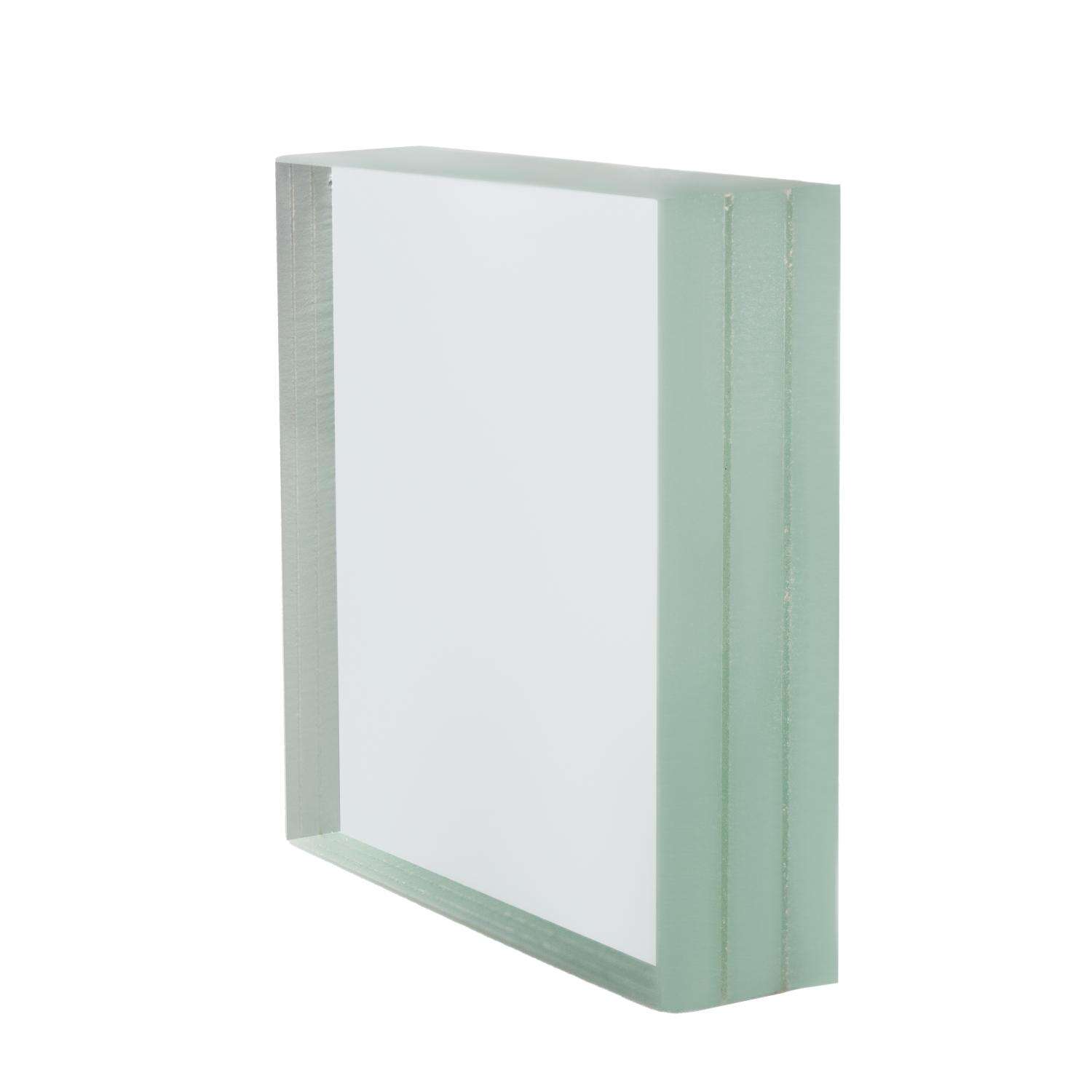
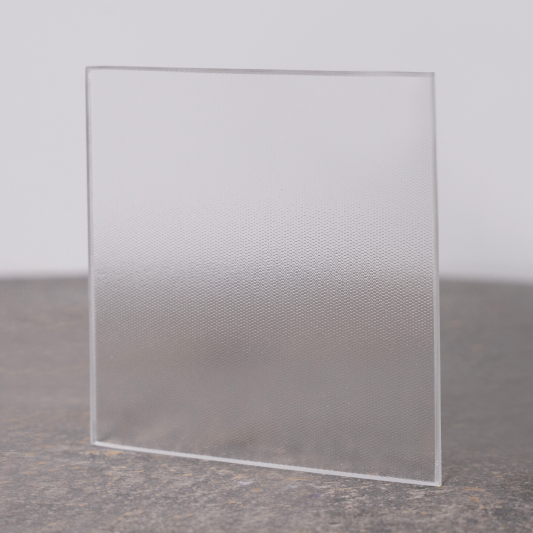
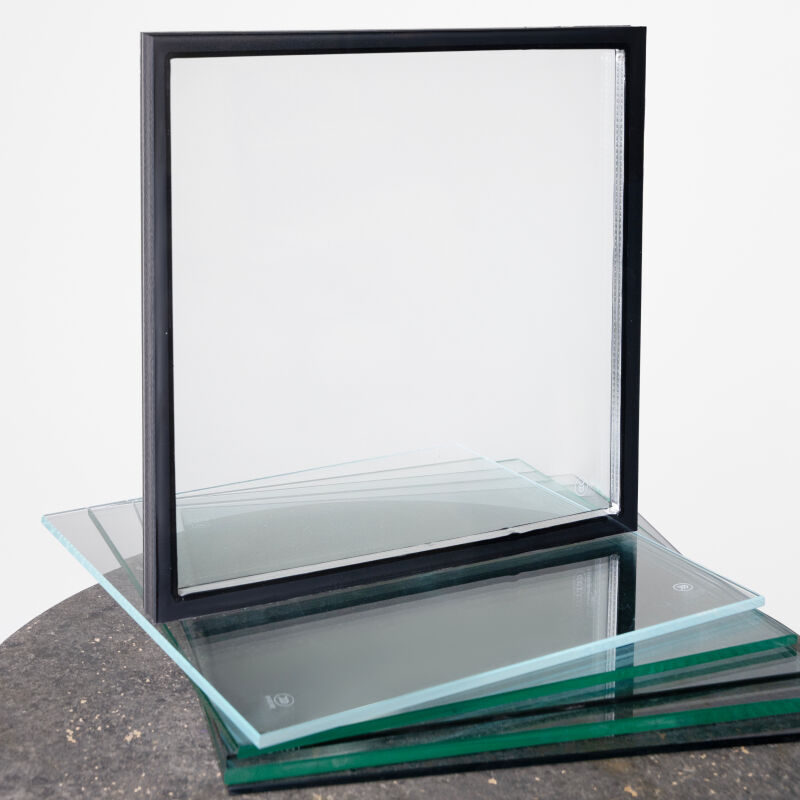
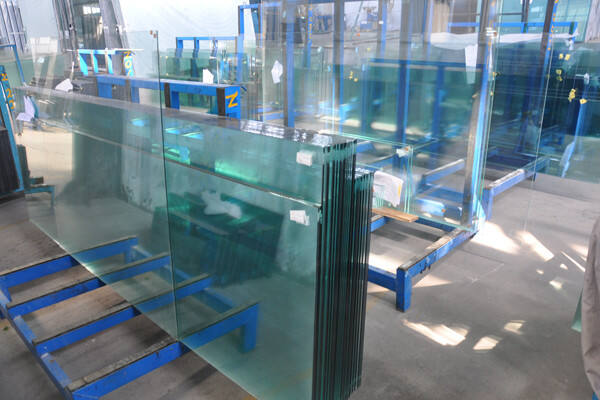
heavy-duty large tempered glass
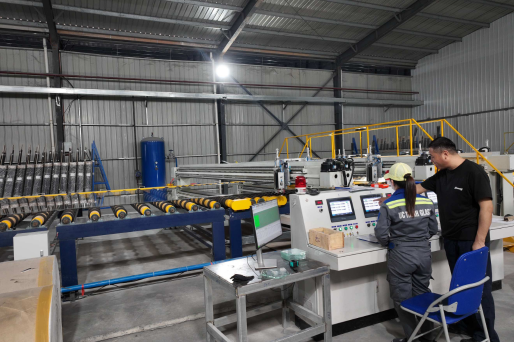
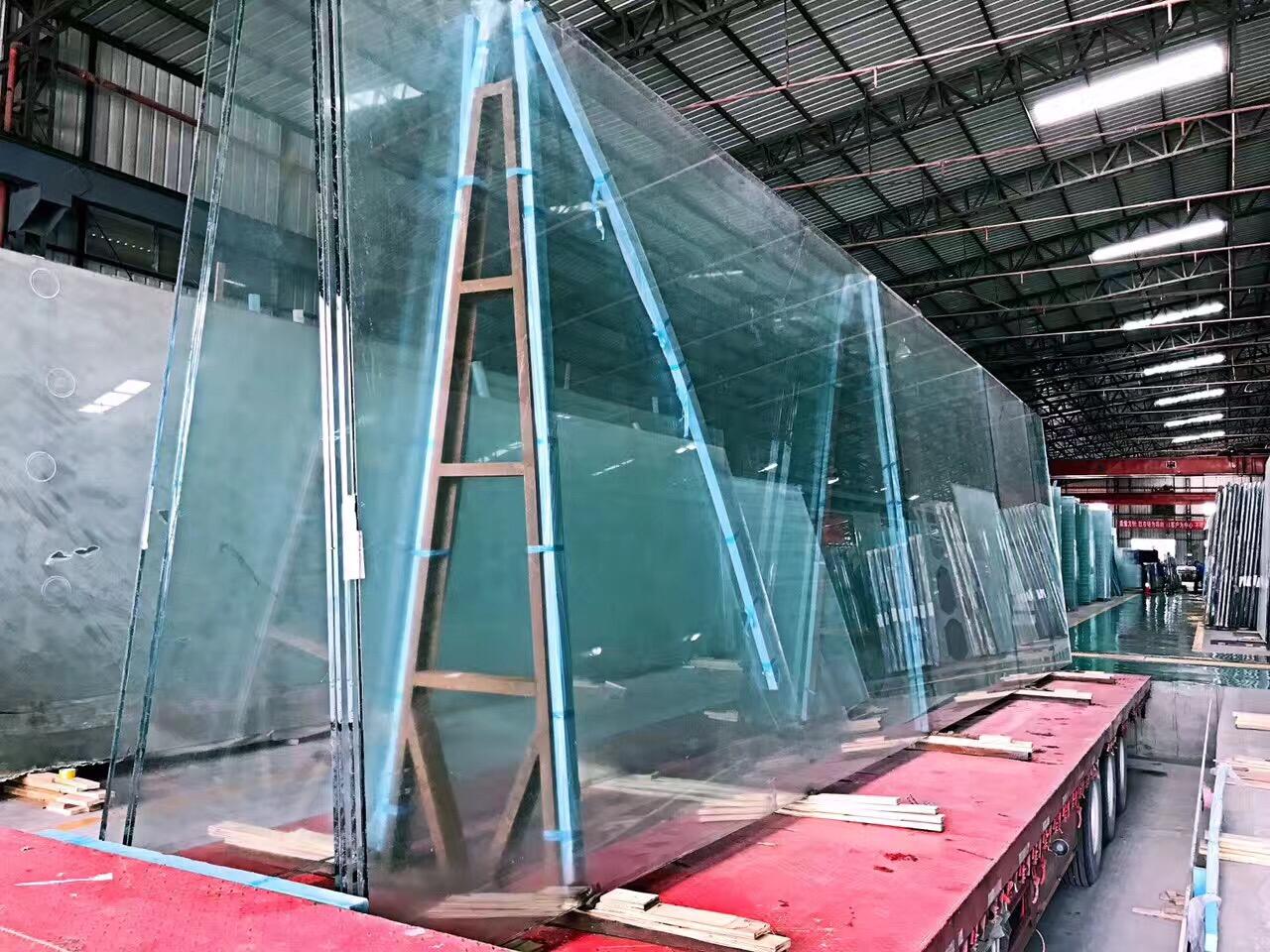
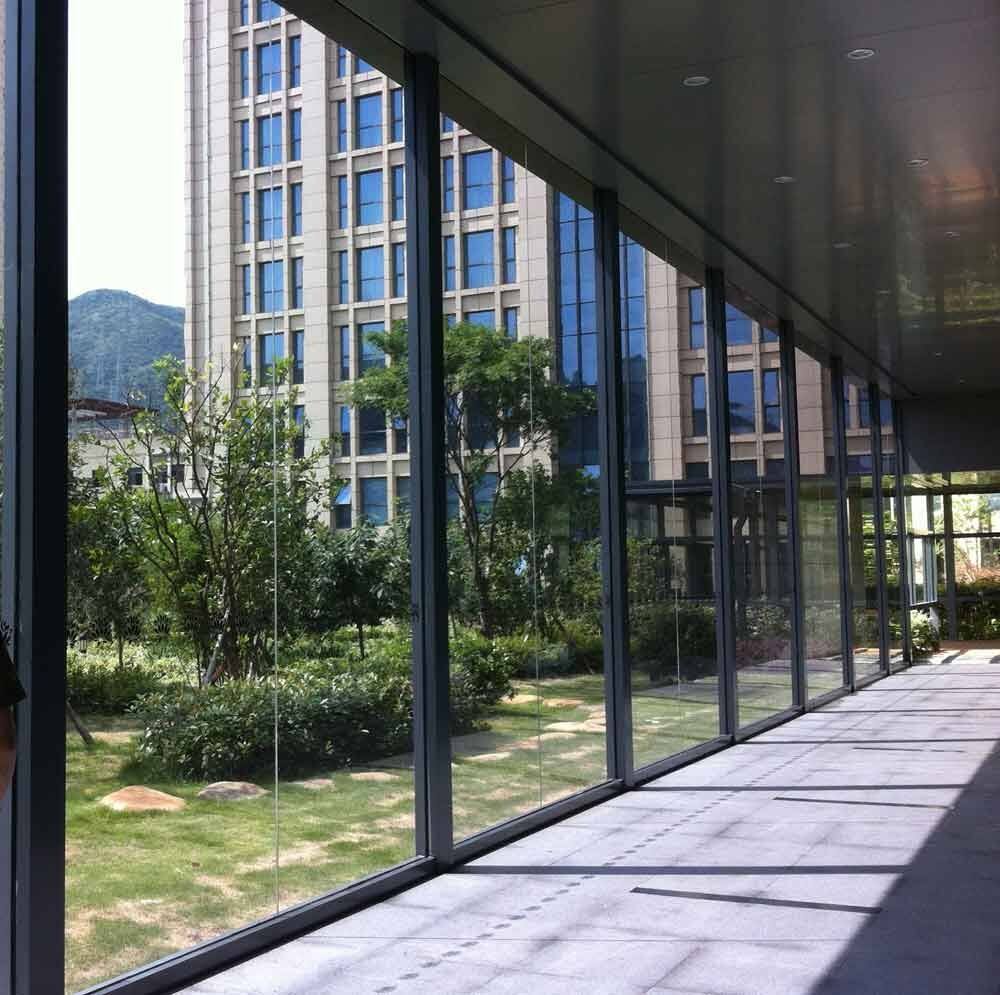
Heavy-duty large tempered glass represents a pinnacle of modern glass manufacturing technology, engineered to withstand extreme conditions while maintaining exceptional optical clarity. This specialized glass undergoes a rigorous thermal tempering process where it is heated to approximately 650 degrees Celsius and then rapidly cooled using controlled air jets. This process creates a material that is four to five times stronger than standard annealed glass of equivalent thickness. The heavy-duty large tempered glass features enhanced structural integrity through controlled surface compression, making it ideal for demanding architectural and industrial applications. Its manufacturing process involves precise temperature control and uniform cooling patterns that eliminate internal stress points, resulting in a product with superior mechanical properties. The glass exhibits remarkable impact resistance, thermal shock resistance, and uniform stress distribution across its entire surface area. When subjected to extreme force, heavy-duty large tempered glass fractures into small, relatively harmless granular pieces rather than dangerous sharp shards, significantly reducing injury risks. This safety characteristic stems from the internal tension created during the tempering process. The material maintains excellent optical properties with minimal distortion, ensuring clear visibility in all applications. Large format capabilities allow for seamless installation in expansive areas without requiring multiple panels or joints. The glass surface undergoes specialized treatment to enhance its resistance to scratching, chemical corrosion, and environmental weathering. Advanced manufacturing techniques ensure consistent thickness variations and flatness tolerances that meet stringent architectural standards. Heavy-duty large tempered glass incorporates thermal expansion coefficients that remain stable across varying temperature ranges, preventing stress-related failures in extreme climate conditions. The material demonstrates exceptional load-bearing capacity, making it suitable for structural glazing applications where the glass itself contributes to the building's structural integrity.

 EN
EN