Premium Flat Float Glass Solutions - Superior Optical Clarity & Durability

Get a Free Quote

Our representative will contact you soon.
Email
Name
Company Name
Message
0/1000

flat float glass

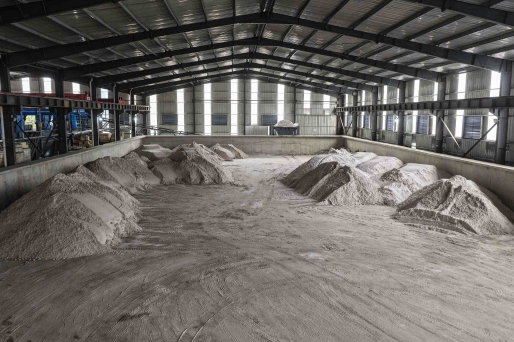
Flat float glass represents a revolutionary advancement in glass manufacturing technology that has transformed the construction and automotive industries worldwide. This sophisticated glass production method involves floating molten glass on a bed of molten tin, creating perfectly flat surfaces with exceptional optical clarity and uniform thickness. The flat float glass process eliminates the need for grinding and polishing, resulting in cost-effective production while maintaining superior quality standards. The technological foundation of flat float glass lies in its continuous manufacturing process, where raw materials including silica sand, soda ash, limestone, and recycled glass cullet are melted at temperatures exceeding 1500 degrees Celsius. The molten glass flows onto a bath of molten tin, where it naturally spreads and forms a ribbon with parallel surfaces and uniform thickness. This controlled environment ensures consistent quality and eliminates surface defects commonly found in traditional glass manufacturing methods. The primary functions of flat float glass extend across multiple applications, serving as the foundation for architectural glazing, automotive windshields, mirrors, and specialized industrial applications. Its exceptional optical properties make it ideal for windows, curtain walls, and display cases where visual clarity is paramount. The manufacturing process incorporates advanced quality control systems that monitor thickness variations, surface quality, and optical distortion to ensure compliance with international standards. Modern flat float glass production facilities utilize computer-controlled systems to maintain precise temperature gradients and atmospheric conditions throughout the manufacturing process. The versatility of flat float glass allows for various secondary processing techniques including tempering, laminating, coating, and insulating glass unit assembly. These value-added processes enhance the performance characteristics of flat float glass, enabling specialized applications in energy-efficient buildings, safety glazing, and decorative architectural elements.
New Product Recommendations

Flat float glass offers numerous compelling advantages that make it the preferred choice for architects, builders, and manufacturers across diverse industries. The superior optical quality achieved through the float process delivers exceptional visual clarity with minimal distortion, ensuring optimal light transmission and creating bright, comfortable interior spaces. This crystal-clear transparency enhances the aesthetic appeal of buildings while maximizing natural daylight penetration, reducing reliance on artificial lighting and contributing to energy savings. The uniformly smooth surface characteristics of flat float glass provide excellent durability and weather resistance, maintaining its appearance and performance over extended periods without degradation. The manufacturing precision inherent in the flat float glass process ensures consistent thickness tolerances and parallel surfaces, which are crucial for proper installation and long-term structural integrity. These dimensional accuracies eliminate the need for extensive on-site adjustments and reduce installation time and costs. The versatile nature of flat float glass allows for seamless integration with modern architectural designs, supporting both traditional and contemporary building styles. Its compatibility with various processing techniques enables customization to meet specific project requirements, from standard clear glass to specialized performance glazing systems. The cost-effectiveness of flat float glass production translates into competitive pricing for end users while maintaining high quality standards. The continuous manufacturing process achieves economies of scale that benefit customers through affordable pricing without compromising performance or reliability. Environmental considerations favor flat float glass due to its recyclability and energy-efficient production methods that minimize waste generation. The ability to incorporate recycled glass content in the manufacturing process supports sustainable building practices and reduces environmental impact. The thermal performance capabilities of flat float glass, particularly when combined with low-emissivity coatings or multiple glazing configurations, contribute significantly to building energy efficiency and occupant comfort. These thermal properties help regulate interior temperatures, reducing heating and cooling costs while maintaining comfortable living and working environments. The safety aspects of flat float glass can be enhanced through tempering or laminating processes, creating products that meet stringent safety standards for residential and commercial applications.

Latest News

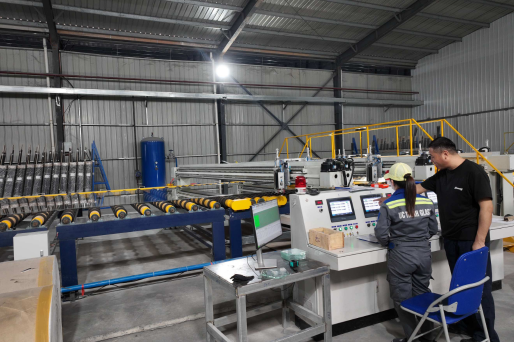
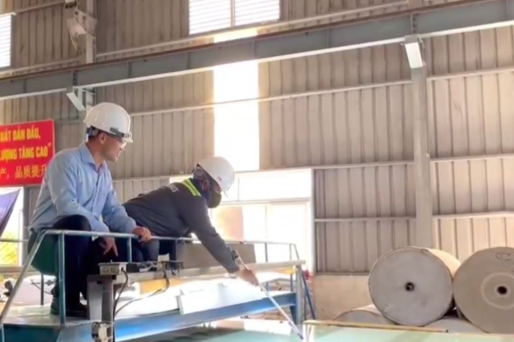
Deepening Roots in the Vietnamese Market, Zero-Distance Quality Control – The Company's Quality Director Works On-Site at the Vietnam Factory

08

Jan

Deepening Roots in the Vietnamese Market, Zero-Distance Quality Control – The Company's Quality Director Works On-Site at the Vietnam Factory

View More
Empowering Product Matrix, Jointly Exploring New Market Opportunities – The Company's Management Team Visits Glass Deep-processing Enterprises to Deepen Industrial Cooperation

08

Jan

Empowering Product Matrix, Jointly Exploring New Market Opportunities – The Company's Management Team Visits Glass Deep-processing Enterprises to Deepen Industrial Cooperation

View More
In-depth Popular Science of Float Glass: Unlocking the Mysteries of the

08

Jan

In-depth Popular Science of Float Glass: Unlocking the Mysteries of the "Transparent Cornerstone" from Raw Materials to Applications

View More

Get a Free Quote

Our representative will contact you soon.
Email
Name
Company Name
Message
0/1000

flat float glass

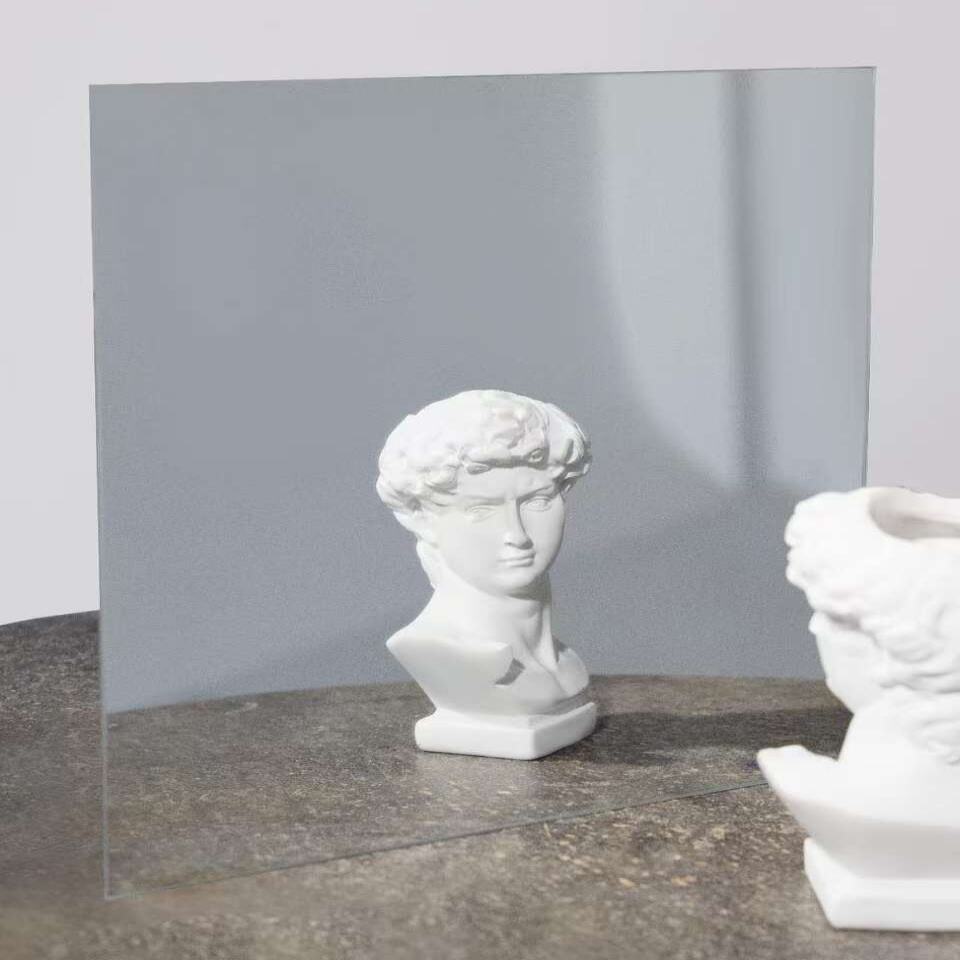
Exceptional Optical Clarity and Light Transmission

Exceptional Optical Clarity and Light Transmission

The outstanding optical clarity of flat float glass stands as one of its most remarkable features, delivering unmatched visual performance that enhances both residential and commercial environments. The sophisticated float manufacturing process creates glass with exceptional light transmission properties, typically achieving over 90% visible light transmission in standard clear configurations. This superior optical performance results from the perfectly smooth surfaces created during the molten tin bath process, which eliminates the microscopic irregularities and surface defects that can cause light scattering and optical distortion in conventional glass products. The uniform thickness achieved through flat float glass production ensures consistent optical properties across entire glass panels, preventing visual distortions that can occur with thickness variations. This consistency becomes particularly important in large architectural glazing applications where multiple glass panels must work together seamlessly to create uninterrupted views and optimal daylighting performance. The excellent optical qualities of flat float glass contribute significantly to interior comfort by maximizing natural light penetration while maintaining visual connection with outdoor environments. This enhanced daylighting capability reduces the need for artificial lighting during daytime hours, resulting in substantial energy savings and creating more pleasant, productive indoor spaces. The crystal-clear transparency of flat float glass also supports architectural design objectives by enabling unobstructed views that can make interior spaces appear larger and more open. In retail applications, the superior optical clarity showcases merchandise effectively while creating inviting storefronts that attract customers. The flat float glass manufacturing process maintains strict quality control over optical properties, ensuring that each production run meets demanding specifications for clarity, color neutrality, and freedom from visual defects. Advanced inspection systems monitor the glass continuously during production to identify and eliminate any optical imperfections before the glass reaches customers.
Superior Surface Quality and Durability

Superior Surface Quality and Durability

The exceptional surface quality achieved through flat float glass manufacturing delivers outstanding durability and long-term performance that exceeds traditional glass production methods. The smooth, defect-free surfaces created during the float process provide excellent resistance to weathering, chemical attack, and mechanical damage that can compromise glass performance over time. The absence of grinding marks, scratches, or other surface imperfections eliminates stress concentration points that could lead to premature failure or reduced service life. This superior surface integrity makes flat float glass particularly suitable for demanding applications where long-term reliability is essential, such as high-rise building facades, automotive windshields, and industrial glazing systems. The chemical composition and surface characteristics of flat float glass provide excellent resistance to environmental factors including UV radiation, temperature cycling, moisture exposure, and atmospheric pollutants that can degrade inferior glass products. The uniform surface texture facilitates effective cleaning and maintenance, allowing flat float glass installations to maintain their appearance and performance with minimal effort and cost. The smooth surfaces also reduce the accumulation of dirt, debris, and biological growth that can impair visibility and aesthetic appeal. In architectural applications, the superior surface quality of flat float glass ensures that building facades maintain their appearance and functionality throughout their design life, preserving property values and reducing long-term maintenance costs. The manufacturing process incorporates advanced quality assurance procedures that monitor surface characteristics continuously, identifying and correcting any deviations from specified standards before the glass leaves the production facility. The excellent surface quality also enables successful application of various coatings and treatments that enhance performance characteristics such as solar control, low-emissivity properties, and self-cleaning functionality. These value-added treatments adhere better and perform more reliably when applied to the superior surfaces provided by flat float glass manufacturing.
Versatile Processing Capabilities and Customization Options

Versatile Processing Capabilities and Customization Options

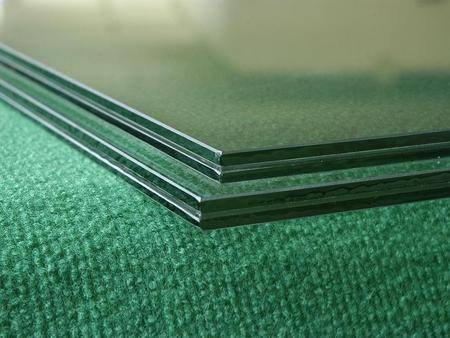
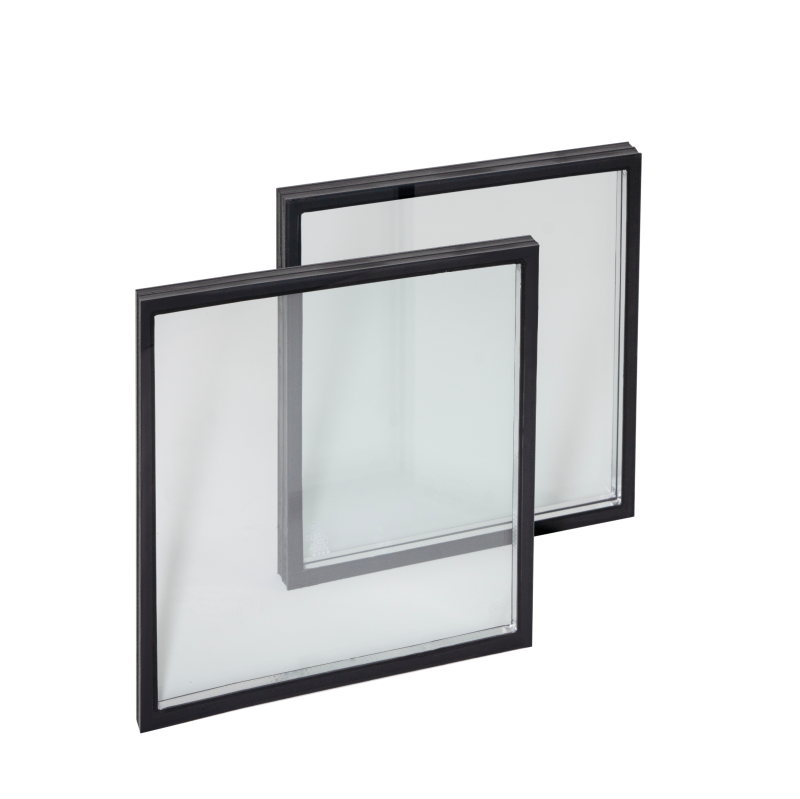
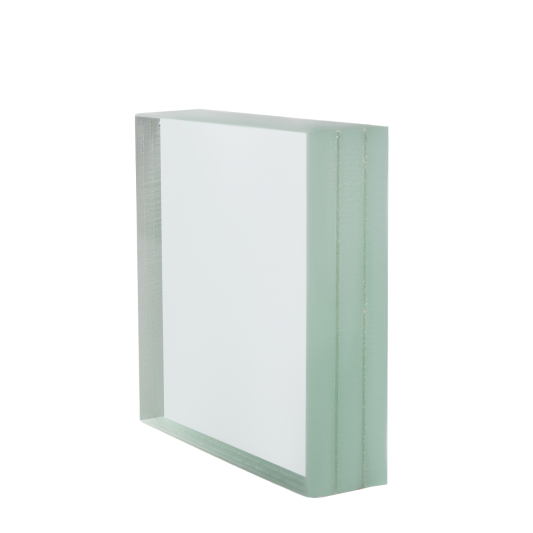
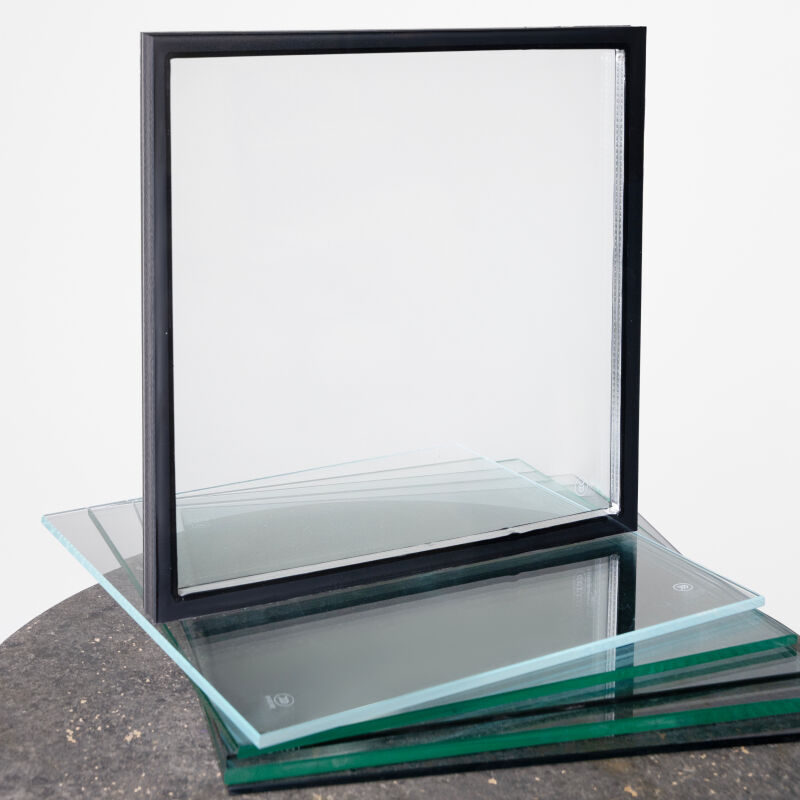
The remarkable versatility of flat float glass enables extensive customization and specialized processing to meet diverse application requirements across multiple industries and project types. The uniform composition and consistent quality of flat float glass make it an ideal substrate for various secondary processing techniques including tempering, heat strengthening, laminating, insulating glass unit fabrication, and specialized coating applications. This processing flexibility allows manufacturers to create tailored solutions that address specific performance requirements such as enhanced safety, thermal insulation, solar control, or decorative effects. The tempering process transforms flat float glass into safety glazing that provides up to five times the strength of standard glass while creating small, relatively harmless fragments when broken. Heat strengthening offers intermediate strength improvements suitable for applications requiring enhanced thermal stress resistance without full safety glazing requirements. Laminated flat float glass configurations provide security, sound control, and safety benefits by incorporating interlayer materials that hold glass fragments together if breakage occurs. The precision and consistency of flat float glass enable reliable processing results with minimal waste and consistent quality across production runs. Advanced coating technologies can be applied to flat float glass to create high-performance products including low-emissivity glazing for energy efficiency, solar control coatings for glare reduction, and specialty coatings for specific applications such as electromagnetic shielding or anti-reflective properties. The ability to combine multiple processing techniques creates virtually unlimited customization possibilities, allowing designers and specifiers to achieve specific performance objectives while maintaining cost-effectiveness. Insulating glass units incorporating flat float glass can achieve exceptional thermal performance through careful selection of gas fills, spacer systems, and coating combinations. The manufacturing precision of flat float glass ensures proper sealing and long-term performance of these complex glazing systems. Digital printing and decorative processing techniques can transform flat float glass into artistic elements that combine functional performance with aesthetic appeal, opening new possibilities for architectural expression and interior design applications.

Get a Free Quote

Our representative will contact you soon.
Email
Name
Company Name
Message
0/1000