Premium Patterned Tempered Glass - Superior Safety, Style & Durability Solutions

Get a Free Quote

Our representative will contact you soon.
Email
Name
Company Name
Message
0/1000

patterned tempered glass

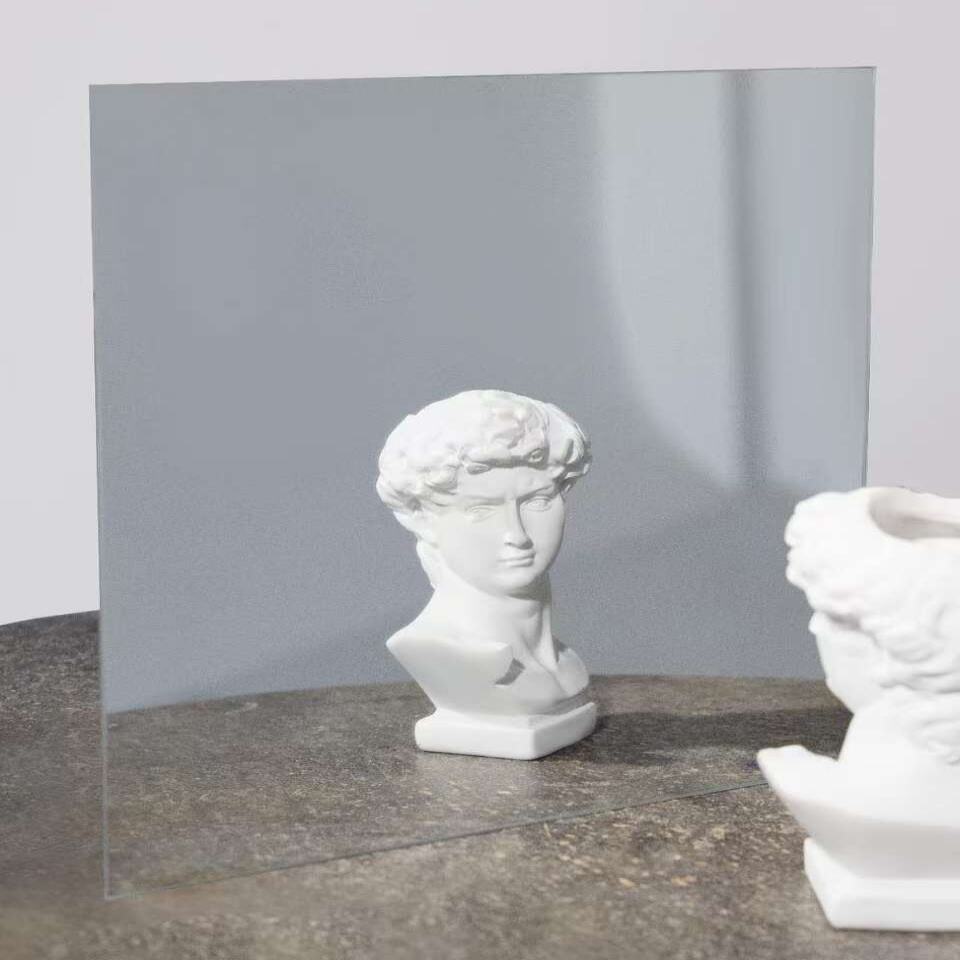
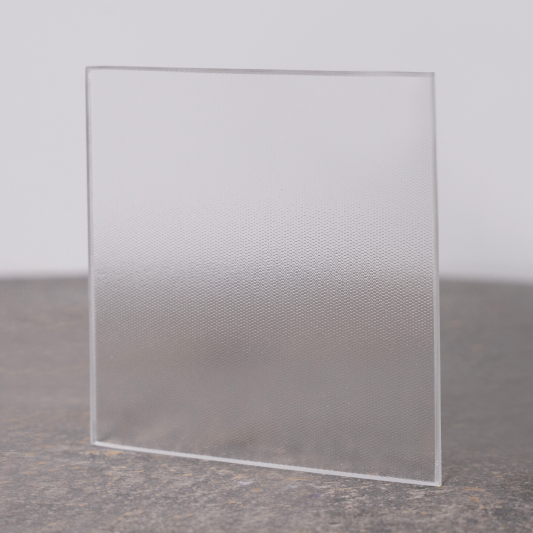
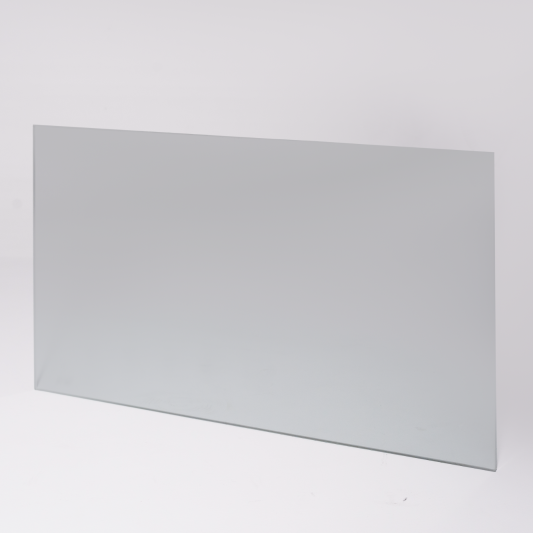
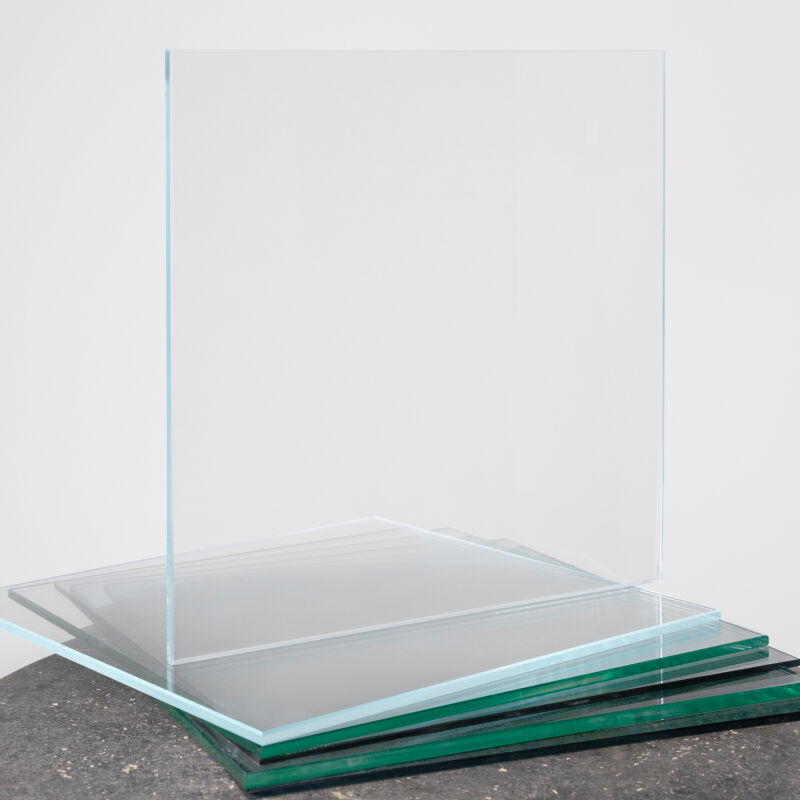
Patterned tempered glass represents a sophisticated fusion of safety engineering and aesthetic design, offering exceptional performance characteristics that make it indispensable across numerous industries. This specialized glass undergoes a rigorous thermal treatment process where standard glass is heated to approximately 650 degrees Celsius and then rapidly cooled using controlled air jets, creating internal stress patterns that dramatically enhance its strength and safety properties. The patterning process involves creating textured surfaces through various manufacturing techniques including rolling, pressing, or acid etching, resulting in decorative surface designs that serve both functional and aesthetic purposes. The main functions of patterned tempered glass include structural reinforcement, privacy enhancement, light diffusion, and decorative applications. Its technological features encompass superior impact resistance that is typically four to five times stronger than regular glass, thermal stability that withstands temperature variations up to 200 degrees Celsius, and unique breakage characteristics that produce small, relatively harmless granular pieces rather than dangerous sharp shards. The manufacturing process incorporates precise quality control measures ensuring consistent pattern depth, uniform surface texture, and optimal stress distribution throughout the glass structure. Applications for patterned tempered glass span across architectural glazing, automotive manufacturing, electronic device screens, furniture design, and interior decoration projects. In architectural applications, it serves as partition walls, shower enclosures, decorative panels, and exterior building facades where both safety and visual appeal are paramount. The automotive industry utilizes patterned tempered glass for side windows, rear windshields, and sunroof installations where passenger safety and design aesthetics converge. Electronic manufacturers incorporate this material into display screens, touch panels, and protective covers for various devices, leveraging its durability and optical properties to enhance user experience while maintaining product longevity.

New Products

Patterned tempered glass delivers remarkable advantages that position it as the preferred choice for demanding applications where safety, durability, and visual appeal intersect. The most significant benefit lies in its exceptional safety characteristics, as this specialized glass breaks into small, cube-like fragments that minimize injury risk compared to regular glass that creates dangerous jagged pieces. This safety feature makes patterned tempered glass ideal for high-traffic areas, children's environments, and public spaces where accident prevention is crucial. The enhanced strength properties provide outstanding resistance to impact, wind pressure, and thermal stress, making it capable of withstanding forces that would easily shatter conventional glass materials. These strength characteristics translate into reduced replacement costs and lower maintenance requirements over the product's extended lifespan. The patterning aspect offers valuable privacy benefits without completely blocking light transmission, creating spaces that feel open and bright while maintaining visual separation. This quality proves particularly beneficial in office environments, residential bathrooms, and commercial spaces where privacy and natural illumination must coexist harmoniously. Energy efficiency represents another compelling advantage, as the textured surface patterns can help diffuse harsh sunlight, reducing glare and heat buildup while maintaining optimal interior lighting conditions. This characteristic contributes to lower cooling costs and improved occupant comfort in both residential and commercial buildings. The design flexibility inherent in patterned tempered glass allows architects and designers to achieve unique aesthetic goals while meeting stringent safety codes and building regulations. Various pattern options including geometric designs, organic textures, and custom motifs enable creative expression without compromising structural integrity or safety standards. Installation and handling advantages include consistent quality control, predictable performance characteristics, and compatibility with standard glazing systems and hardware. The manufacturing process ensures uniform thickness, precise dimensions, and reliable performance metrics that simplify specification and installation procedures. Maintenance benefits include easy cleaning, stain resistance, and long-term color stability that preserve the original appearance throughout the product's service life. The chemical stability of patterned tempered glass resists environmental factors including humidity, temperature fluctuations, and exposure to cleaning chemicals commonly used in commercial and residential applications.

Latest News

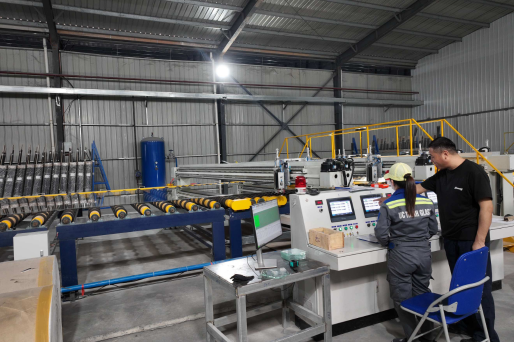
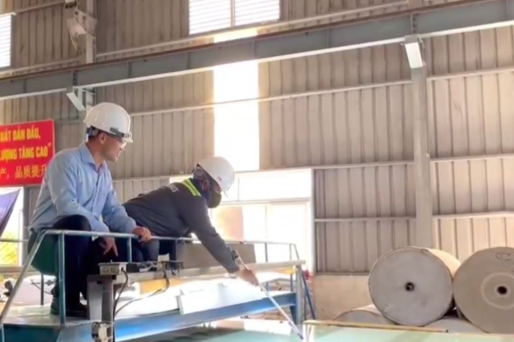
Deepening Roots in the Vietnamese Market, Zero-Distance Quality Control – The Company's Quality Director Works On-Site at the Vietnam Factory

08

Jan

Deepening Roots in the Vietnamese Market, Zero-Distance Quality Control – The Company's Quality Director Works On-Site at the Vietnam Factory

View More
Empowering Product Matrix, Jointly Exploring New Market Opportunities – The Company's Management Team Visits Glass Deep-processing Enterprises to Deepen Industrial Cooperation

08

Jan

Empowering Product Matrix, Jointly Exploring New Market Opportunities – The Company's Management Team Visits Glass Deep-processing Enterprises to Deepen Industrial Cooperation

View More
In-depth Popular Science of Float Glass: Unlocking the Mysteries of the

08

Jan

In-depth Popular Science of Float Glass: Unlocking the Mysteries of the "Transparent Cornerstone" from Raw Materials to Applications

View More

Get a Free Quote

Our representative will contact you soon.
Email
Name
Company Name
Message
0/1000

patterned tempered glass

Superior Safety Performance Through Advanced Thermal Treatment

Superior Safety Performance Through Advanced Thermal Treatment

The safety performance of patterned tempered glass sets the gold standard for protective glazing applications, achieved through an advanced thermal tempering process that fundamentally alters the glass structure at the molecular level. During manufacturing, the glass undergoes precise heating to temperatures reaching 650 degrees Celsius, followed by rapid cooling using carefully controlled air streams that create compressive stress on the surface while maintaining tensile stress in the core. This thermal treatment process increases the glass strength by four to five times compared to standard annealed glass, creating a material that can withstand significant impact forces, pressure differentials, and thermal fluctuations without failure. The unique breakage pattern represents perhaps the most critical safety advantage, as patterned tempered glass fragments into thousands of small, relatively blunt pieces rather than creating large, sharp shards that pose serious injury risks. This characteristic makes it essential for applications in schools, hospitals, public buildings, and residential areas where occupant safety is paramount. The enhanced impact resistance means the glass can absorb and distribute energy from collisions, whether from accidental human contact, flying debris, or seismic activity, providing reliable protection in both everyday use and emergency situations. Thermal stability ensures the glass maintains its structural integrity across temperature ranges from minus 40 to plus 200 degrees Celsius, preventing thermal shock failures that commonly affect regular glass installations. The safety benefits extend beyond basic impact protection to include resistance to spontaneous breakage, a phenomenon that can occasionally affect lower-quality glass products due to internal stress concentrations or manufacturing defects. Quality control measures during the tempering process include stress analysis, dimensional verification, and impact testing that ensure each piece meets stringent safety standards before shipment. This comprehensive approach to safety makes patterned tempered glass the preferred choice for safety-critical applications where human protection and property security intersect, providing peace of mind for architects, builders, and end users who prioritize occupant safety in their design decisions.
Versatile Pattern Options for Enhanced Privacy and Aesthetics

Versatile Pattern Options for Enhanced Privacy and Aesthetics

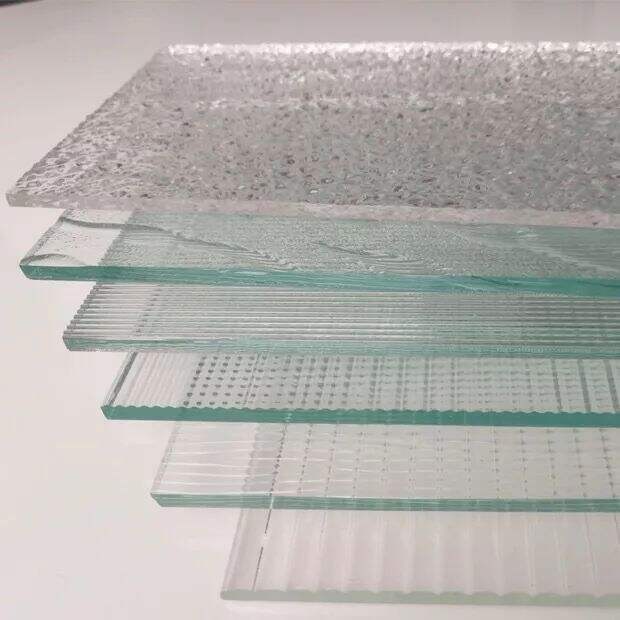
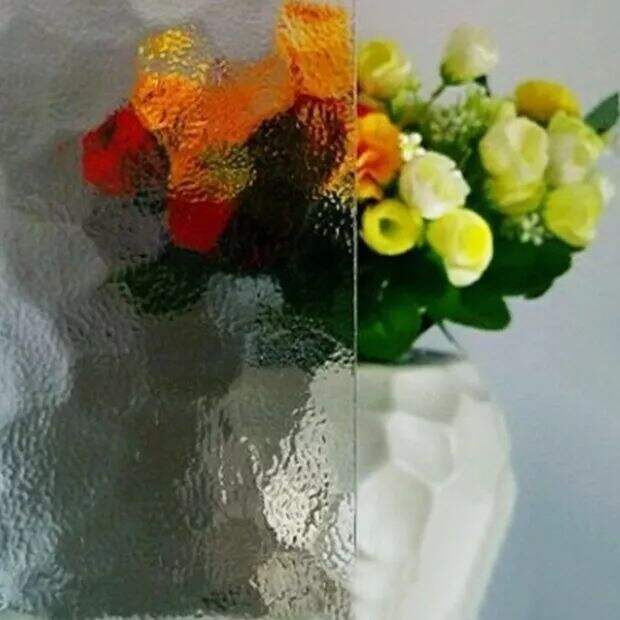
The pattern versatility of patterned tempered glass opens unlimited design possibilities while delivering practical privacy solutions that transform spaces without sacrificing natural light transmission or visual connectivity. Manufacturing techniques including acid etching, sandblasting, screen printing, and mechanical texturing create diverse surface patterns ranging from subtle geometric designs to bold artistic expressions that complement any architectural style or interior design concept. These patterns serve multiple functional purposes beyond mere decoration, with specific textures designed to control light diffusion, reduce glare, enhance privacy levels, and create visual interest while maintaining structural performance characteristics. Privacy benefits vary according to pattern density and design complexity, allowing designers to specify exactly the right level of visual separation for each application, from slight obscuration that maintains general visibility to complete opacity that ensures total privacy. The light diffusion properties of various patterns help eliminate harsh shadows and bright spots while distributing natural illumination evenly throughout interior spaces, creating comfortable environments that reduce eye strain and enhance occupant comfort. Pattern depth and surface texture can be customized to achieve specific optical effects, acoustic properties, and tactile characteristics that enhance the user experience in residential, commercial, and institutional settings. Aesthetic flexibility includes traditional patterns such as bamboo, rain, diamond, and ribbed textures alongside contemporary geometric designs, organic motifs, and custom artwork that can be precisely reproduced on the glass surface. The ability to combine different patterns within a single installation creates dynamic visual effects that change appearance throughout the day as lighting conditions vary, adding an element of kinetic beauty to architectural spaces. Color integration options allow patterns to incorporate tinted glass substrates or applied colorants that enhance the decorative impact while maintaining the safety and performance characteristics inherent in the tempered glass structure. Maintenance advantages include the durability of permanently etched or mechanically textured patterns that will not fade, peel, or deteriorate over time, ensuring long-term aesthetic value and consistent performance throughout the product's extended service life.
Outstanding Durability and Low Maintenance Requirements

Outstanding Durability and Low Maintenance Requirements

The exceptional durability characteristics of patterned tempered glass deliver outstanding long-term value through superior resistance to environmental factors, mechanical stress, and normal wear conditions that typically degrade conventional glazing materials over time. The tempering process creates a glass structure that maintains its physical properties and appearance for decades under normal service conditions, making it an excellent investment for both residential and commercial applications where lifecycle costs are important considerations. Chemical resistance properties protect against damage from cleaning agents, atmospheric pollutants, acid rain, and other environmental contaminants that can etch, stain, or deteriorate lower-quality glass products, ensuring the original clarity and pattern definition remain intact throughout the product's service life. Scratch resistance resulting from the hardened surface layer helps maintain optical clarity and pattern definition even in high-traffic applications where contact with cleaning equipment, window treatments, or accidental abrasion might occur regularly. The non-porous surface characteristics prevent dirt, grime, and biological contaminants from penetrating the glass structure, making cleaning and maintenance procedures simple and effective using standard cleaning products and techniques. Thermal cycling resistance ensures dimensional stability and prevents stress-related failures in applications subject to regular temperature variations, such as exterior installations, automotive applications, and environments with significant heating and cooling cycles. Weather resistance includes protection against ultraviolet radiation that can degrade organic materials, freeze-thaw cycling that can cause expansion-related damage, and wind-driven debris that might impact the glass surface during severe weather events. The stable optical properties mean the glass will not yellow, haze, or lose transparency over time, maintaining its original appearance and light transmission characteristics indefinitely under normal environmental exposure conditions. Maintenance cost advantages become apparent over the product's extended service life, as the initial investment in patterned tempered glass typically results in lower total ownership costs compared to alternative materials that require frequent replacement, refinishing, or repair. Quality manufacturing standards ensure consistent performance characteristics across production batches, providing predictable service life expectations and reliable performance metrics that facilitate accurate lifecycle cost analysis for architects, builders, and facility managers evaluating long-term glazing solutions.
Get a Free Quote

Our representative will contact you soon.
Email
Name
Company Name
Message
0/1000