pattern glass types
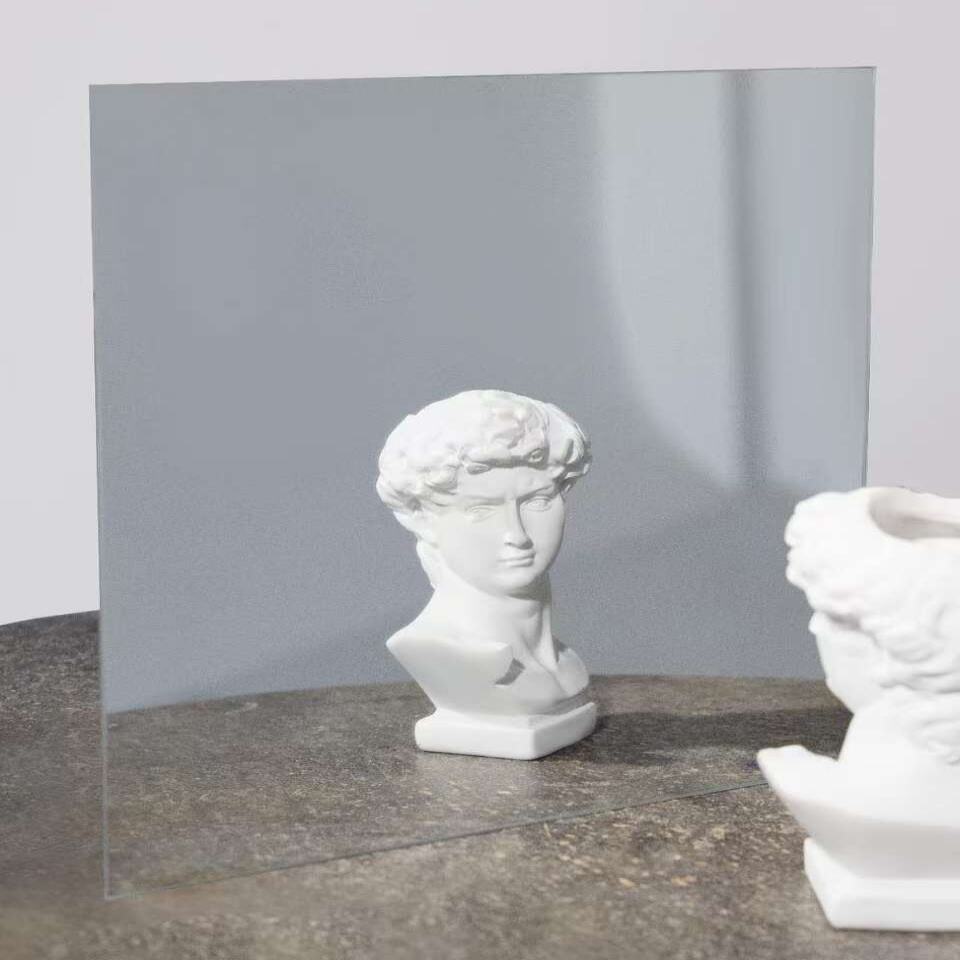
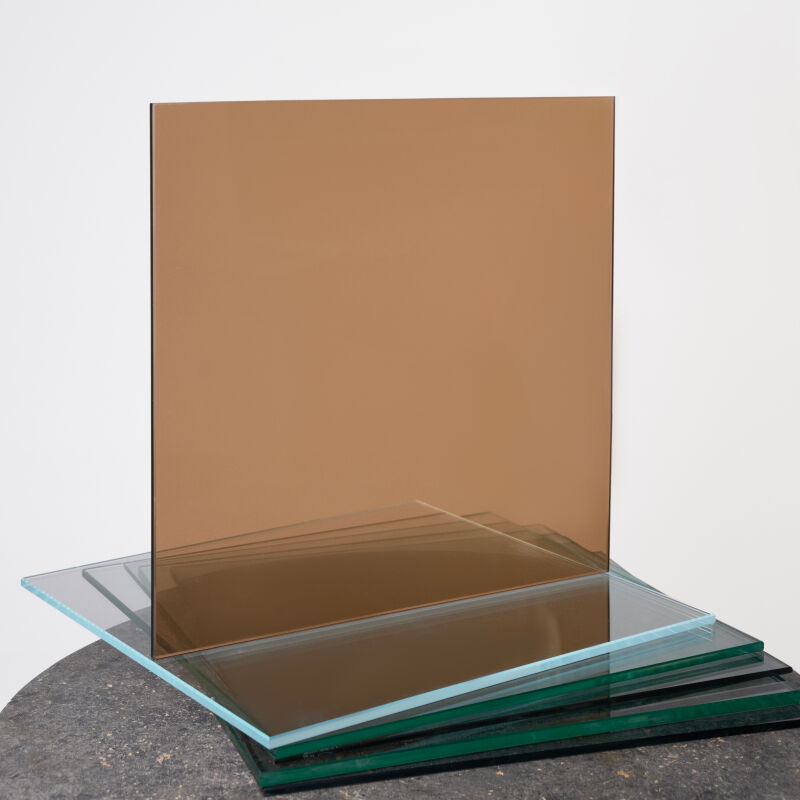
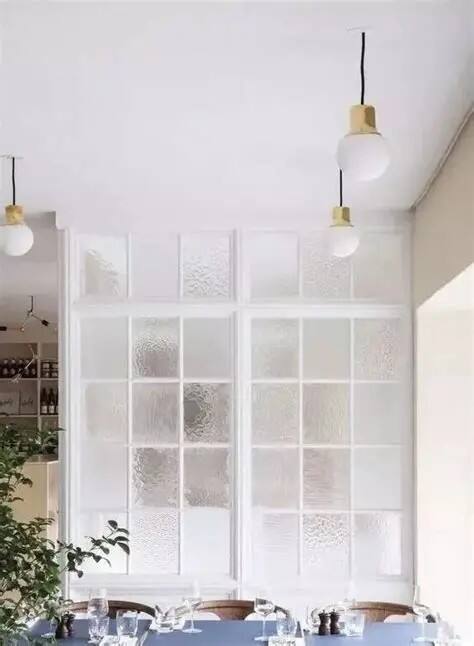
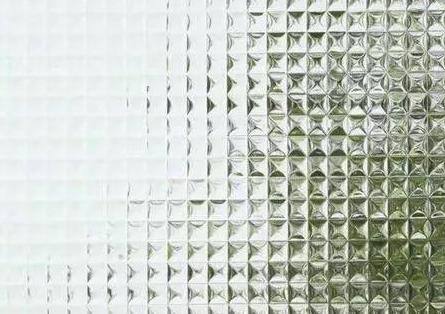
Pattern glass types represent a diverse category of architectural and decorative glass solutions that feature textured surfaces designed to provide privacy, light diffusion, and aesthetic appeal. These specialized glass products are manufactured through various processes that create distinctive surface patterns, ranging from subtle textures to bold geometric designs. The primary function of pattern glass types is to obscure direct vision while maintaining natural light transmission, making them ideal for applications where privacy is essential without sacrificing illumination. The technological features of pattern glass types involve sophisticated manufacturing techniques including rolling, pressing, and etching processes. During production, molten glass is passed through patterned rollers or pressed into molds that imprint specific designs onto the surface. This creates permanent textures that cannot be removed or damaged through normal use. The patterns can be applied to one or both sides of the glass, depending on the desired effect and application requirements. Common pattern glass types include ribbed, frosted, cathedral, bamboo, diamond, and rain designs, each offering unique visual characteristics and light diffusion properties. Applications for pattern glass types span residential, commercial, and industrial sectors. In homes, these products are frequently used for bathroom windows, shower enclosures, front doors, and room dividers where privacy is paramount. Commercial applications include office partitions, retail storefronts, restaurant screens, and hotel lobbies. Industrial uses encompass manufacturing facilities, laboratories, and healthcare environments where controlled visibility and hygiene considerations are important. Pattern glass types also serve functional purposes beyond privacy, including reducing glare, creating visual interest, and enhancing interior design schemes. The light diffusion properties of these glasses help distribute natural illumination evenly throughout spaces, eliminating harsh shadows and creating comfortable environments. Additionally, certain pattern glass types can contribute to energy efficiency by reducing heat gain while maintaining visibility and natural lighting benefits.


 EN
EN