Versatile Design Integration and Architectural Flexibility
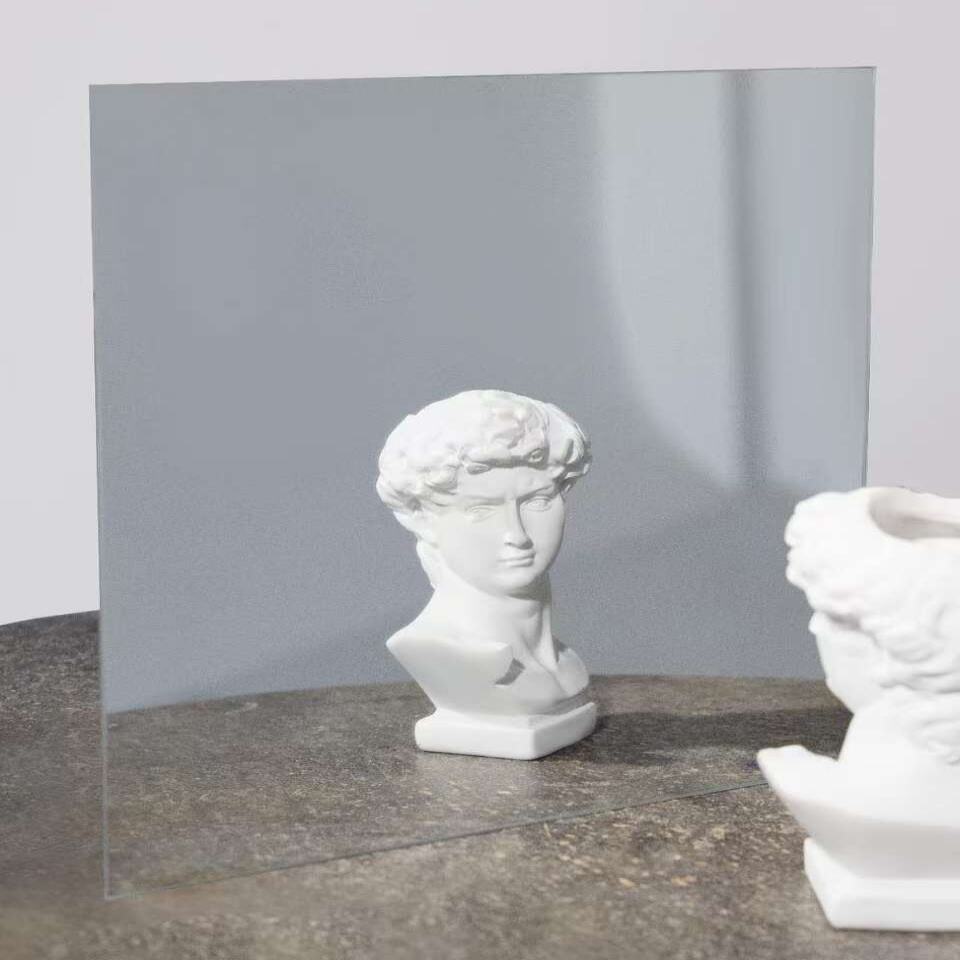
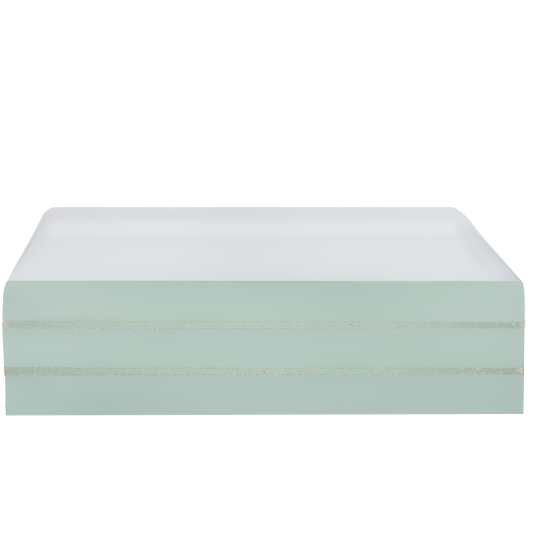
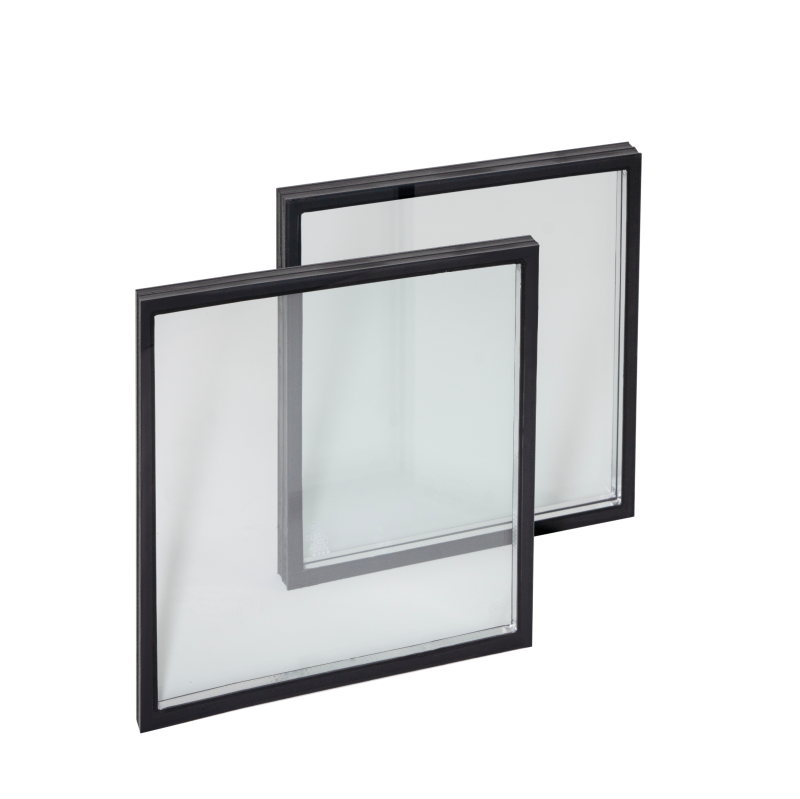
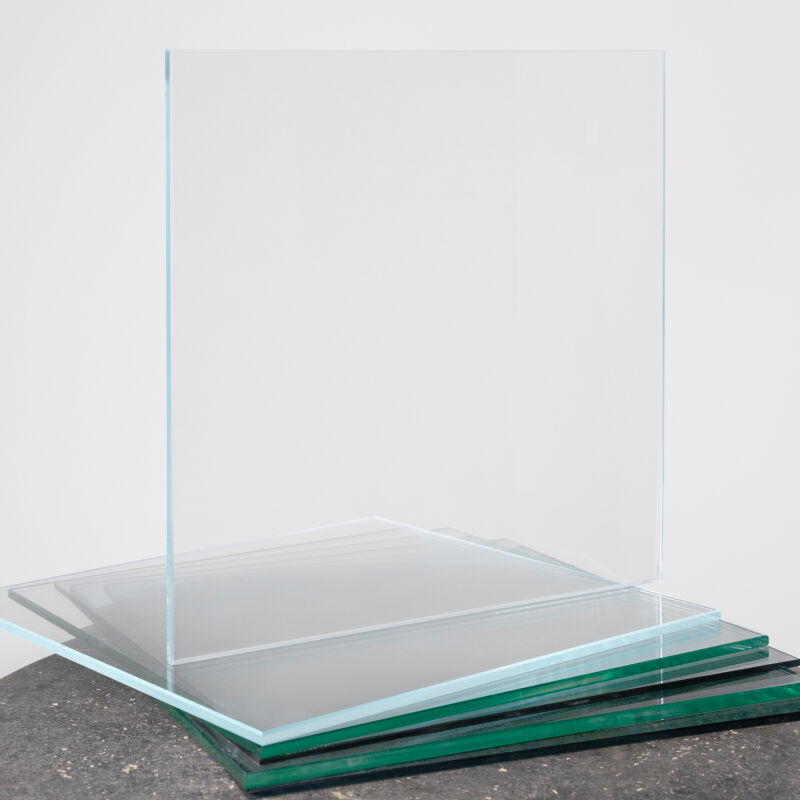
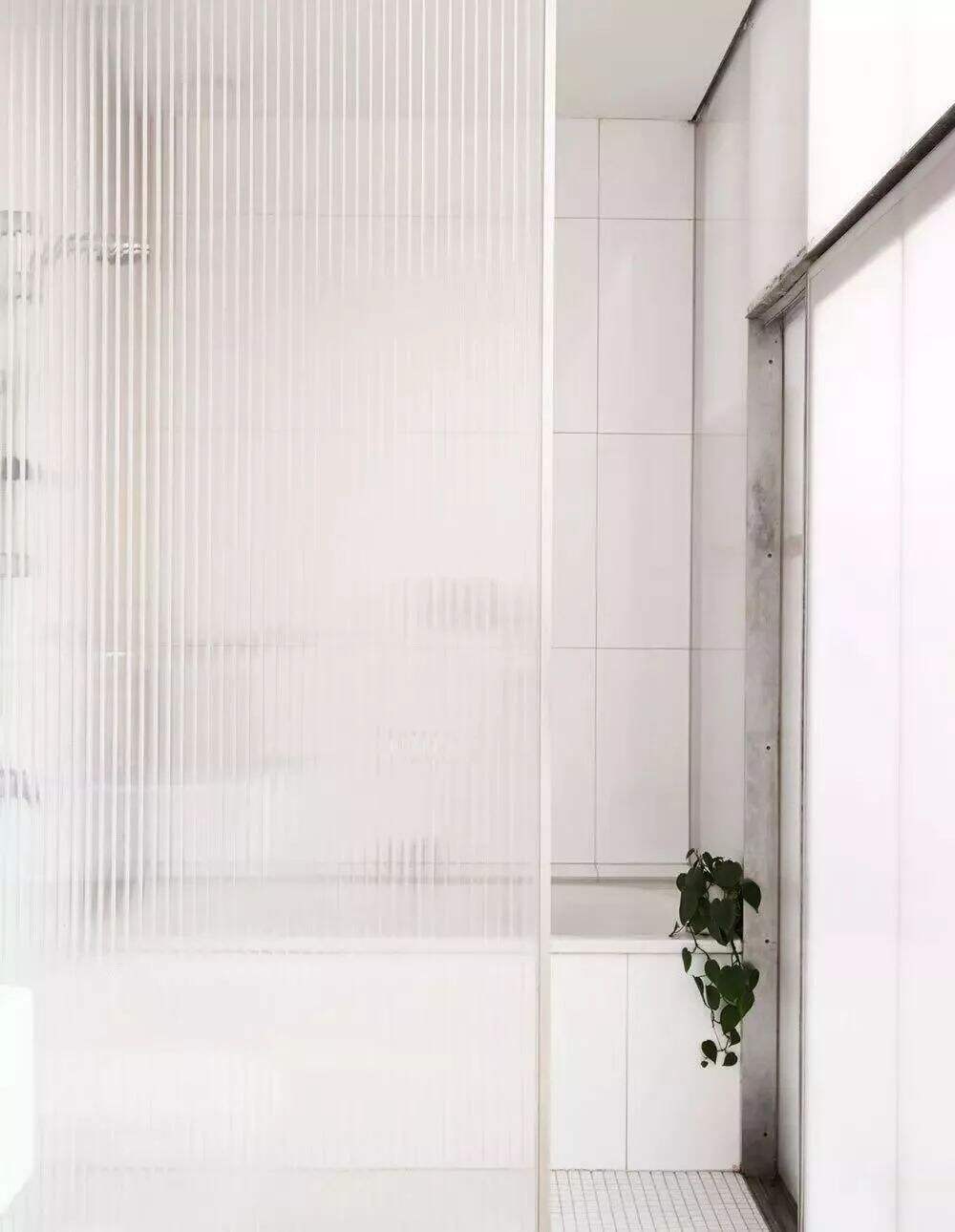
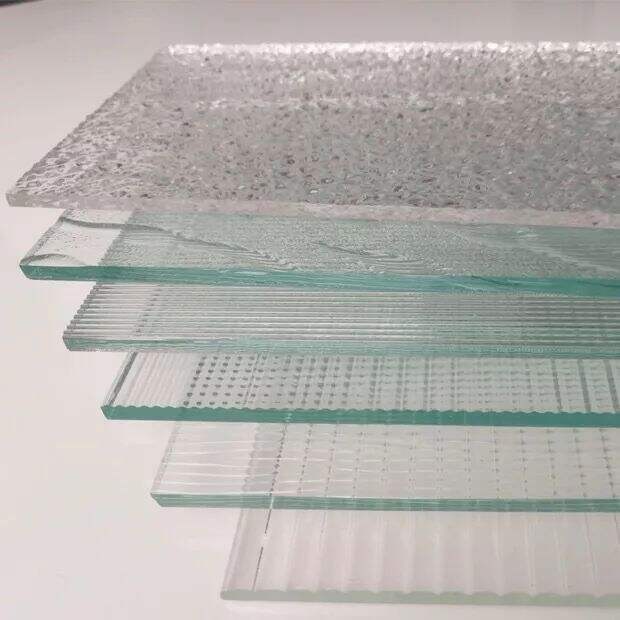
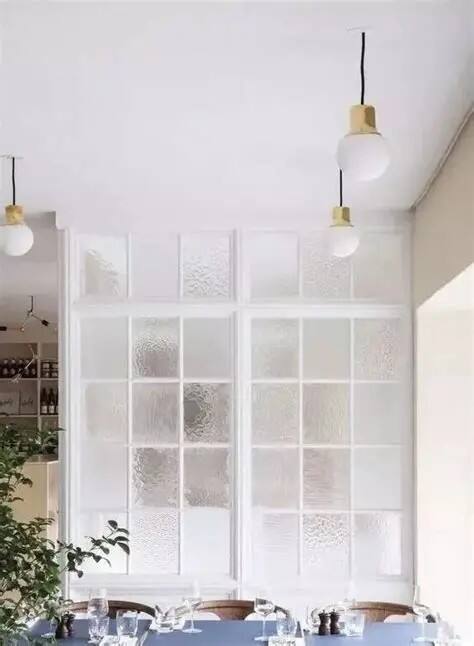
The exceptional versatility and architectural flexibility of textured glass patterns enable seamless integration into virtually any design concept while providing solutions for complex spatial challenges that traditional glazing materials cannot address effectively. This adaptability stems from the extensive range of available patterns, textures, and customization options that allow architects and designers to specify products that perfectly complement specific project requirements and aesthetic goals. The design integration capabilities of textured glass patterns extend far beyond simple decorative applications, encompassing functional solutions for space division, light control, privacy management, and visual enhancement across residential, commercial, and institutional settings. The manufacturing flexibility enables the production of custom patterns and textures tailored to unique project specifications, allowing design professionals to create distinctive architectural features that reflect brand identity, cultural themes, or artistic concepts. This customization capability includes the ability to incorporate logos, geometric patterns, organic designs, and abstract motifs directly into the glass surface, creating branded environments and memorable visual experiences. The architectural flexibility of textured glass patterns manifests in their compatibility with diverse glazing systems, frame materials, and installation methods, making them suitable for both new construction and retrofit applications. Standard industry dimensions and thicknesses ensure compatibility with conventional glazing hardware and installation procedures, minimizing complexity and additional costs during construction or renovation projects. The structural properties of textured glass patterns accommodate various mounting orientations and support conditions, enabling creative applications such as curved installations, overhead glazing, and specialty architectural features that push the boundaries of traditional glass applications. The environmental adaptability of these products ensures reliable performance across different climate conditions and exposure scenarios, from interior applications with controlled environments to exterior installations subject to weather extremes, temperature cycling, and UV exposure. The versatility extends to functional integration with building systems, including compatibility with insulated glazing units for enhanced thermal performance, integration with smart glass technologies for dynamic opacity control, and combination with safety glazing requirements for applications where human safety is paramount. This comprehensive versatility makes textured glass patterns the preferred choice for design professionals who need reliable, attractive, and functional solutions that can adapt to evolving project requirements while delivering consistent performance and aesthetic appeal.

 EN
EN