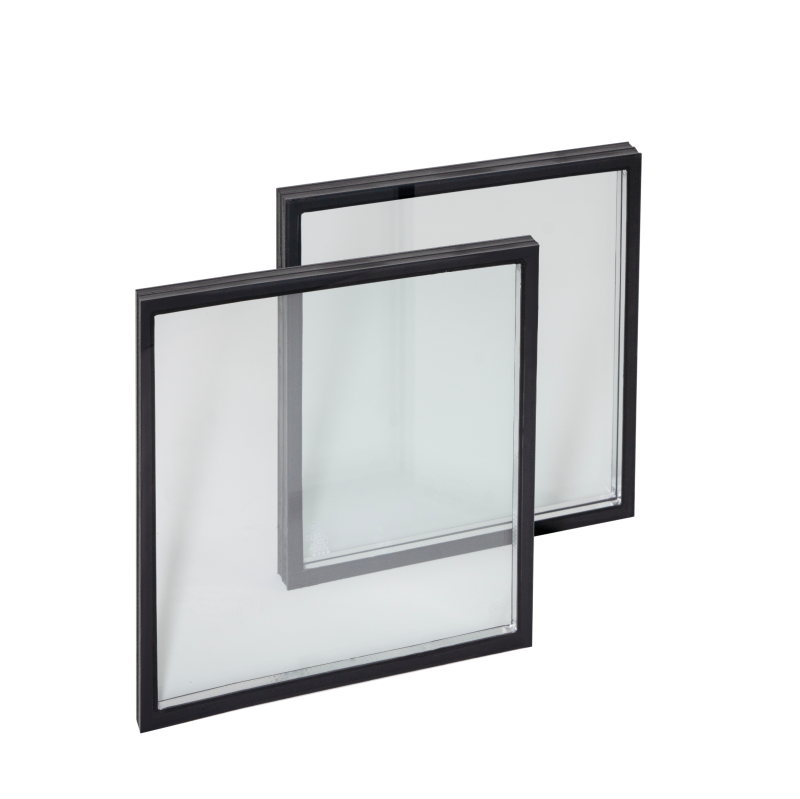
Exceptional Durability and Weather Resistance
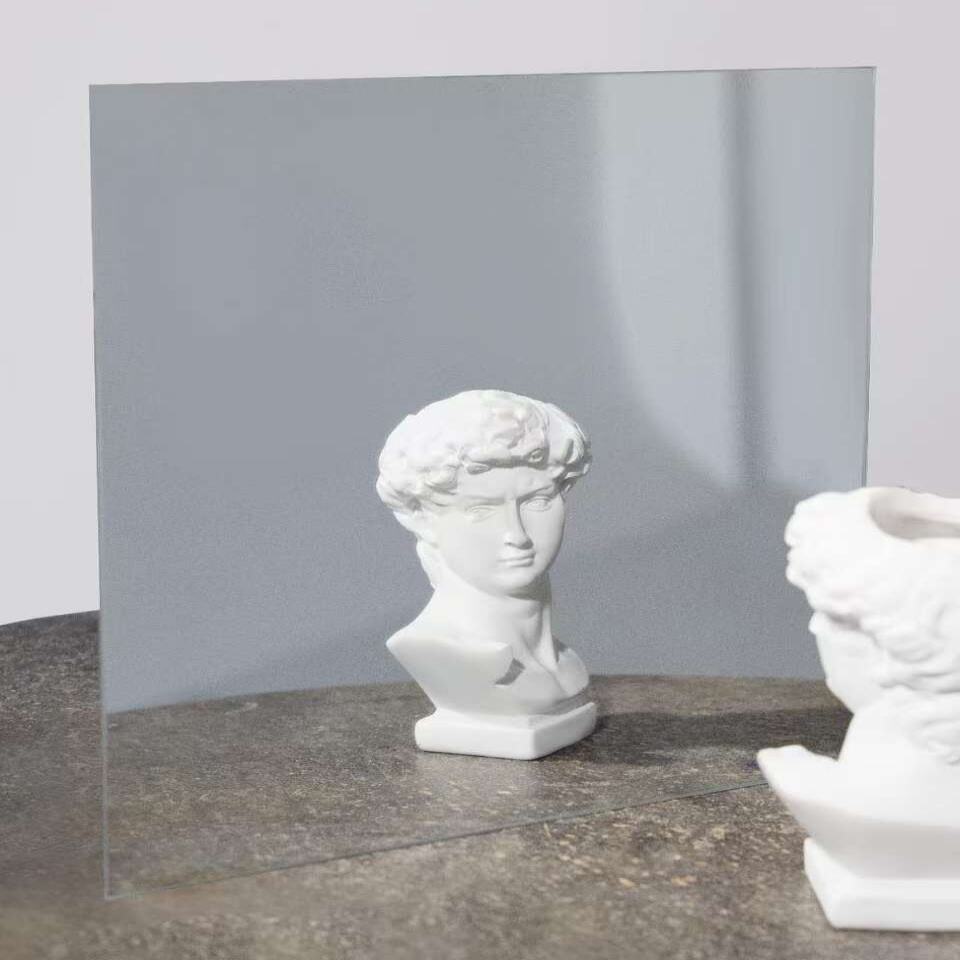
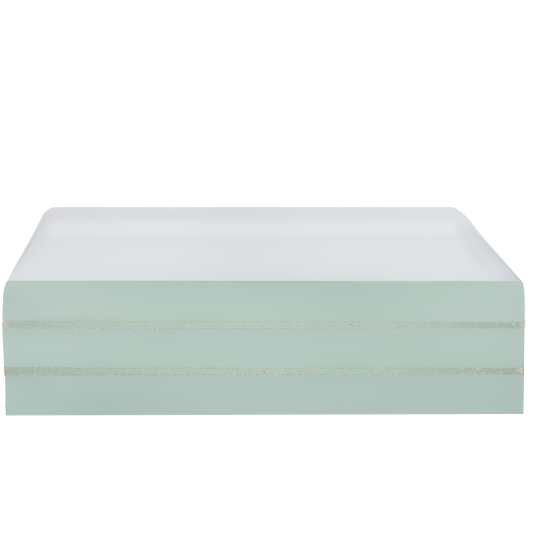
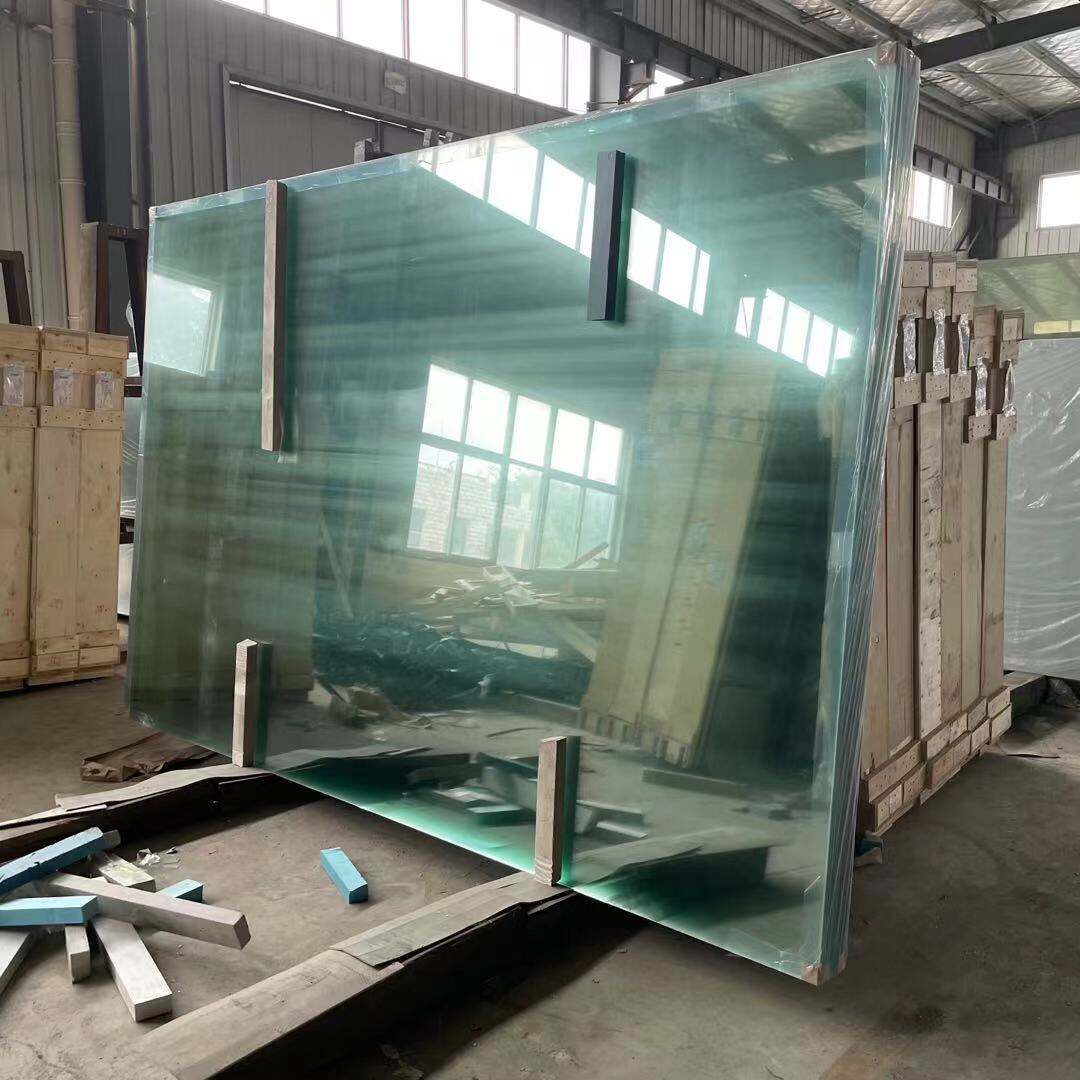
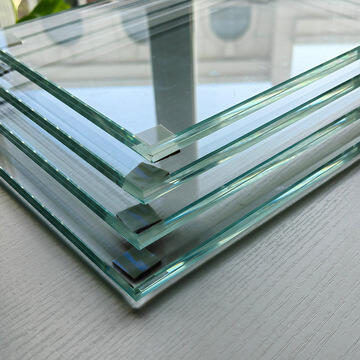
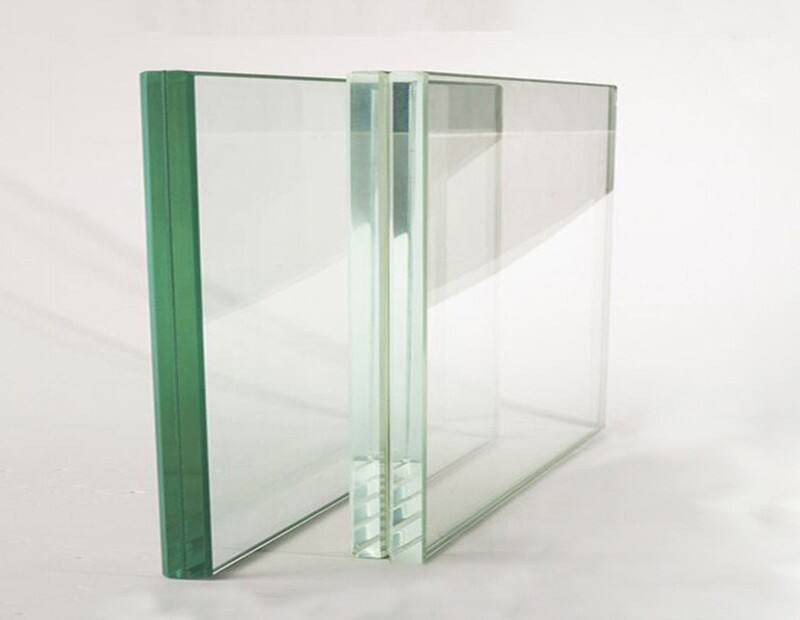
The laminated double tempered glass sheets demonstrate remarkable durability and weather resistance characteristics that ensure reliable performance across diverse environmental conditions and extended service periods. The tempering process fundamentally alters the glass structure, creating compressive stresses on the surface while maintaining tensile stresses in the core, resulting in glass that can withstand thermal shock, wind loads, and impact forces far exceeding the capabilities of conventional annealed glass products. This enhanced durability translates into reduced maintenance requirements, lower replacement costs, and improved long-term value for building owners and facility managers. The weather resistance properties stem from both the inherent strength of tempered glass and the protective characteristics of the lamination system, which shields the glass edges from moisture infiltration and environmental degradation that commonly affect standard glazing installations. Extreme temperature fluctuations, which cause expansion and contraction cycles that stress conventional glass systems, pose minimal threats to laminated double tempered glass sheets due to their ability to accommodate thermal movement without developing stress fractures or failure points. The UV resistance provided by quality interlayer materials prevents degradation of both the lamination bond and any interior materials exposed to sunlight, maintaining optical clarity and structural integrity throughout the glass service life. Severe weather events, including hailstorms, high winds, and flying debris, present challenges that these glass assemblies handle with exceptional effectiveness, often remaining intact when other glazing systems fail completely. The resistance to chemical exposure, including acid rain, salt air, and industrial pollutants, ensures that the laminated double tempered glass sheets maintain their appearance and performance characteristics even in harsh environmental conditions. Coastal installations particularly benefit from the corrosion resistance properties, as the glass systems withstand salt spray and humidity levels that typically cause rapid deterioration in lesser materials. The dimensional stability of these glass assemblies prevents warping, bowing, or other distortions that can compromise seal integrity and overall system performance, ensuring consistent operation throughout the design life. Quality manufacturing processes and material selection create glass products capable of providing decades of reliable service with minimal maintenance intervention, making them ideal choices for critical applications where replacement would be costly or disruptive to building operations.

 EN
EN