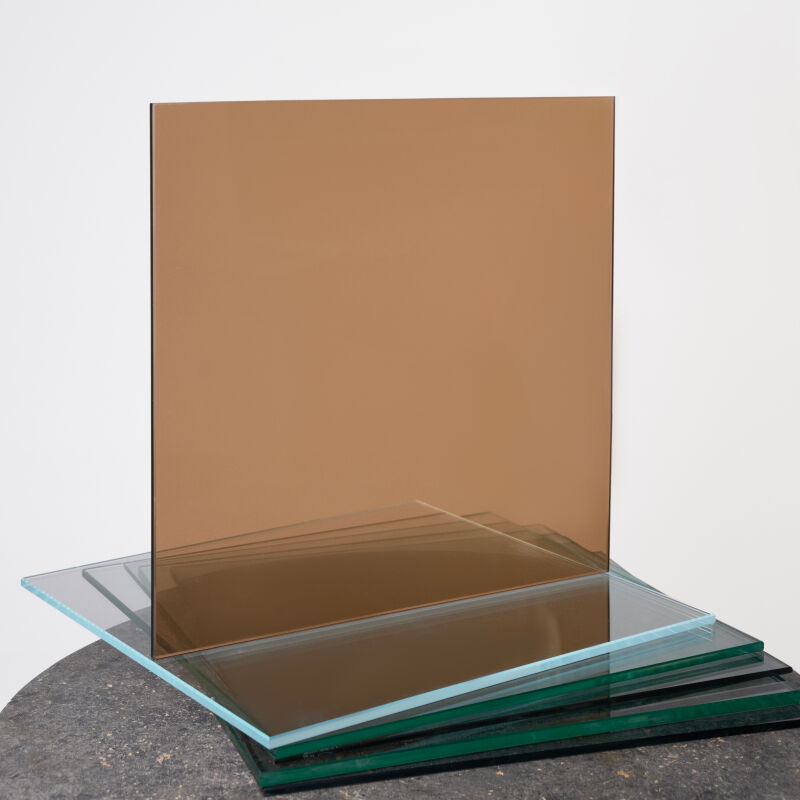
Premium Double Toughened Glass Solutions - Superior Safety, Durability & Performance

Get a Free Quote

Our representative will contact you soon.
Email
Name
Company Name
Message
0/1000

double toughened glass

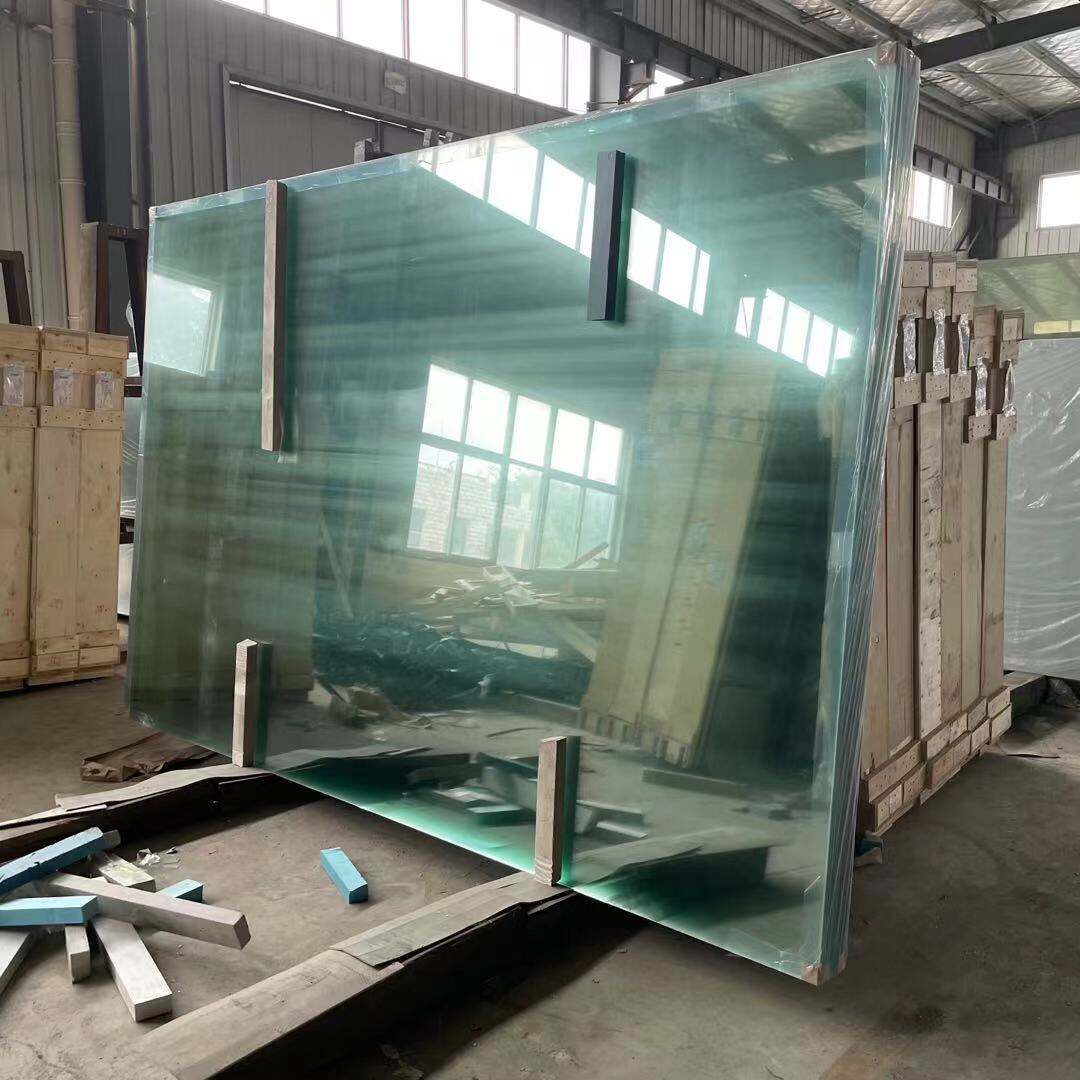
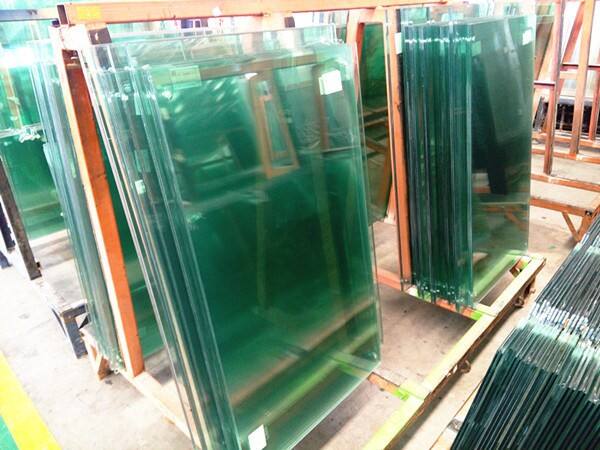
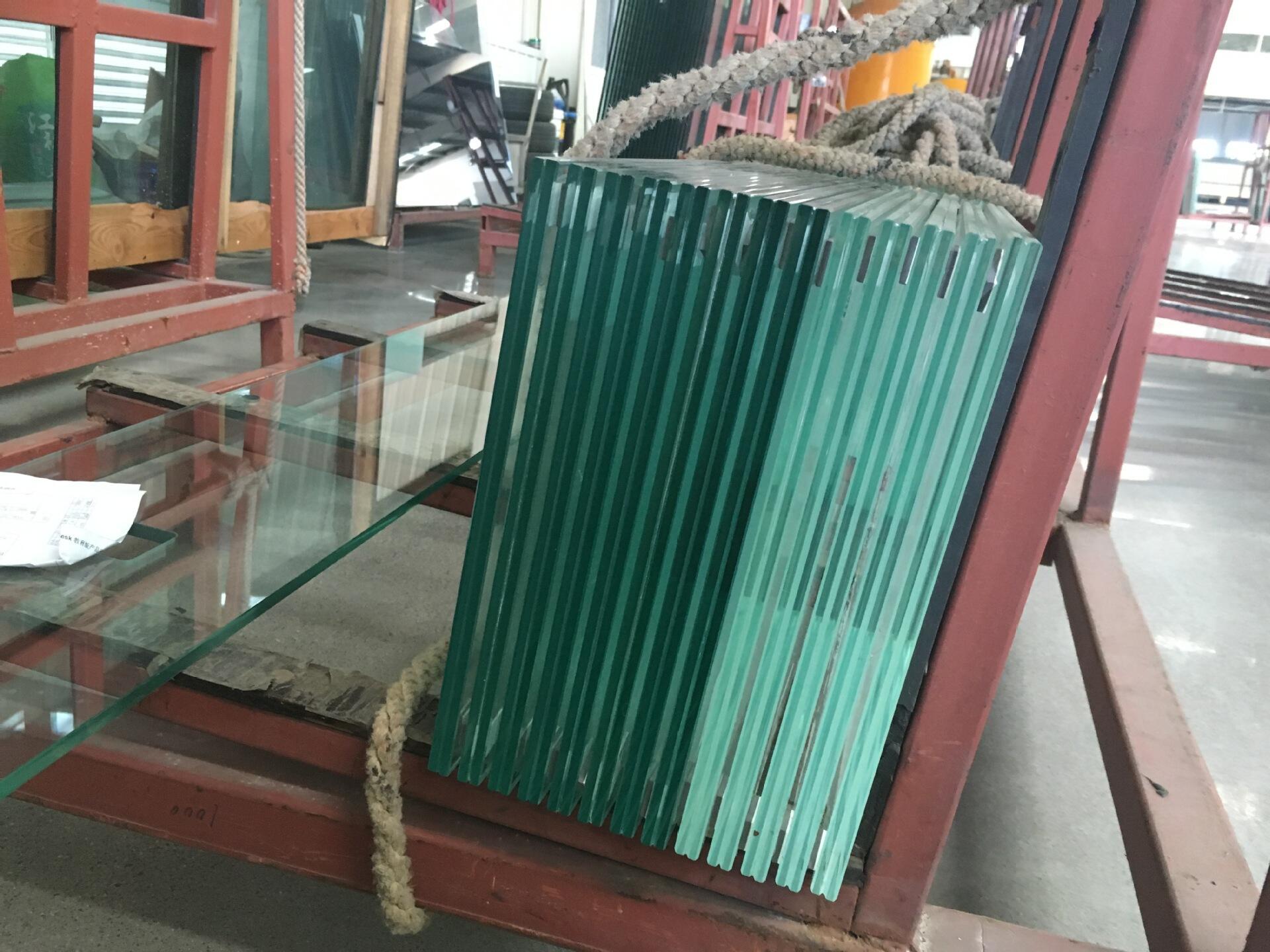
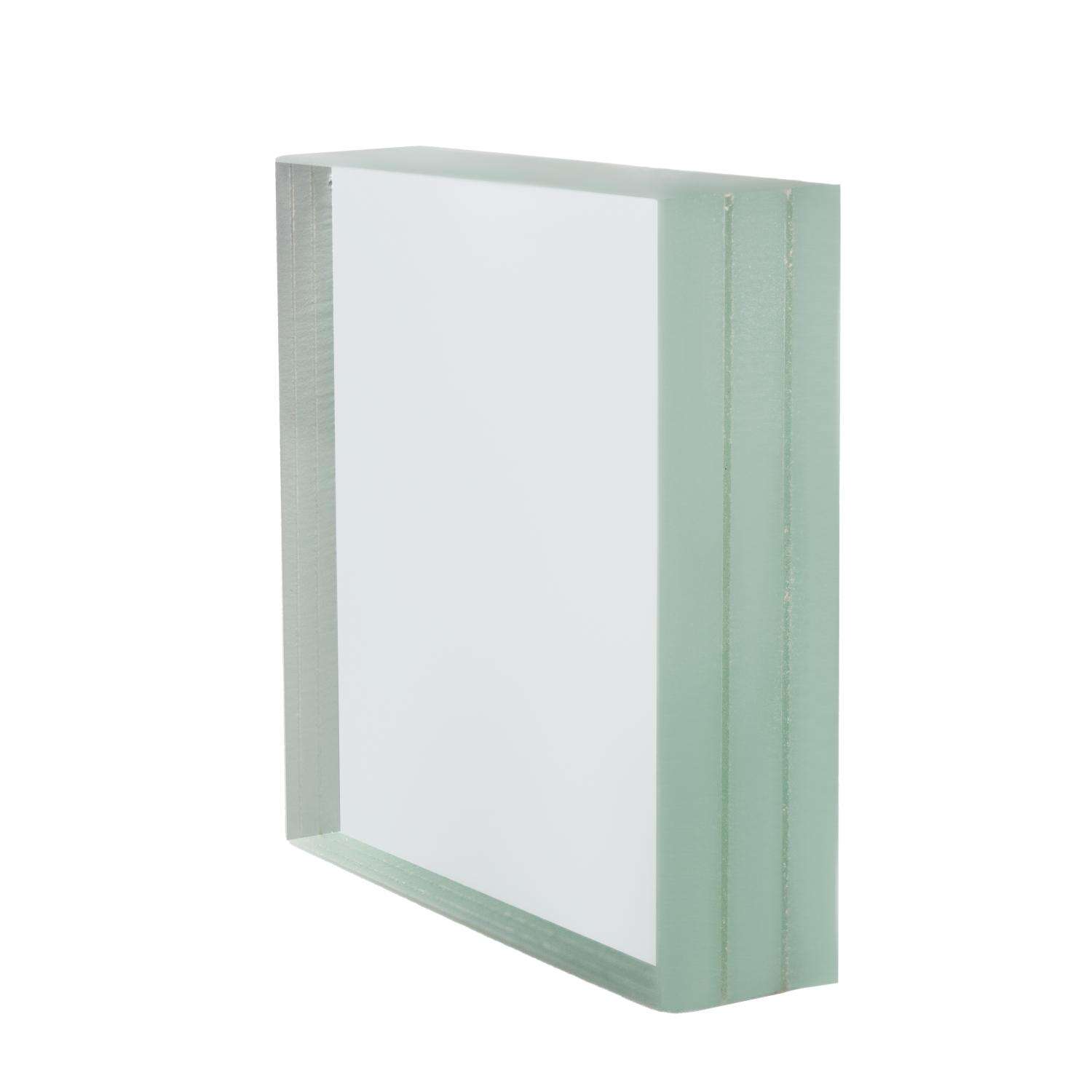
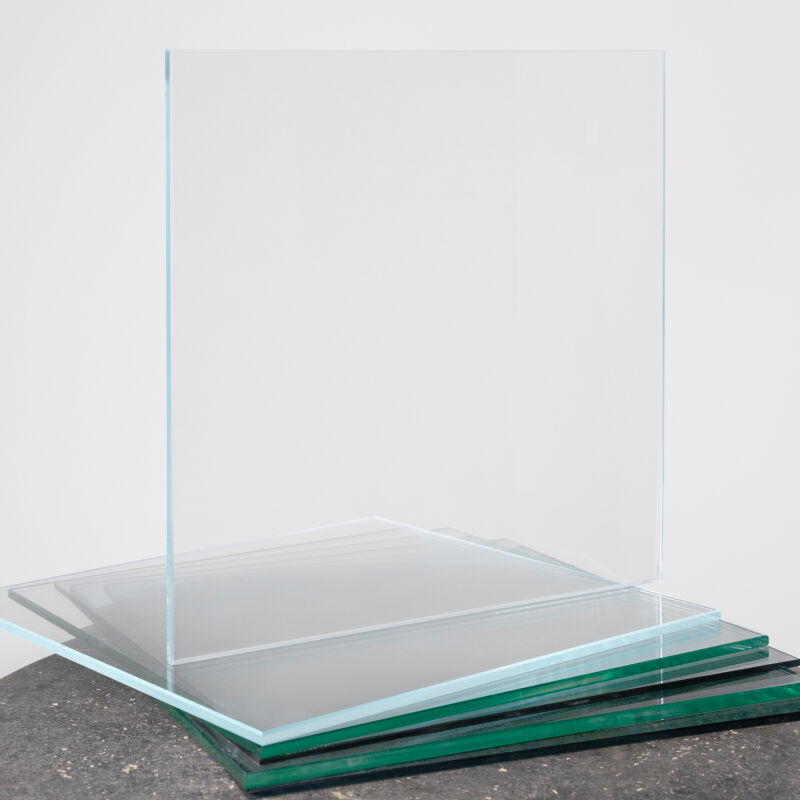
Double toughened glass represents a revolutionary advancement in safety glass technology, offering exceptional strength and security for both residential and commercial applications. This specialized glazing material undergoes an intensive dual tempering process that transforms ordinary glass into a robust protective barrier capable of withstanding extreme conditions. The double toughened glass manufacturing process involves heating standard glass to temperatures exceeding 600 degrees Celsius before rapidly cooling it using controlled air jets. This thermal treatment creates compressive stress on the surface while maintaining tensile stress in the core, resulting in glass that is approximately five to six times stronger than regular annealed glass. The technological features of double toughened glass include enhanced impact resistance, improved thermal shock resistance, and superior load-bearing capabilities. When subjected to breakage, this safety glass fragments into small, relatively harmless pieces rather than dangerous sharp shards, significantly reducing injury risk. The material demonstrates remarkable versatility across numerous applications including storefront windows, shower enclosures, glass doors, partition walls, skylights, and automotive windshields. In architectural contexts, double toughened glass serves as an essential component in curtain wall systems, providing both structural integrity and aesthetic appeal. The manufacturing process ensures consistent quality through precise temperature control and cooling patterns, creating uniform stress distribution throughout the glass structure. Modern production facilities utilize computer-controlled systems to monitor every stage of the tempering process, ensuring optimal performance characteristics. Double toughened glass maintains excellent optical clarity while delivering superior mechanical properties, making it ideal for applications requiring both visibility and protection. The material's enhanced durability translates to reduced maintenance costs and extended service life, providing long-term value for property owners and facility managers seeking reliable glazing solutions.

New Products

Double toughened glass delivers numerous compelling advantages that make it the preferred choice for safety-conscious consumers and professionals across various industries. The primary benefit lies in its exceptional strength characteristics, which provide five times greater impact resistance compared to standard glass products. This enhanced durability means fewer replacements, reduced maintenance expenses, and improved long-term cost effectiveness for building owners and homeowners alike. Safety represents another crucial advantage of double toughened glass, as its unique fracture pattern creates small granular pieces instead of large dangerous shards when breakage occurs. This safety feature protects occupants from serious cuts and injuries, making it essential for high-traffic areas, schools, hospitals, and public buildings where human safety remains paramount. The material exhibits superior thermal performance, withstanding temperature variations that would cause ordinary glass to crack or shatter. This thermal stability proves invaluable in applications exposed to direct sunlight, heating systems, or extreme weather conditions, ensuring consistent performance year-round. Double toughened glass offers excellent versatility in design applications, supporting architects and designers in creating innovative structures without compromising safety standards. The material can be cut, drilled, and shaped before the tempering process, allowing for customized solutions that meet specific project requirements. Installation becomes more straightforward due to the glass's predictable behavior and standardized specifications, reducing labor costs and project timelines. The optical clarity of double toughened glass remains exceptional, providing unobstructed views while maintaining protective properties. This transparency makes it ideal for retail environments where product visibility drives sales, office buildings requiring natural light penetration, and residential applications where aesthetic appeal matters. Environmental benefits include energy efficiency improvements through better insulation properties and reduced replacement frequency, contributing to sustainable building practices. The recyclable nature of double toughened glass supports green construction initiatives and reduces environmental impact. Maintenance requirements remain minimal due to the material's resistance to scratches, weathering, and chemical degradation, providing hassle-free ownership experience for end users.

Practical Tips

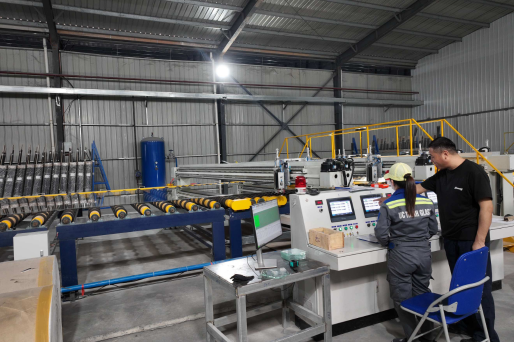
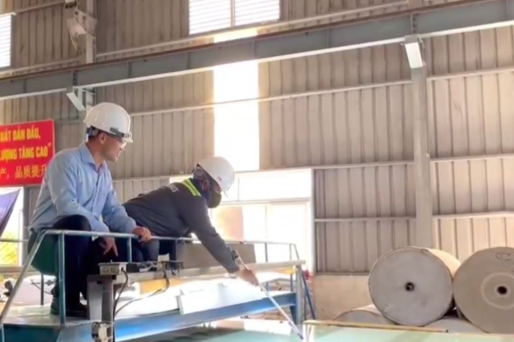
Deepening Roots in the Vietnamese Market, Zero-Distance Quality Control – The Company's Quality Director Works On-Site at the Vietnam Factory

08

Jan

Deepening Roots in the Vietnamese Market, Zero-Distance Quality Control – The Company's Quality Director Works On-Site at the Vietnam Factory

View More
Empowering Product Matrix, Jointly Exploring New Market Opportunities – The Company's Management Team Visits Glass Deep-processing Enterprises to Deepen Industrial Cooperation

08

Jan

Empowering Product Matrix, Jointly Exploring New Market Opportunities – The Company's Management Team Visits Glass Deep-processing Enterprises to Deepen Industrial Cooperation

View More
In-depth Popular Science of Float Glass: Unlocking the Mysteries of the

08

Jan

In-depth Popular Science of Float Glass: Unlocking the Mysteries of the "Transparent Cornerstone" from Raw Materials to Applications

View More

Get a Free Quote

Our representative will contact you soon.
Email
Name
Company Name
Message
0/1000

double toughened glass

Unmatched Safety Performance Through Advanced Tempering Technology

Unmatched Safety Performance Through Advanced Tempering Technology

Double toughened glass sets the industry standard for safety performance through its sophisticated dual tempering manufacturing process that creates an exceptionally robust protective barrier. The advanced thermal treatment subjects the glass to extreme temperatures followed by rapid cooling, generating internal stress patterns that dramatically improve impact resistance and fracture behavior. When subjected to sufficient force, double toughened glass breaks into thousands of small, cube-shaped fragments rather than creating large, razor-sharp pieces that pose serious injury risks. This unique breakage pattern, known as dicing, occurs due to the carefully controlled stress distribution achieved during the tempering process. The safety benefits extend beyond simple breakage patterns, as the material's enhanced structural integrity prevents catastrophic failures that could endanger building occupants or pedestrians. Testing standards require double toughened glass to withstand impacts that would easily shatter conventional glazing materials, making it essential for applications where human contact is likely. Schools, hospitals, shopping centers, and residential buildings benefit tremendously from this safety performance, as it reduces liability concerns and insurance costs while protecting inhabitants. The material meets stringent building codes and safety regulations across multiple jurisdictions, ensuring compliance with legal requirements for public and private construction projects. Emergency responders appreciate double toughened glass installations because the predictable fracture pattern facilitates faster, safer building access during rescue operations. The safety performance proves particularly valuable in seismic zones where structural movements could stress glazing systems beyond normal limits. Architects and engineers specify double toughened glass for high-risk applications including floor-to-ceiling windows, glass railings, and overhead installations where falling debris could cause serious harm. Quality control measures during manufacturing ensure consistent safety performance across production batches, giving specifiers confidence in the material's reliability. The investment in double toughened glass safety technology pays dividends through reduced accident rates, lower insurance premiums, and enhanced occupant confidence in building security systems.
Superior Thermal Resistance for Demanding Environmental Conditions

Superior Thermal Resistance for Demanding Environmental Conditions

Double toughened glass demonstrates exceptional thermal resistance capabilities that make it indispensable for applications involving significant temperature variations and extreme environmental conditions. The specialized tempering process creates a glass structure that can withstand thermal stress levels that would cause ordinary glazing materials to crack, warp, or fail completely. This thermal stability stems from the controlled stress patterns induced during manufacturing, which allow the material to expand and contract uniformly without developing weak points or stress concentrations. Buildings with significant solar exposure benefit enormously from double toughened glass installations, as the material maintains structural integrity despite daily temperature cycling between hot and cool conditions. Commercial kitchens, industrial facilities, and manufacturing environments rely on this thermal performance to maintain safe working conditions while providing necessary visibility and access. The material successfully withstands temperature differentials exceeding 200 degrees Celsius, making it suitable for applications ranging from oven doors to building facades in extreme climates. Fire-rated installations utilize double toughened glass to provide emergency egress visibility while maintaining thermal barriers during building evacuations. The thermal shock resistance proves particularly valuable in geographic regions experiencing rapid weather changes, where conventional glass might fail due to sudden temperature drops or increases. Energy efficiency improvements result from the material's ability to maintain seal integrity in insulated glazing units, preventing thermal bridging and reducing heating and cooling costs. Research and development facilities appreciate the thermal stability for laboratory equipment viewing panels and cleanroom applications where temperature control remains critical. The consistent performance across temperature ranges eliminates the need for costly climate control systems in many applications, reducing operational expenses and energy consumption. Thermal cycling tests demonstrate that double toughened glass maintains its safety and optical properties even after thousands of heating and cooling cycles, ensuring long-term reliability. Manufacturers provide thermal performance data that allows engineers to specify the material with confidence for demanding applications including solar panel installations and high-performance building envelopes.
Exceptional Durability and Cost-Effectiveness for Long-Term Value

Exceptional Durability and Cost-Effectiveness for Long-Term Value

Double toughened glass delivers outstanding durability characteristics that translate into significant cost savings and enhanced value proposition for property owners, facility managers, and end users across diverse applications. The enhanced strength properties result from the controlled tempering process that creates surface compression and internal tension, producing a glass product that resists impact damage, scratching, and environmental degradation far better than conventional alternatives. This durability advantage becomes particularly apparent in high-traffic environments where repeated contact, cleaning, and maintenance activities would quickly degrade inferior glazing materials. The material's resistance to surface damage means cleaning and maintenance procedures remain simple and cost-effective throughout the product's extended service life. Chemical resistance properties allow double toughened glass to withstand exposure to cleaning agents, environmental pollutants, and industrial chemicals without losing optical clarity or structural integrity. Weather resistance ensures consistent performance despite prolonged exposure to ultraviolet radiation, moisture, temperature extremes, and atmospheric contaminants that would cause other materials to yellow, crack, or deteriorate. The extended service life of double toughened glass installations often exceeds twenty years with minimal maintenance requirements, compared to frequent replacements needed with standard glazing products. This longevity reduces lifecycle costs through decreased replacement frequency, reduced labor expenses, and minimized disruption to building operations during maintenance activities. Insurance companies often provide premium discounts for buildings utilizing double toughened glass due to reduced claim frequency and severity associated with glazing failures and related injuries. The material's consistent performance characteristics eliminate unexpected maintenance expenses and emergency repair costs that can strain facility budgets and disrupt business operations. Warranty coverage typically extends longer for double toughened glass products, providing additional financial protection and peace of mind for specifiers and building owners. The initial investment premium for double toughened glass compared to standard alternatives is quickly recovered through reduced maintenance costs, improved safety records, and enhanced property values that result from superior building performance and occupant satisfaction.
Get a Free Quote

Our representative will contact you soon.
Email
Name
Company Name
Message
0/1000