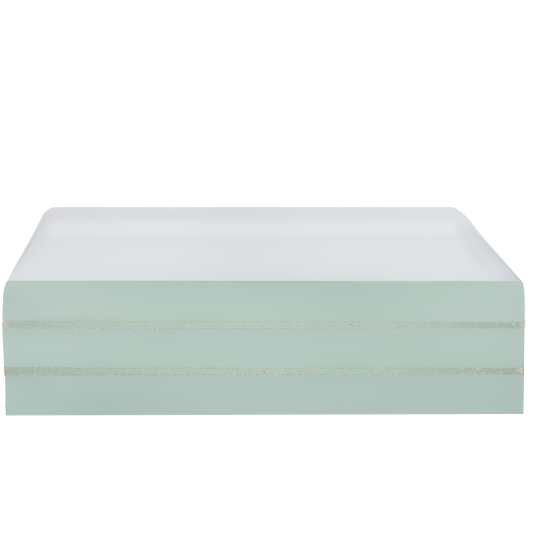
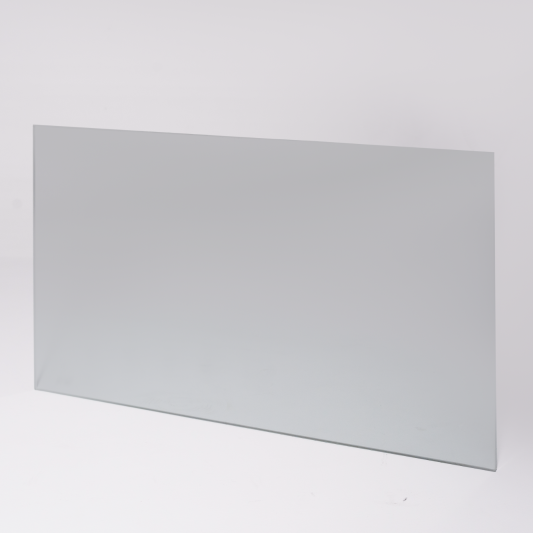
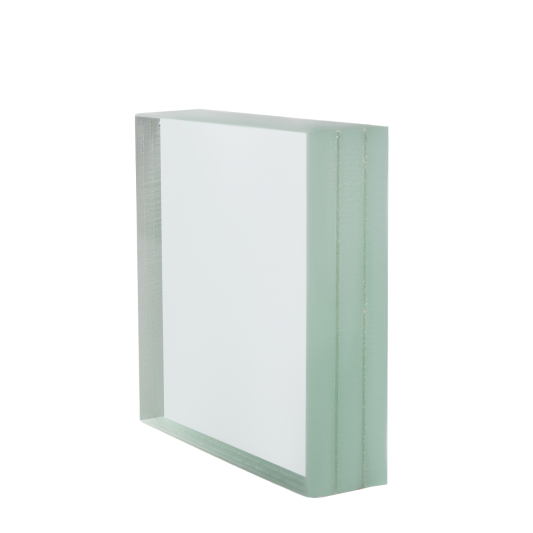
double pane laminated glass windows
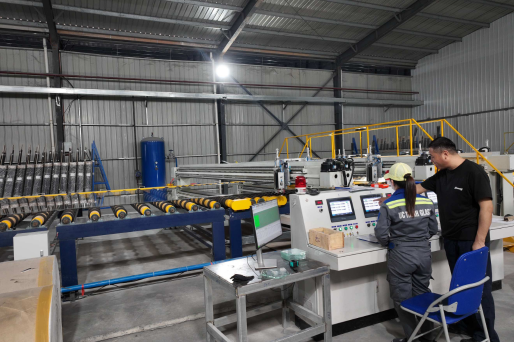
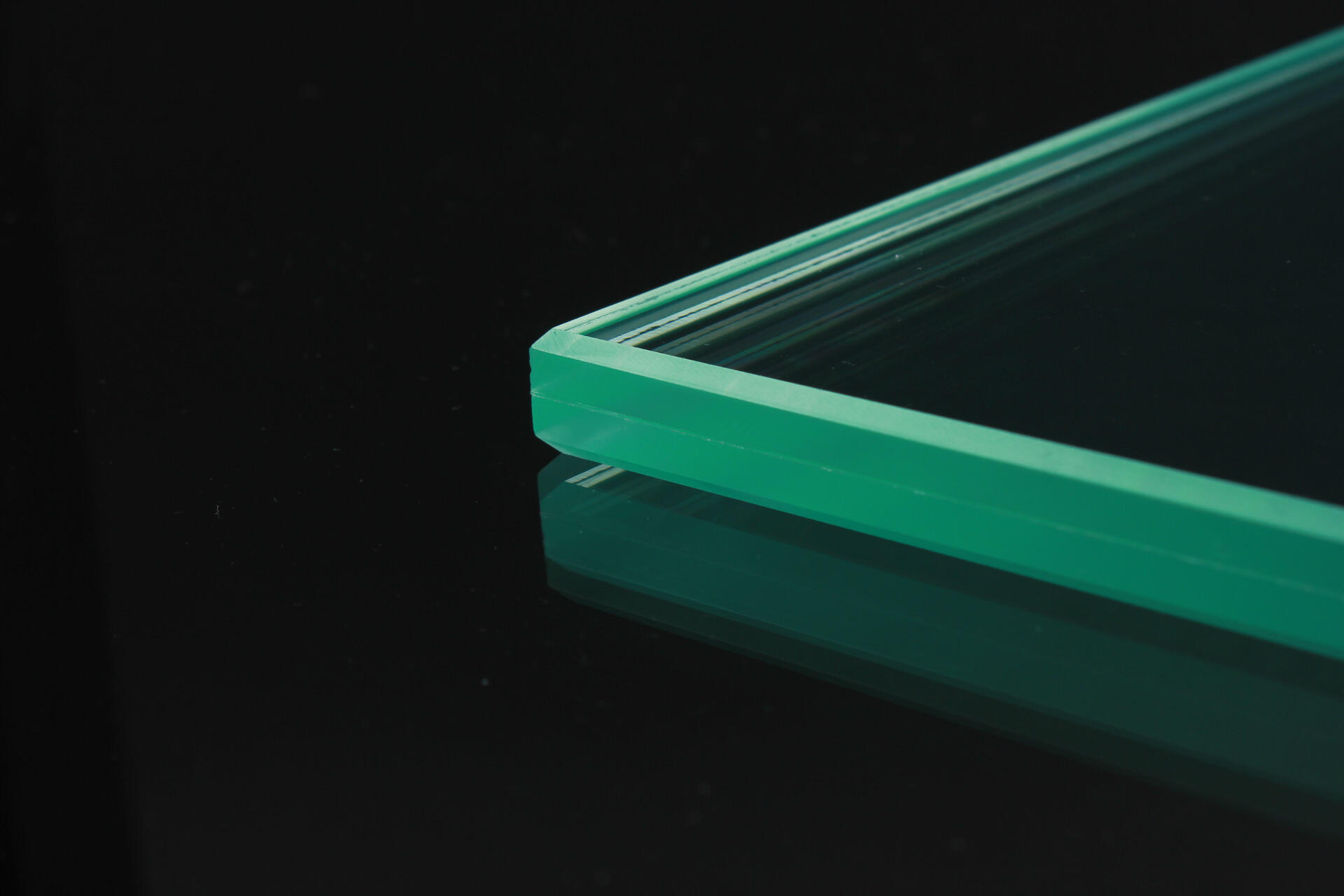
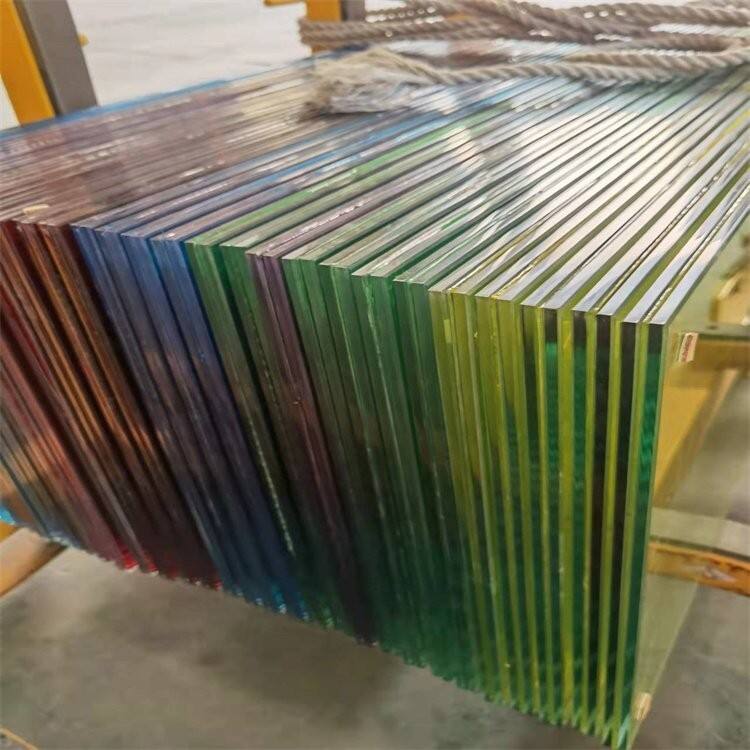
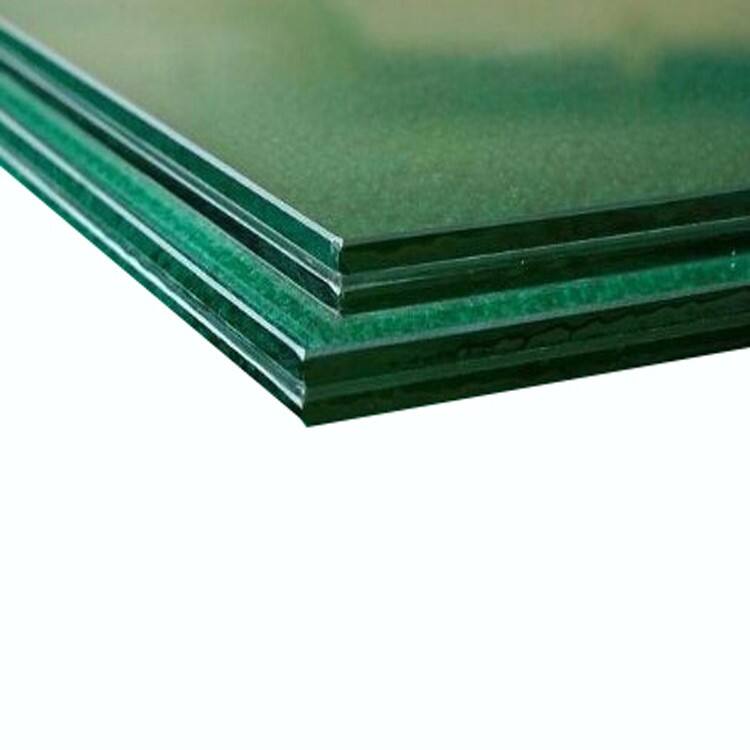
Double pane laminated glass windows represent a cutting-edge solution in modern glazing technology, combining the thermal efficiency of dual glazing with the safety benefits of laminated glass construction. These innovative windows feature two separate glass panes with an air or gas-filled space between them, while each individual pane consists of multiple glass layers bonded together with a specialized interlayer material, typically polyvinyl butyral (PVB) or ethylene-vinyl acetate (EVA). The primary functions of double pane laminated glass windows include superior thermal insulation, enhanced security protection, noise reduction, and UV filtration. The technological foundation relies on the trapped air or inert gas between the panes, which creates an effective thermal barrier that significantly reduces heat transfer. The laminated construction adds an extra dimension of safety, as the interlayer holds glass fragments together upon impact, preventing dangerous shattering. Manufacturing processes involve precise assembly techniques where glass sheets are carefully positioned with spacers maintaining optimal gap distances, followed by sealing procedures that ensure airtight performance. Advanced coating technologies, such as low-emissivity (Low-E) coatings, are often applied to enhance energy efficiency further. Applications span residential homes, commercial buildings, hospitals, schools, and high-security facilities where both energy performance and safety are paramount. The versatility extends to various architectural styles, from traditional designs to contemporary structures, making double pane laminated glass windows suitable for new construction projects and renovation work. Quality control measures during production ensure consistent performance standards, while installation requires specialized techniques to maintain the integrity of both the thermal seal and laminated structure. These windows effectively address multiple building performance requirements simultaneously, representing an investment in long-term energy savings, occupant safety, and acoustic comfort.

 EN
EN