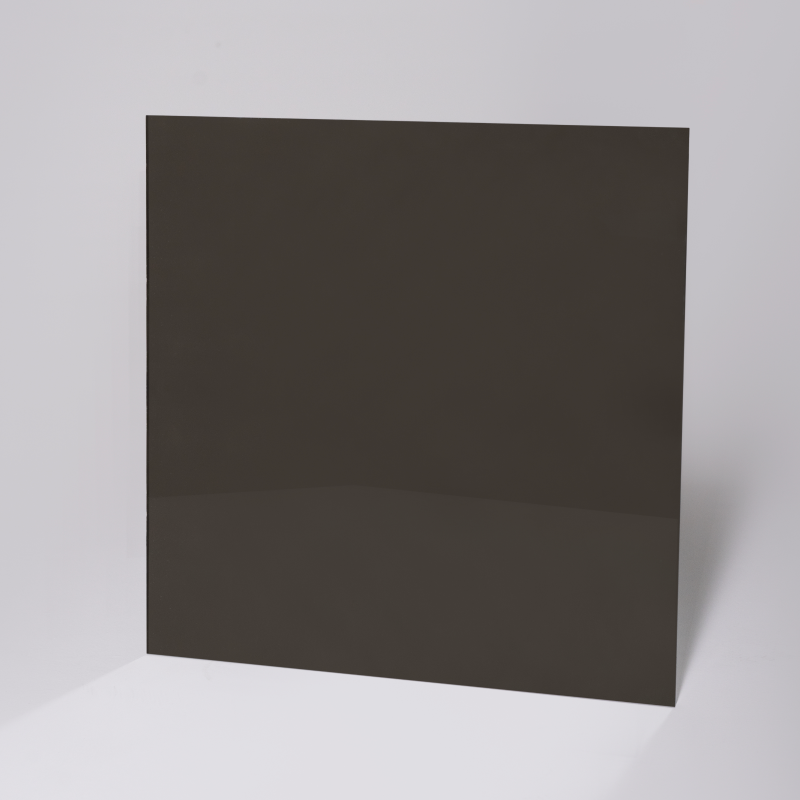
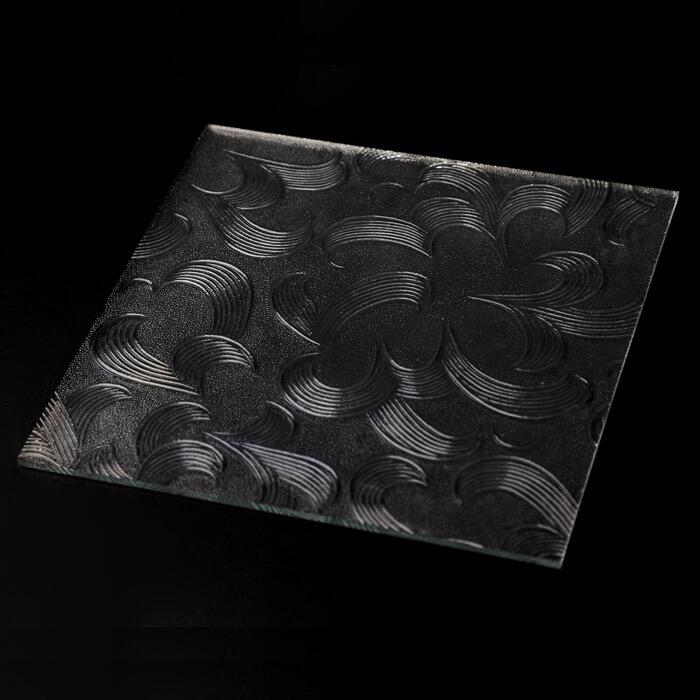
High-Performance Aluminum Mirrors - Superior Reflectivity & Cost-Effective Optical Solutions

Get a Free Quote

Our representative will contact you soon.
Email
Name
Company Name
Message
0/1000

aluminum mirror

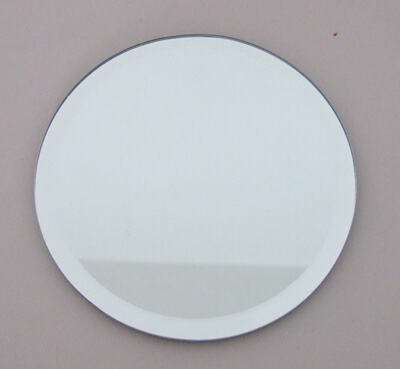
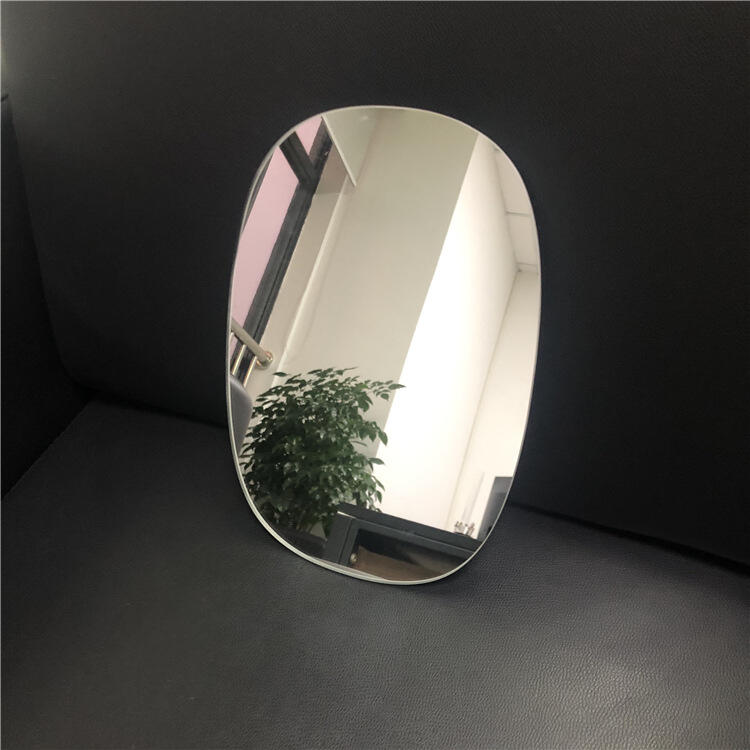
An aluminum mirror represents a sophisticated optical component that combines the reflective properties of aluminum coating with precision engineering to deliver exceptional performance across diverse applications. These mirrors utilize a thin layer of aluminum deposited onto glass or other substrates through advanced vacuum coating processes, creating highly reflective surfaces that maintain consistent optical quality. The aluminum mirror technology has revolutionized industries ranging from astronomy to automotive manufacturing, offering superior reflectivity across broad wavelength spectrums while maintaining cost-effectiveness and durability. The primary function of an aluminum mirror centers on reflecting light with minimal absorption or scattering, achieving reflectivity rates exceeding 90% in visible light ranges. This exceptional performance stems from aluminum's inherent metallic properties and the precision manufacturing techniques employed during production. The technological features of aluminum mirrors include uniform coating thickness, excellent surface smoothness measured in nanometers, and resistance to environmental factors such as humidity and temperature fluctuations. Modern aluminum mirror production employs magnetron sputtering or thermal evaporation techniques, ensuring consistent coating quality and adherence to substrates. These mirrors demonstrate remarkable versatility in applications spanning scientific instruments, laser systems, telescopes, automotive headlights, architectural lighting, and industrial machinery. The aluminum coating provides broadband reflectivity, making these mirrors suitable for applications requiring reflection across multiple wavelengths simultaneously. Quality aluminum mirrors undergo rigorous testing protocols to ensure optical performance, mechanical stability, and longevity. Surface quality measurements, reflectivity testing, and environmental stress evaluations guarantee that each aluminum mirror meets stringent industry standards. The substrate materials vary based on application requirements, with options including borosilicate glass, fused silica, and specialized optical materials designed for specific wavelength ranges or environmental conditions.

New Product Releases

Aluminum mirrors deliver numerous practical benefits that make them the preferred choice for both commercial and industrial applications. The primary advantage lies in their exceptional reflectivity performance, consistently achieving over 90% reflection efficiency across visible wavelengths, which translates directly into improved system performance and energy efficiency for end users. This high reflectivity means less light loss, resulting in brighter illumination in lighting systems, clearer images in optical instruments, and enhanced performance in laser applications. Cost-effectiveness represents another significant advantage of aluminum mirrors compared to alternative reflective technologies. The manufacturing process for aluminum coating proves more economical than precious metal alternatives while delivering comparable or superior performance in many applications. This affordability allows businesses to implement high-quality optical solutions without excessive capital investment, making advanced mirror technology accessible to a broader range of industries and applications. The durability characteristics of aluminum mirrors provide long-term value through extended operational lifespans and minimal maintenance requirements. Unlike some reflective materials that degrade rapidly under environmental stress, aluminum mirrors maintain their optical properties through temperature variations, humidity changes, and moderate physical handling. This reliability reduces replacement costs and system downtime, contributing to improved operational efficiency and reduced total cost of ownership. Aluminum mirrors offer exceptional versatility in customization options, allowing manufacturers to tailor specifications to precise application requirements. Size variations range from microscopic components for precision instruments to large-format mirrors for architectural or industrial installations. Shape flexibility accommodates flat, curved, or complex geometries, while coating variations can optimize performance for specific wavelength ranges or environmental conditions. Installation simplicity represents a practical advantage that reduces implementation complexity and associated costs. Aluminum mirrors integrate seamlessly into existing optical systems without requiring specialized mounting hardware or complex alignment procedures. Their lightweight nature compared to alternatives simplifies handling and reduces structural support requirements in installations. The broad wavelength response of aluminum mirrors eliminates the need for multiple mirror types in applications spanning different light spectrums, simplifying system design and inventory management. Quality aluminum mirrors demonstrate excellent thermal stability, maintaining optical performance across wide temperature ranges without degradation or distortion. This characteristic proves essential in applications subject to temperature variations or heat generation, ensuring consistent performance in demanding environments.

Tips And Tricks

Deepening Roots in the Vietnamese Market, Zero-Distance Quality Control – The Company's Quality Director Works On-Site at the Vietnam Factory

08

Jan

Deepening Roots in the Vietnamese Market, Zero-Distance Quality Control – The Company's Quality Director Works On-Site at the Vietnam Factory

View More
Empowering Product Matrix, Jointly Exploring New Market Opportunities – The Company's Management Team Visits Glass Deep-processing Enterprises to Deepen Industrial Cooperation

08

Jan

Empowering Product Matrix, Jointly Exploring New Market Opportunities – The Company's Management Team Visits Glass Deep-processing Enterprises to Deepen Industrial Cooperation

View More
In-depth Popular Science of Float Glass: Unlocking the Mysteries of the

08

Jan

In-depth Popular Science of Float Glass: Unlocking the Mysteries of the "Transparent Cornerstone" from Raw Materials to Applications

View More

Get a Free Quote

Our representative will contact you soon.
Email
Name
Company Name
Message
0/1000

aluminum mirror

Superior Optical Performance and Broad Spectrum Efficiency

Superior Optical Performance and Broad Spectrum Efficiency

The aluminum mirror stands out in the optical industry due to its exceptional reflectivity characteristics that deliver superior performance across broad wavelength ranges. This outstanding optical efficiency stems from aluminum's unique metallic properties, which enable consistent reflection rates exceeding 90% throughout the visible spectrum while maintaining respectable performance in near-infrared and ultraviolet ranges. The precision manufacturing process ensures uniform coating distribution, eliminating hot spots or variations that could compromise optical quality. This consistency proves crucial for applications requiring precise light control, such as scientific instruments, laser systems, and high-end projection equipment. The broad spectrum efficiency of aluminum mirrors provides significant advantages over selective reflective materials that perform well only within narrow wavelength bands. This characteristic allows system designers to utilize single mirror solutions for applications spanning multiple wavelengths, simplifying optical designs and reducing component costs. In astronomical telescopes, aluminum mirrors capture and reflect light across the entire visible spectrum, enabling clear observation of celestial objects without wavelength-specific distortions. Similarly, in architectural lighting applications, aluminum mirrors ensure accurate color rendering by reflecting all visible wavelengths uniformly, preventing color shifts that could affect aesthetic appeal or functionality. The surface smoothness achieved in quality aluminum mirrors reaches optical-grade specifications, with surface roughness measurements in single-digit nanometers. This exceptional smoothness minimizes scattering losses and maintains coherent reflection patterns essential for precision optical applications. Advanced coating techniques such as ion-assisted deposition or magnetron sputtering create dense, uniform aluminum layers that bond strongly to substrate materials, ensuring long-term optical stability. The aluminum mirror technology incorporates protective overcoating options that enhance durability without significantly compromising optical performance. These protective layers guard against environmental factors such as oxidation, moisture, and handling damage while maintaining the underlying aluminum coating's reflective properties. Quality control processes in aluminum mirror manufacturing include comprehensive optical testing, surface analysis, and environmental stress evaluation to guarantee consistent performance across production batches.
Cost-Effective Solution with Long-Term Durability

Cost-Effective Solution with Long-Term Durability

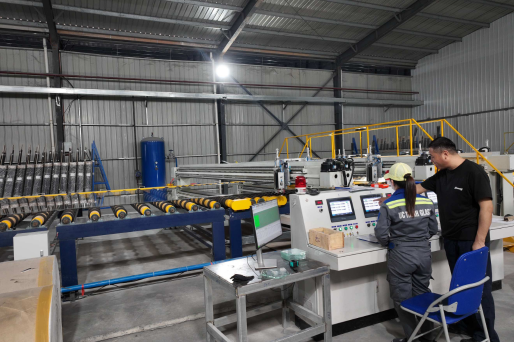
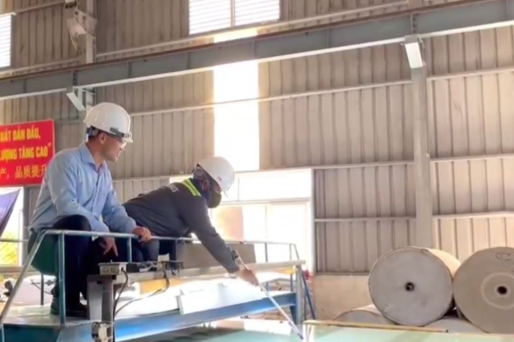
The aluminum mirror technology delivers exceptional value through its combination of affordable manufacturing costs and extended operational lifespan, making it an economically attractive solution for diverse applications. The cost-effectiveness begins with the raw material advantages, as aluminum represents one of the most abundant metals on Earth, ensuring stable pricing and reliable supply chains compared to precious metal alternatives such as silver or gold coatings. The manufacturing process for aluminum mirrors utilizes well-established vacuum coating techniques that have been refined over decades, resulting in efficient production methods that keep costs reasonable while maintaining high quality standards. This economic advantage allows businesses and organizations to implement advanced optical solutions without prohibitive capital investments, democratizing access to professional-grade mirror technology across industries. The long-term durability characteristics of aluminum mirrors provide substantial economic benefits through reduced replacement frequency and maintenance requirements. Unlike some reflective coatings that degrade rapidly under environmental stress, aluminum maintains its structural integrity and optical properties through extended use periods. The natural oxide layer that forms on aluminum surfaces actually provides protection against further corrosion, creating a self-preserving coating that extends mirror lifespan significantly. Environmental resistance represents a crucial durability factor that contributes to the cost-effectiveness of aluminum mirrors. These mirrors withstand temperature fluctuations without warping or coating degradation, humidity variations without moisture damage, and moderate physical handling without surface damage. This resilience proves particularly valuable in industrial environments where equipment faces challenging operating conditions regularly. The aluminum mirror construction tolerates cleaning and maintenance procedures without performance degradation, supporting long-term operational efficiency. Standard cleaning protocols using appropriate solvents and techniques can restore aluminum mirrors to near-original performance levels, extending their useful life and maintaining system efficiency. The mechanical stability of aluminum coatings prevents common failure modes such as coating delamination or crack propagation that plague some alternative mirror technologies. Investment protection represents another economic advantage of aluminum mirrors, as their stable performance characteristics prevent unexpected system downtime and associated revenue losses. The predictable aging characteristics allow for planned maintenance scheduling rather than emergency replacements, supporting better budget management and operational planning. Quality aluminum mirrors often exceed their projected lifespans when properly maintained, delivering additional value beyond initial purchase investments.
Versatile Customization and Easy Integration Capabilities

Versatile Customization and Easy Integration Capabilities

The aluminum mirror technology excels in providing comprehensive customization options that enable precise tailoring to specific application requirements, combined with straightforward integration capabilities that simplify implementation across diverse systems. This versatility begins with size flexibility, as aluminum mirrors can be manufactured in dimensions ranging from miniature components measuring mere millimeters for precision instruments to large-format installations spanning several meters for architectural or industrial applications. The manufacturing processes accommodate both standard sizes for common applications and custom dimensions for specialized requirements, ensuring optimal fit and performance in any installation. Shape customization represents another significant advantage of aluminum mirrors, with production capabilities extending beyond simple flat surfaces to include curved, spherical, parabolic, and complex geometries. Advanced manufacturing techniques enable the creation of specialized mirror shapes that optimize light distribution patterns for specific applications, such as focusing mirrors for laser systems, wide-angle reflectors for automotive headlights, or decorative installations with artistic curves. The substrate material selection process allows for application-specific optimization, with options including standard glass for general purposes, low-expansion materials for precision applications, and specialized substrates designed for extreme environments or specific wavelength requirements. Coating variations provide additional customization opportunities, enabling optimization for particular wavelength ranges, enhanced durability requirements, or specific reflectivity characteristics. Protected aluminum coatings incorporate overcoats that enhance environmental resistance, while enhanced aluminum formulations improve performance in demanding applications. The integration advantages of aluminum mirrors stem from their compatibility with standard mounting hardware and optical systems. The lightweight nature of aluminum coatings reduces structural load requirements compared to alternative mirror technologies, simplifying installation procedures and reducing support structure costs. Standard mounting interfaces and attachment methods accommodate aluminum mirrors without requiring specialized hardware or complex alignment procedures. System compatibility extends to electrical and environmental integration, as aluminum mirrors operate effectively across wide temperature ranges and do not require active cooling or heating systems in most applications. This passive operation characteristic reduces system complexity and eliminates additional power requirements, contributing to overall system efficiency and reliability. The aluminum mirror technology supports various installation orientations and positions without performance degradation, providing flexibility in system design and layout optimization. Quality aluminum mirrors demonstrate excellent dimensional stability, maintaining precise optical alignment throughout their operational lifespan without requiring frequent readjustment or calibration procedures.
Get a Free Quote

Our representative will contact you soon.
Email
Name
Company Name
Message
0/1000