frameless bifold glass doors
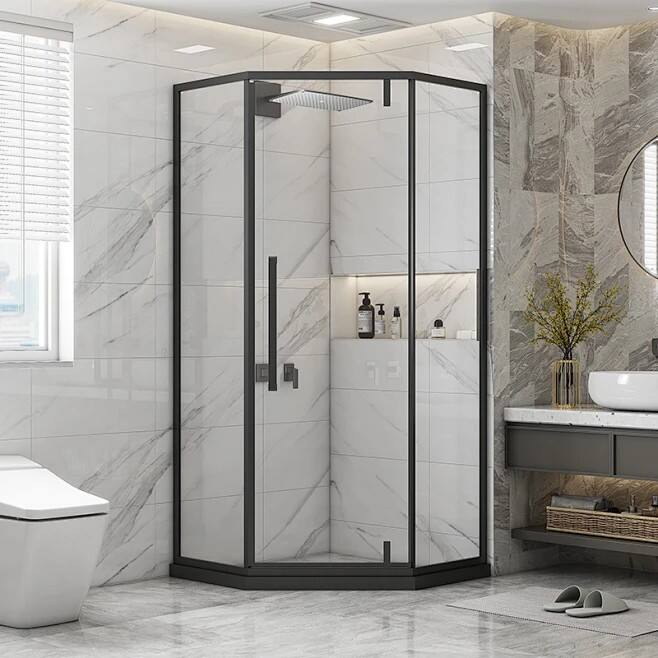
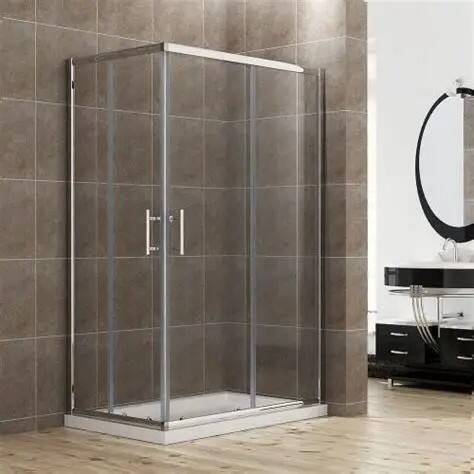
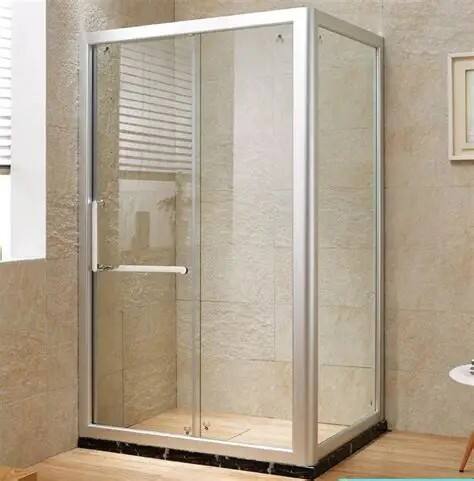
Frameless bifold glass doors represent a revolutionary architectural solution that seamlessly blends indoor and outdoor spaces while maximizing natural light and visual connectivity. These innovative door systems eliminate traditional frames, creating an unobstructed glass surface that provides panoramic views and exceptional transparency. The primary function of frameless bifold glass doors centers on space optimization and environmental integration, allowing rooms to expand dramatically when opened while maintaining weather protection when closed. The technological features of these systems include precision-engineered pivot mechanisms, high-performance glazing options, and sophisticated sealing systems that ensure superior insulation and weatherproofing. Advanced hardware components incorporate smooth-operating hinges, adjustable rollers, and magnetic locking mechanisms that guarantee effortless operation and secure closure. Multi-point locking systems provide enhanced security while maintaining the sleek aesthetic appeal. The glass panels typically feature low-emissivity coatings, laminated safety glass, or tempered glass options depending on specific requirements. Structural glazing techniques ensure seamless glass-to-glass connections without visible framework interruption. Applications for frameless bifold glass doors span residential and commercial environments, including luxury homes, restaurants, hotels, office buildings, and retail spaces. These doors excel in patio access, room dividers, storefront applications, and any situation requiring flexible space configuration. The system accommodates various opening configurations, from two-panel designs to expansive multi-panel installations spanning entire walls. Weather resistance capabilities enable year-round performance in diverse climatic conditions. Installation versatility allows for floor-to-ceiling applications, creating dramatic architectural statements. The doors integrate seamlessly with contemporary design aesthetics while complementing traditional architectural styles. Customization options include different glass types, hardware finishes, and operational configurations to meet specific project requirements and aesthetic preferences.

 EN
EN